YouTube · Keron Knowledge Hub · 30 October 2026
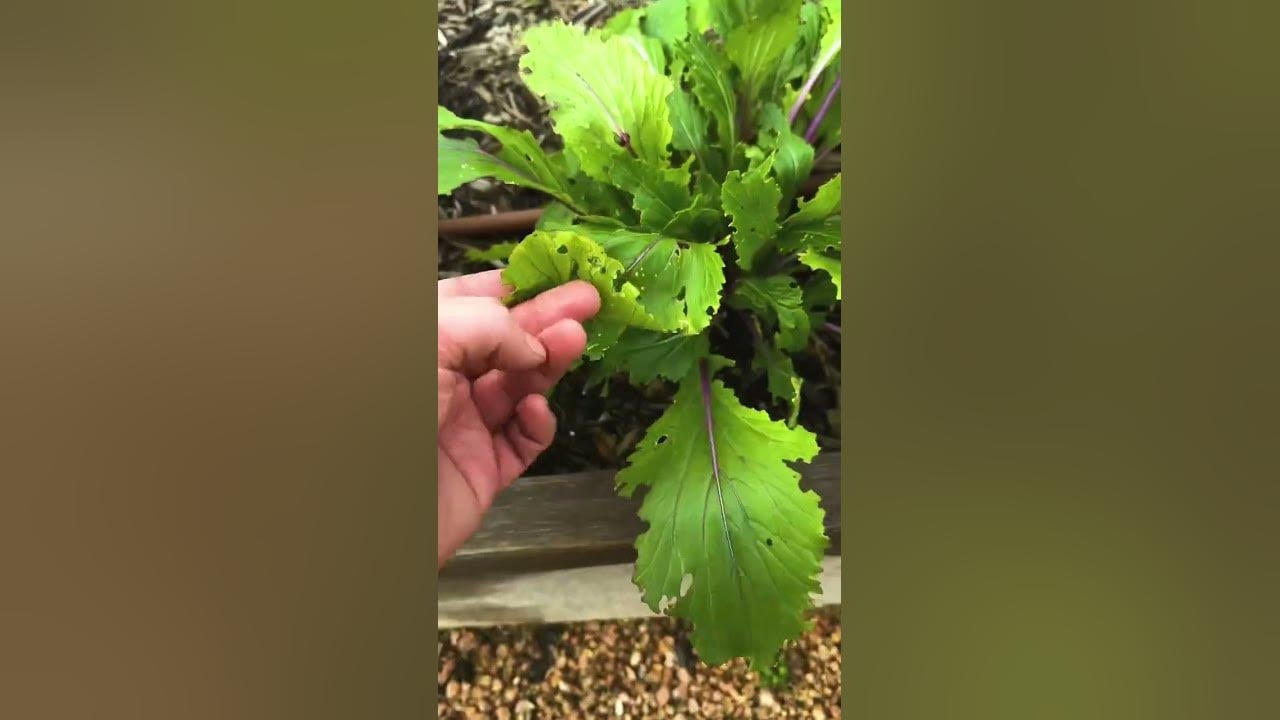
Identify nutrient deficiencies from plant leaves
Learn to spot common nutrient deficiencies like nitrogen and potassium by observing specific patterns of discoloration on plant leaves. This helps you understand what your plants need to thrive.
The idea
Observe specific patterns on plant leaves to diagnose common nutrient deficiencies:
- Nitrogen deficiency: Look for yellowing that starts at the tip of the leaf and progresses inwards in a V-shape along the midrib. This pattern is typically seen on older leaves first.
- Potassium deficiency: Check for scorched or brown edges on leaves. The margins of the leaves will appear burnt and brittle, often starting on older leaves.
Why it works
Plants display specific symptoms when they lack essential nutrients because each nutrient plays a unique role in their growth and health:
- Nitrogen: This nutrient is crucial for chlorophyll production (which gives leaves their green color) and overall plant growth. When nitrogen is scarce, the plant moves it from older leaves to new growth, causing the older leaves to yellow, especially in areas furthest from the main veins.
- Potassium: Potassium is vital for water regulation, nutrient transport, and overall plant vigor. A lack of potassium impairs these functions, leading to cell damage and necrosis (browning) along the leaf margins, where water loss and stress are often most pronounced.
Try it
- Regularly inspect your plants: Make it a habit to check the leaves of your plants, particularly the older ones, for any unusual discoloration or patterns.
- Look for V-shaped yellowing: If you notice yellowing that begins at the leaf tip and forms a 'V' down the midrib, especially on older leaves, your plant likely needs nitrogen.
- Check for scorched edges: If leaf edges appear brown, crispy, or burnt, particularly on older leaves, it suggests a potassium deficiency.
- Confirm the cause: Before applying any specific nutrient, rule out other issues like overwatering, underwatering, pest infestations, diseases, or extreme temperatures, which can cause similar symptoms. A soil test can provide a definitive diagnosis of nutrient levels.
- Address nitrogen deficiency: If confirmed, apply a balanced fertilizer with a higher nitrogen content (e.g., an NPK ratio like 3-1-2 or 4-1-2) or organic sources such as composted manure or blood meal.
- Address potassium deficiency: If confirmed, use a fertilizer rich in potassium (e.g., an NPK ratio like 1-1-3) or organic options like wood ash (use sparingly) or kelp meal.
- Monitor new growth: After applying the appropriate nutrients, observe your plants over the next few weeks. New leaves should emerge healthy and free of deficiency symptoms. While older, damaged leaves may not fully recover, the plant's overall health should improve.
Watch out for
- Over-fertilization: Applying too much fertilizer can cause nutrient burn, damaging roots and leaves. Always follow product instructions carefully.
- Similar symptoms: Yellowing and browning can also be caused by overwatering, underwatering, pest attacks, diseases, or root damage. Ensure you rule out these possibilities before concluding it's a nutrient deficiency.
- Nutrient lockout: Sometimes, nutrients are present in the soil but unavailable to the plant due to an incorrect soil pH. A soil test can help identify this issue.
- Plant-specific needs: Different plants have varying nutrient requirements, and deficiency symptoms can manifest slightly differently across species.