GrowPls
Plant questions
Real questions from home gardeners, the kind people post with a worried photo, answered by GrowPls: what's likely going on, what to do about it, and when to worry.
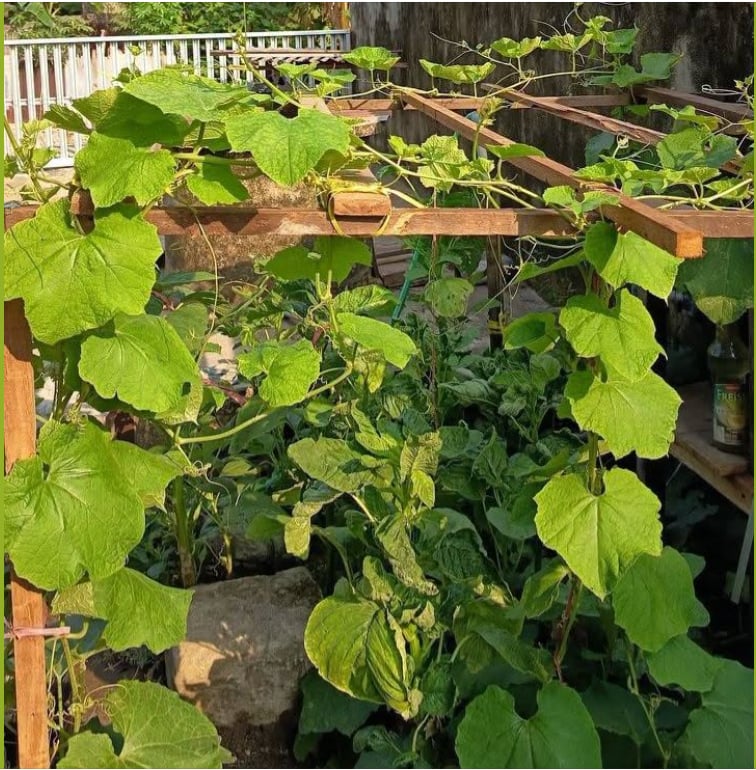
cucurbit vine (gourd/squash family)
What is this cucurbit vine growing wild on my trellis?
This looks like a cucurbit vine – something in the gourd/squash family, such as pumpkin, bottle gourd, or another edible squash – probably a volunteer from kitchen scraps or old compost. Let it flower and fruit to know exactly which one.
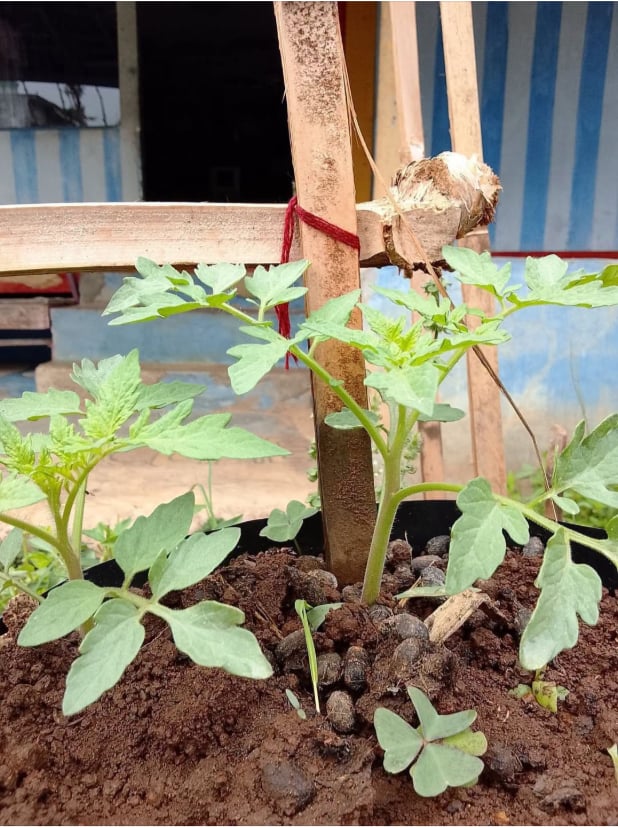
tomato
What plant is this seedling I planted?
The seedlings in the photo are tomato plants. Give them strong sun, a bigger pot or bed, and support as they grow taller.
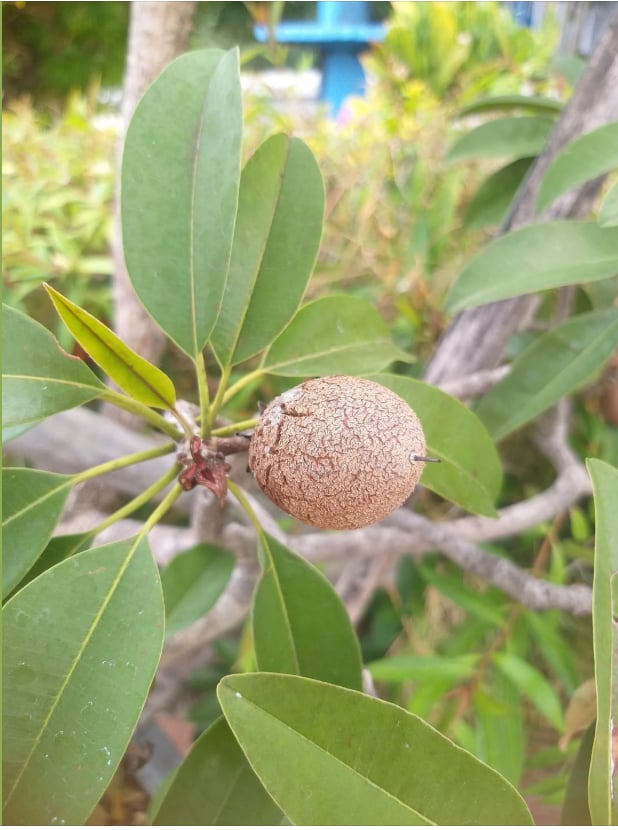
sapodilla (chikoo)
What is this tree with brown round fruits – is the fruit edible?
This looks very much like a sapodilla (chikoo) tree, whose ripe fruit is edible and sweet, but never eat anything based only on an online ID. Have a local plant expert or neighbor familiar with the tree confirm it in person before tasting.
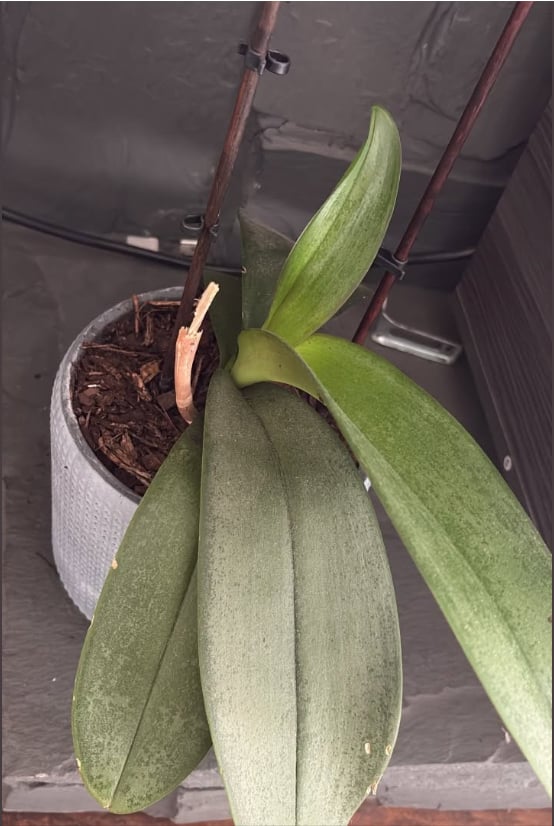
moth orchid (Phalaenopsis)
Why hasn’t my orchid flowered again for a year?
This moth orchid looks healthy enough but likely isn’t getting the right mix of bright light, feeding, and a slight temperature drop that triggers new flower spikes. Improve light, start regular orchid fertilizer, and give it a cooler, brighter spot for a few weeks to encourage blooming.
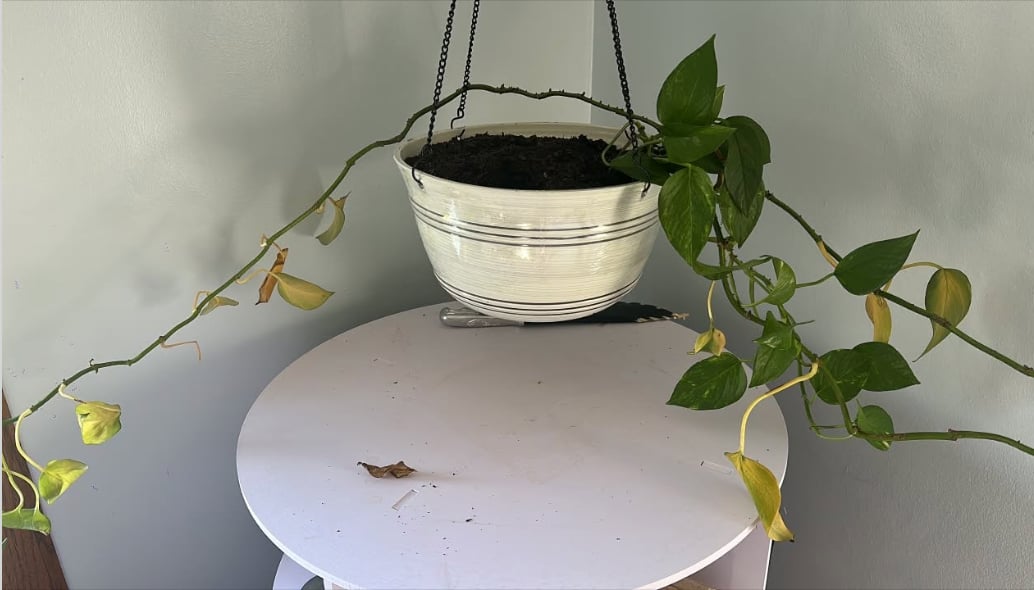
pothos (money plant)
Why are my pothos leaves turning yellow after repotting?
Those yellow leaves are most likely from stress after repotting plus soil that’s staying too wet. Check that the pot drains well, let the soil dry a bit between waterings, and trim off the worst yellow leaves.
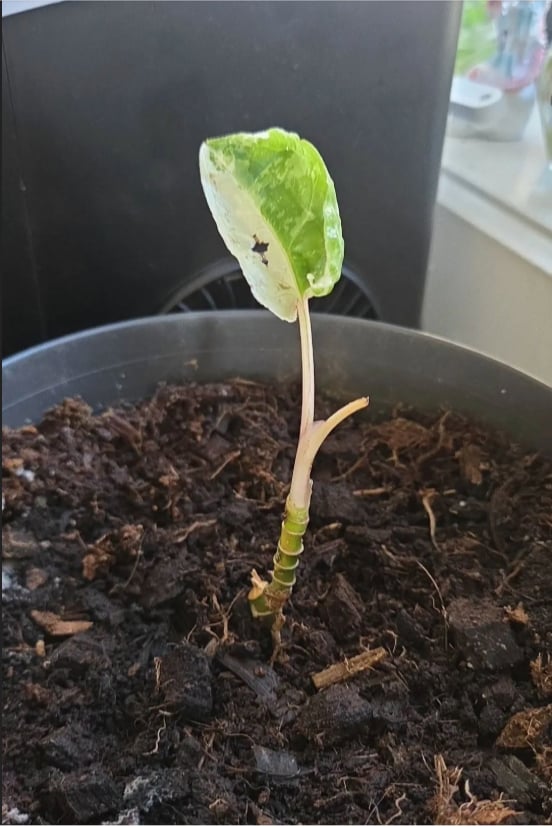
How can I identify this small cutting with only one damaged leaf?
From the photo, the plant is too small and damaged to confidently identify; it looks like a young aroid-type houseplant grown from a stem cutting. Let it grow a few new leaves and nodes, then compare leaf shape and growth habit for a more reliable ID.
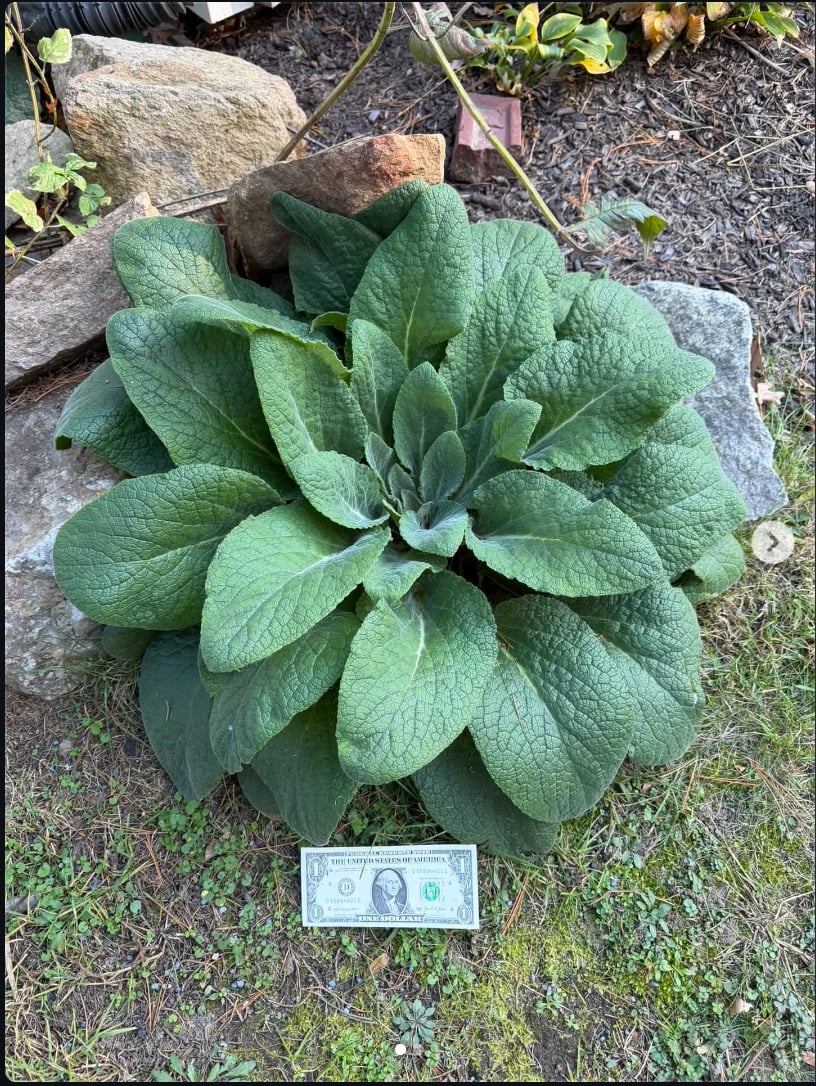
foxglove
What is this large rosette plant that popped up on its own?
This looks like a foxglove (Digitalis), growing in its first-year leaf rosette. It’s a pretty biennial flower, but every part of the plant is highly poisonous, so only keep it if it’s away from pets and children.
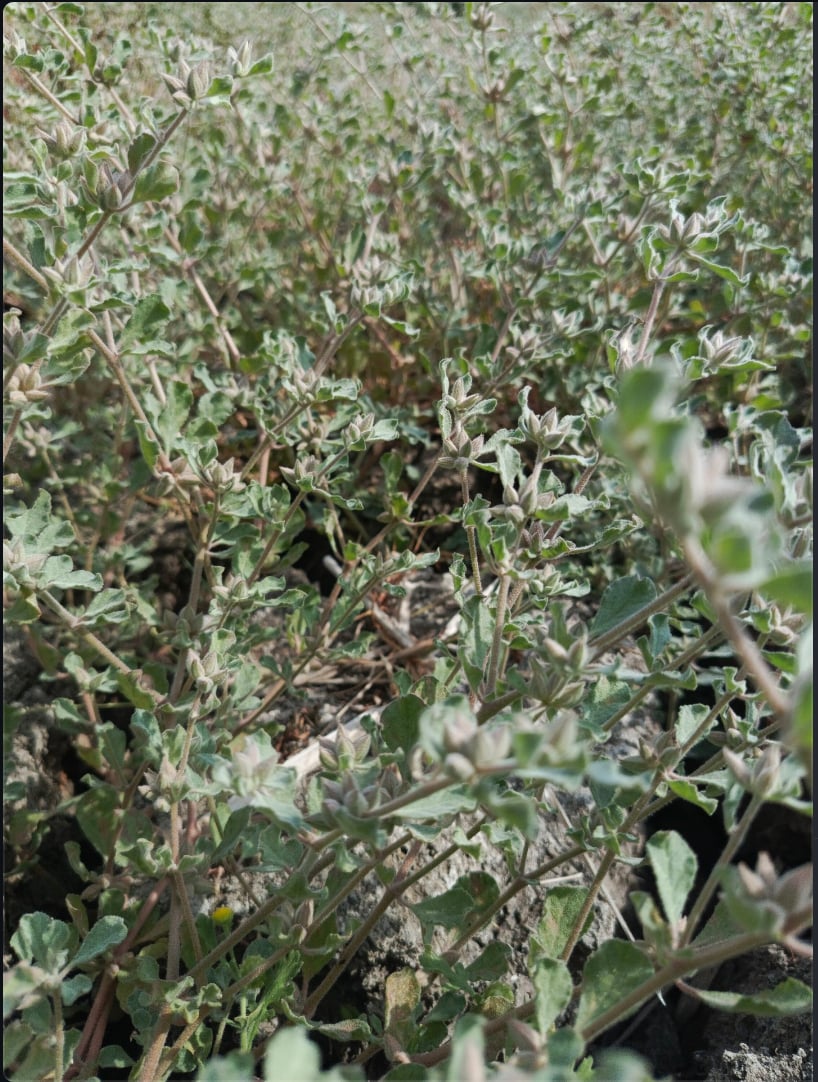
What is this low, grey‑green wild plant spreading over the ground?
From the photo it looks like a low, spreading wild herb with small grey‑green, slightly hairy leaves—likely a common weedy species, possibly in the mint family. A close, clear photo of a single stem, leaf arrangement, and flowers or seed pods is needed for a confident ID.
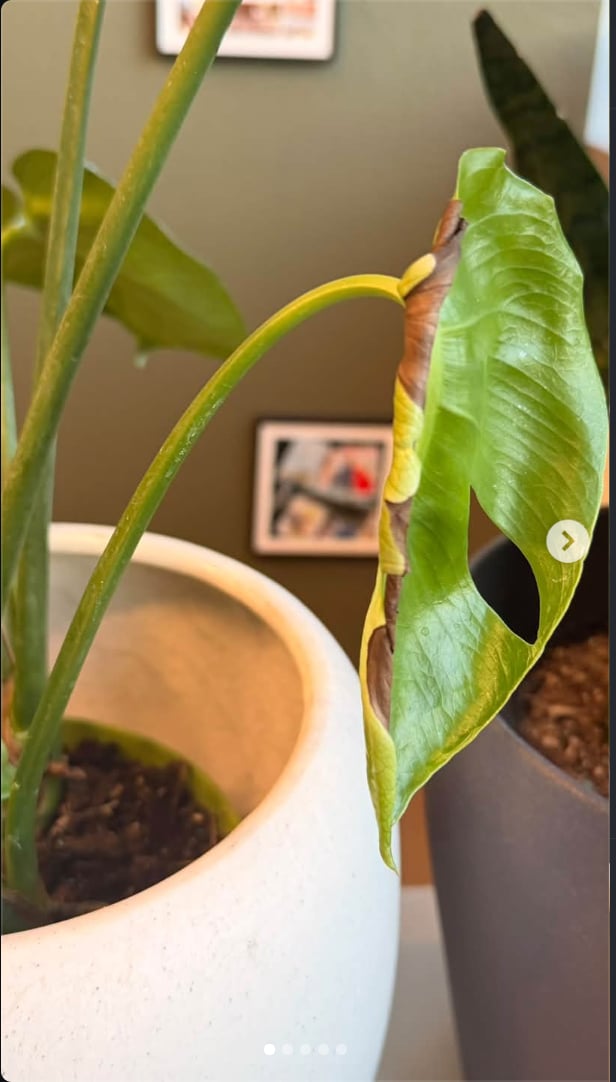
monstera
Why is my Monstera new leaf browning before it fully opens?
That brown edge on the new leaf is usually from stress while the leaf is still tightly rolled – most often low humidity, underwatering, or the leaf getting stuck and damaged. Check watering, light, and humidity, and focus on helping the next leaf grow in better.
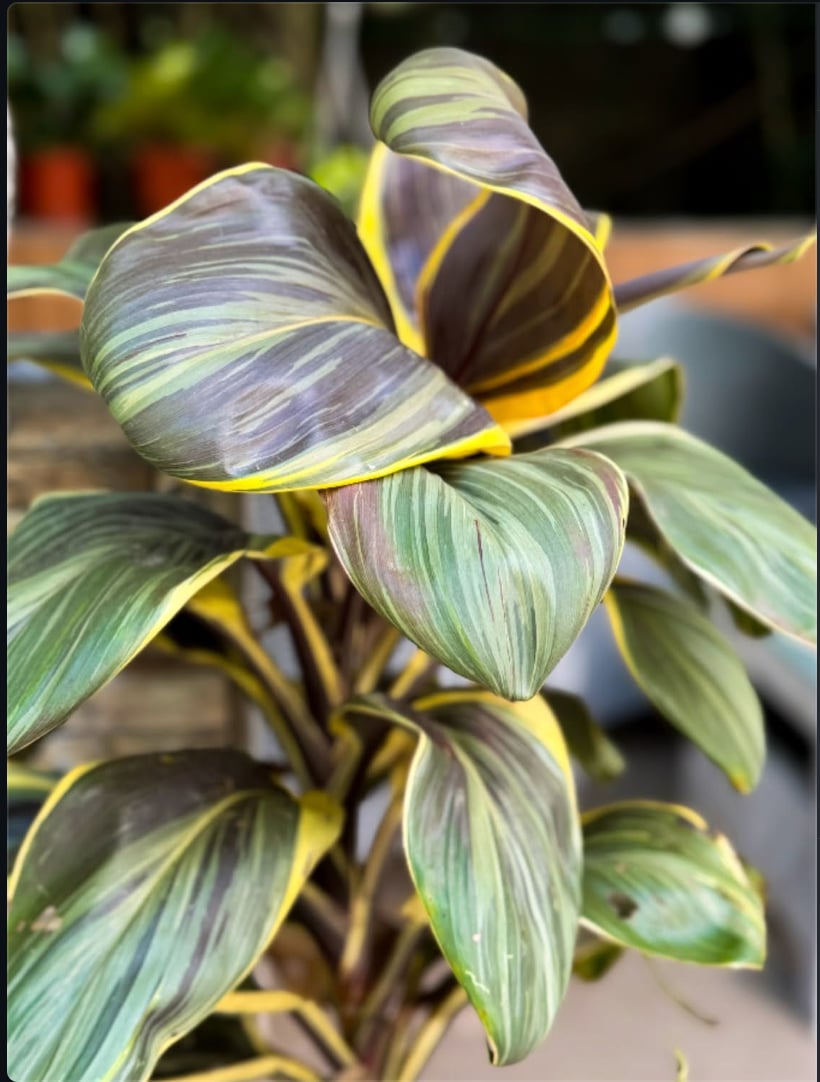
ti plant (Cordyline fruticosa, variegated cultivar)
What is this colorful, striped foliage plant with yellow-edged leaves?
This is a variegated ti plant, a Cordyline fruticosa cultivar grown for its colorful striped leaves. Treat it like a warm-climate ornamental: bright light, evenly moist soil, and protection from cold.
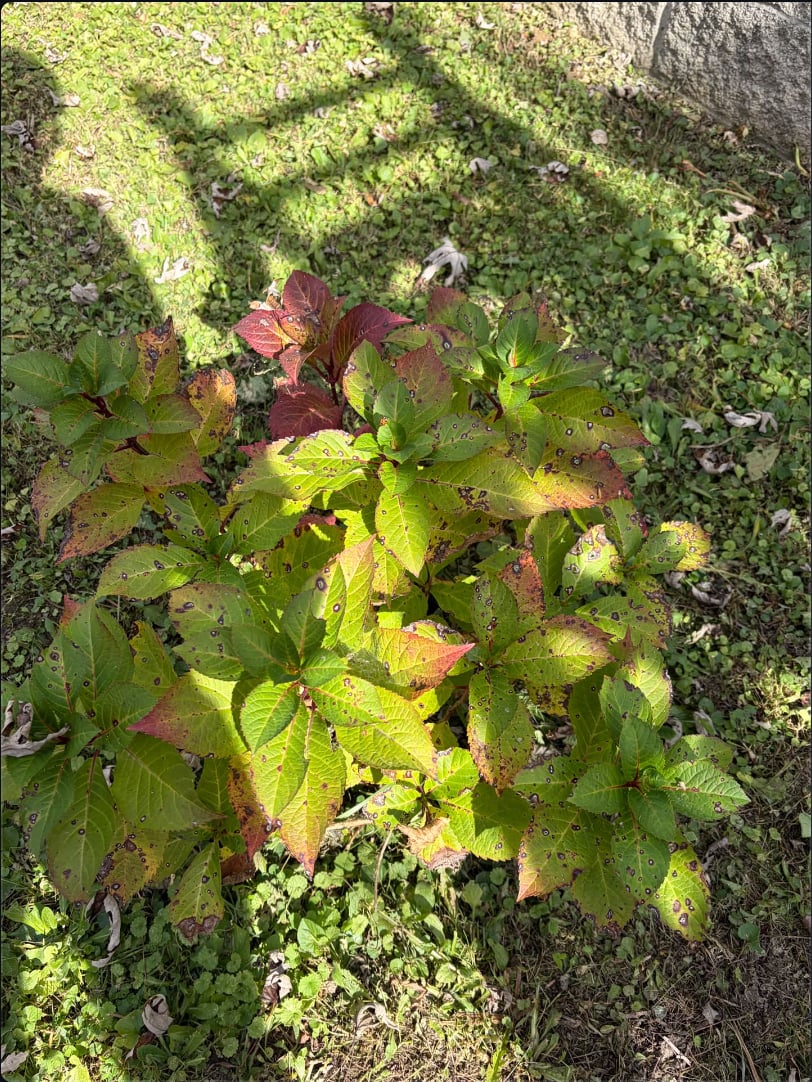
hydrangea
What is causing spots and discoloration on my hydrangea leaves?
The shrub has a leaf‑spot disease, most likely a fungal problem made worse by wet leaves and crowded growth. Remove the worst leaves, clean up fallen ones, and keep the plant drier and better ventilated; it usually clears up without harsh chemicals.
How do I know when my plants need watering?
Most plants should be watered when the top layer of soil has dried out, not on a fixed schedule. Check the soil with your finger, lift the pot to feel the weight, and watch the leaves for early signs of thirst like slight drooping or dullness.
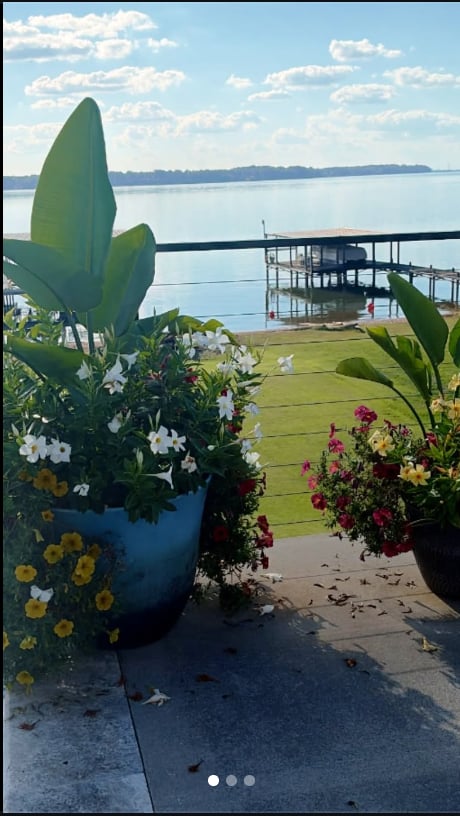
tropical canna or banana-type plant
How can I overwinter the tropical “palm” in my big patio pots?
That center “palm” can be saved, but it’s a tropical (not frost‑hardy), so you’ll need to lift it from the mixed pot before frost and keep it inside in bright light with much less water. The flowering trailers around it are usually treated as annuals and are hard to carry over.
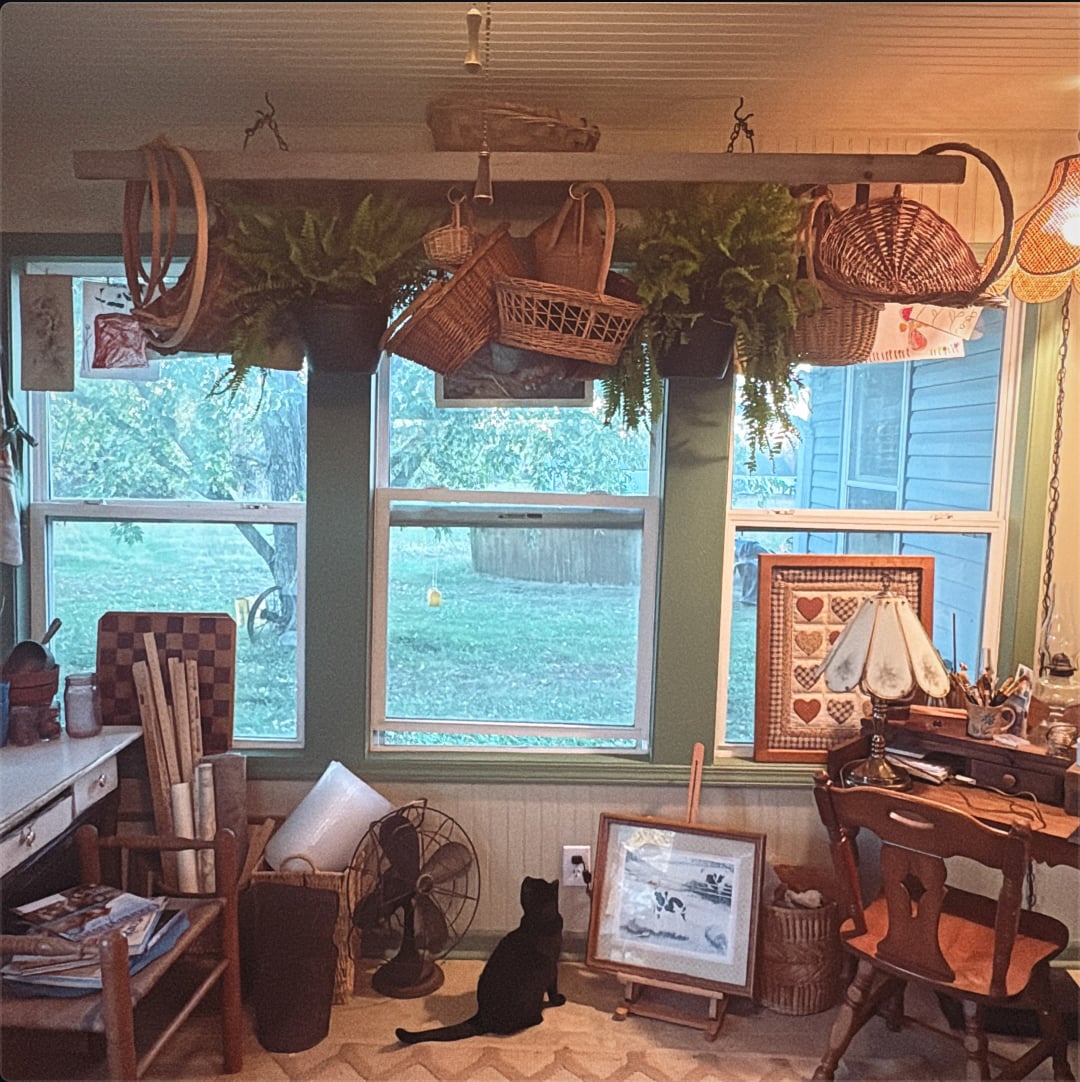
fern (likely Boston fern)
How do I overwinter hanging ferns in a bright sunroom?
That sunroom spot should work well if the ferns get bright but not harsh direct sun and the air isn’t too hot or dry. Indoors, water whenever the top of the soil just starts to feel dry, which is often about once a week but depends on your room’s temperature and humidity.
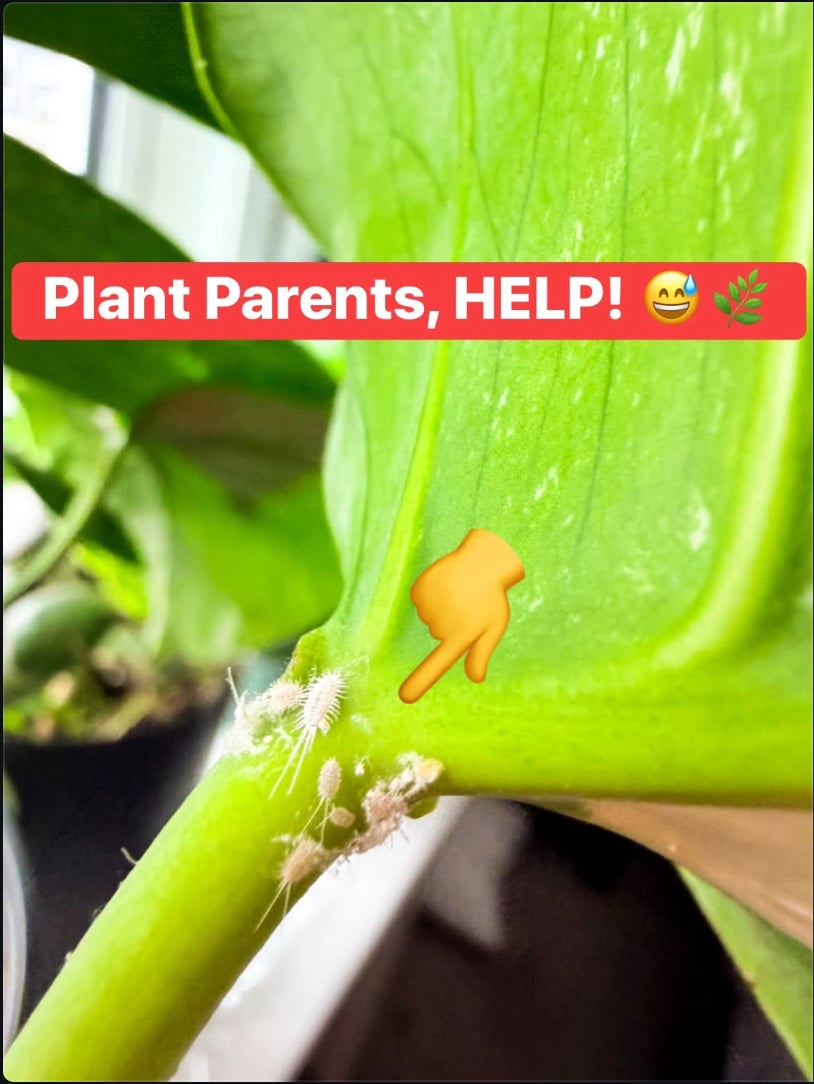
Are these white insects on my plant mealybugs and how do I get rid of them?
Those fluffy white insects in the leaf joint are mealybugs. Isolate the plant, wipe them off with cotton dipped in diluted rubbing alcohol, and repeat weekly, adding insecticidal soap or neem oil if they keep coming back.
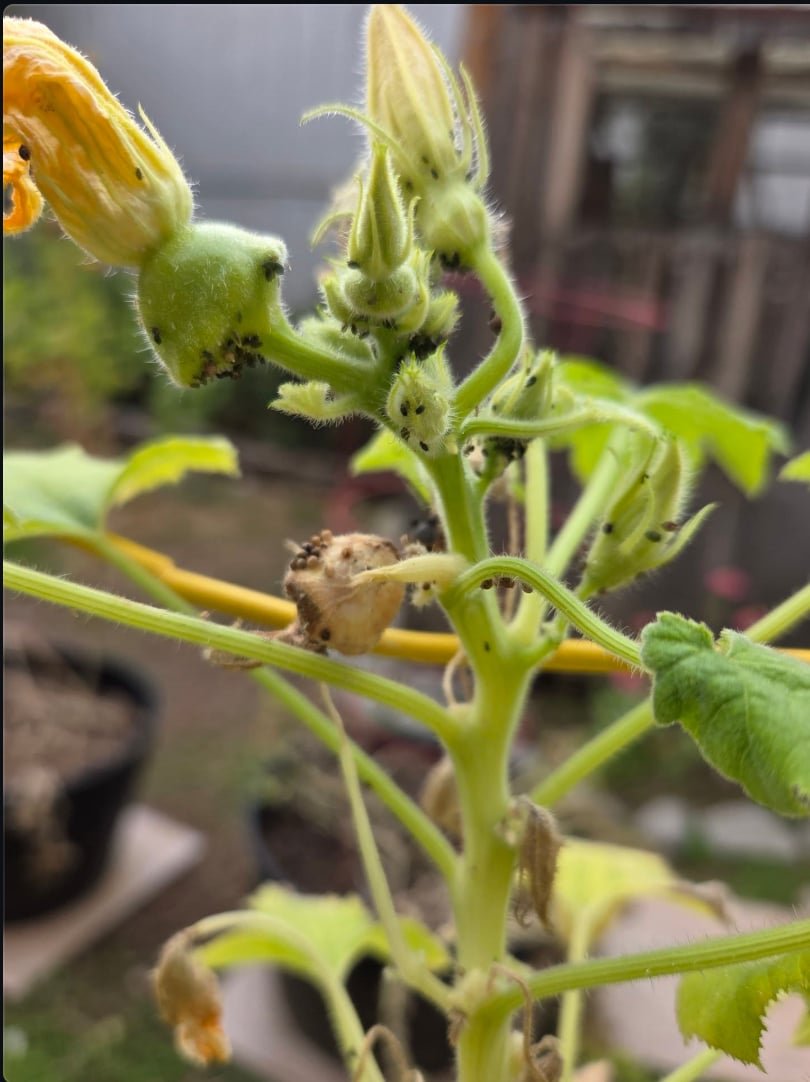
squash
What are the small black bugs on my squash flowers and stems?
Those tiny dark insects clustered on the buds and young stems are aphids. Rinse them off with a strong spray of water, then treat with insecticidal soap or neem oil if they keep coming back.
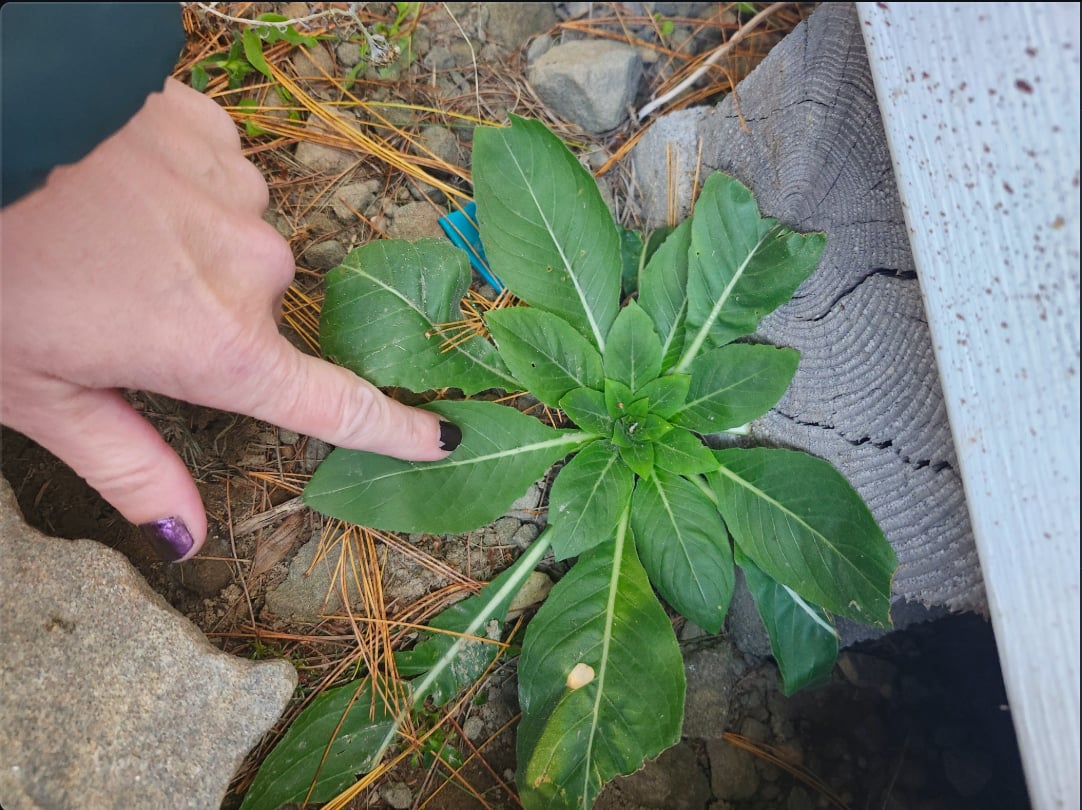
common evening primrose
What is this rosette weed with smooth green leaves in my yard?
This looks like a young common evening primrose (Oenothera biennis) growing as a basal rosette. Let it grow if you’d like tall yellow flowers later, or pull it now if you consider it a weed.
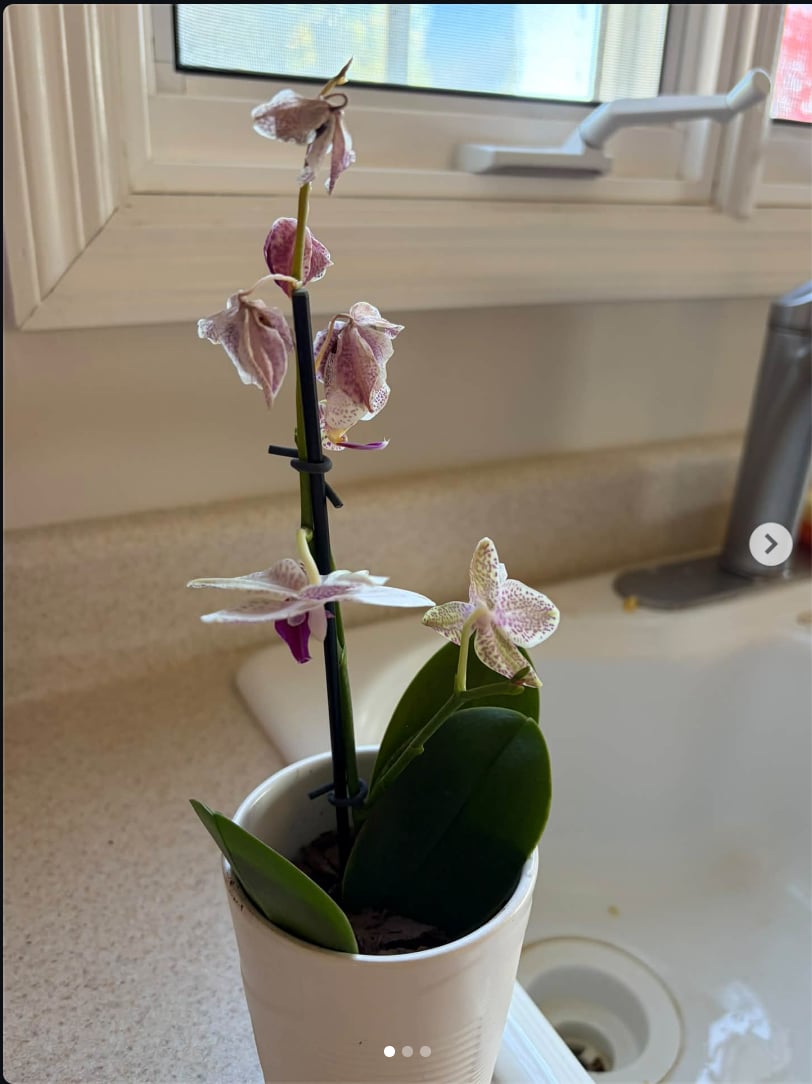
orchid, basil, croton
Can these orchid, basil, and croton plants be saved?
Yes, the orchid and croton are probably salvageable, but the herb in the black pot looks too dried out to recover. Check each plant’s stems and roots for green, firm tissue, trim off dead parts, repot if needed, and adjust light and watering so they can regrow.
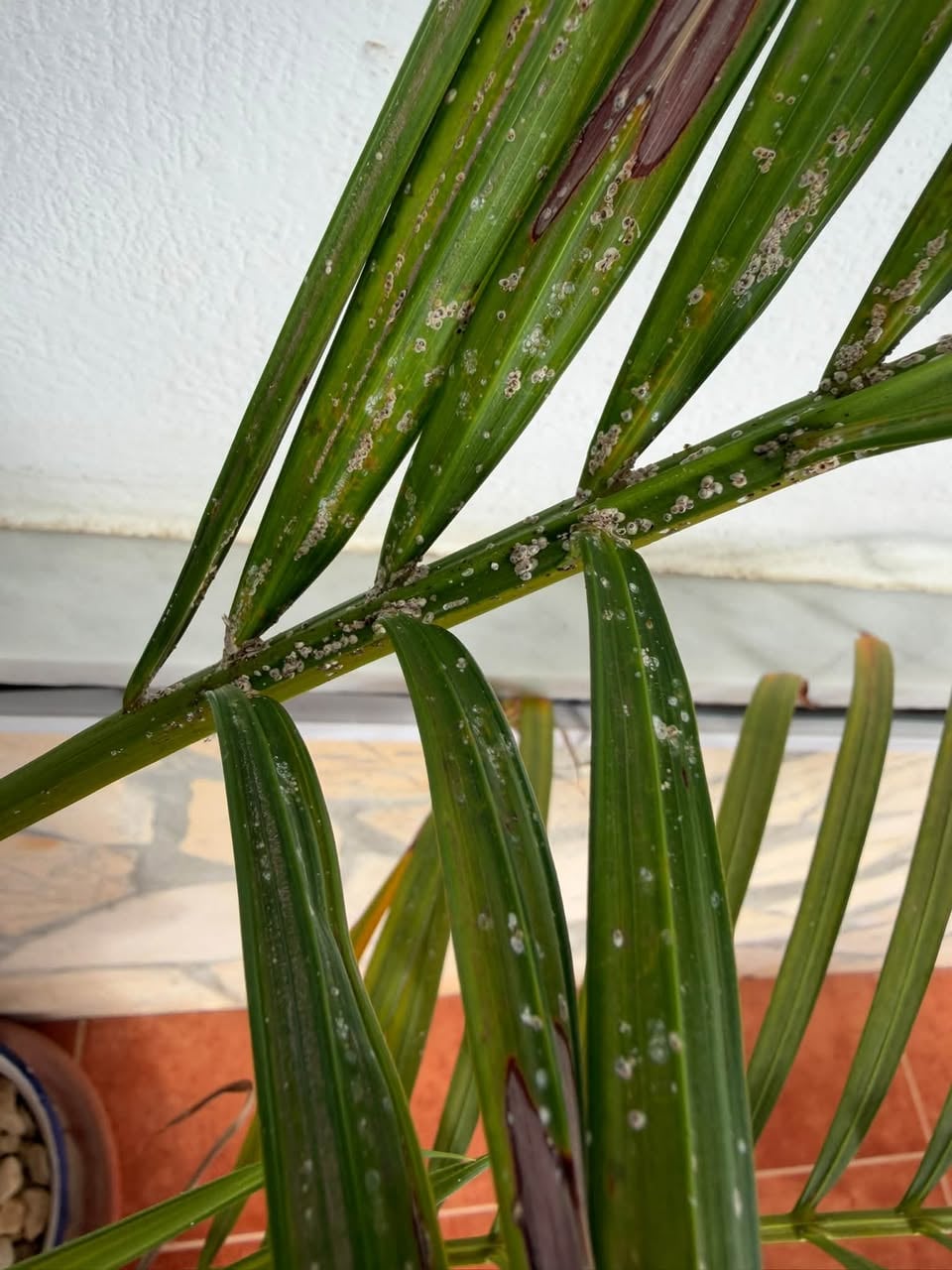
palm (likely an areca or similar)
What are the white bumps on my palm leaves and how do I treat them?
The plant is heavily infested with scale insects, which are sucking sap and weakening it. Start by physically wiping/scraping them off and then use repeated treatments with soapy water or horticultural oil until no new bumps appear.
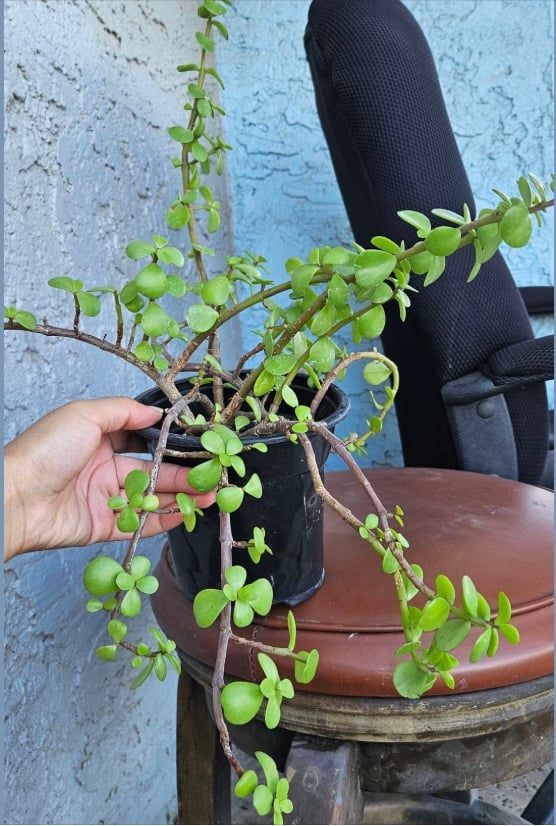
elephant bush
Why is my elephant bush (Portulacaria afra) droopy and losing leaves?
This elephant bush is most likely reacting to a change in light and watering, and it’s probably staying too wet in its current soil. Move it to brighter light, let it dry more between waterings, and consider repotting into a fast‑draining succulent mix.
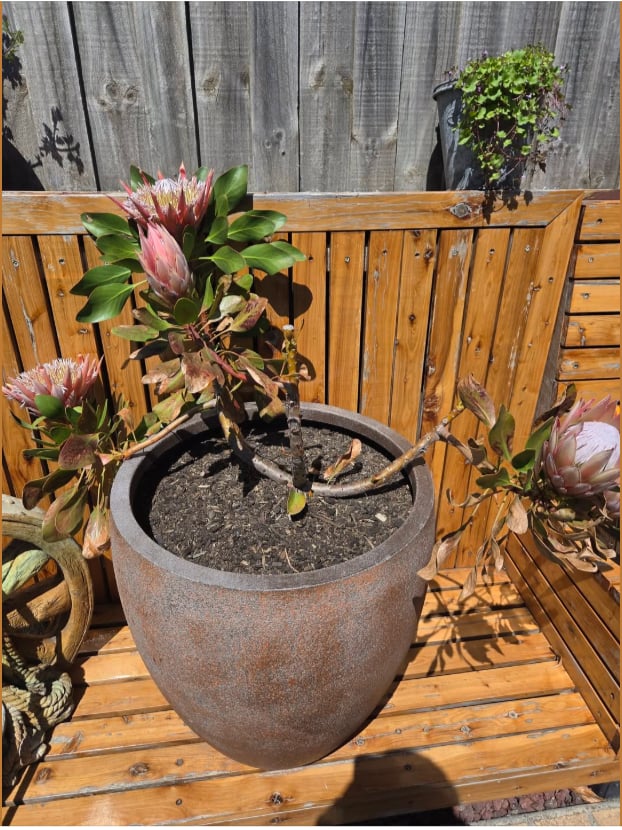
protea
How can I save my potted protea that is browning and sparse?
The protea in the photo is stressed, likely from a mix of poor drainage/over‑watering and an unsuitable potting mix. Trim back the dead stems, improve drainage, and refresh with a very free‑draining, low‑fertility mix, then water deeply but only when the top of the mix has dried out.
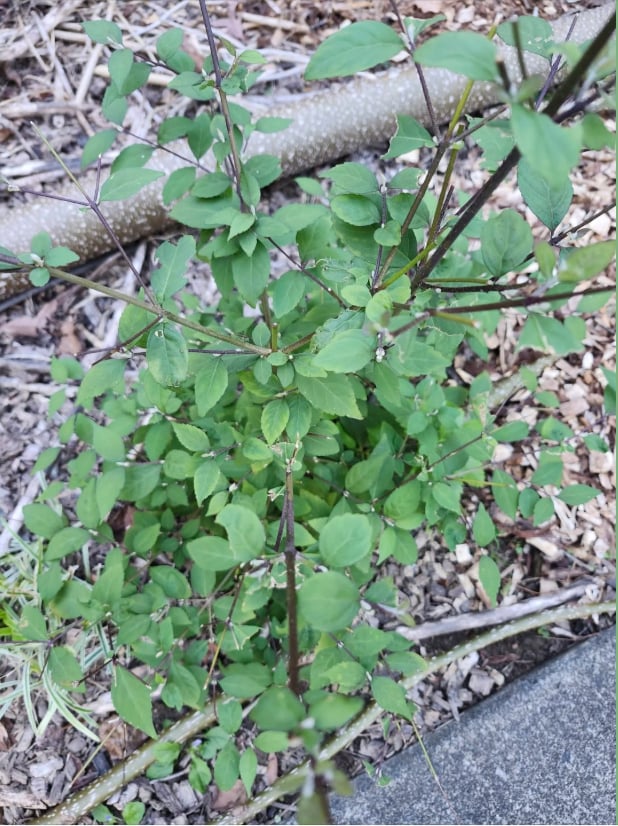
What is this volunteer shrub growing in my Durham, NC garden bed?
From the photo it looks like a young, weedy shrub rather than a desirable ornamental. In the Durham, NC area, seedlings of invasive shrubs like privet or bush honeysuckle commonly pop up like this, so it’s safest to treat it as a weed and remove it unless you positively identify it with flowers or fruit.
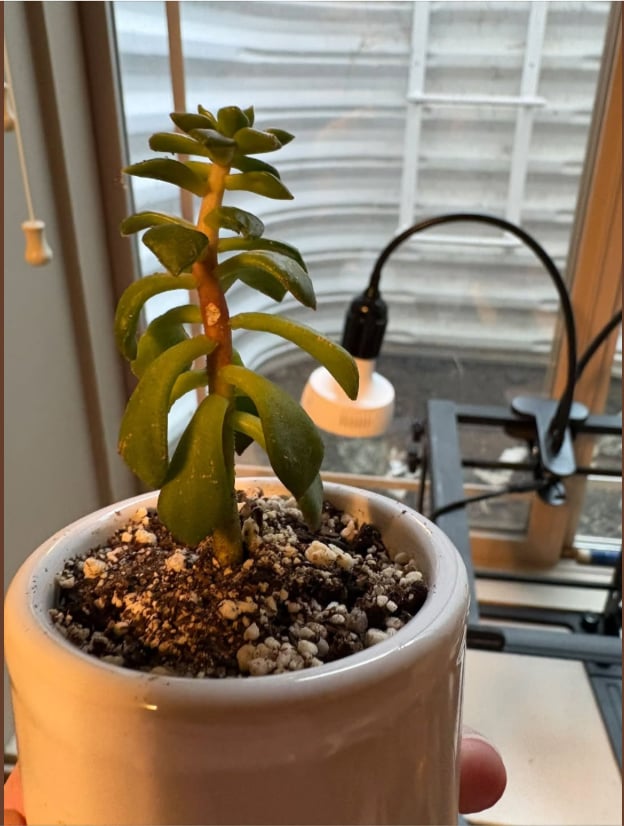
succulent
Is the red color on my succulent stem a sign of root rot?
That reddish stem alone doesn’t look like root rot; many succulents get red tones from light or age. Check the roots and the base of the stem for mushy, dark, smelly tissue and make sure the pot drains well to be safe.
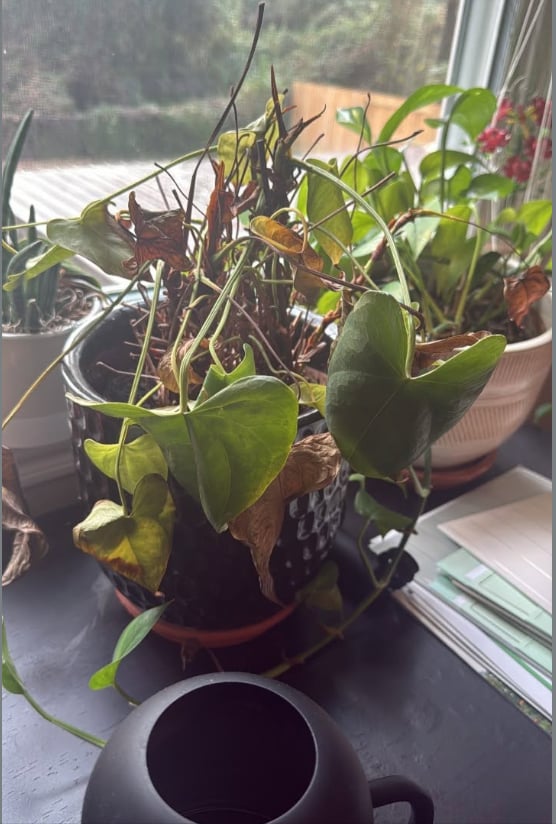
heartleaf philodendron
What is wrong with my heartleaf philodendron with yellow, crispy leaves?
The plant looks badly stressed from a mix of underwatering and an old, crowded root system, so many of the old vines have died back. Start by pruning all dead growth, checking the roots, and repotting into fresh, well‑draining soil, then water regularly but not constantly soggy.
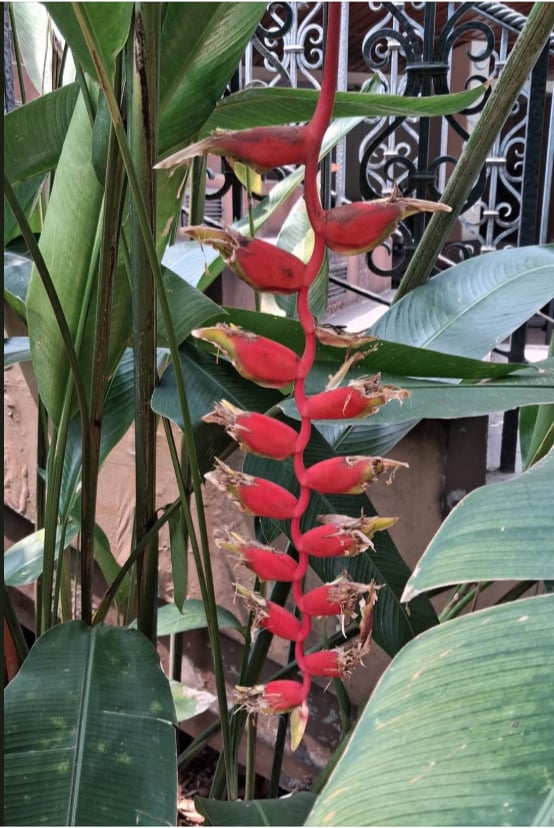
lobster claw heliconia
What is this tropical plant with red hanging claw-like flowers?
This is a Heliconia, commonly called lobster claw or false bird of paradise. It’s a tropical ornamental that loves warmth, bright light, and consistently moist soil.
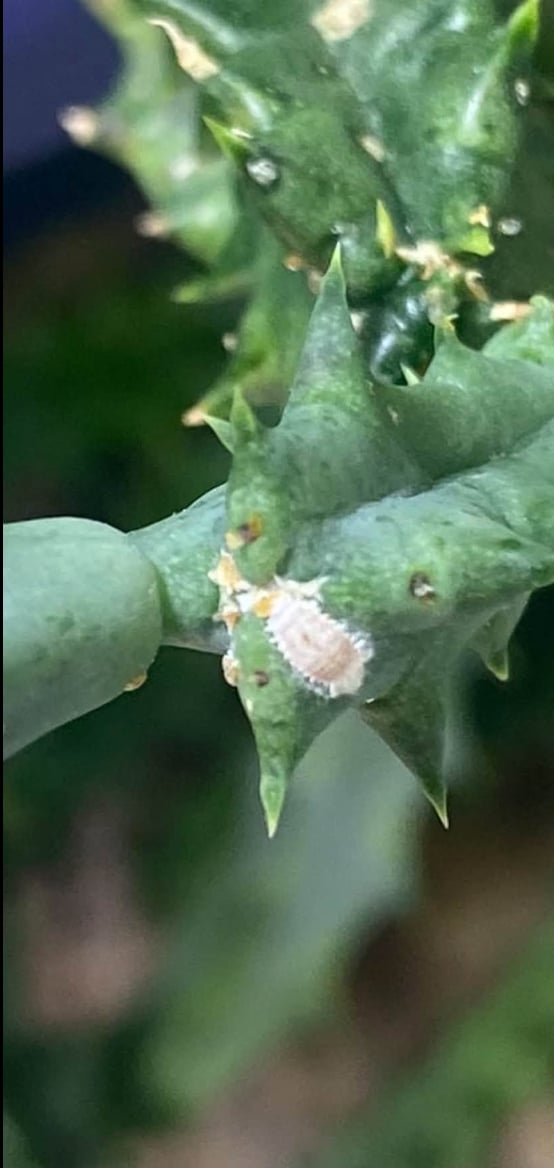
mealybugs
What are the white bugs on my indoor succulent and will soap kill them?
Those white, fuzzy ovals are mealybugs (a type of sap‑sucking insect). Isolate the plant, wipe them off with cotton dipped in rubbing alcohol, then follow up with a gentle soapy or insecticidal soap spray repeated weekly until they’re gone.
mint
How can I keep my mint plant alive indoors over winter?
Mint can survive indoors over winter with strong light, regular watering, and occasional trimming; a simple LED grow light or the sunniest window you have is usually enough.
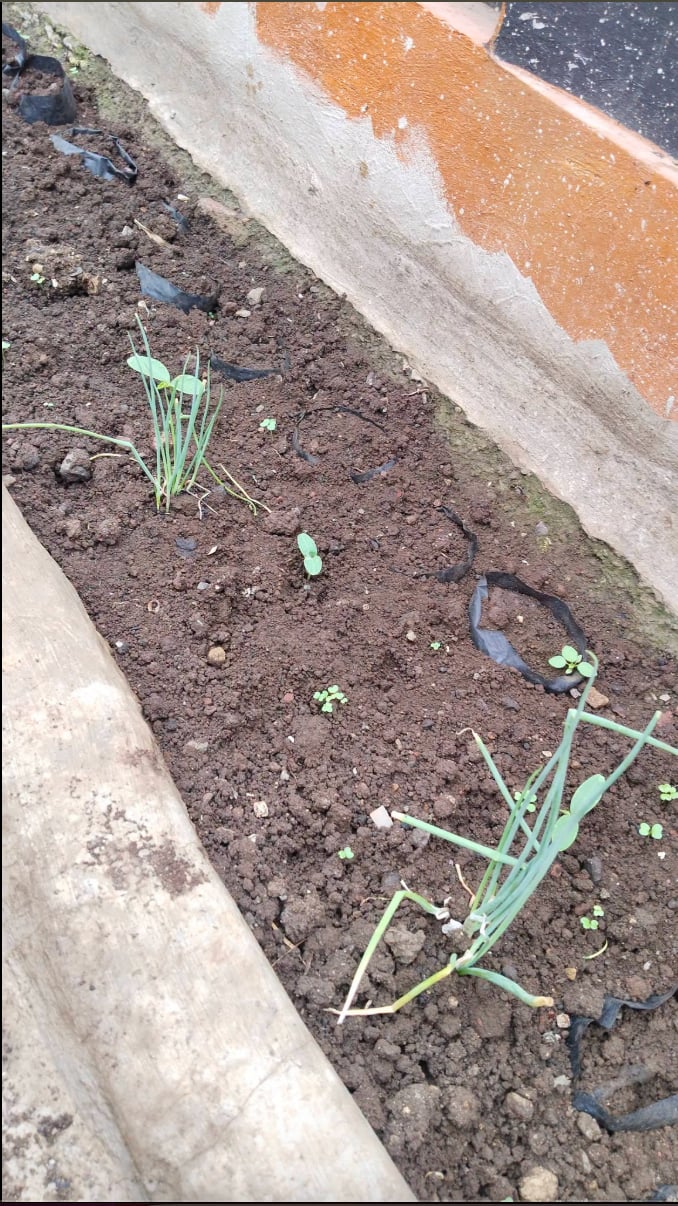
spring onion
Why are my spring onion plants so thin and spindly?
Spring onions stay thin when they don’t get enough light or food, or when they’re stressed by poor soil and uneven watering. Give them full sun, richer soil with added compost or fertilizer, and steady moisture and they’ll start to thicken up as they grow new leaves.
What should I do when my plant leaves get brown spots?
Brown spots usually come from either watering issues, sunburn, pests, or a fungal disease. First, check the pattern of the spots, how you water, and look closely for insects, then remove the worst leaves and adjust care.
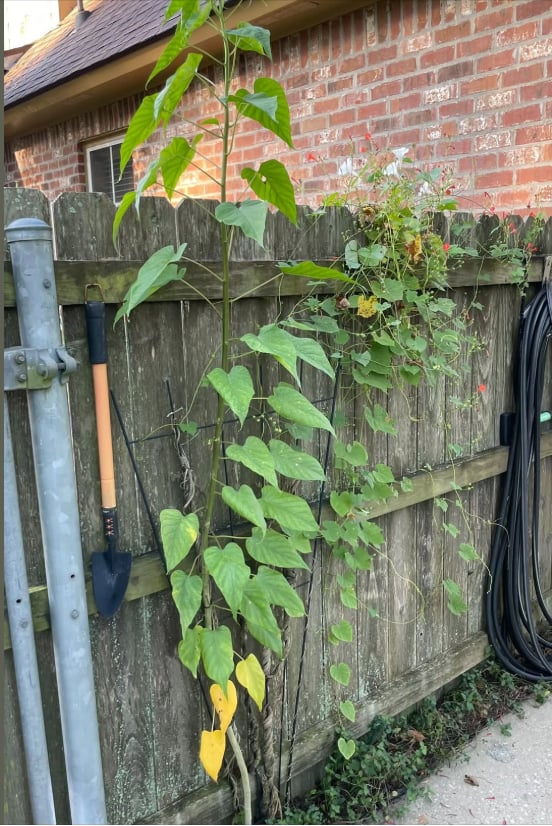
morning glory vine
What is the name of this volunteer vine on my fence?
This looks like a volunteer morning glory vine (Ipomoea species), a common self‑seeding climber. Let it grow if you like flowering vines, but pull it out early if you don’t want it to spread.
How often should I fertilize plants grown in pots, and what should I use?
Potted plants usually need light, regular feeding because nutrients wash out faster than in the ground. Start with a balanced, water‑soluble or slow‑release fertilizer at half strength every 2–4 weeks in the growing season, and always follow the label.
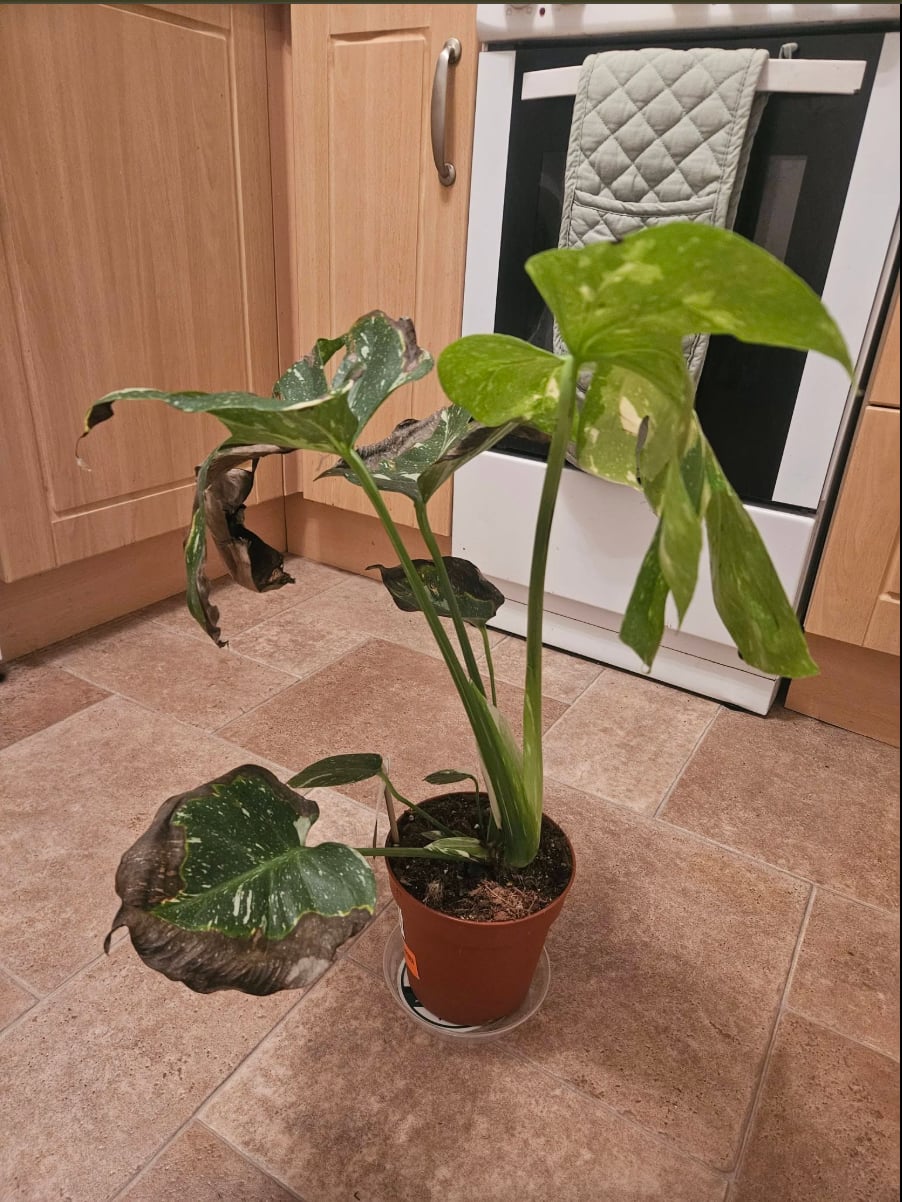
variegated monstera
What should I do with my new variegated Monstera with browned leaves?
Those badly browned leaves are old damage, not a disease. You can safely cut off the worst ones and let the plant settle in its pot for a few weeks, only repotting if it’s very rootbound.
How often should I water my houseplants?
There’s no one right schedule for all plants. Instead of watering once a week by habit, check the soil and water only when the top layer has dried to the level your specific plant prefers.
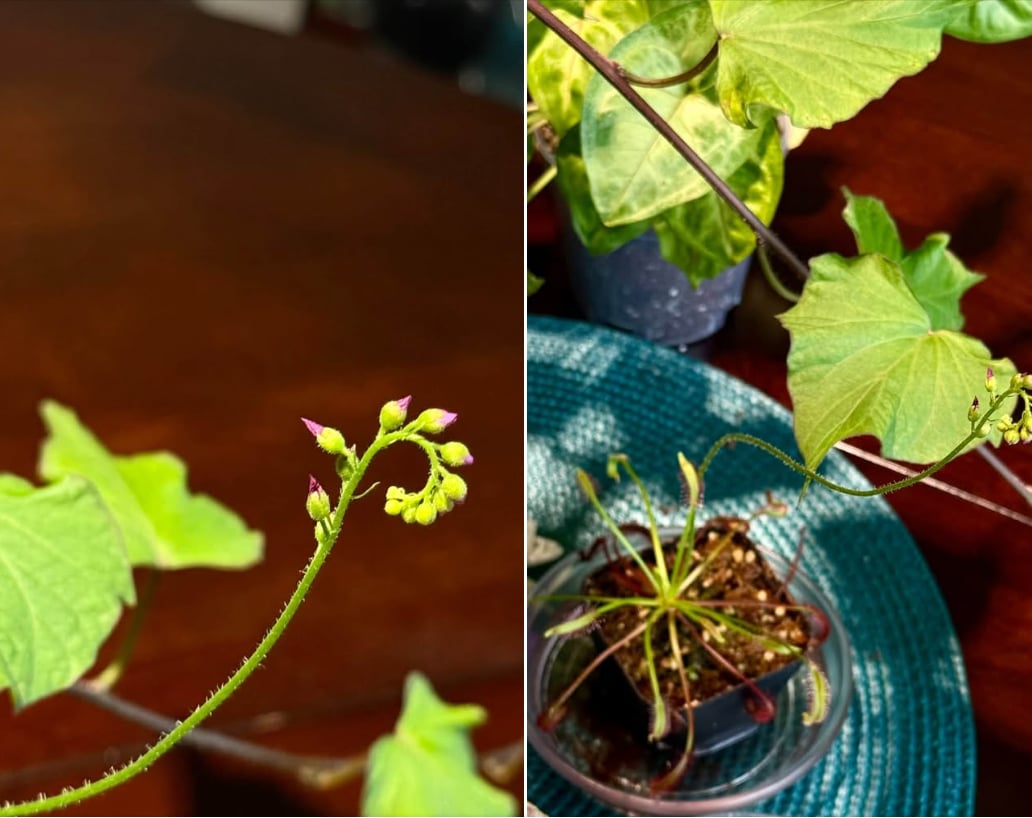
sundew
Why aren’t my sundew flower buds opening?
Those look like sundew flower buds that are stalled because the plant is a bit stressed or not getting quite enough light/energy. Improve light and growing conditions and the next flower stalks should open normally.
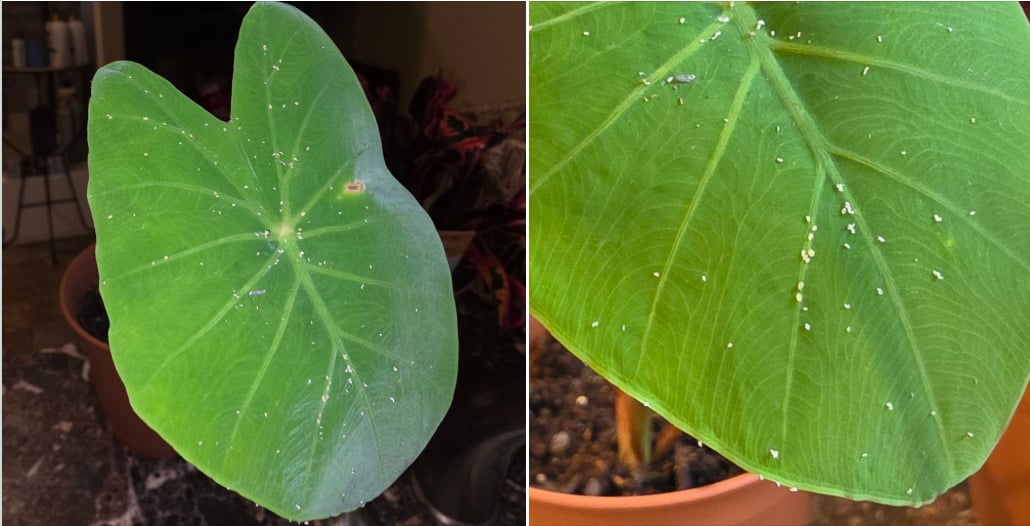
elephant ear
What are the white bugs on my elephant ear leaves and how do I get rid of them?
Those white specks are almost certainly sap‑sucking pests like mealybugs or soft scale that came home with the new plant. Isolate the plant, wipe every leaf with soapy water or alcohol, and repeat regularly until you don’t see any more.
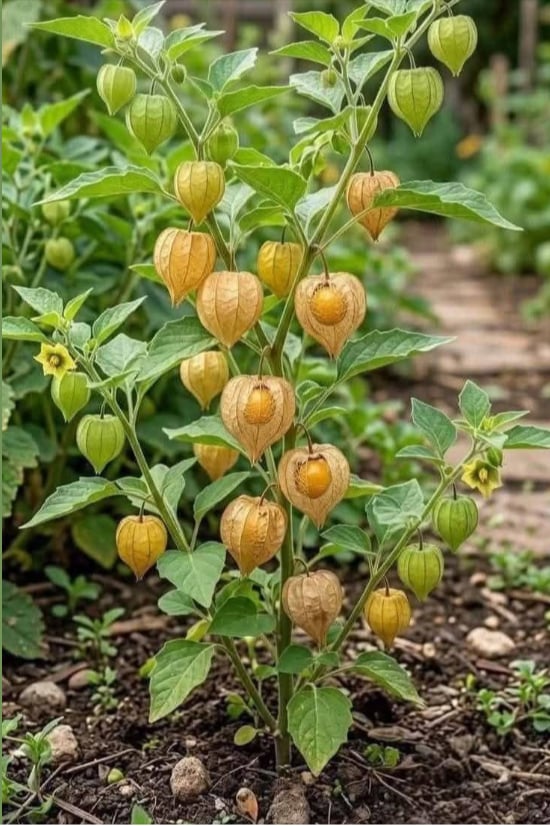
cape gooseberry
What is the name of this plant with papery lantern-like fruits?
This plant is a Cape gooseberry (Physalis peruviana), also called ground cherry or rasbhari in many places. It’s a small fruiting plant with edible orange berries inside papery lantern-like husks.
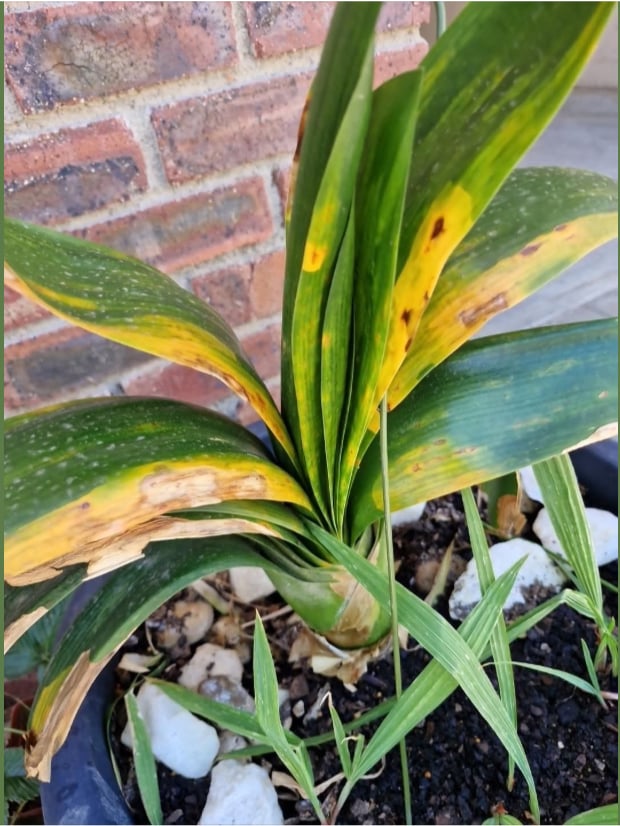
clivia
Why are my clivia leaves turning yellow with brown patches?
Those yellow leaves with crispy brown patches are most likely from stress: too much direct sun and/or watering issues causing leaf burn and weak roots. Move it to bright shade, adjust watering, and remove the worst damaged leaves so new healthy growth can replace them.
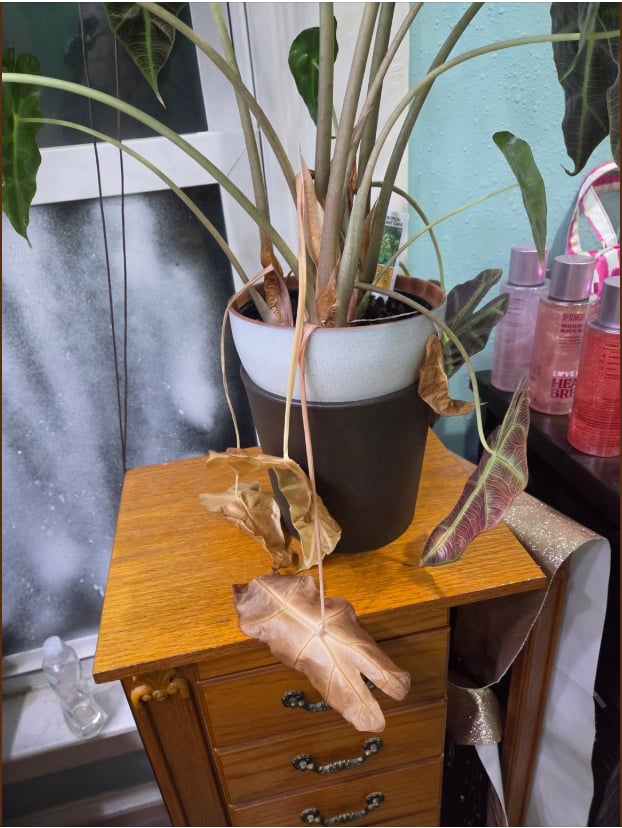
Alocasia (African mask/Polly type)
Why are the leaves on my Alocasia always drying up even though soil stays wet?
The soil staying constantly wet is likely causing root rot, so the plant can’t take up water and the leaves dry and die. Let the soil dry out between waterings, check for drainage holes, and repot into a well‑draining mix if the roots look mushy or black.
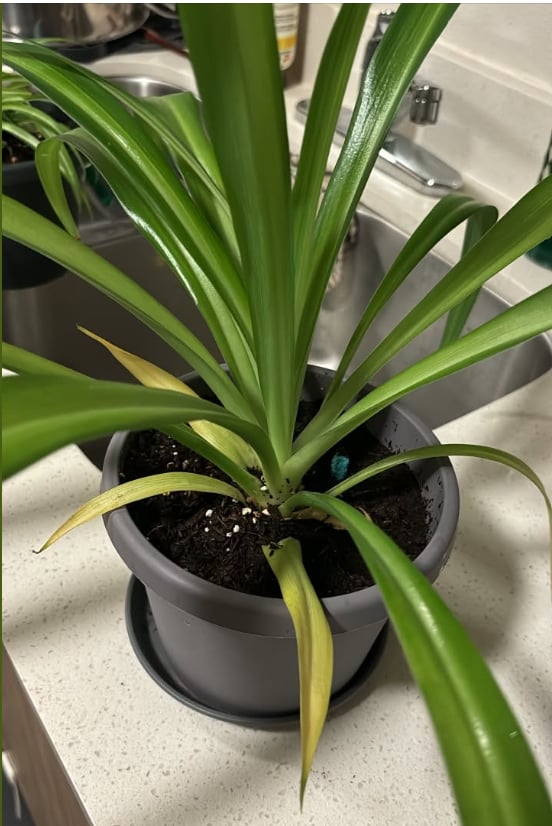
clivia
Why are the lower leaves on my clivia turning yellow?
The oldest leaves at the bottom are yellowing from either normal aging plus a bit of stress, usually from staying too wet on a windowsill. Let the top of the soil dry before watering again, empty the saucer, and remove the fully yellow leaves.
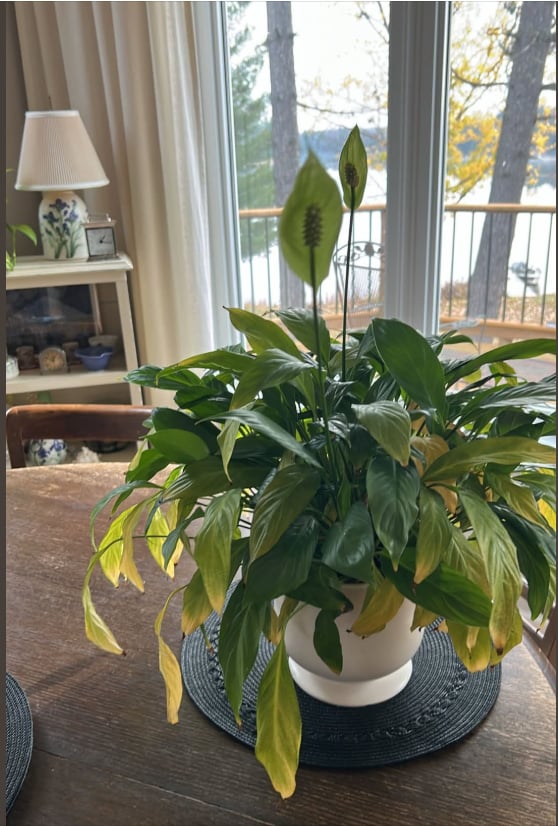
peace lily
Why are the leaves on my peace lily turning yellow?
This is a peace lily, and the yellow, droopy lower leaves are usually from watering problems—most often the roots staying too wet in a pot with poor drainage. Check for a drainage hole, let excess water run out, trim the worst leaves, and adjust watering so the top of the soil dries slightly between waterings.
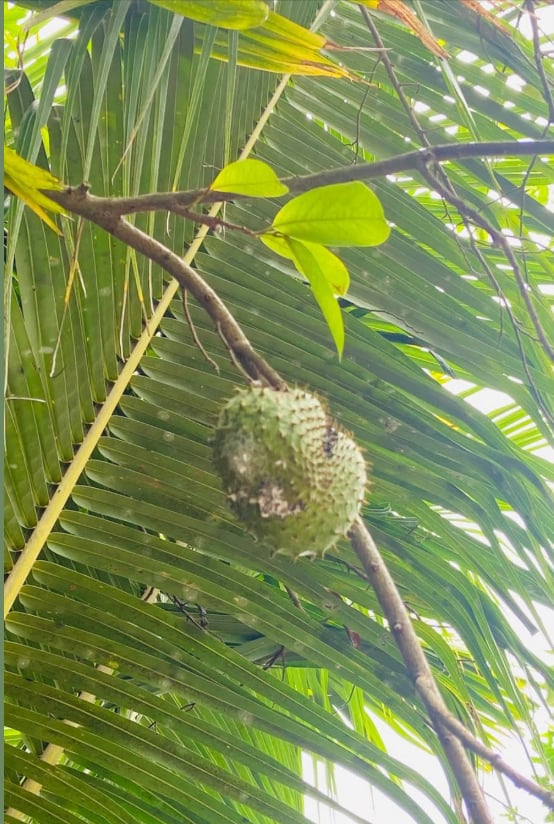
soursop
What plant has this green spiky hanging fruit?
The plant is a soursop tree (Annona muricata), a tropical fruit tree with soft, spiky green fruits. Let the fruit grow until it becomes slightly soft and the spines flatten a bit before harvesting.
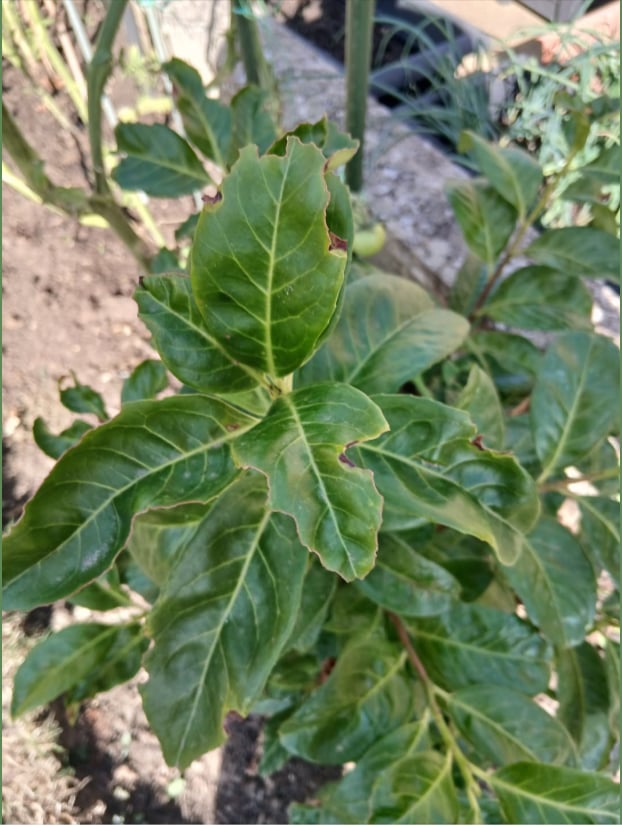
What is this unknown garden plant with glossy, lobed green leaves?
From the photo alone it’s hard to confidently give a precise ID, as many young shrubs and perennials have similar glossy, lobed leaves. Let it grow a bit and watch for flowers, fruits, or any thorns, and take clearer photos of the whole plant and stem to narrow it down.
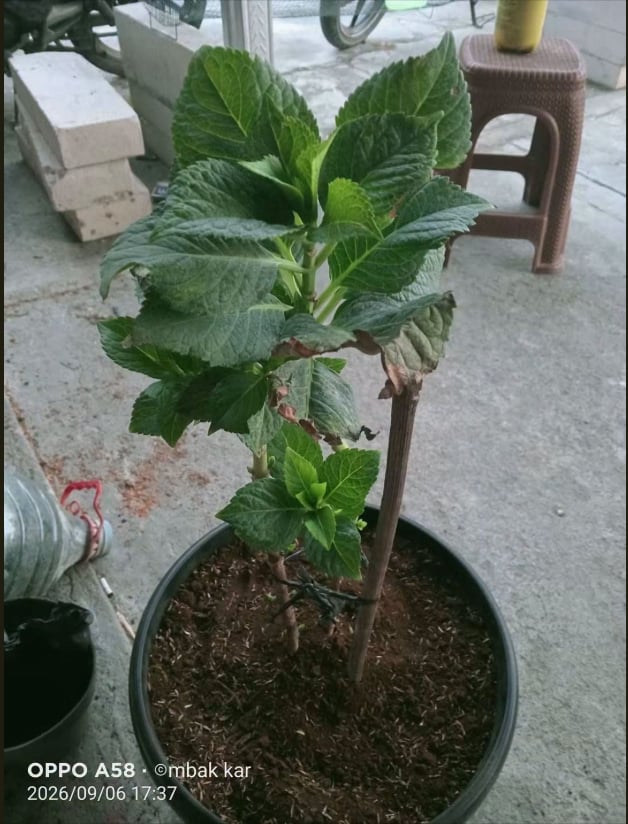
hydrangea
Why is my five-colored hydrangea not blooming in a pot?
This hydrangea looks healthy but is likely missing the right light or has had its flower buds pruned off. Give it bright morning sun, avoid heavy pruning, and use a bloom fertilizer lower in nitrogen to encourage flowers.
ZZ plant
How often should I water my ZZ plant in warmer months?
In warm months, most ZZ plants need watering about every 2–3 weeks, but always check the soil—only water when the top half of the pot is completely dry.
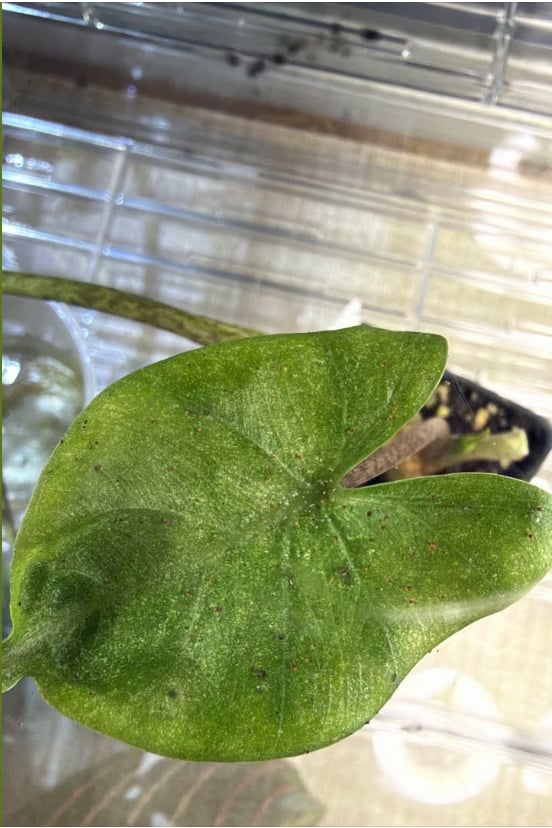
What are the tiny red-brown specks on my new plant leaves?
Those tiny red‑brown specks and the dusty, faded look on the leaf are very likely spider mites. Keep the plant in quarantine, check the undersides of leaves with a magnifying glass, and start treating with a gentle wash and repeated insecticidal soap or neem spray.
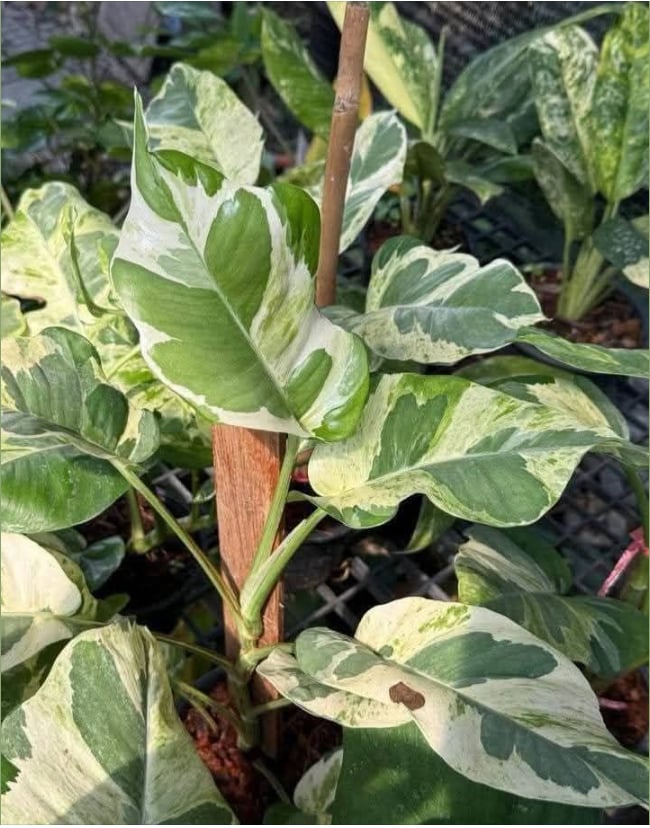
variegated philodendron
What is this green and white variegated climbing plant?
This looks like a variegated philodendron, often sold under names like Philodendron ‘White Wizard’ or similar white‑variegated philodendron types. Treat it like a typical climbing philodendron: bright indirect light, regular but not soggy watering, and support to climb.
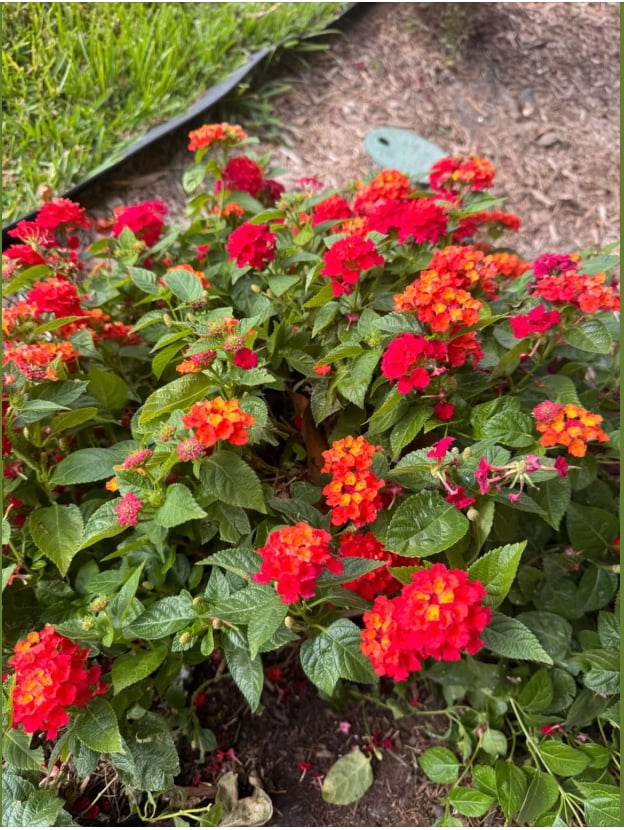
lantana
How do I get mealybugs out of my outdoor flower beds?
Mealybugs don’t really live freely in garden soil; they survive on plant roots and stems, so the key is to treat the plants (and any ant activity) thoroughly and repeatedly. Start by cutting back the worst‑infested growth, washing plants hard with water, then using a soapy spray or horticultural oil every 5–7 days until you see no new bugs.
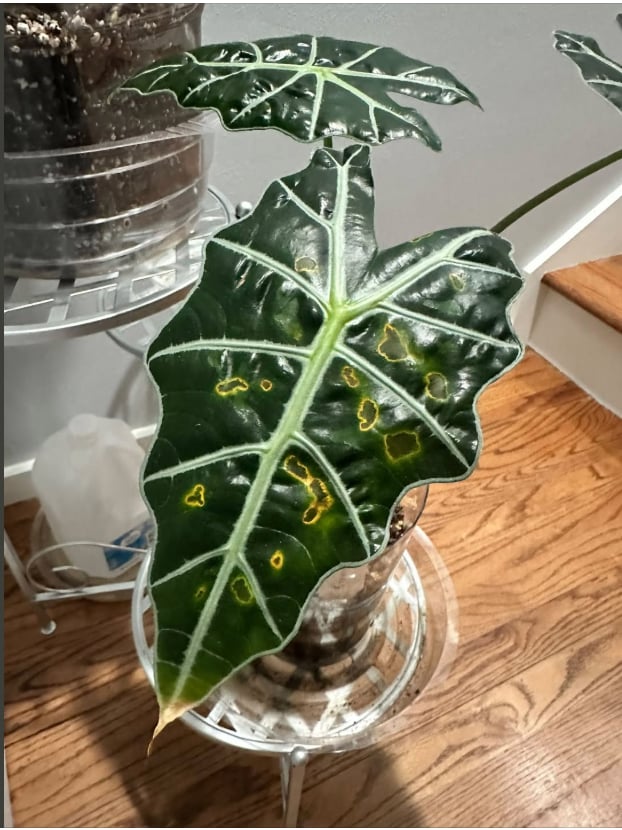
Alocasia (African mask)
What are the yellow-edged spots on my Alocasia (African mask) leaves?
Those yellow-rimmed brown spots are most likely a leaf spot issue, often from moisture staying on the leaves or a stressed, overwatered Alocasia. Remove the worst leaf, keep the foliage dry, and adjust watering and airflow so it doesn’t spread.
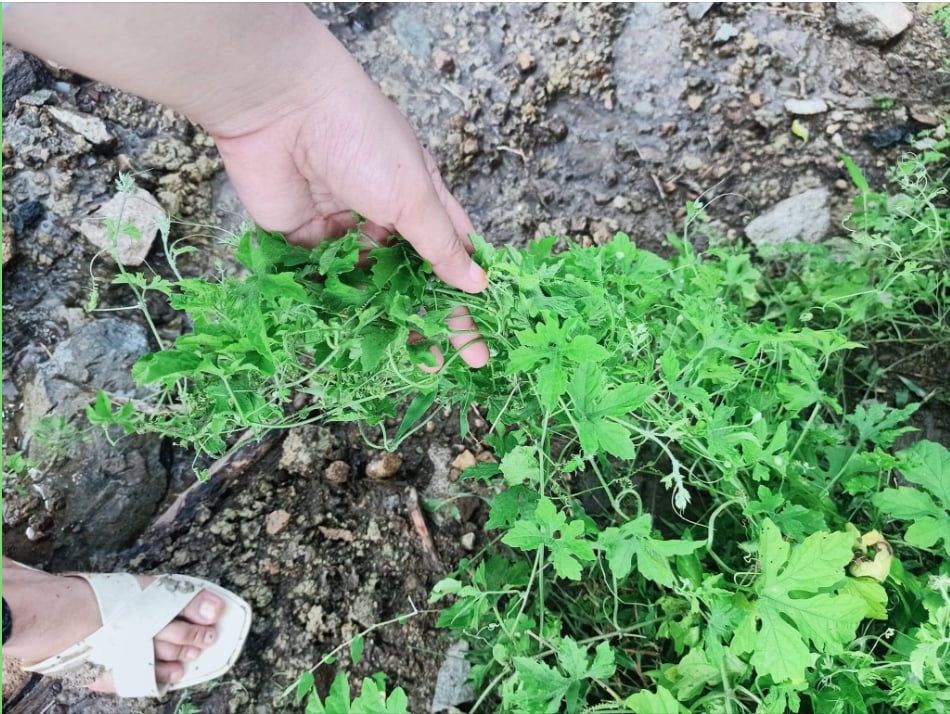
bitter gourd
What is this vining plant with deeply lobed leaves (looks like bitter gourd)?
From the leaf shape and the thin climbing vines, this looks very much like wild bitter gourd (Momordica charantia), a cucurbit relative of cucumber and pumpkin. Let a few flowers or fruits form to confirm the ID before eating it.
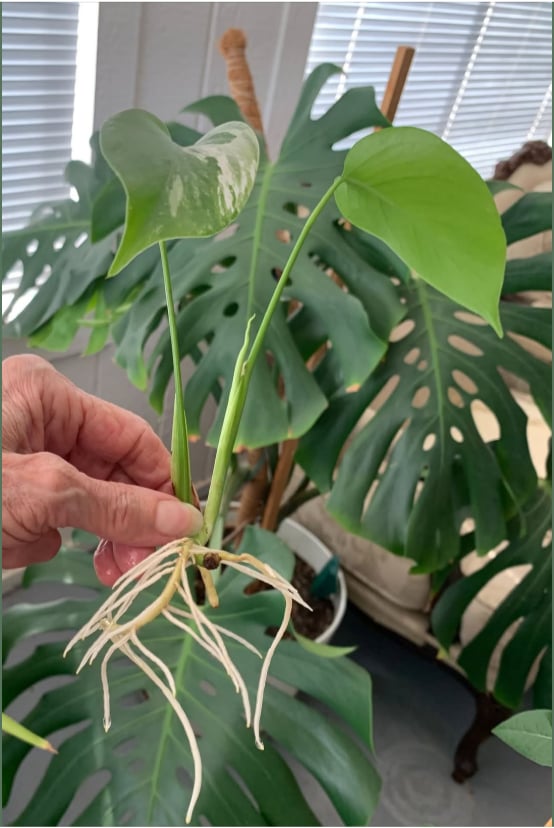
monstera
When should I move my rooted Monstera cutting from water to soil?
Those roots look ready for soil now. Pot it up in a chunky, lightly moist mix and keep it evenly barely-damp while it adjusts.
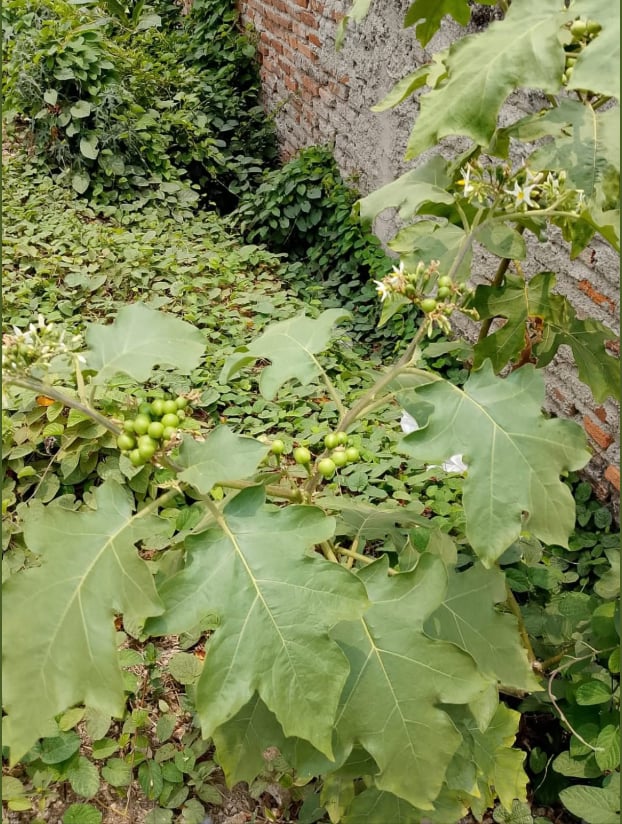
turkey berry (pea eggplant)
What plant is this with clusters of small green berries and large lobed leaves?
This looks like turkey berry (Solanum torvum), also called pea eggplant. It’s a wild relative of eggplant that makes clusters of small green berries often used in cooking when fully developed and cooked, but the plant and raw fruits are mildly toxic, so don’t eat it unless you’re sure and know how it’s prepared locally.
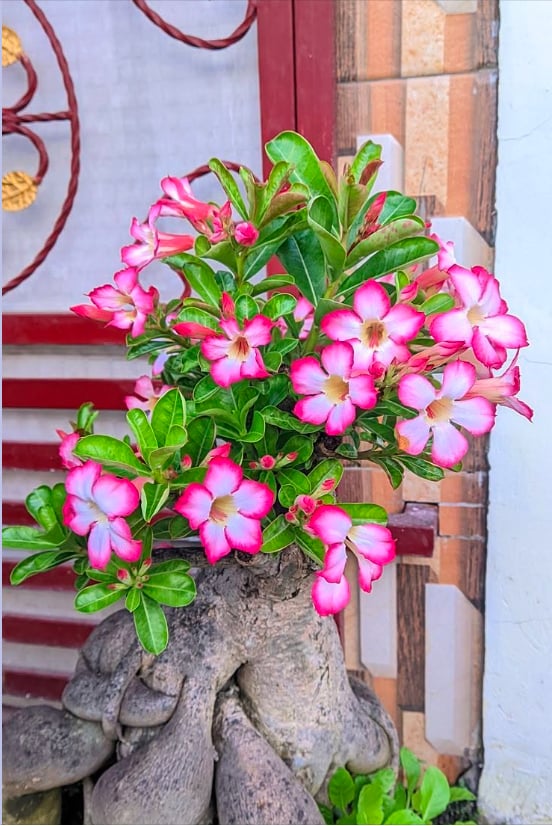
desert rose
Why has my desert rose stopped blooming?
Desert rose usually stops blooming from lack of strong sun, too much regular watering, or low nutrients—not from heat alone. Let the soil dry well between waterings, give it full sun, and feed lightly with a bloom‑boosting fertilizer.
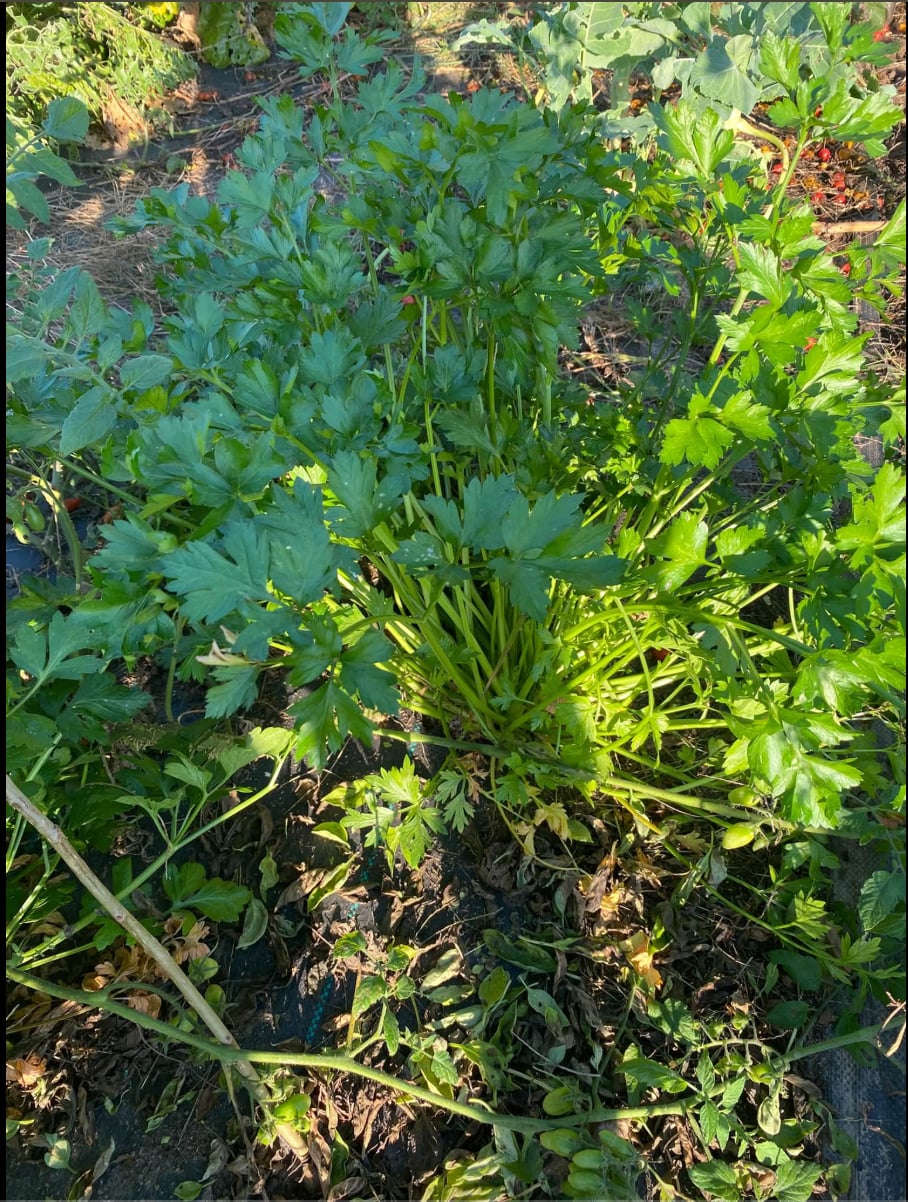
celery
What is this leafy herb-like plant I forgot I planted?
The plant in the photo is celery, growing as a leafy clump from the base. Start harvesting outer stalks as needed, or let it keep growing thicker if you prefer larger stems.
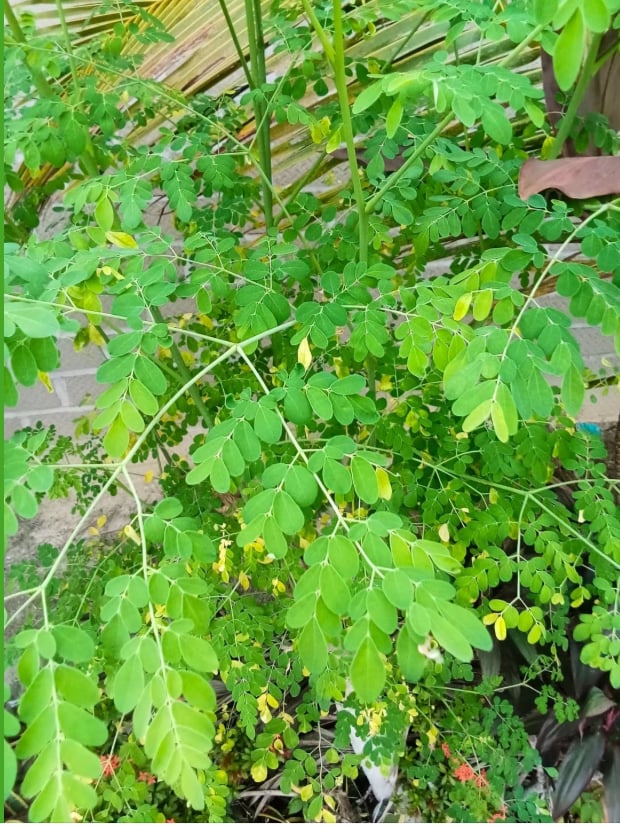
moringa (drumstick tree)
What is this plant with small oval leaflets – is it moringa (drumstick tree)?
This looks like a young moringa tree (Moringa oleifera), also called drumstick tree or sahjan. It’s a fast‑growing edible tree whose leaves, flowers, and pods are commonly used as a vegetable and in herbal remedies.
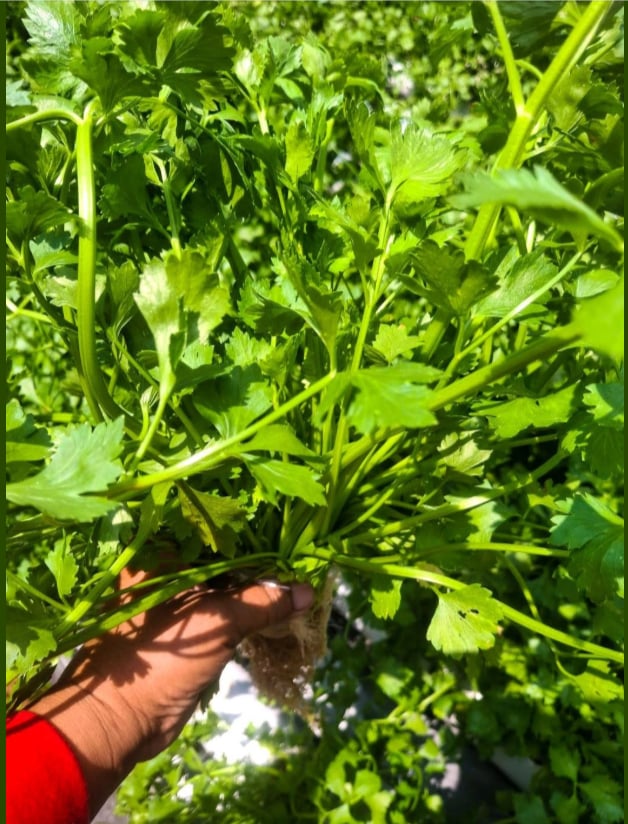
coriander (cilantro)
What is this leafy herb I picked from my garden for cooking?
This looks like coriander (also called cilantro), a common leafy herb used fresh in cooking. Rub a leaf and smell it—if it has a strong, lemony-spicy aroma, it’s safe to use as coriander greens.
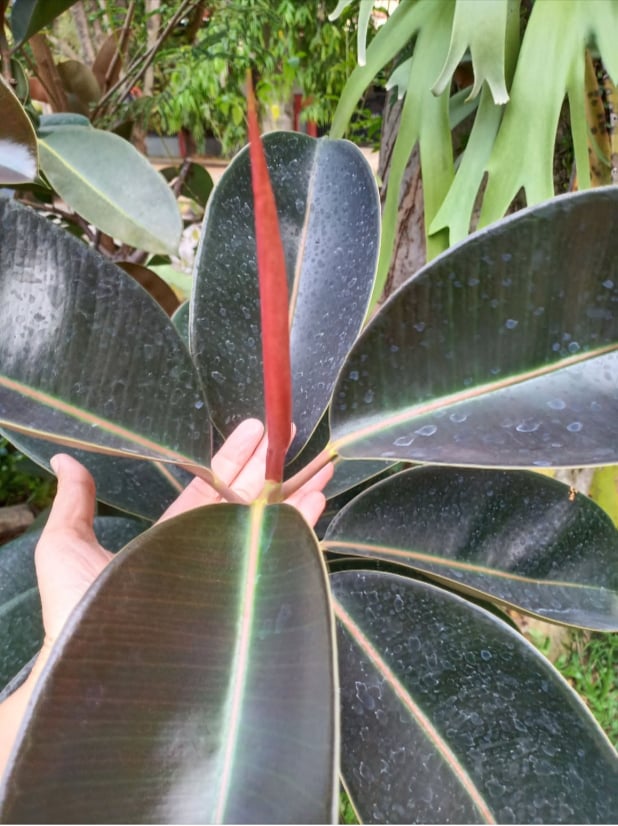
rubber plant
What plant is this with thick dark leaves and a red central spike?
This is a Rubber Plant (Ficus elastica), likely a dark or ‘Burgundy’ type. The red “pencil-like flower” in the middle isn’t a flower at all, but the sheath of a new leaf that will soon unfurl.
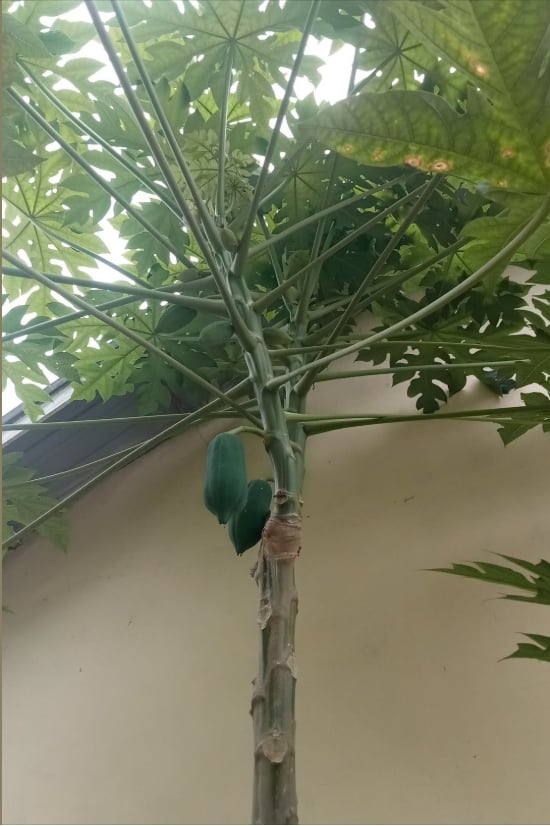
papaya
What plant is this tall tree with lobed leaves and green elongated fruits?
The plant in the photo is a papaya tree (Carica papaya). It produces the familiar papaya fruits, which start out green and turn yellow or orange as they ripen.
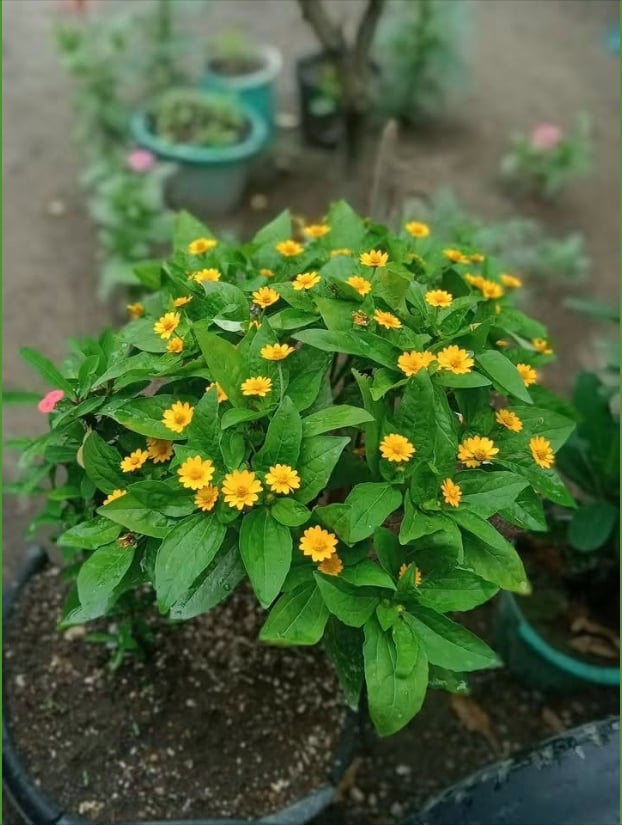
butter daisy (Melampodium)
What is this bushy plant with many small yellow daisy‑like flowers?
This looks like a Butter Daisy (Melampodium), a compact, sun‑loving annual with lots of small yellow daisy‑like flowers. Plant it in a sunny spot with well‑draining soil and it will bloom for months with minimal care.
What are the best basic tips for a beginner plant owner?
Start by choosing easy plants, matching them to your light, and learning when to water from the soil—not the calendar. Keep things simple: good light, proper watering, and a pot with drainage will prevent most beginner problems.
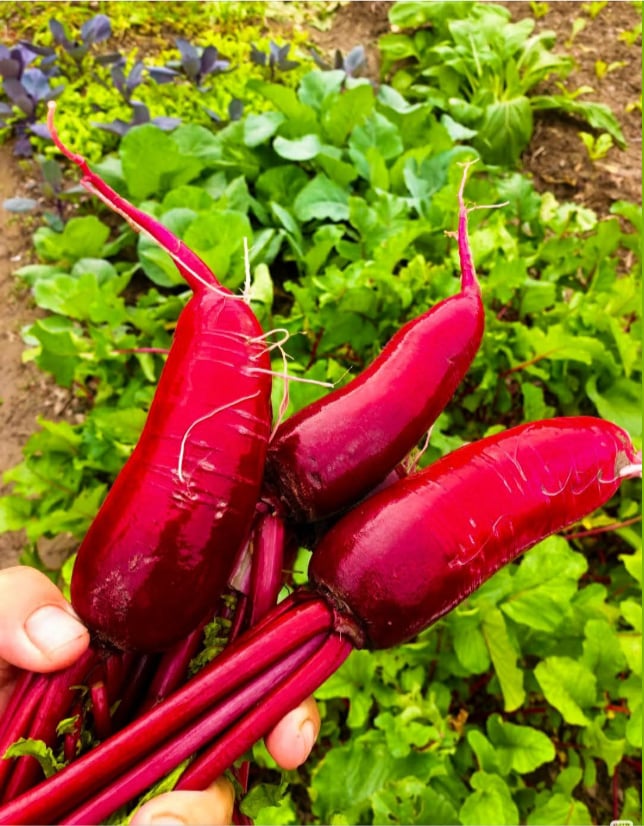
red radish
What is this long red root vegetable in my garden?
This looks like a long red radish variety, similar to a red daikon or “candle” radish. Treat and use it just like other radishes—roots are eaten raw or cooked, and young leaves are edible too.
Got a question about your own plant?
Snap a photo and ask GrowPls. It remembers each plant's history. Free on iPhone and Android.