YouTube · Ancestry Lands Motivation · 29 October 2026
Planting cool-season crops in early spring
Learn which vegetables thrive in cooler early spring conditions and how to plant them successfully while protecting against unexpected frosts.
The idea
In early spring, when temperatures can still be unpredictable with surprise frosts, focus on planting crops that tolerate cooler conditions. These include carrots, beets, brassicas (like broccoli, cabbage, and kale), and potatoes.
For carrots and beets, direct sow the seeds and ensure the top surface of the soil remains evenly moist until they sprout. If the soil dries out, germination can become spotty.
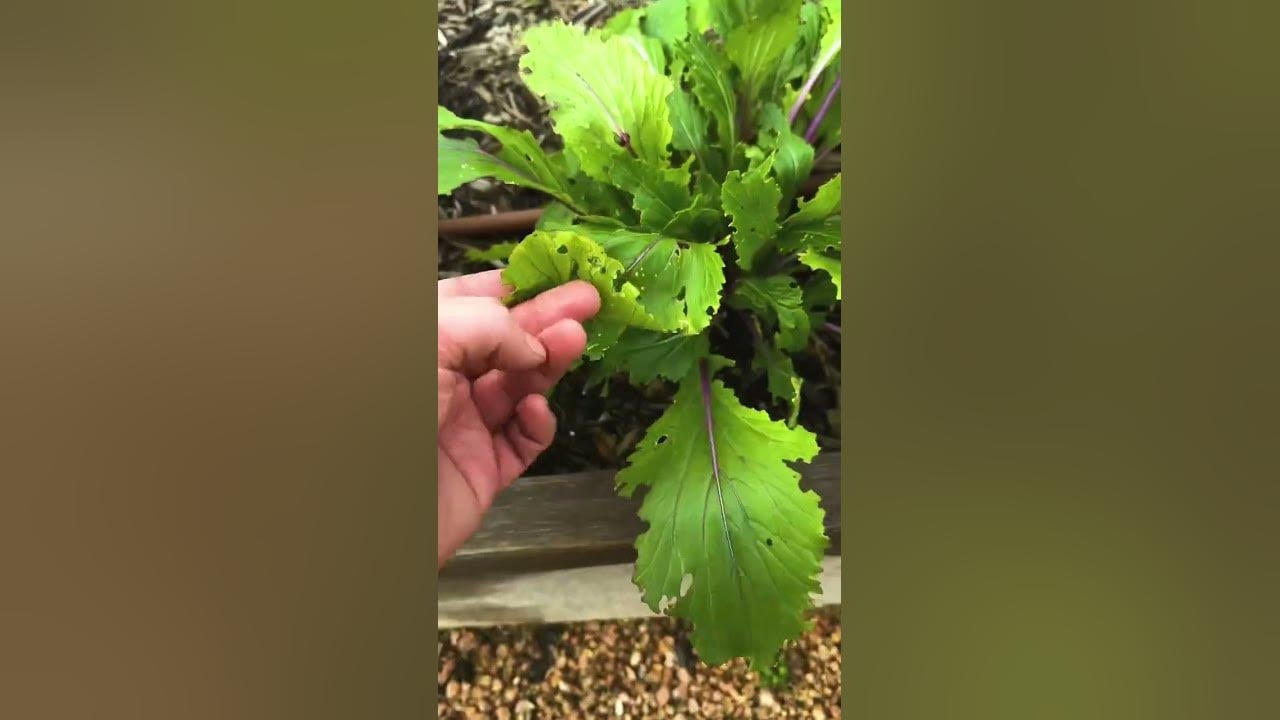
Brassicas can be direct sown or transplanted. If you are transplanting seedlings, it is crucial to harden them off first. Wind and cold rain can shock plants more severely than many gardeners realize.
When planting potatoes, choose well-drained soil. Cold and soggy conditions are a common cause for seed potatoes to rot.
Always keep row cover nearby as cheap insurance against unexpected cold snaps.
Why it works
Cool-season crops are naturally adapted to lower temperatures and can withstand light frosts, making them ideal for early spring planting.
Consistent moisture is vital for the germination of small seeds like carrots and beets. If the soil surface dries out, the delicate seedlings can fail to emerge or die shortly after sprouting.
Hardening off brassica seedlings gradually acclimates them to outdoor conditions, such as direct sunlight, wind, and fluctuating temperatures. This process strengthens the plants, reducing transplant shock and improving their chances of survival and vigorous growth once planted in the garden.
Potatoes are susceptible to rot in cold, waterlogged soil because excess moisture and lack of oxygen create an environment conducive to fungal and bacterial diseases. Well-drained soil prevents this, allowing the seed potatoes to sprout healthily.
Row covers act as a protective barrier, trapping warmth from the soil and shielding young plants from frost, cold winds, and heavy rain. This protection is essential during unpredictable early spring weather, safeguarding your investment in time and seeds.
Try it
- Prepare your planting area: Ensure your garden beds are ready. For potatoes, specifically, make sure the soil is well-drained to prevent rot.
- Sow carrots and beets: Direct sow these seeds into your prepared garden bed. Follow seed packet instructions for depth and spacing.
- Maintain consistent moisture: After sowing carrots and beets, keep the top layer of soil consistently moist until the seedlings emerge. Check daily and water gently if the surface appears dry.
- Plant brassicas: You can either direct sow seeds or transplant seedlings of broccoli, cabbage, or kale. If transplanting, ensure your seedlings have been hardened off.
- Harden off transplants: Over 7-14 days, gradually expose brassica seedlings to outdoor conditions. Start with a few hours in a sheltered spot and progressively increase their exposure to sunlight, wind, and cooler temperatures before planting them permanently.
- Plant potatoes: Plant seed potatoes in your well-drained soil, following recommended spacing and depth.
- Have frost protection ready: Keep row covers or other frost protection materials on hand. If a surprise frost is predicted, cover your newly planted crops to protect them from damage.
- Observe growth: Watch for even germination in carrots and beets, healthy establishment of brassicas, and the emergence of potato shoots over the coming weeks.
Watch out for
- Inconsistent watering: Allowing the soil surface to dry out after sowing small seeds like carrots and beets can lead to poor germination.
- Skipping hardening off: Transplanting brassicas directly from a sheltered environment to the garden without hardening off can result in severe transplant shock, stunting growth or even killing the plants.
- Poor drainage for potatoes: Planting potatoes in heavy, waterlogged soil will likely lead to seed potato rot, especially in cool conditions.
- Ignoring frost warnings: Even in early spring, unexpected frosts can damage or kill young, tender plants. Always be prepared with row covers or other protective measures.