YouTube · Gardening Upbeat · 25 October 2026
5 Simple Ways to Get Rid of Mealybugs
This guide presents five effective methods to eliminate mealybugs from your plants, ranging from readily available household items to organic and chemical solutions. It includes step-by-step instructions for preparing and applying each treatment, along with visual demonstrations of their effectiveness.
The idea
Mealybugs are common pests that can quickly multiply and damage plants. This guide outlines five methods to effectively eliminate them, using both household items and specialized products.
Here are five methods to get rid of mealybugs:
- Disinfectant Spray: Use a surface disinfectant spray (such as Savlon or Dettol) directly on the mealybugs.
- Detergent Powder Solution: Mix 1 teaspoon of detergent powder (such as Surf Excel) in 1 liter of water.
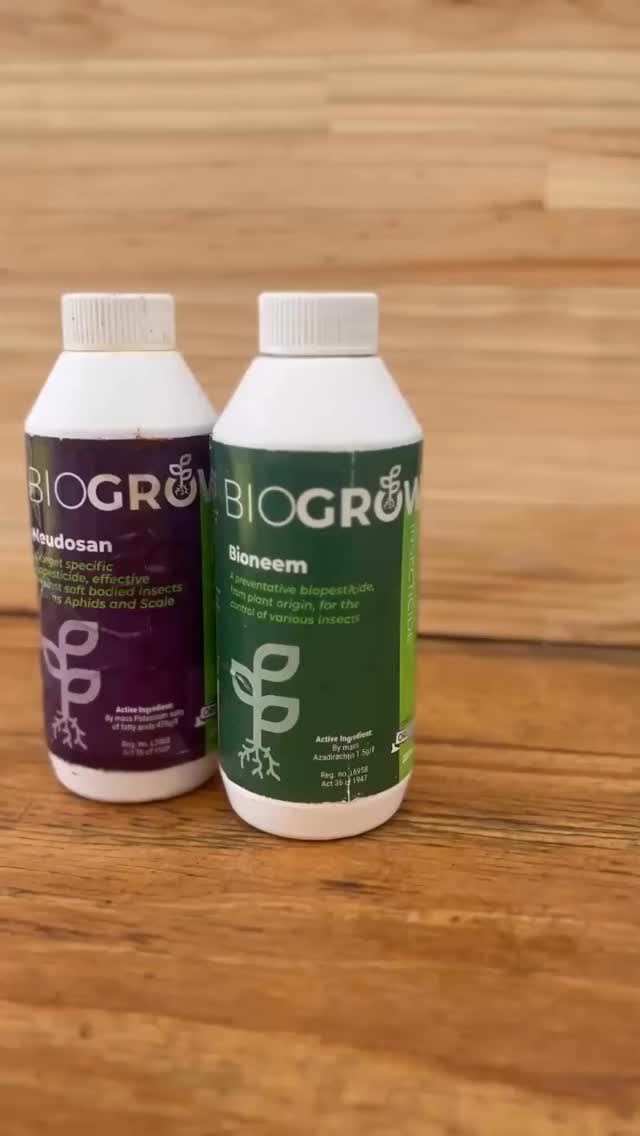
- Neem Oil Solution: Combine 5-7 ml of neem oil with 4 ml of liquid handwash (such as Savlon or Dettol) in 1 liter of water.
- Chilli and Garlic Spray: Grind 2 powerful chillies and 1 garlic clove. Soak the paste in 1 liter of water for 30-40 minutes, then strain the liquid.
- Chemical Insecticide: Use a chemical insecticide like Rogor (Dimethoate 30% EC) or Roket (Profenofos 40% + Cypermethrin 4%). The recommended dose is 1 ml per 1 liter of water.
Why it works
- Disinfectant and Detergent: Soapy solutions, including disinfectants with detergent properties, work by breaking down the waxy protective coating of soft-bodied insects like mealybugs. This suffocates them by blocking their breathing pores.
- Neem Oil: Neem oil is a natural pesticide that acts as an antifeedant, growth disruptor, and repellent. The handwash acts as an emulsifier, helping the oil mix with water and adhere to the pests and plant surfaces more effectively.
- Chilli and Garlic: The active compounds in chilli (capsaicin) and garlic (allicin) are natural irritants and repellents to many pests. When sprayed on plants, they deter mealybugs and can disrupt their feeding and reproductive cycles.
- Chemical Insecticides: These are designed to kill pests through various mechanisms. Some are contact insecticides, killing on direct exposure, while others are systemic, absorbed by the plant and killing pests that feed on the plant's sap.
Try it
- Inspect: Regularly check your plants for white, cottony masses, especially on new growth, leaf axils, and the undersides of leaves. Early detection is key.
- Choose a method: For mild infestations, start with less harsh options like disinfectant or detergent spray. For persistent or severe issues, consider neem oil or the homemade chilli/garlic spray. Use chemical insecticides as a last resort.
- Prepare the solution:
- Disinfectant: Use a ready-to-use disinfectant spray (e.g., Savlon, Dettol).
- Detergent: Mix 1 teaspoon of detergent powder (e.g., Surf Excel) in 1 liter of water. Shake well.
- Neem Oil: Mix 5-7 ml of neem oil with 4 ml of liquid handwash (e.g., Savlon, Dettol) in 1 liter of water. Shake thoroughly.
- Chilli/Garlic: Grind 2 powerful chillies and 1 garlic clove into a paste. Soak the paste in 1 liter of water for 30-40 minutes. Strain the liquid to remove solids and transfer it to a sprayer.
- Chemical Insecticide: Mix 1 ml of Rogor (Dimethoate 30% EC) or Roket (Profenofos 40% + Cypermethrin 4%) in 1 liter of water.
- Apply: Spray the chosen solution thoroughly on all affected parts of the plant, including the undersides of leaves, stems, and the soil surface. Ensure complete coverage.
- Repeat:
- For disinfectant or detergent, repeat the application within 48 hours if mealybugs are still visible or if it rains shortly after application.
- For neem oil or chilli/garlic spray, apply once every 5-10 days, depending on the severity of the infestation.
- For chemical insecticides, apply once every 7-10 days.
- Observe: Monitor your plants daily for new mealybug activity or signs of damage. Adjust your treatment frequency or method if necessary.
Watch out for
- Always test any new spray on a small, inconspicuous part of the plant first to check for adverse reactions before applying to the entire plant.
- Avoid spraying during the hottest part of the day or in direct sunlight, as this can cause leaf burn.
- For edible plants, prioritize organic or homemade solutions over chemical insecticides.
- When using chemical pesticides, always wear appropriate protective gear (mask, gloves) and follow product instructions carefully.
- Ensure thorough coverage, as mealybugs often hide in crevices and on the undersides of leaves, making them difficult to reach.