Instagram · Darling Orchids · 1 November 2026
Control soft-bodied pests on orchids with a contact insecticide
Learn how to prepare and apply a contact insecticide to effectively control common soft-bodied pests like aphids, mealybugs, and scale on your orchids. This method provides a quick knockdown for light infestations.
Quick answer
For light infestations of soft-bodied pests like aphids, mealybugs, or scale on orchids, prepare a spray solution by mixing 20 ml of a contact insecticide (such as Neudosan) with 1 liter of water. Spray the entire plant thoroughly, focusing on hidden areas, and wipe away any visible pests. Repeat this treatment every few days until the infestation is controlled.
The idea
This method involves using a contact insecticide for a quick knockdown of soft-bodied pests. The insecticide is diluted in water and sprayed onto the plant, ensuring full coverage. After spraying, any remaining visible pests are manually wiped off the leaves. This approach aims to eliminate pests directly and prevent their spread.
Pest Control Spray Recipe:
| Ingredient | Quantity |
|---|---|
| Contact insecticide | 20 ml |
| Water | 1 liter |
Combine the insecticide with water and mix thoroughly before application.
Which plants this suits
- Orchids (e.g., Cymbidium)
- Other houseplants susceptible to soft-bodied pests like aphids, mealybugs, and scale.
Why it works
Contact insecticides work by directly affecting pests upon contact, leading to a quick knockdown. This is particularly effective for soft-bodied insects that are exposed on the plant's surface. Thorough spraying ensures the insecticide reaches pests hidden in crevices or under leaves. Manually wiping off visible pests after spraying provides an immediate physical removal, complementing the chemical treatment and reducing the overall pest population.
Try it
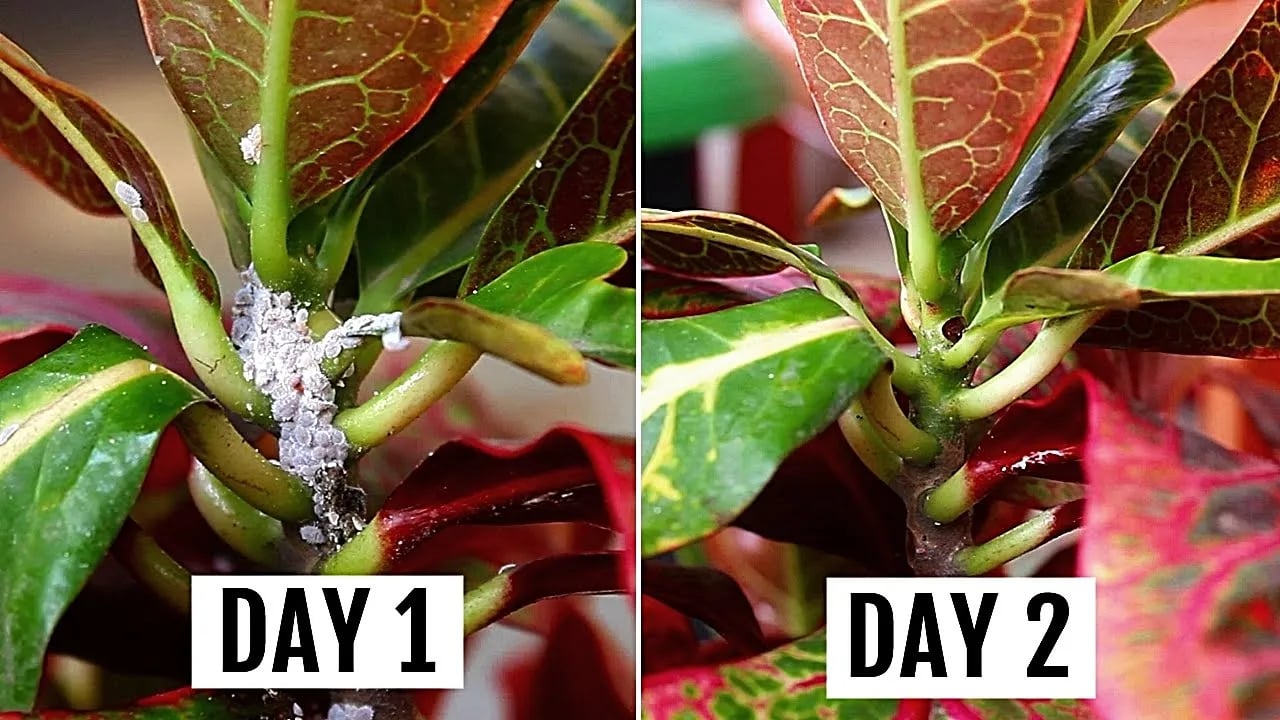
- Confirm the infestation: Inspect your orchid for signs of soft-bodied pests such as aphids, mealybugs (white, cottony masses), or scale (small, hard bumps) on leaves, stems, and flower spikes. Look for sticky residue (honeydew) or sooty mold.
- Prepare the spray: Measure 20 ml of a contact insecticide (e.g., Neudosan) and add it to 1 liter of water in a spray bottle. Mix well.
- Apply the spray: In the early morning or late afternoon to avoid leaf burn, spray the entire orchid thoroughly. Ensure you cover the top and undersides of leaves, along flower spikes, and between pseudobulbs, as these are common hiding spots for pests.
- Wipe away pests: After spraying, use a soft cloth or glove to gently wipe away any visible pests from the plant surfaces.
- Monitor and repeat: Observe your plant for pest activity. Repeat the spraying and wiping process every few days as needed until the infestation is under control.
Watch out for
- Always follow the specific instructions and safety precautions on the product label for any insecticide used.
- Avoid spraying in direct sunlight or during the hottest part of the day, as this can lead to leaf burn.
- Ensure good ventilation when spraying, especially if indoors.
- This method is primarily for light infestations; heavy infestations may require a more intensive or different treatment strategy.