YouTube · Gary Pilarchik (The Rusted Garden) · 30 October 2026
Essential tips for a successful tomato garden
This guide compiles a range of practical tips for cultivating healthy and productive tomato plants, covering soil preparation, watering, feeding, and pruning for both in-ground and container gardening.
Quick answer
For healthy tomato plants, ensure deep and consistent watering, prune lower leaves and suckers for better air circulation and energy focus, and provide balanced nutrition through compost and appropriate fertilizers. Protect fruits from sun scald with simple covers and address fungal issues with sulfur spray.
The idea
Cultivating a thriving tomato garden involves several key practices, whether your plants are in the ground or in containers. These tips focus on optimizing plant health, maximizing yield, and preventing common problems.
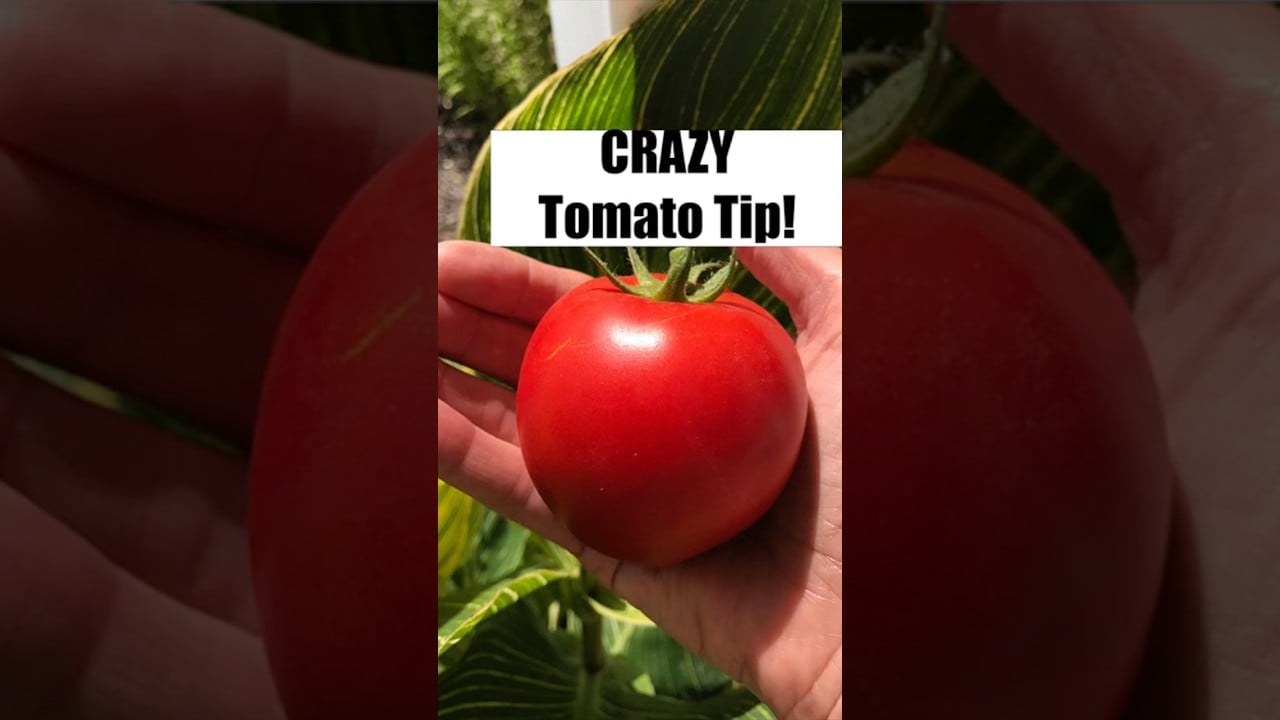
- Protect from Sun Scald: Cover ripening tomatoes with paper bags to prevent sun scald, especially in hot climates.
- Deep Watering: Water tomato plants deeply and consistently. For in-ground plants, use a bucket with small holes buried near the plant to allow water to slowly seep into the root zone. For container plants, ensure the soil is thoroughly moistened.
- Prune Lower Leaves: Remove the bottom leaves that are yellowing or touching the soil. This improves air circulation and prevents soil-borne diseases from splashing onto the foliage.
- Remove Suckers: Identify and remove suckers (small shoots growing in the 'V' between the main stem and a branch). This redirects the plant's energy into fruit production rather than excessive foliage.
- Top Dress with Compost: Apply a layer of compost around the base of your tomato plants every few weeks. This provides a slow release of nutrients and improves soil structure.
- Use Epsom Salt: If your tomato plants show signs of magnesium deficiency (yellowing between leaf veins while veins remain green), dissolve 1 tablespoon of Epsom salt in 4 liters of water and apply it to the soil around the plant. Repeat every 2-4 weeks as needed.
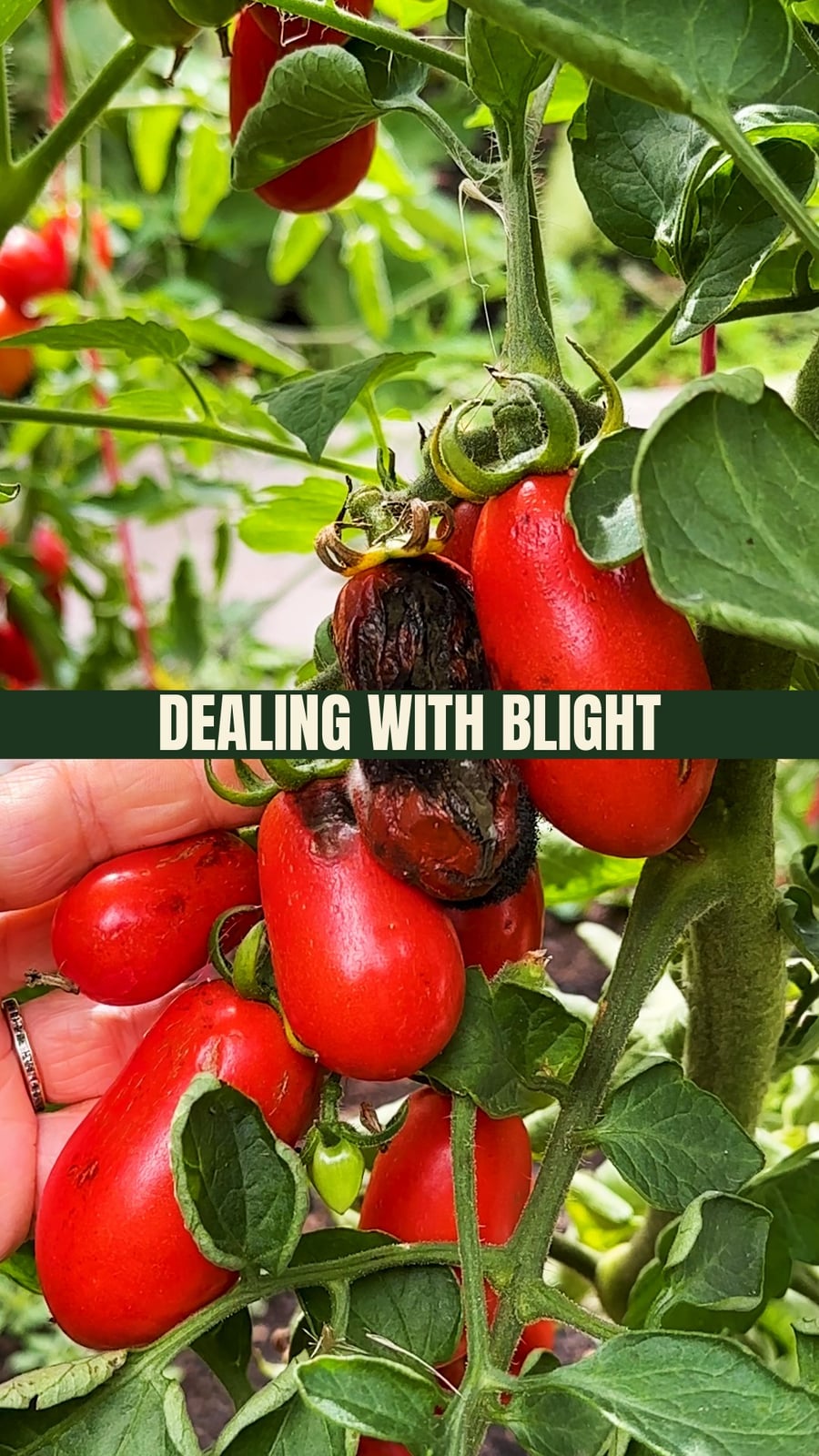
- Apply Sulfur Spray: For fungal issues like powdery mildew, use a sulfur spray. Mix 1 tablespoon of sulfur powder per 4 liters of water and spray the affected foliage.
- Provide Support: Use sturdy tomato cages or stakes to support the growing plants and heavy fruit loads, preventing stems from breaking.
- Slow-Release Watering for Containers: For container plants, consider using a plastic bottle with small holes poked into it, buried upside down in the soil. Fill it with water for a slow, consistent release to the roots.
- Fertilizer Choices: Use fertilizers with appropriate NPK ratios. For vegetative growth, a higher nitrogen (N) fertilizer (e.g., 5-1-1 fish fertilizer) is beneficial. For flowering and fruiting, opt for a higher phosphorus (P) fertilizer (e.g., 15-30-15 or organic tomato-specific blends like 3-4-6).
Which plants this suits
- Tomatoes (all varieties, in-ground and container)
- Peppers (pruning, watering, fertilizing)
- Blueberries (pest protection with physical barriers)
- General vegetable garden plants (deep watering, compost, pest protection)
Why it works
These practices promote robust growth and higher yields by addressing key plant needs. Deep watering encourages strong root development, making plants more resilient to drought. Pruning improves air circulation, reducing humidity around leaves and minimizing fungal disease risk. Removing suckers ensures the plant's energy is directed towards developing larger, healthier fruits. Compost enriches the soil with organic matter and nutrients. Epsom salt provides magnesium, crucial for photosynthesis and overall plant vigor. Sulfur acts as a fungicide, protecting against common diseases. Physical support prevents damage to plants from heavy fruit or wind. Slow-release watering systems ensure consistent moisture, preventing stress and blossom end rot.
Try it
- This week: Inspect your tomato plants. Remove any yellowing leaves or leaves touching the soil. Pinch off small suckers. If you notice any fruits developing sun scald, cover them with paper bags.
- Next watering: Prepare a deep watering system. For in-ground plants, bury a bucket with small holes near the plant and fill it with water. For containers, water until water drains from the bottom.
- Every 2-3 weeks: Top dress your tomato plants with a 2-inch layer of compost. If using granular fertilizer, apply according to package directions. If you suspect magnesium deficiency, prepare and apply the Epsom salt solution.
- As needed: If you see signs of fungal disease, mix and apply sulfur spray to the affected leaves. Ensure all plants have adequate support from cages or stakes.
- Watch for: Over the next few weeks, observe your plants for new, healthy growth, increased fruit set, and reduced signs of disease or deficiency. Healthy plants should have dark green foliage and a good number of developing fruits.
Watch out for
- Do not over-prune, as excessive leaf removal can reduce photosynthesis and fruit production.
- Avoid overhead watering, which can encourage fungal diseases. Always water at the base of the plant.
- Do not apply too much fertilizer, especially nitrogen, as this can lead to lush foliage at the expense of fruit development.
- Epsom salt is for magnesium deficiency; it is not a general fertilizer and should not be overused. Too much can lead to other nutrient imbalances. Perform a soil test if unsure about nutrient levels.