Instagram · She Grows Veg Ltd · 4 November 2026
Manage tomato blight to save your harvest
Tomato blight is a common fungal disease that can quickly destroy your plants. Learn how to identify its signs and implement strategies to slow its progression, allowing you to harvest as many tomatoes as possible.
Quick answer
Tomato blight is a fungal disease that thrives in moist conditions, causing brown or grey patches on leaves and stems, and rotting fruit. While there is no cure, you can slow its progression by immediately removing all affected foliage and stems, and strategically harvesting fruit to ripen indoors.
The idea
Blight is a fungal disease that primarily affects tomatoes, but also other members of the nightshade family like aubergines, peppers, and chillies. It spreads rapidly in moist conditions.
Identifying Blight:
- Leaves: Look for brown or greyish patches, often starting at the edges with a yellow ring. In damp weather, check the underside of leaves for fuzzy white mould.
- Stems: Dark streaks may appear on the stems as the infection progresses.
- Fruit: Firm brown blotches develop on the fruit, which quickly turn soft and mushy.
Managing Blight:
- Remove Affected Foliage: As soon as you spot blight, prune off all infected leaves and stems. Use clean secateurs to prevent further spread. Dispose of this material away from your garden (bin or burn it); do not add it to your compost heap, as the spores can survive and reinfect plants.
- Hard Pruning: If the blight continues to spread and you feel you are losing the battle, consider hard pruning almost all the foliage off your tomato plants. Leave only the tomatoes on the vine to give them a chance to ripen.
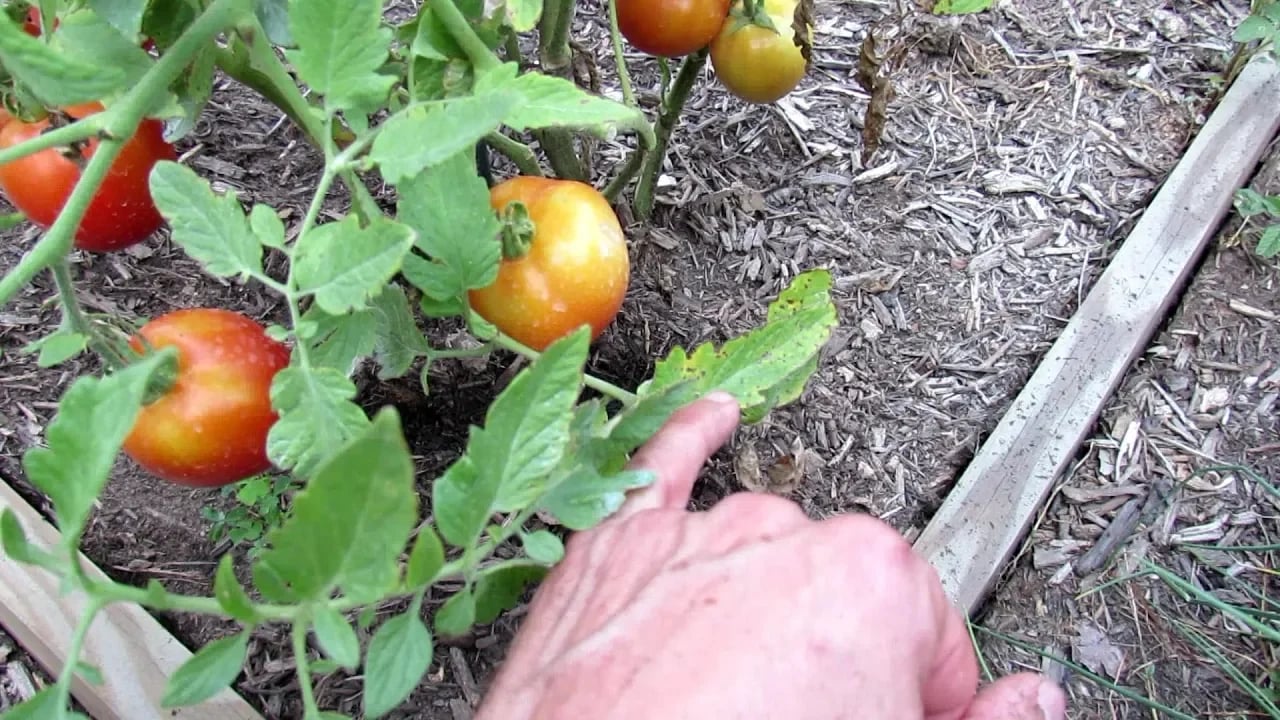
- Early Harvest for Ripening: If your tomatoes have started to show any blush of colour, they have passed the point of no return and will ripen on their own. Harvest these tomatoes and bring them indoors to ripen away from the blight.
- Harvest Green Tomatoes: If your plant is severely affected and you've lost the battle, harvest all remaining green tomatoes. These can be used in various recipes and do not have to go to waste.
Which plants this suits
- Tomatoes
- Aubergines (eggplant)
- Peppers
- Chillies
Why it works
Blight is caused by fungal spores that are carried in moist conditions. By removing infected plant parts, you reduce the amount of fungal spores present on the plant and in the immediate environment, thereby slowing the disease's progression. Hard pruning further reduces the fungal load, allowing the plant to focus its energy on ripening existing fruit. Harvesting fruit that has begun to ripen or is still green allows you to salvage a portion of your crop before the disease can ruin it.
Try it
- Inspect Regularly: After a period of rain or high humidity, carefully inspect your tomato plants and other nightshade vegetables for any signs of blight. Pay close attention to leaves, stems, and developing fruit.
- Prune Immediately: As soon as you identify any brown patches or mould, use clean pruning shears to cut off the affected leaves or stems. Cut well below the visible infection.
- Dispose Safely: Collect all pruned, blighted material and place it directly into a sealed bag for disposal in your household waste. Do not put it in your compost.
- Monitor Spread: Continue to monitor your plants daily. If blight spots appear on stems, you are nearing the end of the plant's life cycle.
- Strategic Harvest: If tomatoes have started to blush, pick them and bring them indoors to ripen in a cool, dry place.
- Final Harvest: If the plant becomes overwhelmed by blight, harvest all remaining green tomatoes. You can use these for pickling, chutneys, or other recipes.
- Observe: Over the next few days, watch for new blight spots. If new spots appear, repeat the pruning process. If the disease progresses rapidly, consider the hard pruning or final harvest steps.
Watch out for
- There is no cure for blight; management focuses on slowing its spread to maximize your harvest.
- Blight spreads very quickly, especially in warm, humid, and wet conditions, so prompt action is crucial.
- Never compost blighted plant material, as the fungal spores can survive and infect future crops.
- Keep an eye on all plants in the nightshade family, as blight can affect them all.