
protea · Asked on Facebook · 5 November 2026
How can I save my potted protea that is browning and sparse?
The protea in the photo is stressed, likely from a mix of poor drainage/over‑watering and an unsuitable potting mix. Trim back the dead stems, improve drainage, and refresh with a very free‑draining, low‑fertility mix, then water deeply but only when the top of the mix has dried out.
The question
“Is there anything I can do to save my plant?”
What's likely going on
From the photo, this looks like a protea in a large pot. Parts of the plant still have healthy green leaves and flowers, but many leaves are brown, spotty, and some stems look bare or dead.
With proteas in containers, the most common problems are:
- Poor drainage or over‑watering – Proteas hate sitting in wet soil. Heavy potting mixes or saucers that hold water can cause root rot. Above ground, this shows up as browning leaves from the inside of the plant outward and gradual dieback of stems.
- Soil too rich or fertilised – Proteas naturally grow in poor, sandy soil. Regular potting mix with added fertiliser (especially phosphorus) can burn roots and weaken the plant.
- Stress from heat or wind – In full, reflected sun (like against a fence/deck), a pot can heat up and dry quickly. If watering doesn’t keep up, tips and older leaves brown, while some parts still look fine.
The fact that you still have good flowers means it’s not beyond saving, but it is under stress.
What to do
Check drainage first
Make sure the pot has large holes and that water runs out freely when you water. Empty any saucer after 10–15 minutes.Test the soil
Push a finger or stick down into the mix. If it stays wet and heavy for days, the mix is too dense or you’re watering too often. Let it dry to at least a few cm down before the next deep watering.Prune dead and badly damaged growth
Cut out obviously dead, brittle stems and the worst brown leaves. This reduces stress and helps you see what’s still alive. Don’t cut into green, flexible wood too hard; proteas don’t always reshoot from old wood.Repot into a better mix (if roots are struggling)
On a cool day, slide the plant out. If you see black, mushy roots or very compacted soil, gently tease the root ball and repot into a slightly bigger pot with a very free‑draining, low‑nutrient mix: lots of coarse sand, fine gravel, and pine bark, or a commercial “native”/proteaceae mix. Avoid fertiliser, especially anything high in phosphorus.Adjust watering
After repotting, water once thoroughly to settle the mix. Then water deeply but less often, letting the top layer dry between waterings. In hot weather you may need more frequent checks, but still avoid constant dampness.Give it kinder conditions
Keep it in full sun but, if possible, avoid the harshest reflected heat from decks or walls. Light air movement is good.
How to prevent it
- Always grow proteas in very free‑draining, low‑fertility soil. Regular rich potting mix and frequent feeding cause long‑term decline.
- Water by soaking the pot until water runs out, then wait until the top few centimetres are dry before watering again.
- Never let the pot sit in a tray of water for long periods.
- If fertilising, use a very light dose of a fertiliser labelled safe for native/proteaceae plants, once or twice a year at most.
When to worry
- If stems turn brown and brittle all the way down to the base, and no parts stay green and flexible, that stem is dead and won’t recover.
- If new growth and flower buds also start to brown and shrivel, root damage may be severe.
- A full, soft collapse of foliage usually means advanced root rot; recovery is less likely.
As long as you still have some strong green leaves and flowers, there’s a good chance the plant can stabilise with better drainage, gentler soil, and careful watering.
Answered by the GrowPls assistant. Every plant and room is different; if things don't improve, a clear close-up photo of the affected part is the fastest way to a better answer.
Related questions
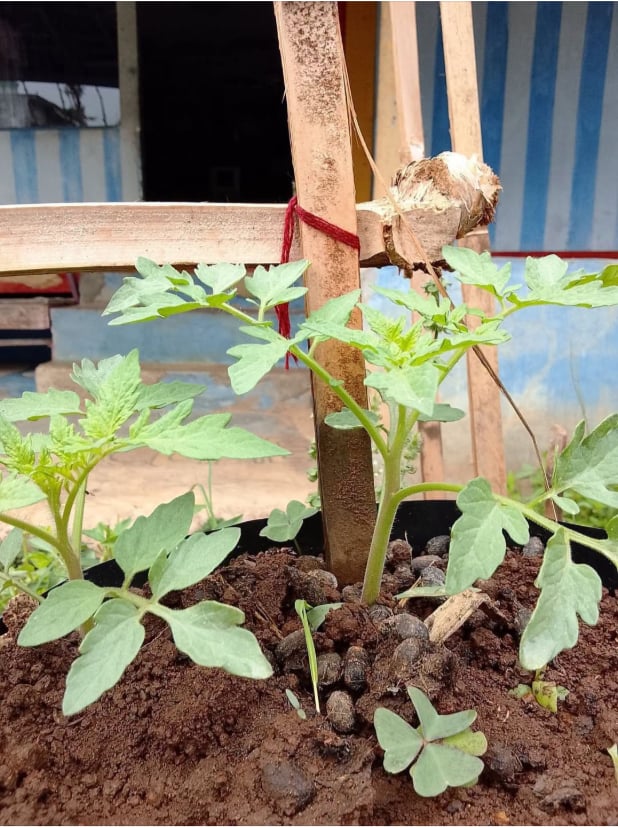
tomato
What plant is this seedling I planted?
The seedlings in the photo are tomato plants. Give them strong sun, a bigger pot or bed, and support as they grow taller.
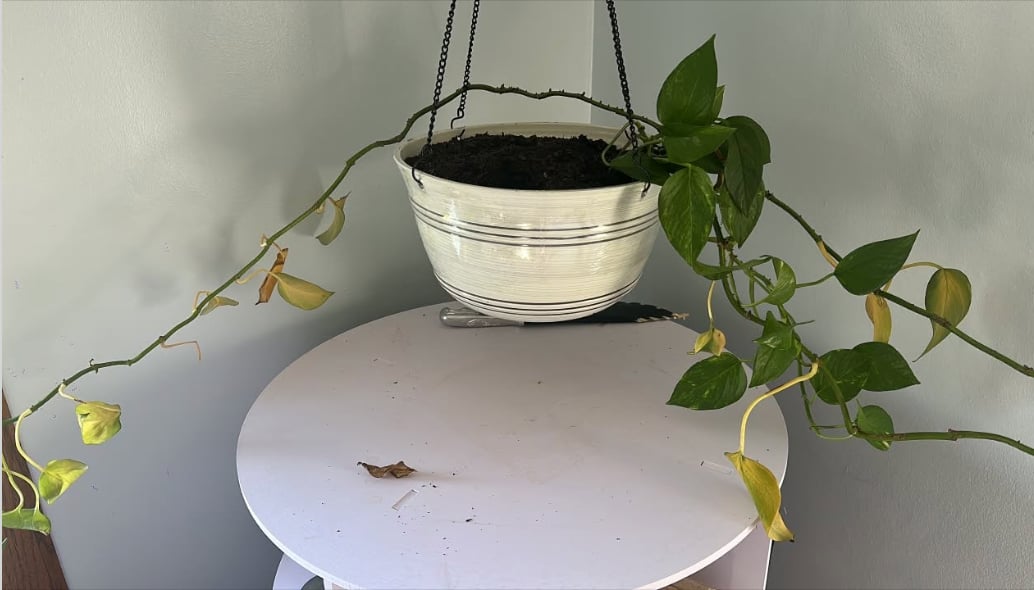
pothos (money plant)
Why are my pothos leaves turning yellow after repotting?
Those yellow leaves are most likely from stress after repotting plus soil that’s staying too wet. Check that the pot drains well, let the soil dry a bit between waterings, and trim off the worst yellow leaves.
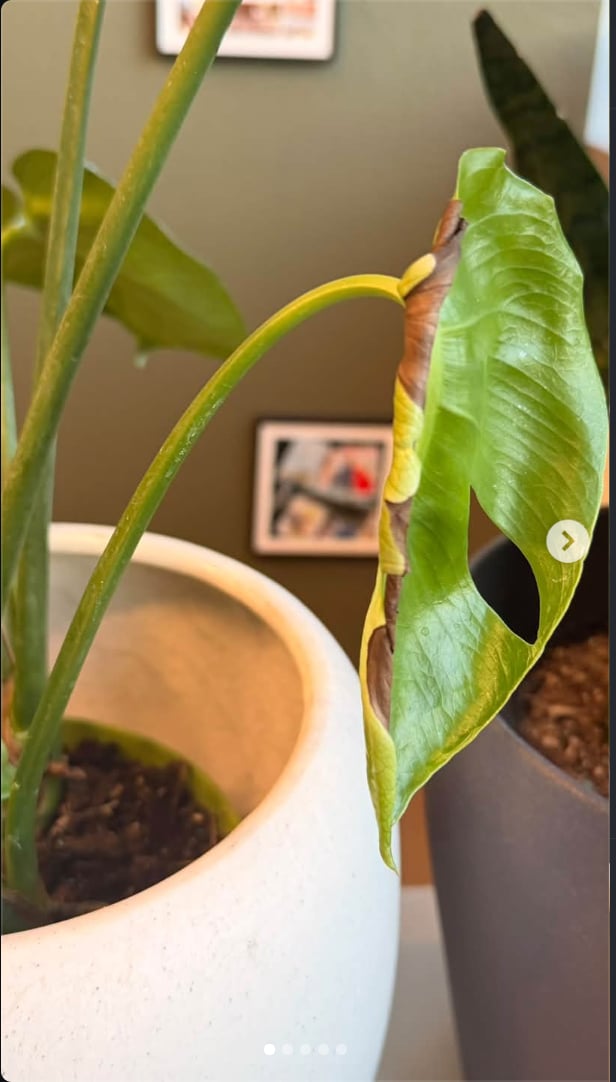
monstera
Why is my Monstera new leaf browning before it fully opens?
That brown edge on the new leaf is usually from stress while the leaf is still tightly rolled – most often low humidity, underwatering, or the leaf getting stuck and damaged. Check watering, light, and humidity, and focus on helping the next leaf grow in better.
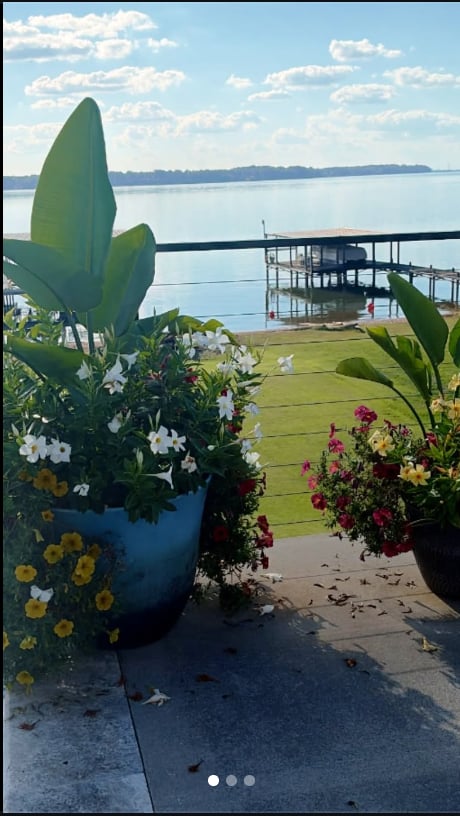
tropical canna or banana-type plant
How can I overwinter the tropical “palm” in my big patio pots?
That center “palm” can be saved, but it’s a tropical (not frost‑hardy), so you’ll need to lift it from the mixed pot before frost and keep it inside in bright light with much less water. The flowering trailers around it are usually treated as annuals and are hard to carry over.