
fleabane (Conyza/Erigeron) · Asked on Instagram · 3 November 2026
Is this backyard plant with small white puffball flowers a weed or a flower?
This looks like a wild fleabane, which many people treat as a weed but it is a flowering wild plant that feeds pollinators. If you like how it looks and it’s not taking over, it’s fine to leave a few; pull it out where you don’t want it.
The question
“Can you tell if this is a weed or a flower ? Found it in my backyard”
What's likely going on
From the photo, the plant has tall, narrow, slightly rough-looking stems with long, thin leaves and clusters of small white, fluffy, button-like flower heads. This strongly resembles fleabane (in the Conyza or Erigeron group), a common self‑seeding wildflower.
Whether it’s a “weed” or a “flower” really depends on what you want in that spot:
- In lawns and neat flowerbeds, fleabane is usually considered a weed because it spreads by lots of wind‑blown seeds.
- In a more natural or wildlife‑friendly garden, it’s a wildflower that offers nectar and seeds for insects and birds.
What to do
- Decide if you like it. If you enjoy the look and don’t mind a slightly wilder area, you can keep a few plants.
- Control where it grows.
- To remove it, pull plants out by hand when the soil is moist, taking as much root as possible.
- Cut or pull before the white fluffy seed heads fully mature to prevent it spreading.
- Thin crowded patches. Leave just a few well‑spaced plants if you want a natural look without a full takeover.
- Mulch bare soil. A 5–8 cm layer of organic mulch (dry leaves, bark, compost) around desired plants helps stop new fleabane seedlings.
How to prevent it
- Avoid leaving large areas of bare soil; seed easily blows in and germinates.
- Regularly hand‑weed young seedlings (small rosettes of narrow leaves) before they flower.
- Keep edges of paths and beds trimmed so plants don’t go to seed unnoticed.
When to worry
- If it starts popping up everywhere and crowding vegetables or ornamentals, step up removal before it sets seed.
- If you’re unsure of the exact species and have pets or small children that may chew plants, it’s safest to keep unknown plants out of play areas.
In most gardens, fleabane is harmless—just decide whether you want a tidy look (pull it) or a wilder, pollinator‑friendly patch (keep a few).
Answered by the GrowPls assistant. Every plant and room is different; if things don't improve, a clear close-up photo of the affected part is the fastest way to a better answer.
Related questions
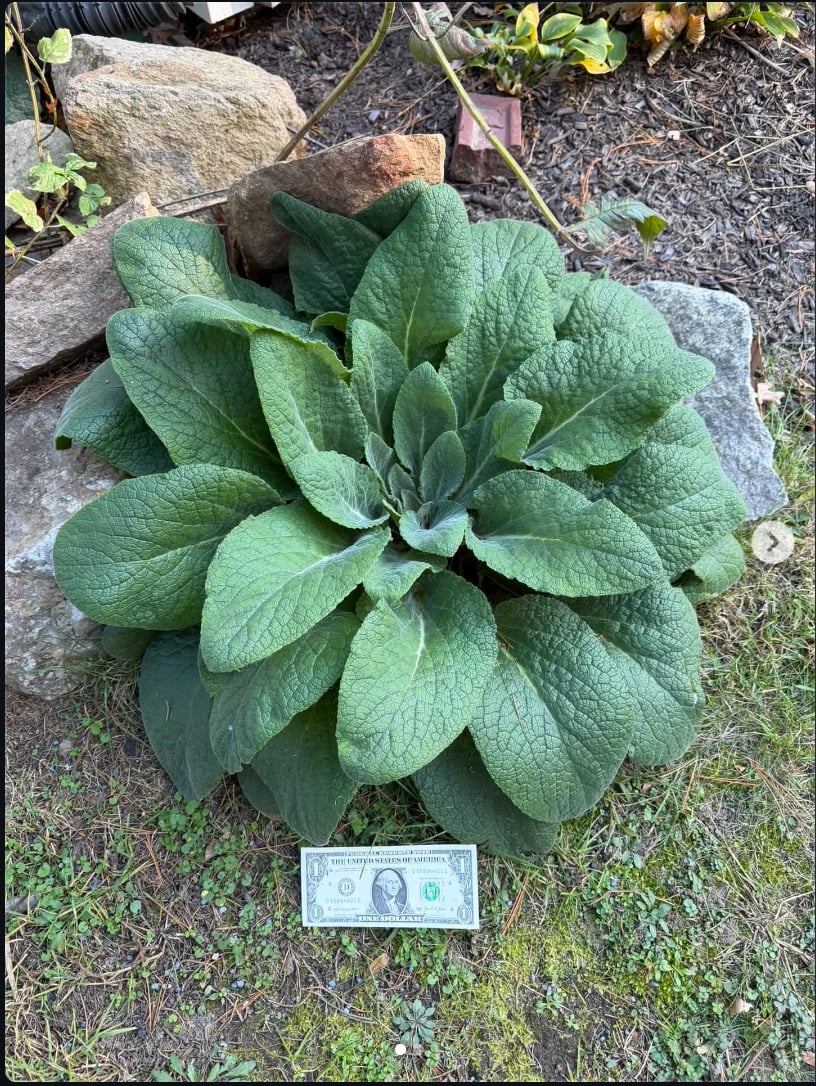
foxglove
What is this large rosette plant that popped up on its own?
This looks like a foxglove (Digitalis), growing in its first-year leaf rosette. It’s a pretty biennial flower, but every part of the plant is highly poisonous, so only keep it if it’s away from pets and children.
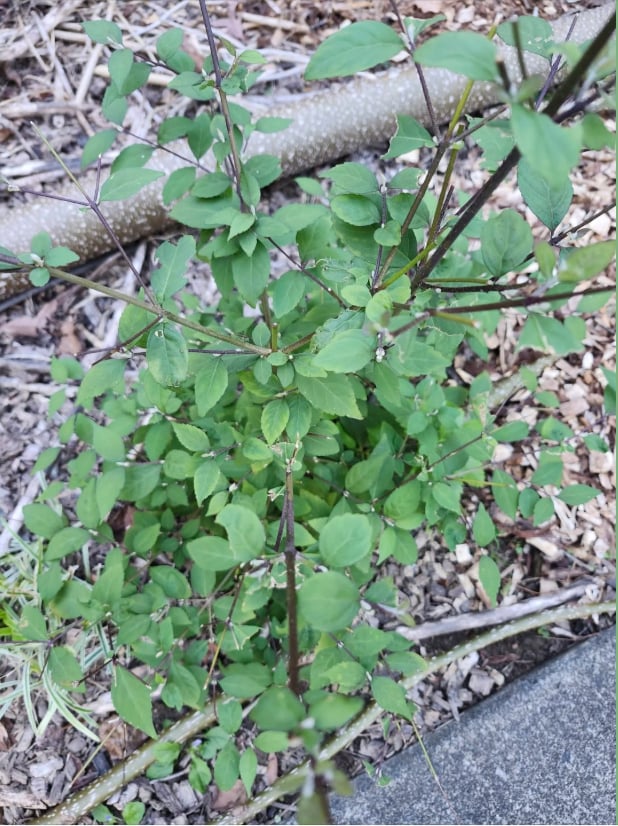
What is this volunteer shrub growing in my Durham, NC garden bed?
From the photo it looks like a young, weedy shrub rather than a desirable ornamental. In the Durham, NC area, seedlings of invasive shrubs like privet or bush honeysuckle commonly pop up like this, so it’s safest to treat it as a weed and remove it unless you positively identify it with flowers or fruit.
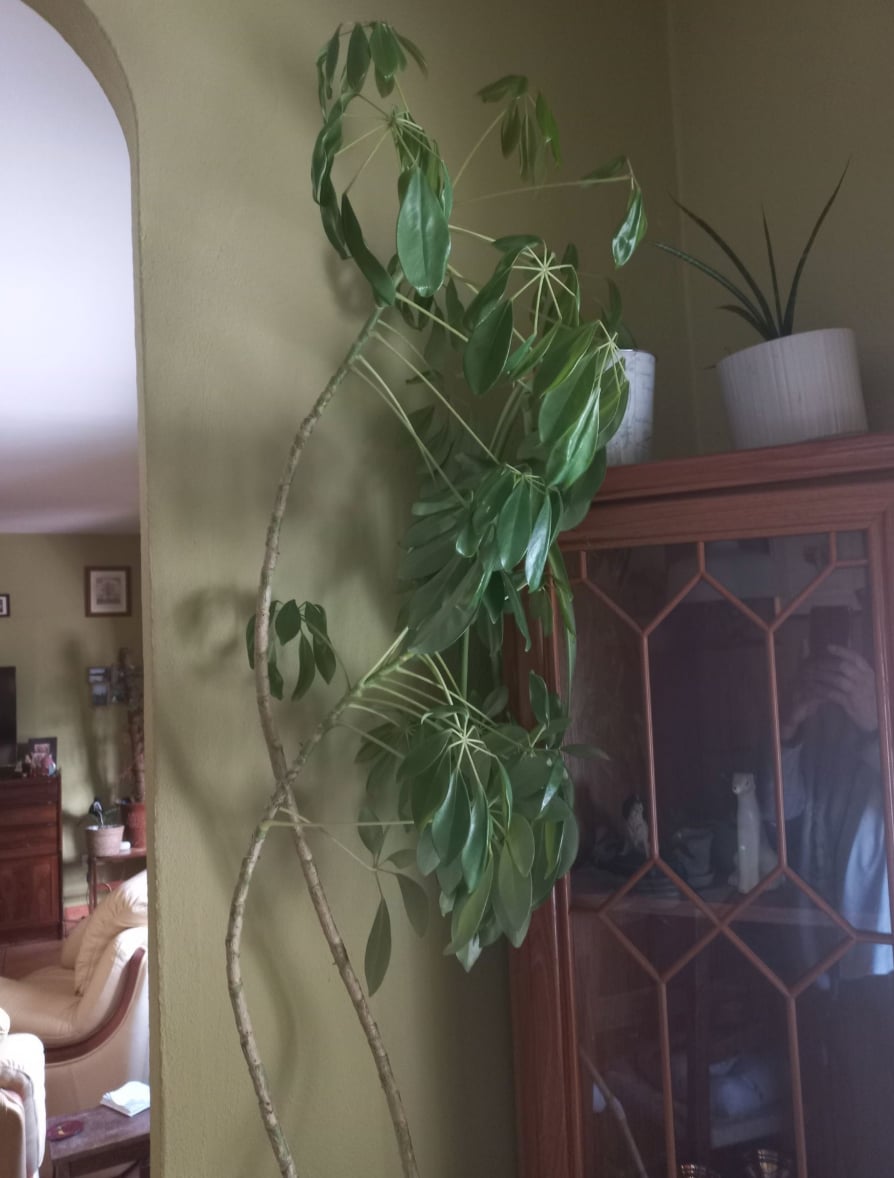
umbrella plant (Schefflera)
What is this tall houseplant with clusters of oval leaflets?
This is an umbrella plant, a Schefflera species often grown indoors as a tall houseplant. Start by giving it bright, indirect light and rotate it regularly so it doesn’t lean or get leggy.