
Asked on Facebook · 5 November 2026
What is this volunteer shrub growing in my Durham, NC garden bed?
From the photo it looks like a young, weedy shrub rather than a desirable ornamental. In the Durham, NC area, seedlings of invasive shrubs like privet or bush honeysuckle commonly pop up like this, so it’s safest to treat it as a weed and remove it unless you positively identify it with flowers or fruit.
The question
“Any idea what this is? My plant ID app gives me something different every time. Located in north Durham area. Thanks.”
What's likely going on
From the photo, this is a small woody shrub with many thin, upright stems and small, simple leaves arranged mostly in pairs. It looks like a volunteer (self‑seeded) plant rather than something intentionally planted.
In gardens around Durham, NC, this general look is very common for seedlings of invasive shrubs such as Chinese privet, other privets, or bush honeysuckles. They often appear at the edge of beds, in mulch, or along fences, brought in by birds.
The picture doesn’t show flowers or fruit, and the bark/leaves are a bit too small to make a confident species ID. For a firm identification, clear close‑ups of:
- A single stem with several leaf pairs
- Any flowers, berries, or seed pods
- The base where the stems meet the soil
would be needed.
Because so many shrubs with this look are aggressive spreaders, most gardeners choose to remove them unless they’re sure it’s a plant they want.
What to do
- Decide if you want to keep an unknown shrub. If it popped up on its own and you don’t recognize it, it’s usually safest to treat it as a weed.
- Pull it if it’s still small. Grasp low near the base and pull after rain when the soil is soft, trying to get the whole root. Young privet/honeysuckle seedlings pull fairly easily.
- If it’s woody and won’t pull, cut and smother. Cut the stems at ground level and immediately cover the stump area with thick mulch or a light‑blocking cover (cardboard plus mulch) to exhaust any resprouts.
- Save a sample for ID if curious. Put a leafy branch in a jar of water, photograph close‑ups, and compare with local extension or native plant society resources.
How to prevent it
- Keep beds mulched. A 5–7 cm (2–3 in) layer of mulch reduces weed seedlings.
- Remove bird‑dropped seedlings early. Walk the garden every few weeks and pull any unknown woody seedlings while they’re tiny.
- Limit nearby seed sources. If neighbors or hedges have known invasive shrubs, pruning before they berry can reduce new seedlings.
When to worry
- If it spreads quickly. Lots of similar seedlings appearing nearby usually means an invasive species; remove them promptly.
- If you see berries forming. Birds spread many invasive shrubs by fruit. Don’t let an unknown shrub set fruit until you know what it is.
- If you have pets or children that might chew plants. Until you have a clear ID, it’s best not to let kids or pets chew on any unknown shrub, as some berries and leaves can be mildly toxic.
Answered by the GrowPls assistant. Every plant and room is different; if things don't improve, a clear close-up photo of the affected part is the fastest way to a better answer.
Related questions
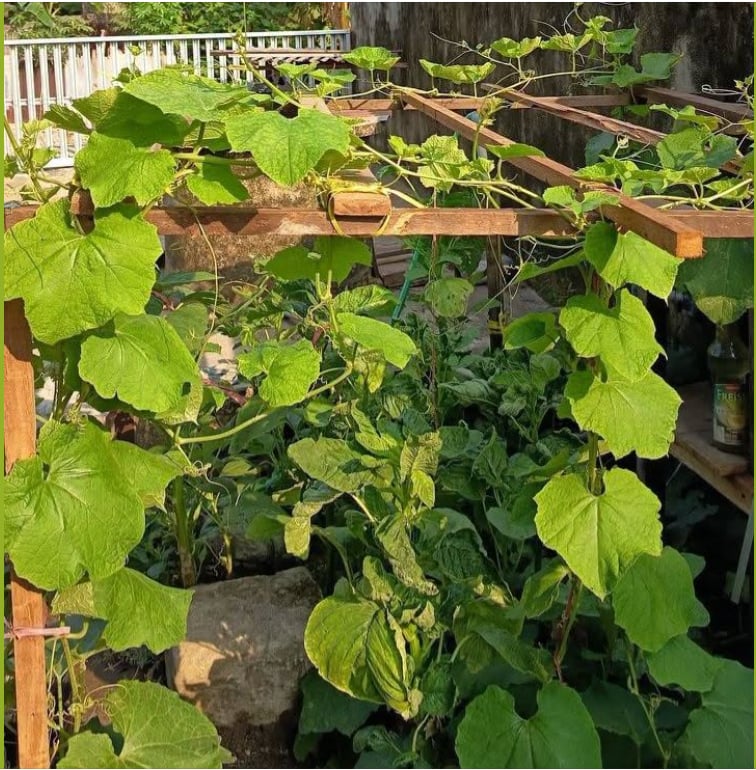
cucurbit vine (gourd/squash family)
What is this cucurbit vine growing wild on my trellis?
This looks like a cucurbit vine – something in the gourd/squash family, such as pumpkin, bottle gourd, or another edible squash – probably a volunteer from kitchen scraps or old compost. Let it flower and fruit to know exactly which one.
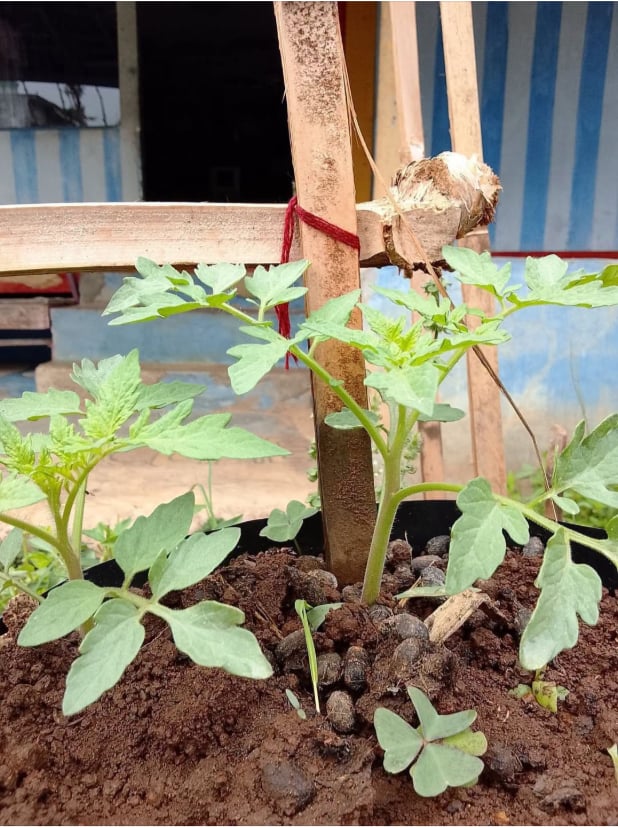
tomato
What plant is this seedling I planted?
The seedlings in the photo are tomato plants. Give them strong sun, a bigger pot or bed, and support as they grow taller.
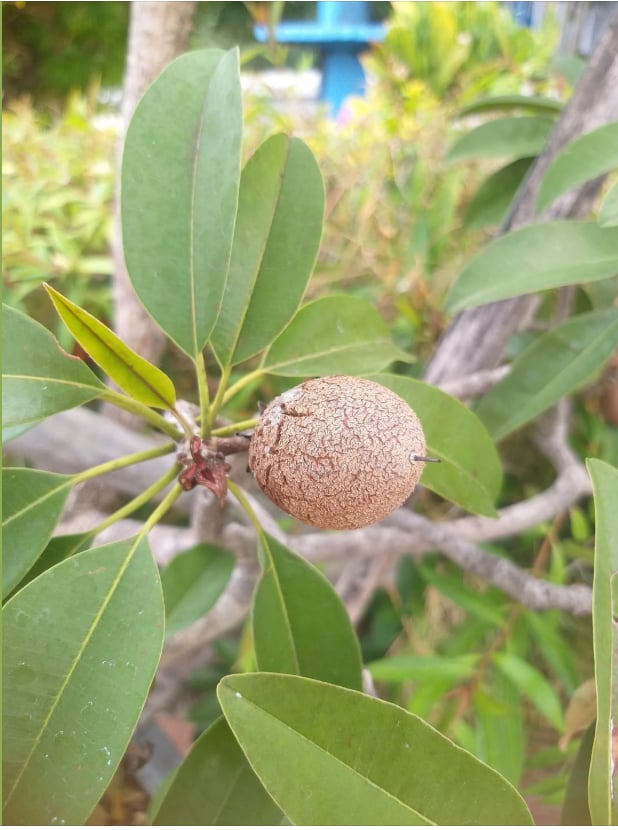
sapodilla (chikoo)
What is this tree with brown round fruits – is the fruit edible?
This looks very much like a sapodilla (chikoo) tree, whose ripe fruit is edible and sweet, but never eat anything based only on an online ID. Have a local plant expert or neighbor familiar with the tree confirm it in person before tasting.
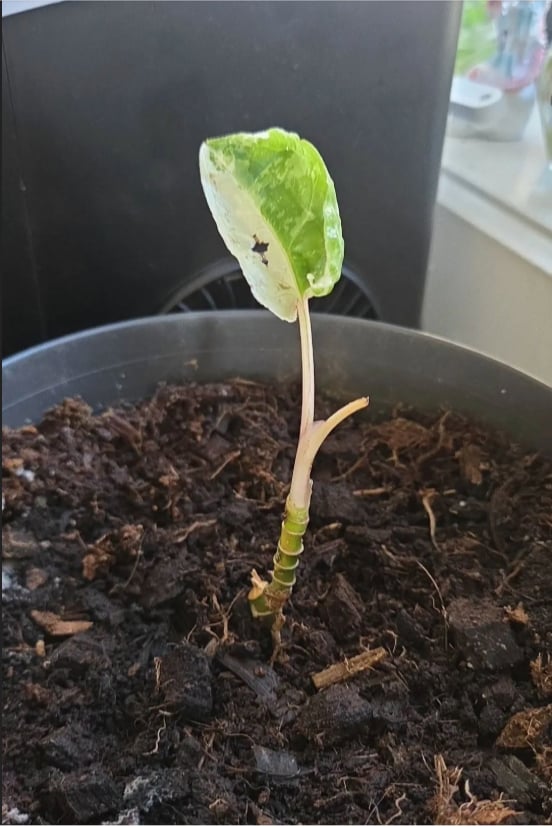
How can I identify this small cutting with only one damaged leaf?
From the photo, the plant is too small and damaged to confidently identify; it looks like a young aroid-type houseplant grown from a stem cutting. Let it grow a few new leaves and nodes, then compare leaf shape and growth habit for a more reliable ID.