
foxglove · Asked on Instagram · 6 November 2026
What is this large rosette plant that popped up on its own?
This looks like a foxglove (Digitalis), growing in its first-year leaf rosette. It’s a pretty biennial flower, but every part of the plant is highly poisonous, so only keep it if it’s away from pets and children.
The question
“Anyone know what this is? I didn’t plant it.”
What's likely going on
From the photo, the plant is forming a low, dense rosette of big, soft, slightly wrinkled leaves with a faintly hairy texture. The shape, leaf surface, and way it hugs the ground are all very typical of a first‑year foxglove (Digitalis), a common self‑seeding garden biennial.
Foxglove often appears "by itself" because nearby plants or past plantings drop seed that can sprout a year or more later. In the first year it just makes this leafy mound; in the second year it usually sends up tall flower spikes with tubular, spotted bells.
Do be aware: foxglove is beautiful but highly toxic if eaten by people, pets, or livestock.
What to do
Decide if you want to keep it
If you like tall flower spikes and don’t have curious kids or pets that chew plants, you can leave it where it is.If keeping it, give it room
Let the rosette spread and avoid crowding it with other plants. It will likely shoot up a tall stem next growing season.If you’d rather not risk it, remove it
Wear gloves, dig out the whole root, and dispose of it with the trash or let it dry out completely before composting.Watch for seedlings later
Foxglove reseeds. Pull small rosettes as you see them if you don’t want more.
How to prevent it
- Mulch bare soil so self‑sown seeds are less likely to sprout.
- Remove flower spikes after blooming on neighboring foxgloves to reduce seed spread.
- Regularly weed young rosettes before they get large.
When to worry
- If pets, children, or grazing animals can reach this area, it’s safest to remove the plant.
- Seek medical or veterinary help immediately if any part might have been eaten.
- If you’re still unsure of the ID, take close photos of the leaf surface (both sides) and, later, of the flower spikes—those details can confirm it’s foxglove and not a similar rosette‑forming plant like comfrey.
Answered by the GrowPls assistant. Every plant and room is different; if things don't improve, a clear close-up photo of the affected part is the fastest way to a better answer.
Related questions
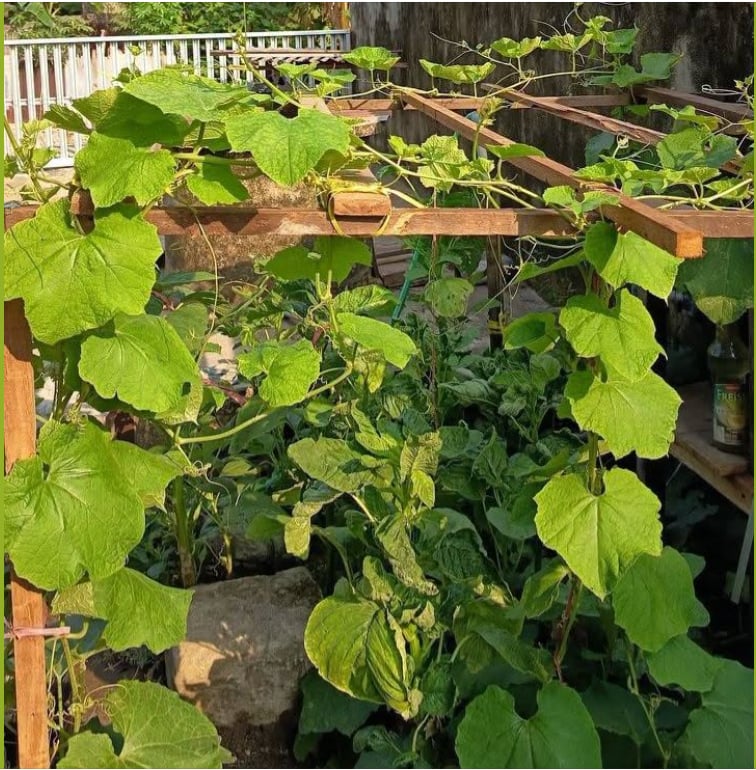
cucurbit vine (gourd/squash family)
What is this cucurbit vine growing wild on my trellis?
This looks like a cucurbit vine – something in the gourd/squash family, such as pumpkin, bottle gourd, or another edible squash – probably a volunteer from kitchen scraps or old compost. Let it flower and fruit to know exactly which one.
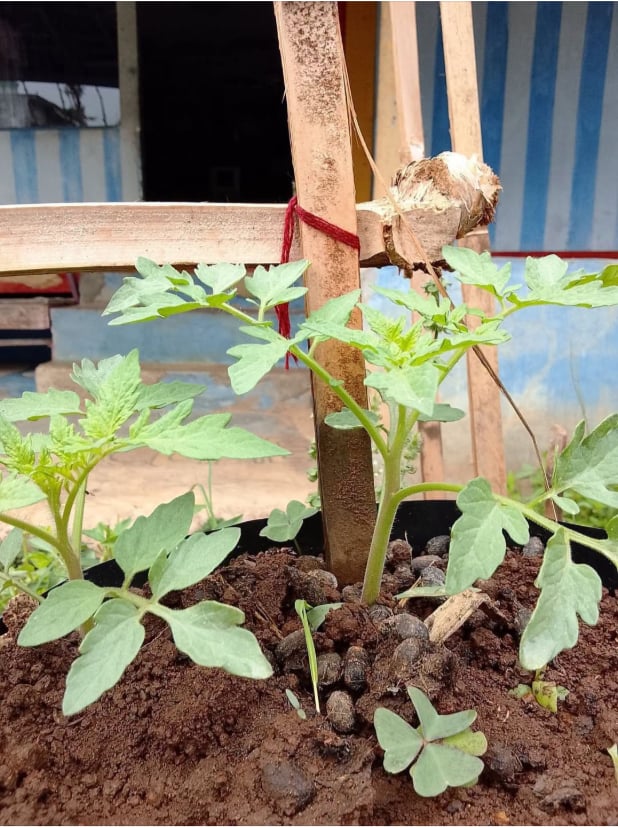
tomato
What plant is this seedling I planted?
The seedlings in the photo are tomato plants. Give them strong sun, a bigger pot or bed, and support as they grow taller.
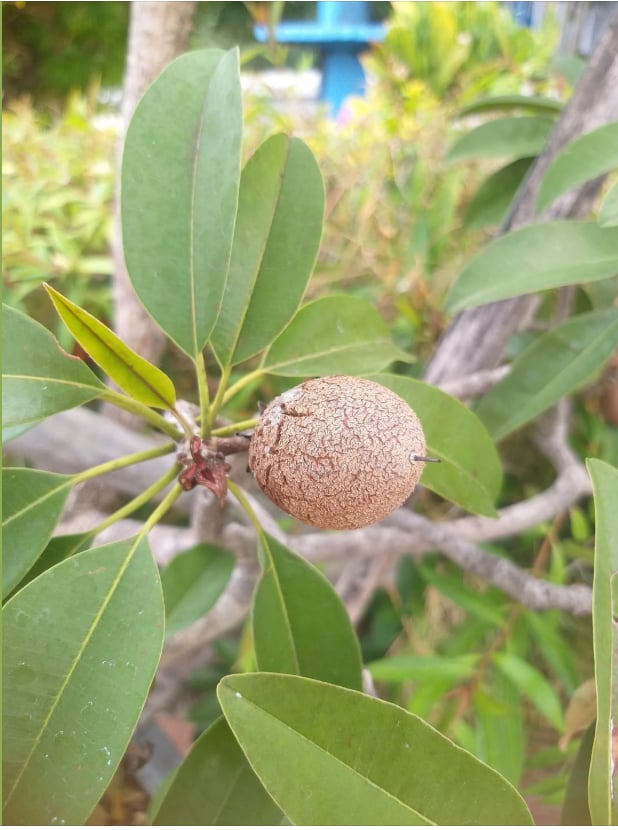
sapodilla (chikoo)
What is this tree with brown round fruits – is the fruit edible?
This looks very much like a sapodilla (chikoo) tree, whose ripe fruit is edible and sweet, but never eat anything based only on an online ID. Have a local plant expert or neighbor familiar with the tree confirm it in person before tasting.
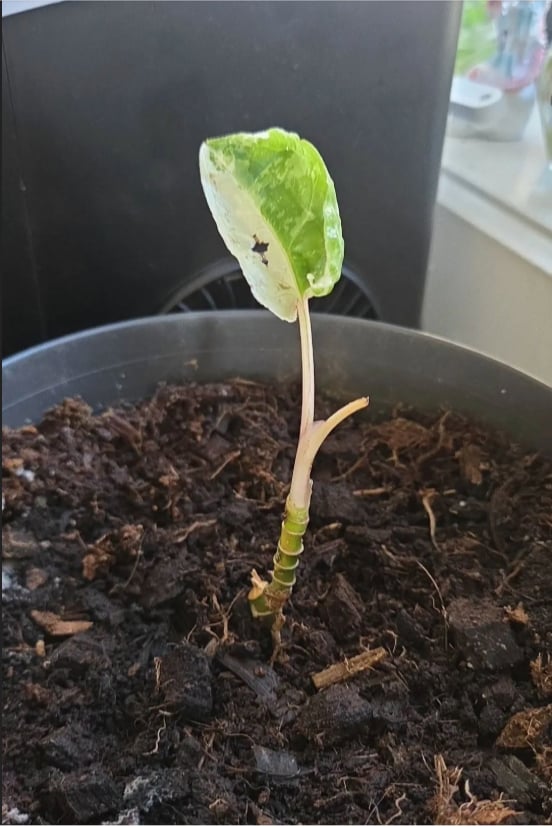
How can I identify this small cutting with only one damaged leaf?
From the photo, the plant is too small and damaged to confidently identify; it looks like a young aroid-type houseplant grown from a stem cutting. Let it grow a few new leaves and nodes, then compare leaf shape and growth habit for a more reliable ID.