
sundew · Asked on Facebook · 5 November 2026
Why aren’t my sundew flower buds opening?
Those look like sundew flower buds that are stalled because the plant is a bit stressed or not getting quite enough light/energy. Improve light and growing conditions and the next flower stalks should open normally.
The question
“Any idea why the flowers won’t open?”
What's likely going on
From the photos, this is a sundew (Drosera) sending up a flower stalk with many small yellow‑green buds tipped with pink. It’s normal for these buds to be tightly closed at first, then open one at a time for only a few hours, usually in the morning.
If they never open and eventually dry up, that usually means:
- Not enough light – Sundews need strong light (bright window or grow light) to have enough energy to flower properly. In low light they often make buds that stall and dry.
- General stress – Recent repotting, incorrect water (tap water with minerals), or soil that isn’t nutrient‑poor peat/sphagnum can all weaken the plant. A stressed sundew will often abort flowers.
- Temperature or humidity swings – Very hot, very cold, or very dry air, especially near a sunny window, can cause buds to dry before opening.
From the picture the plant looks a bit small and possibly recently potted, which also points to low energy/stress rather than a disease.
What to do
- Increase light
- Give 4–6+ hours of direct sun (morning sun is ideal) or place under a bright LED grow light 12–14 hours a day.
- Check water quality
- Use only rainwater, distilled water, or reverse‑osmosis (RO) water. Keep the pot standing in a shallow tray of this water so the soil stays evenly damp.
- Confirm the soil mix
- Sundews need nutrient‑poor media: usually sphagnum peat moss mixed with sand or perlite, with no added fertilizer or compost.
- Reduce other stress
- Avoid repotting again for a while.
- Keep temperatures moderate (about 18–30°C) and avoid blasts of hot, dry air.
- Be patient and watch the next stalk
- The current buds may already be past saving. Focus on improving care so the next flower stalk opens normally.
How to prevent it
- Keep light strong year‑round.
- Always use low‑mineral water and carnivorous‑plant‑safe soil.
- Avoid feeding with regular fertilizer; sundews get nutrients from insects.
- Try to keep conditions steady, not swinging between very wet/dry or hot/cool.
When to worry
- If new flower stalks also never open after improving light and water.
- If the plant stops making sticky droplets or leaves turn brown from the center outward.
In those cases, recheck soil and water, and consider repotting into fresh, proper carnivorous plant mix with pure water and strong light.
Answered by the GrowPls assistant. Every plant and room is different; if things don't improve, a clear close-up photo of the affected part is the fastest way to a better answer.
Related questions
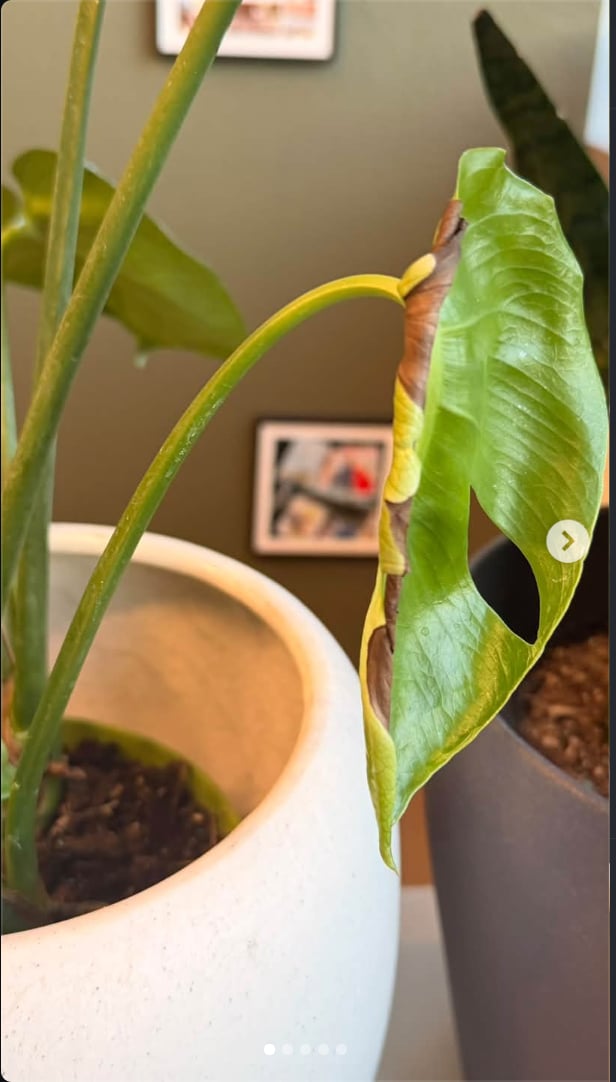
monstera
Why is my Monstera new leaf browning before it fully opens?
That brown edge on the new leaf is usually from stress while the leaf is still tightly rolled – most often low humidity, underwatering, or the leaf getting stuck and damaged. Check watering, light, and humidity, and focus on helping the next leaf grow in better.
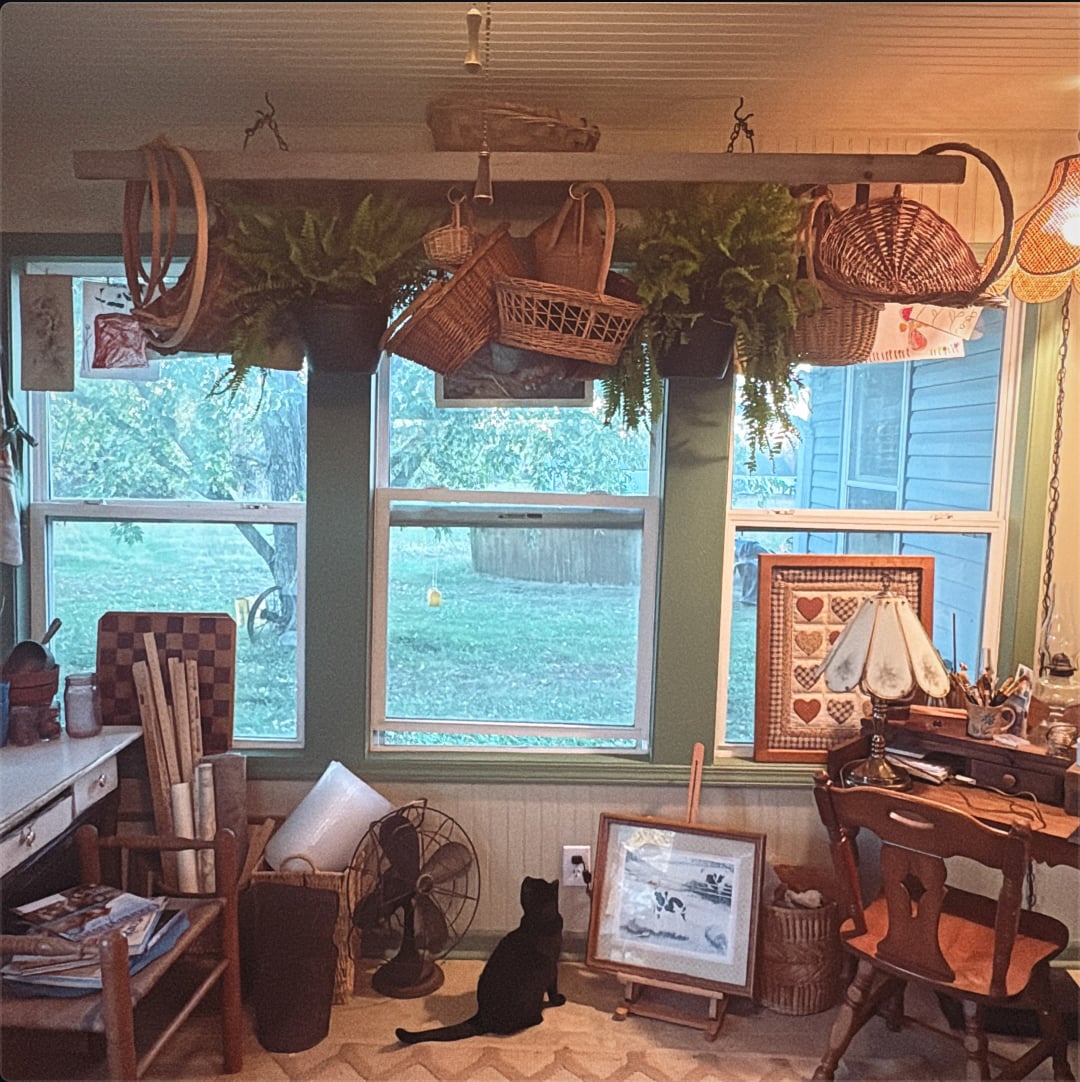
fern (likely Boston fern)
How do I overwinter hanging ferns in a bright sunroom?
That sunroom spot should work well if the ferns get bright but not harsh direct sun and the air isn’t too hot or dry. Indoors, water whenever the top of the soil just starts to feel dry, which is often about once a week but depends on your room’s temperature and humidity.
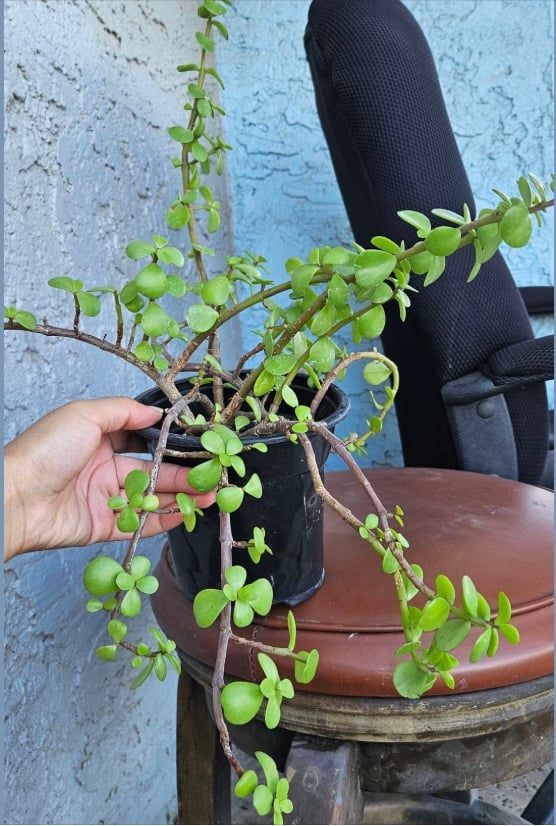
elephant bush
Why is my elephant bush (Portulacaria afra) droopy and losing leaves?
This elephant bush is most likely reacting to a change in light and watering, and it’s probably staying too wet in its current soil. Move it to brighter light, let it dry more between waterings, and consider repotting into a fast‑draining succulent mix.
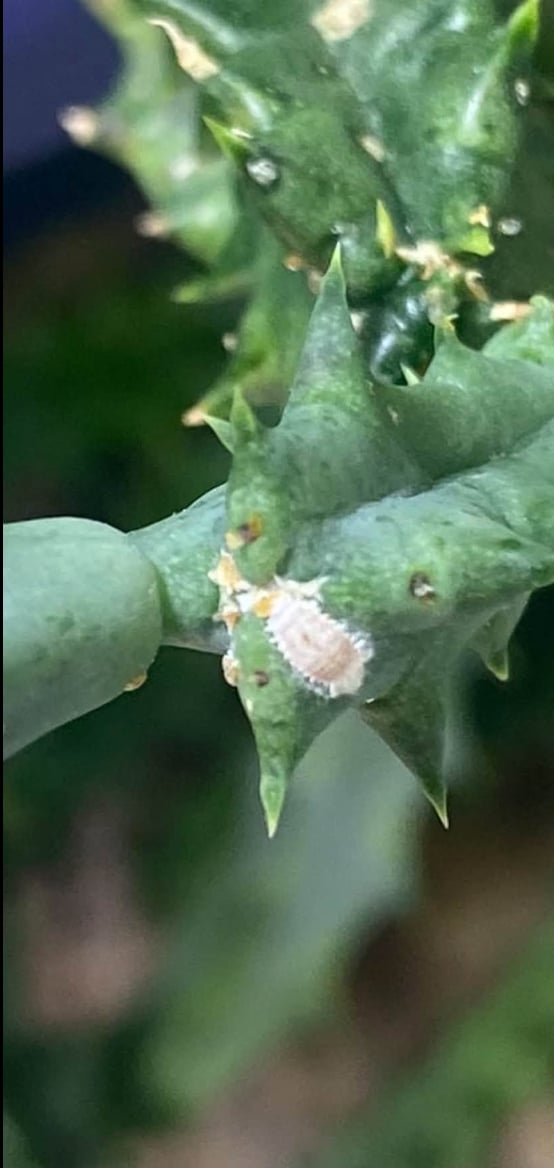
mealybugs
What are the white bugs on my indoor succulent and will soap kill them?
Those white, fuzzy ovals are mealybugs (a type of sap‑sucking insect). Isolate the plant, wipe them off with cotton dipped in rubbing alcohol, then follow up with a gentle soapy or insecticidal soap spray repeated weekly until they’re gone.