
elephant bush · Asked on Facebook · 5 November 2026
Why is my elephant bush (Portulacaria afra) droopy and losing leaves?
This elephant bush is most likely reacting to a change in light and watering, and it’s probably staying too wet in its current soil. Move it to brighter light, let it dry more between waterings, and consider repotting into a fast‑draining succulent mix.
The question
“Got this free from someone local. It was doing great the branches were bright green But now its droopy, leaves are falling off, the green color has dimmed down a lot. Any ideas whats wrong? Does it maybe need to be repotted? Its a 5 inch pot”
What's likely going on
This looks like an elephant bush (Portulacaria afra), a succulent that likes bright light and quick‑draining soil.
From the photo, a few things stand out:
- The stems are long, thin, and flopping: this often happens in lower light, when the plant stretches and can’t hold itself up well.
- Some branches are woody with fewer leaves: that can be normal with age, but increased leaf drop suggests stress.
- Nursery‑style black plastic pot: these often hold moisture too long for succulents, especially if the mix is peat‑heavy.
The most likely combination is:
- Light drop after moving homes – it was used to stronger light, and now it’s in a more shaded spot, so growth has weakened and color looks duller.
- Overwatering / slow‑drying soil – if the soil stays damp for many days, the fine roots struggle, leading to droop and falling leaves.
Rootbound alone usually doesn’t cause this in succulents; they often like slightly tight pots, but wet crowded roots do cause problems.
What to do
Check the soil moisture
Stick a finger or wooden skewer in the soil. If it comes out wet or cool and dark, hold off watering until the top half of the pot is fully dry.Improve the light
Give it bright indirect light or a few hours of gentle morning sun. Avoid suddenly moving it from shade to harsh midday sun; increase light over a week or two.Repot into better soil
When the soil is mostly dry, slide the plant out. If the roots are circling tightly in heavy, peaty mix, repot into a slightly larger pot with drainage and a gritty succulent/cactus mix (or regular potting soil mixed with plenty of perlite/pumice and coarse sand).Trim and propagate leggy stems
Cut back very long, bare stems to shape the plant. Let cuttings dry a day, then stick into dry succulent mix to root.Adjust watering long‑term
Water deeply, then wait until the mix is dry at least halfway down before watering again. In cool or low‑light conditions, this might mean every 10–20 days, not on a fixed schedule.
How to prevent it
- Keep elephant bush in bright light from the start so it grows compact and sturdy.
- Use only pots with drainage holes and a fast‑draining mix.
- Avoid frequent sips of water; instead, water thoroughly but less often.
- Rotate the pot occasionally so it doesn’t lean strongly in one direction.
When to worry
- Leaves turn mushy, translucent, or stems feel soft and wrinkly near the base – check for root rot and remove any black, slimy roots.
- A sour smell or blackened stem sections – cut back to healthy tissue and repot into fresh, dry mix.
- If new growth stays pale and tiny even after better light and soil for a month or two, consider checking for pests like mealybugs hidden in leaf joints.
Answered by the GrowPls assistant. Every plant and room is different; if things don't improve, a clear close-up photo of the affected part is the fastest way to a better answer.
Related questions
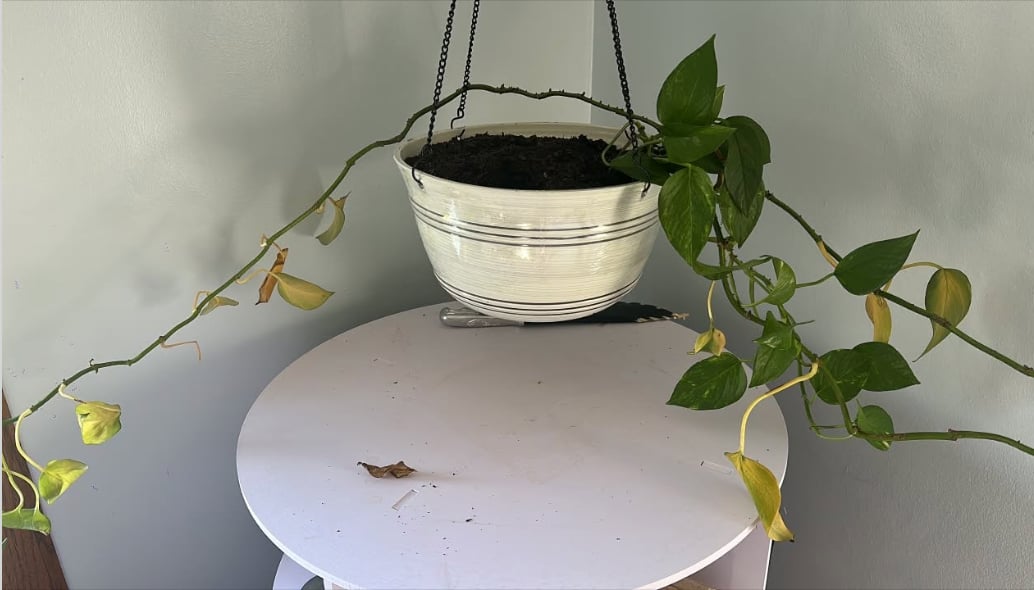
pothos (money plant)
Why are my pothos leaves turning yellow after repotting?
Those yellow leaves are most likely from stress after repotting plus soil that’s staying too wet. Check that the pot drains well, let the soil dry a bit between waterings, and trim off the worst yellow leaves.
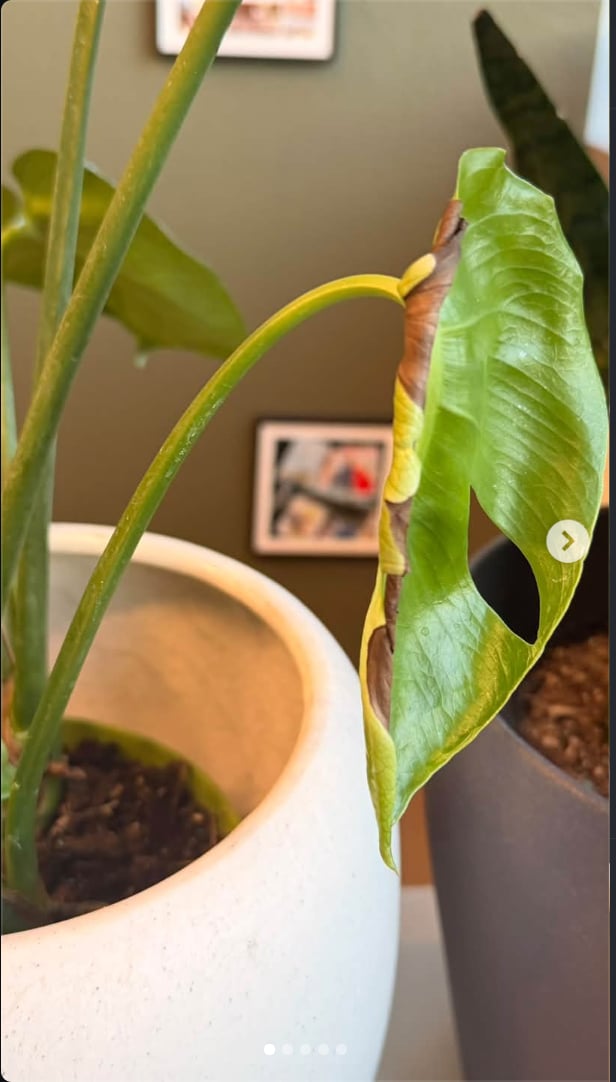
monstera
Why is my Monstera new leaf browning before it fully opens?
That brown edge on the new leaf is usually from stress while the leaf is still tightly rolled – most often low humidity, underwatering, or the leaf getting stuck and damaged. Check watering, light, and humidity, and focus on helping the next leaf grow in better.
How do I know when my plants need watering?
Most plants should be watered when the top layer of soil has dried out, not on a fixed schedule. Check the soil with your finger, lift the pot to feel the weight, and watch the leaves for early signs of thirst like slight drooping or dullness.
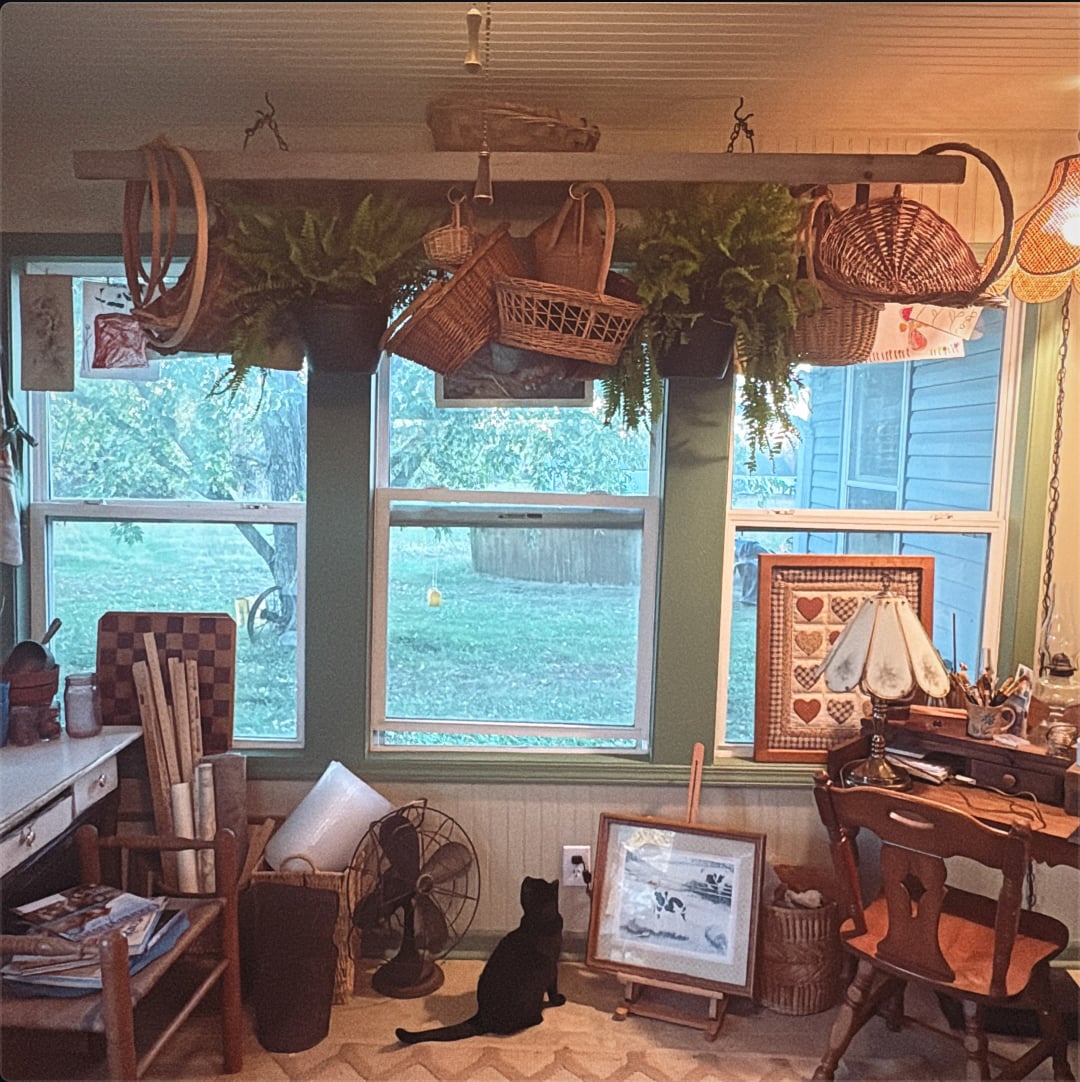
fern (likely Boston fern)
How do I overwinter hanging ferns in a bright sunroom?
That sunroom spot should work well if the ferns get bright but not harsh direct sun and the air isn’t too hot or dry. Indoors, water whenever the top of the soil just starts to feel dry, which is often about once a week but depends on your room’s temperature and humidity.