
bird of paradise · Asked on Instagram · 3 November 2026
Can I cut off side leaves to make my bird of paradise narrower?
Yes, you can remove a few outer leaves of a bird of paradise to slim its shape, as long as you cut each leaf cleanly at the base and don’t remove too many at once. This plant naturally grows wide, though, so be prepared that it will keep wanting that broad shape.
The question
“My plant is doing very well. Can I cut off the ugly side leaves so that it is less broad? Please give tips! Thank you +44 7427 535387”
What's likely going on
The plant in the photo is a bird of paradise (Strelitzia), and it actually looks very healthy. These plants naturally grow in a fan shape and can get quite wide. The outer leaves arch out more, so they’re often the ones people find “too broad” or messy.
You can prune individual leaves, but there are two important limits:
- Each leaf is attached to its own stem; if you cut it off, that particular stem will never grow a new leaf.
- Removing too many at once reduces the plant’s ability to photosynthesize (make energy), which can slow growth and stress it.
So the goal is gentle shaping, not a big haircut.
What to do
Choose only the worst offenders
Pick 1–3 of the outermost, lowest, or most damaged leaves that really bother you.Use clean, sharp tools
Use clean secateurs or a sharp knife. Wipe the blades with alcohol or soapy water first to avoid introducing disease.Cut at the base, not halfway
Follow the leaf stem down into the pot and cut it as low as you can without damaging neighboring stems. Don’t just trim the leaf blade; that leaves brown edges that look worse.Step back and wait
After removing a few leaves, stop and live with the new shape for a couple of weeks. If the plant still feels too wide and looks strong, you can repeat and remove 1–2 more.Consider repositioning the pot
Sometimes turning the pot or moving it a little farther from walkways or doors solves the “too broad” issue better than heavy pruning.
How to prevent it
- Place the plant where its natural spread fits the space (corners and empty wall sections are good).
- Rotate the pot every few weeks so it grows evenly, not leaning in one direction.
- Keep light bright but indirect; strong light keeps growth strong and upright rather than weak and floppy.
When to worry
- If many leaves yellow, brown, or droop after pruning, stop cutting and check watering and light.
- If you see soft, mushy stems at the base, there could be rot from overwatering—repot into fresh, well‑draining soil and let the top few centimeters dry between waterings.
- If new leaves emerge very small or twisted, the plant may be exhausted; then focus on care, not shaping, for a while.
Answered by the GrowPls assistant. Every plant and room is different; if things don't improve, a clear close-up photo of the affected part is the fastest way to a better answer.
Related questions
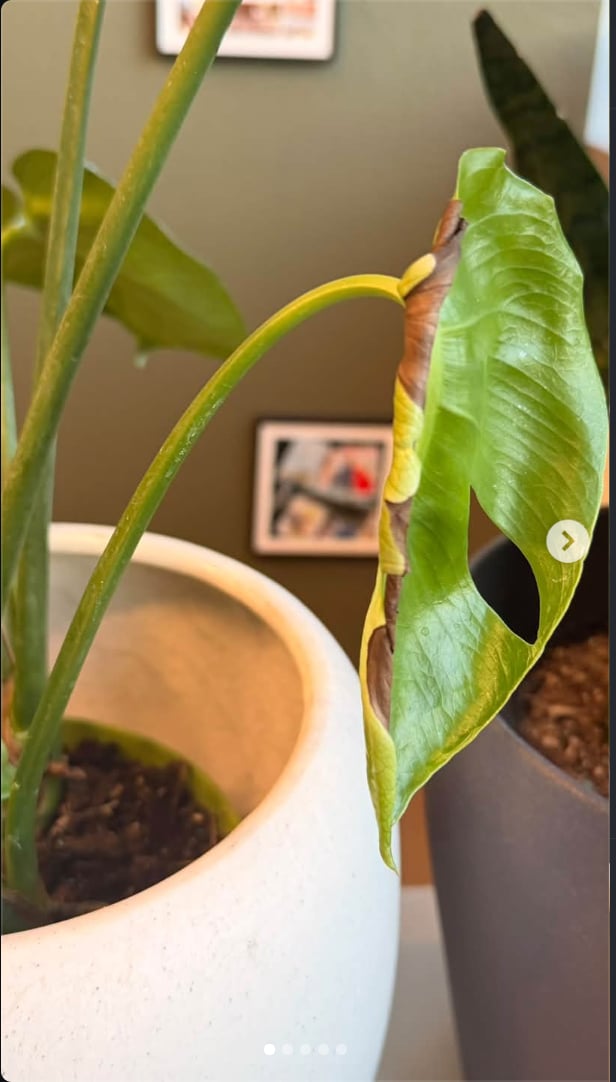
monstera
Why is my Monstera new leaf browning before it fully opens?
That brown edge on the new leaf is usually from stress while the leaf is still tightly rolled – most often low humidity, underwatering, or the leaf getting stuck and damaged. Check watering, light, and humidity, and focus on helping the next leaf grow in better.
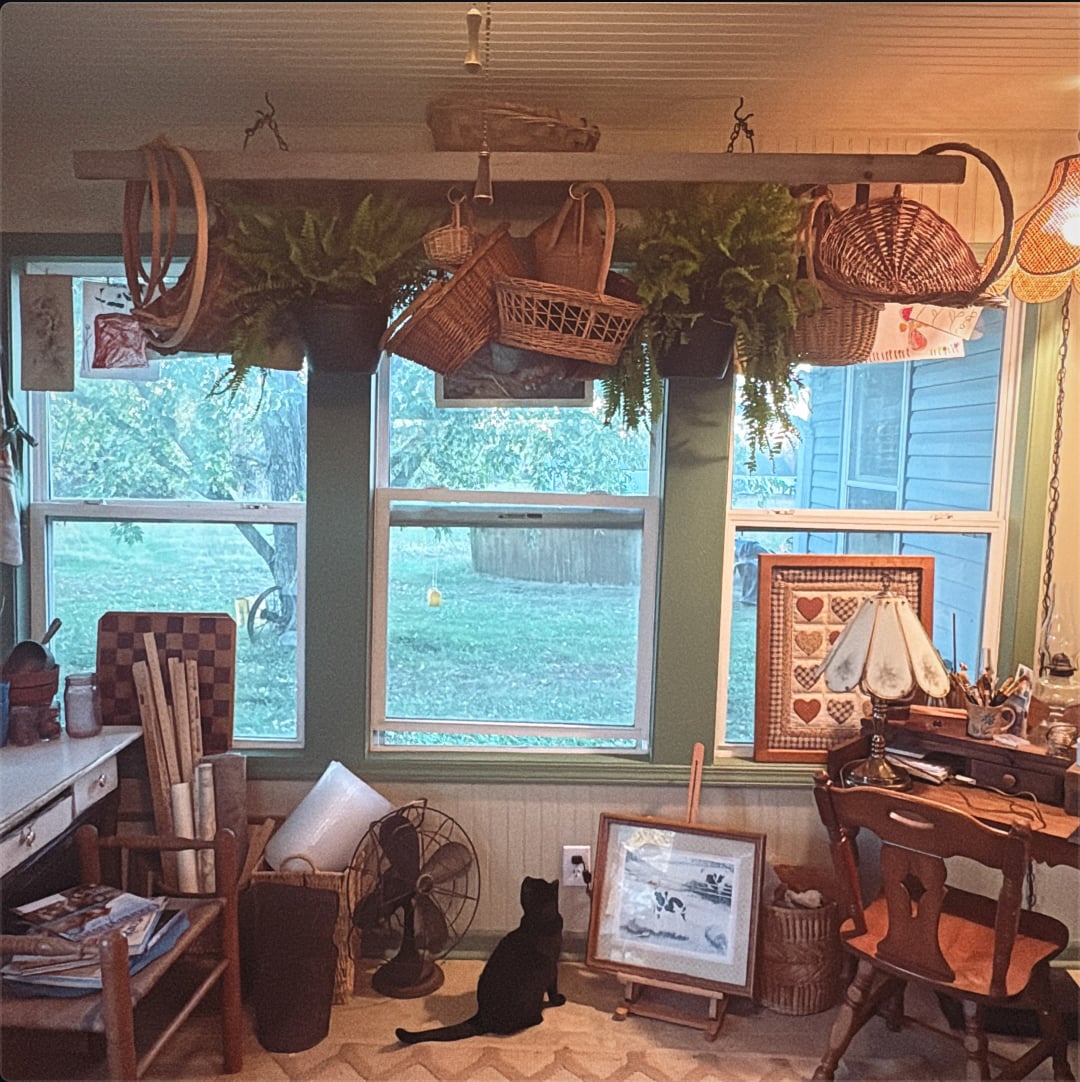
fern (likely Boston fern)
How do I overwinter hanging ferns in a bright sunroom?
That sunroom spot should work well if the ferns get bright but not harsh direct sun and the air isn’t too hot or dry. Indoors, water whenever the top of the soil just starts to feel dry, which is often about once a week but depends on your room’s temperature and humidity.
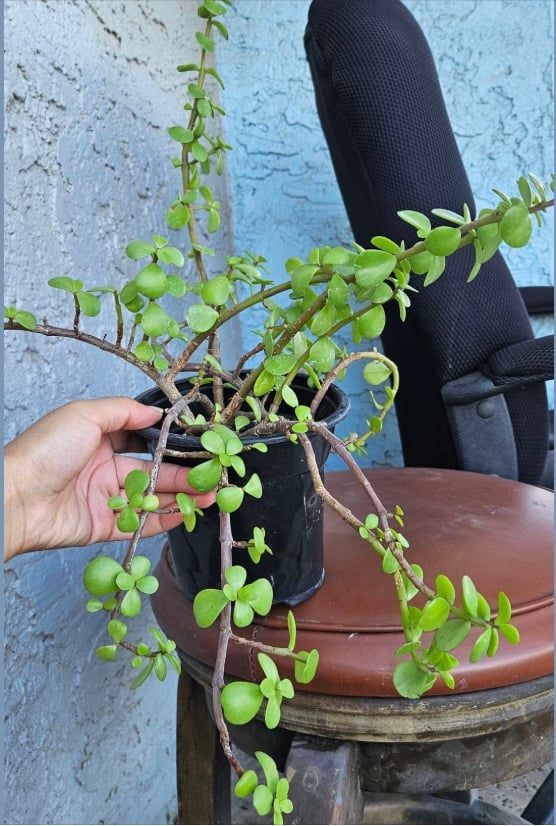
elephant bush
Why is my elephant bush (Portulacaria afra) droopy and losing leaves?
This elephant bush is most likely reacting to a change in light and watering, and it’s probably staying too wet in its current soil. Move it to brighter light, let it dry more between waterings, and consider repotting into a fast‑draining succulent mix.
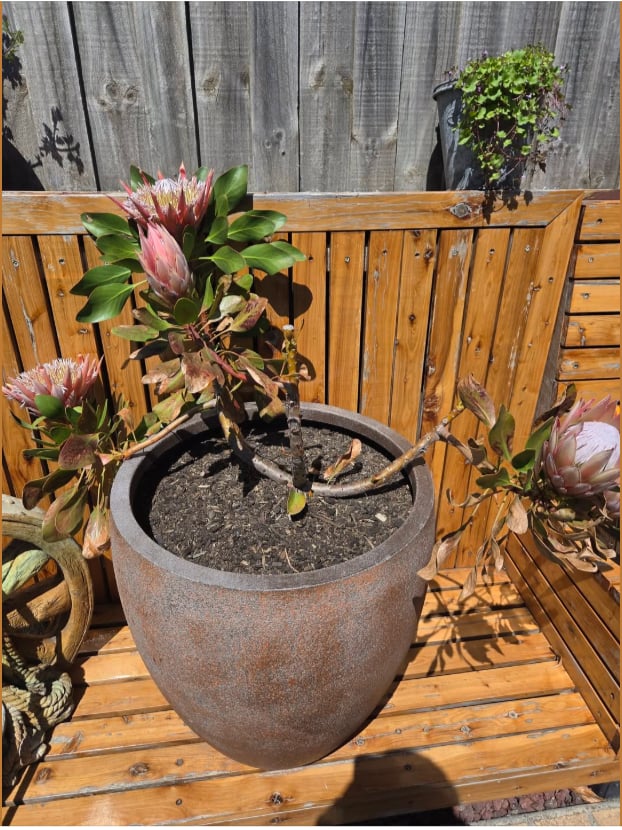
protea
How can I save my potted protea that is browning and sparse?
The protea in the photo is stressed, likely from a mix of poor drainage/over‑watering and an unsuitable potting mix. Trim back the dead stems, improve drainage, and refresh with a very free‑draining, low‑fertility mix, then water deeply but only when the top of the mix has dried out.