
Asked on Facebook · 6 November 2026
How can I identify this small cutting with only one damaged leaf?
From the photo, the plant is too small and damaged to confidently identify; it looks like a young aroid-type houseplant grown from a stem cutting. Let it grow a few new leaves and nodes, then compare leaf shape and growth habit for a more reliable ID.
The question
“Can anyone identify this plant please. My application is saying 3 different things”
What's likely going on
With only one small, damaged leaf and a short stem showing old leaf scars, this looks like a young cutting of a common houseplant (probably in the aroid family, which includes pothos, philodendrons, monsteras, etc.).
However, at this stage there isn’t enough clear detail to say exactly which one. Plant ID apps often guess several different species when a plant is this young or stressed, because leaf shape and color haven’t fully developed yet.
To get a reliable identification, the plant needs to produce a few healthy new leaves so you can see:
- The true leaf shape (heart‑shaped, oval, arrow‑shaped, etc.)
- Whether it wants to climb or stay upright
- The pattern of any variegation (light patches) on the leaves.
What to do
Give it bright, indirect light
Place near a bright window, but not in harsh midday sun which can scorch the only leaf.Water carefully
Keep the top of the soil just slightly moist, not soggy. Let the top 2–3 cm dry before watering again to avoid root rot.Check the pot and soil
Make sure the pot has drainage holes. Use a loose potting mix (regular indoor mix with some coco coir or perlite works well) so roots get air.Avoid heavy feeding right now
Until you see new growth, skip strong fertilizer. If you want, use a very weak liquid fertilizer once a month.Wait for new leaves, then take clearer photos
Once it has 2–3 fresh leaves, photograph a close‑up of a leaf, the whole plant, and the stem where leaves attach. That’s when an accurate ID is possible.
How to prevent it
- When taking or buying cuttings, keep a label with the plant name.
- Start cuttings with at least 2–3 nodes (the little joints on the stem) so the plant can establish more quickly.
When to worry
- If the stem turns mushy, black, or collapses, the cutting may be rotting. Remove any soft parts and let the soil dry more between waterings.
- If the leaf completely dies but the stem is still firm, you can still wait a few weeks—new growth can emerge from the nodes.
- If nothing changes after 4–6 weeks (no new leaf, no visible growth), the cutting may not have rooted, and it could be time to start over with a fresh piece.
Answered by the GrowPls assistant. Every plant and room is different; if things don't improve, a clear close-up photo of the affected part is the fastest way to a better answer.
Related questions
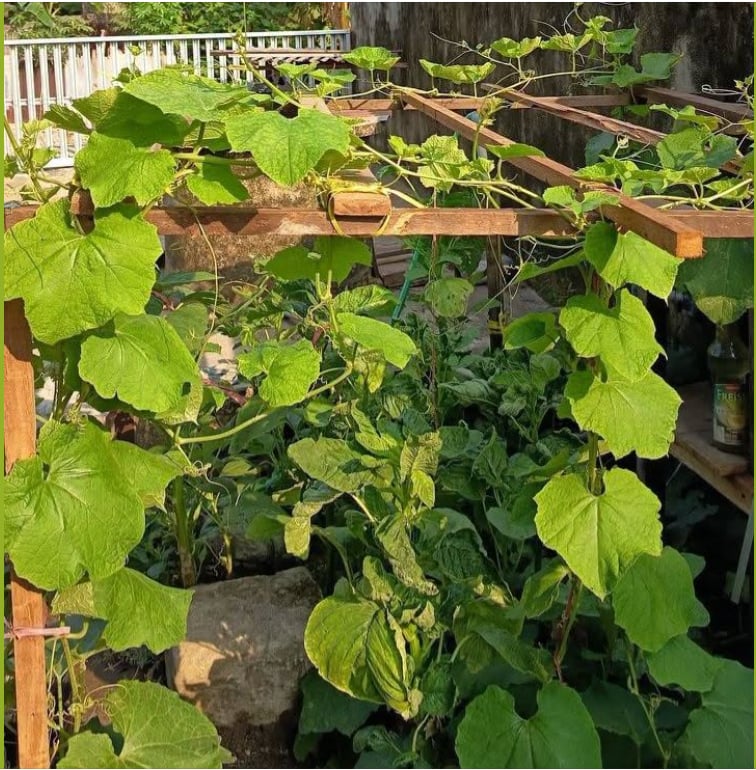
cucurbit vine (gourd/squash family)
What is this cucurbit vine growing wild on my trellis?
This looks like a cucurbit vine – something in the gourd/squash family, such as pumpkin, bottle gourd, or another edible squash – probably a volunteer from kitchen scraps or old compost. Let it flower and fruit to know exactly which one.
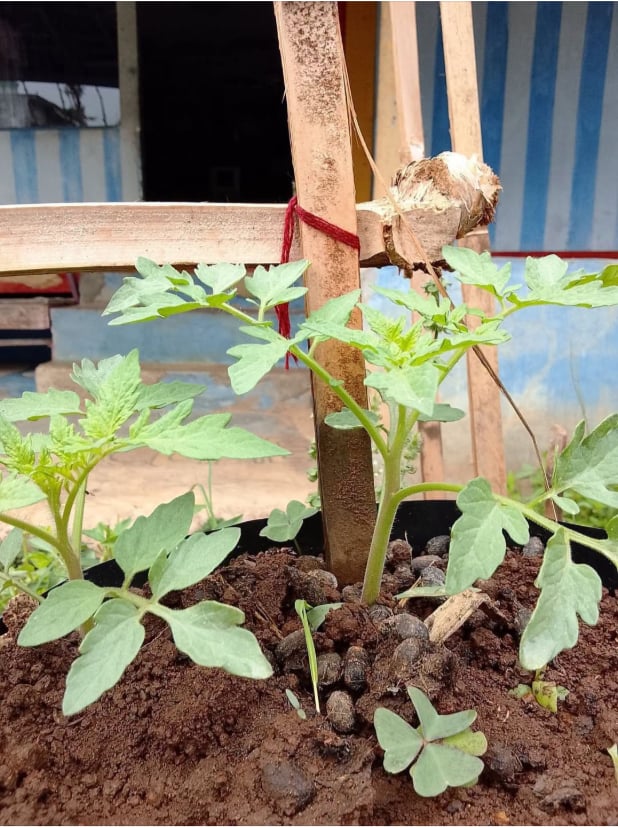
tomato
What plant is this seedling I planted?
The seedlings in the photo are tomato plants. Give them strong sun, a bigger pot or bed, and support as they grow taller.
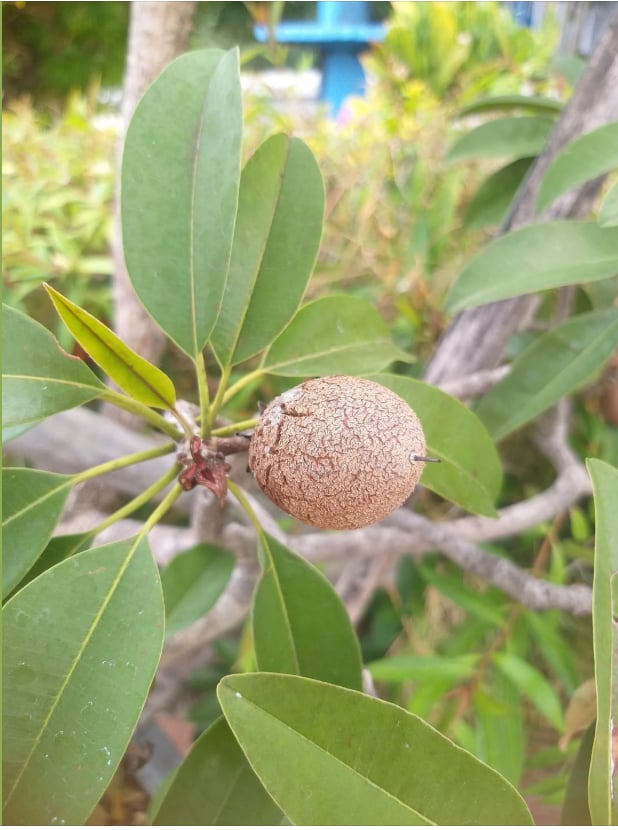
sapodilla (chikoo)
What is this tree with brown round fruits – is the fruit edible?
This looks very much like a sapodilla (chikoo) tree, whose ripe fruit is edible and sweet, but never eat anything based only on an online ID. Have a local plant expert or neighbor familiar with the tree confirm it in person before tasting.
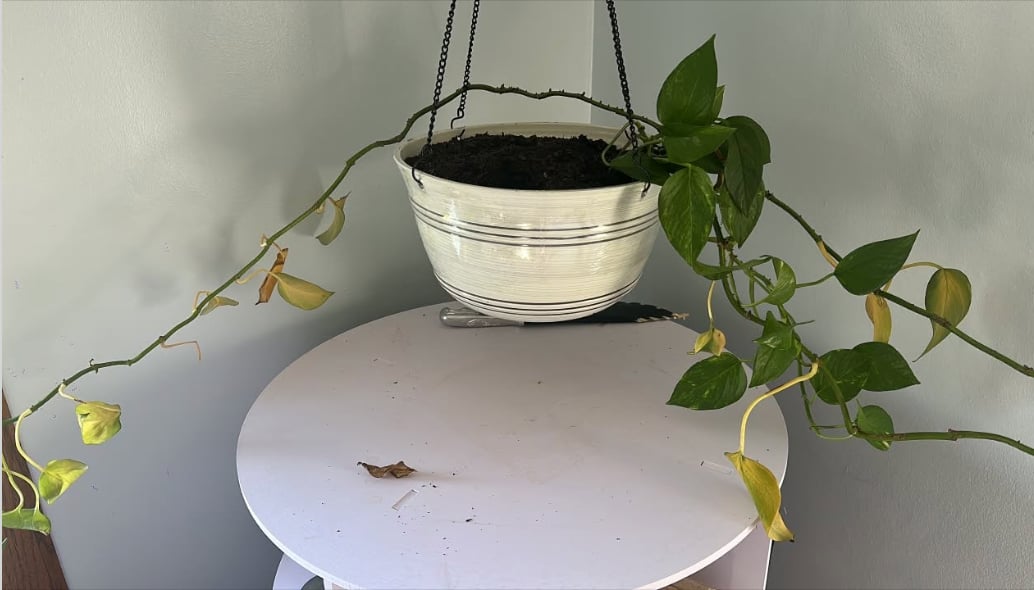
pothos (money plant)
Why are my pothos leaves turning yellow after repotting?
Those yellow leaves are most likely from stress after repotting plus soil that’s staying too wet. Check that the pot drains well, let the soil dry a bit between waterings, and trim off the worst yellow leaves.