
sapodilla (chikoo) · Asked on Facebook · 6 November 2026
What is this tree with brown round fruits – is the fruit edible?
This looks very much like a sapodilla (chikoo) tree, whose ripe fruit is edible and sweet, but never eat anything based only on an online ID. Have a local plant expert or neighbor familiar with the tree confirm it in person before tasting.
The question
“I don't know what plant it is. And dont know, if it could be eaten or not.”
What's likely going on
From the photo, the tree strongly resembles sapodilla (Manilkara zapota, also called chikoo):
- Leaves: narrow, oval, smooth, with entire (not toothed) edges and a leathery look.
- Fruit: round to oval, brown, and rough on the outside, like a small kiwi without hairs.
- Growth: fruits borne close to the stem on short stalks.
On a sapodilla tree, the ripe fruit is edible and very sweet, but the white sap (latex) in unripe fruit and in the bark is sticky and not pleasant to eat.
However, photos alone are never 100% reliable for safety. Some other trees can look similar when seen only from one angle.
What to do
Do not eat it yet
Never taste a plant based only on a picture from the internet.Check a few key signs of sapodilla
- Scratch the skin of a fruit lightly: unripe sapodilla usually bleeds sticky white latex.
- Cut a fallen or very ripe fruit: the inside should be brown, soft, and sweet-smelling, with 2–5 shiny dark brown seeds that each have a small hook at one end.
Ask for in‑person confirmation
Show the tree and fruit to a local gardener, nursery, or agricultural officer. Take a fruit cut open so they can see the inside too.If confirmed as sapodilla
Only eat fully ripe fruits (soft to the touch, skin slightly dull, and sweet smell). Avoid the seeds; they are not eaten.
How to prevent it
- When planting unknown trees, label them early.
- Keep a note of where saplings came from (nursery tag, friend’s cutting, etc.).
- Use a plant ID app or book as a first clue, then confirm in person before eating.
When to worry
- If anyone eats an unknown fruit and feels burning, numbness, nausea, or stomach pain, get medical help immediately and take a sample of the fruit along.
- If you cannot get firm local identification, it’s safest to enjoy the tree as ornamental only and not eat the fruit.
Answered by the GrowPls assistant. Every plant and room is different; if things don't improve, a clear close-up photo of the affected part is the fastest way to a better answer.
Related questions
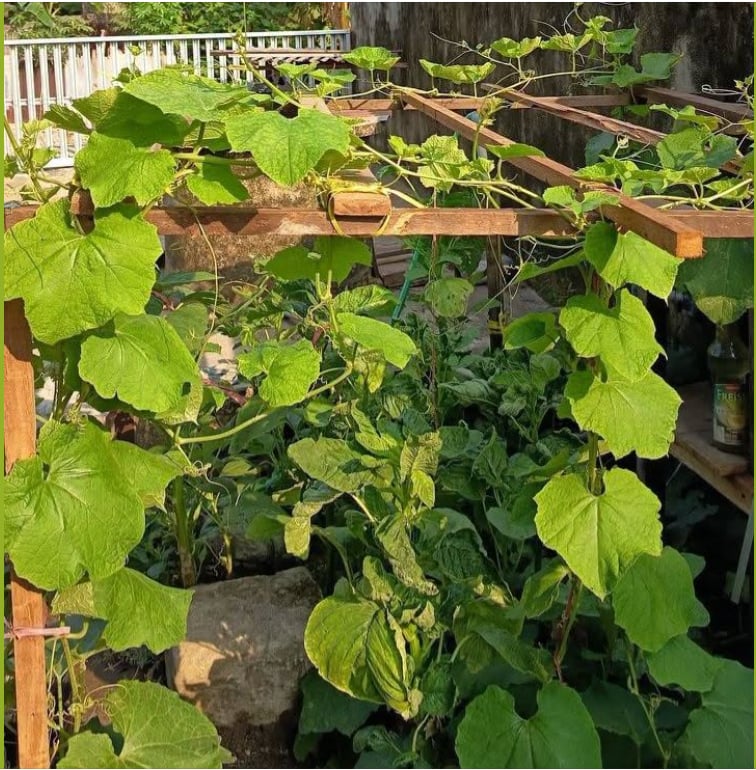
cucurbit vine (gourd/squash family)
What is this cucurbit vine growing wild on my trellis?
This looks like a cucurbit vine – something in the gourd/squash family, such as pumpkin, bottle gourd, or another edible squash – probably a volunteer from kitchen scraps or old compost. Let it flower and fruit to know exactly which one.
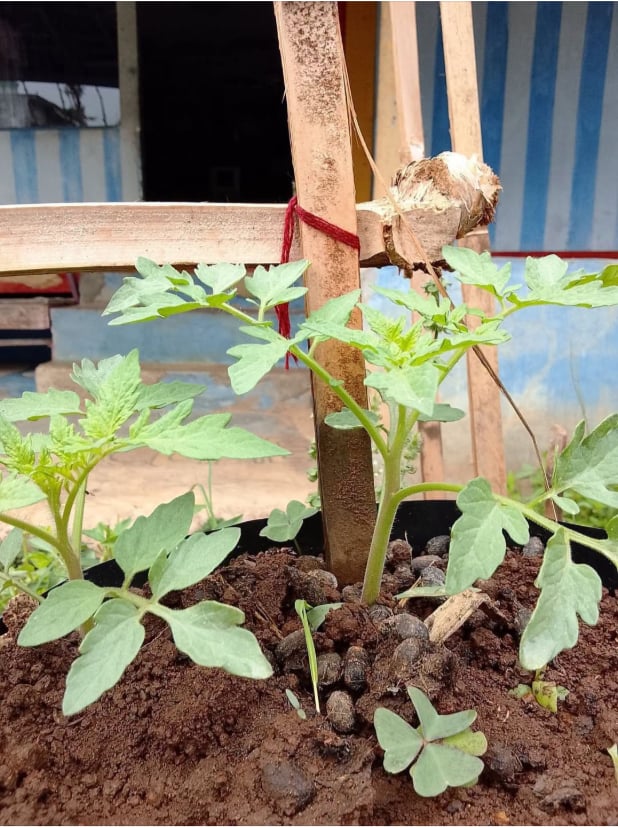
tomato
What plant is this seedling I planted?
The seedlings in the photo are tomato plants. Give them strong sun, a bigger pot or bed, and support as they grow taller.
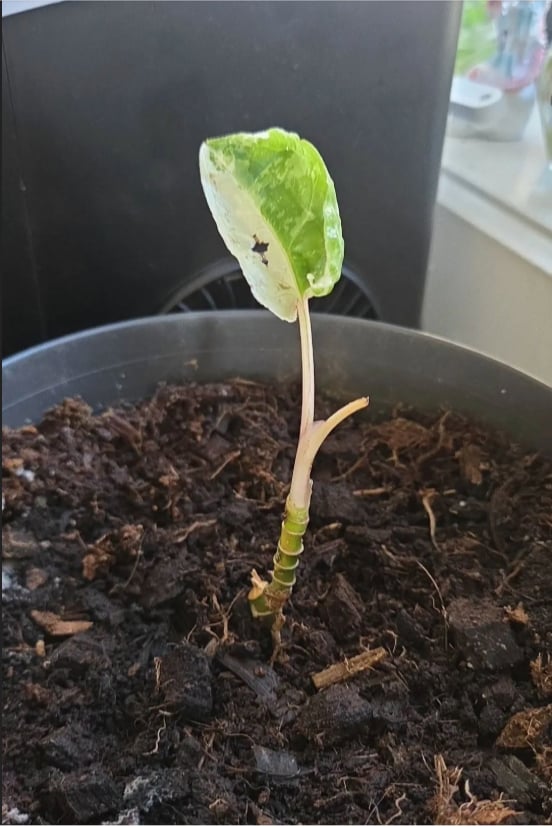
How can I identify this small cutting with only one damaged leaf?
From the photo, the plant is too small and damaged to confidently identify; it looks like a young aroid-type houseplant grown from a stem cutting. Let it grow a few new leaves and nodes, then compare leaf shape and growth habit for a more reliable ID.
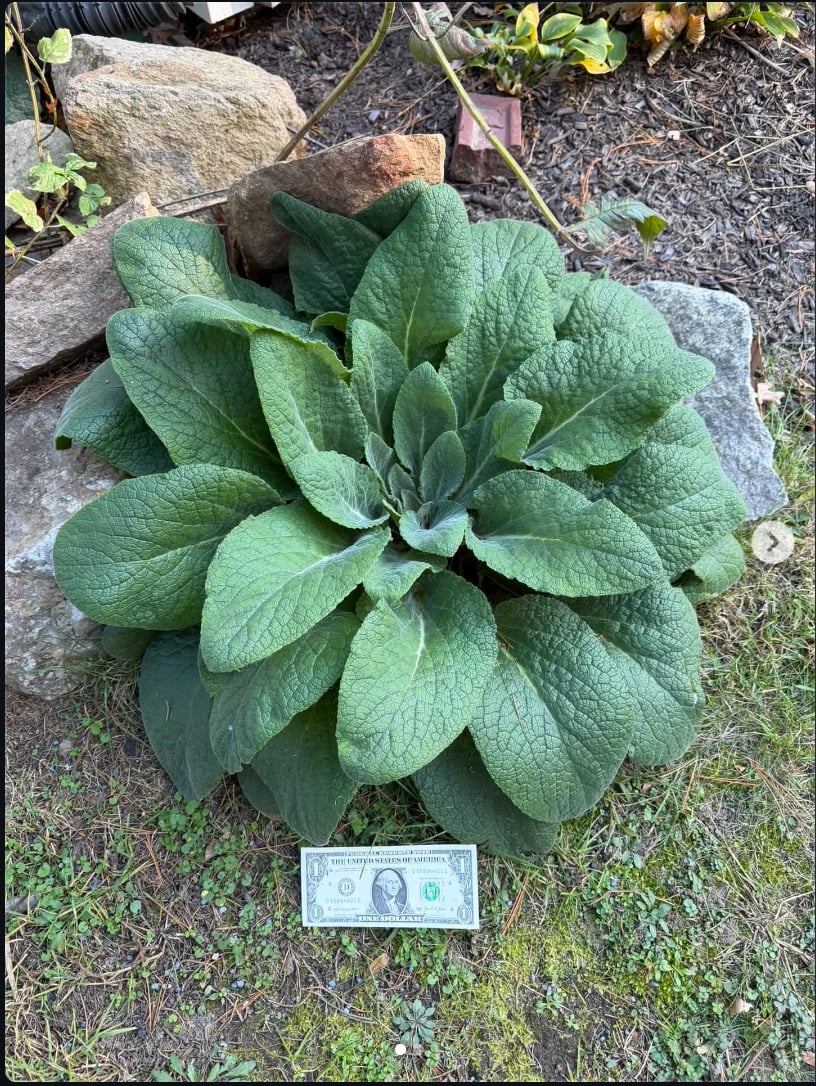
foxglove
What is this large rosette plant that popped up on its own?
This looks like a foxglove (Digitalis), growing in its first-year leaf rosette. It’s a pretty biennial flower, but every part of the plant is highly poisonous, so only keep it if it’s away from pets and children.