
cucurbit vine (gourd/squash family) · Asked on Facebook · 6 November 2026
What is this cucurbit vine growing wild on my trellis?
This looks like a cucurbit vine – something in the gourd/squash family, such as pumpkin, bottle gourd, or another edible squash – probably a volunteer from kitchen scraps or old compost. Let it flower and fruit to know exactly which one.
The question
“Does anyone know what plant this is? It's growing wild in my backyard.”
What's likely going on
From the photo, this is clearly a fast‑growing climbing vine with tendrils and big, somewhat heart‑shaped, slightly fuzzy leaves. That combination almost always means a cucurbit – a member of the gourd/squash family (things like pumpkin, bottle gourd, ash gourd, cucumber, etc.).
Because there are no open flowers or fruits visible in the picture, it’s hard to say exactly which cucurbit it is. Many species look very similar at the leaf stage. These plants often pop up "wild" where kitchen waste or old compost was thrown, so it’s probably a volunteer from a seed that ended up in the soil.
What to do
- Let it keep growing for now if it isn’t crowding more valuable plants. Train it along the trellis as you’re already doing.
- Watch for flowers.
- Yellow star‑shaped flowers followed by long, smooth fruits: think bottle gourd or cucumber.
- Round or oval, ribbed fruits with harder skin: think pumpkin or other squash.
- Check the young fruits carefully once they appear. Compare shape, color, and any striping with common gourds and squashes grown in your region.
- Smell and taste only if you’re confident. If you suspect it might be a decorative or wild gourd (often very bitter), don’t eat it.
How to prevent it
- Avoid tossing raw seeds into the garden or compost, or make sure your compost gets hot enough to kill seeds.
- Pull out unwanted seedlings early before they climb over other plants.
- Label intentional plantings so you can tell volunteers from planned crops.
When to worry
- If the vine starts overtaking other plants, prune it back or remove it.
- If fruits are very bitter, don’t eat them; bitterness in cucurbits can mean high levels of natural toxins.
- If you see wilting, powdery mildew, or pests on this vine, check nearby cucumbers or gourds, as problems spread easily in this family.
Answered by the GrowPls assistant. Every plant and room is different; if things don't improve, a clear close-up photo of the affected part is the fastest way to a better answer.
Related questions
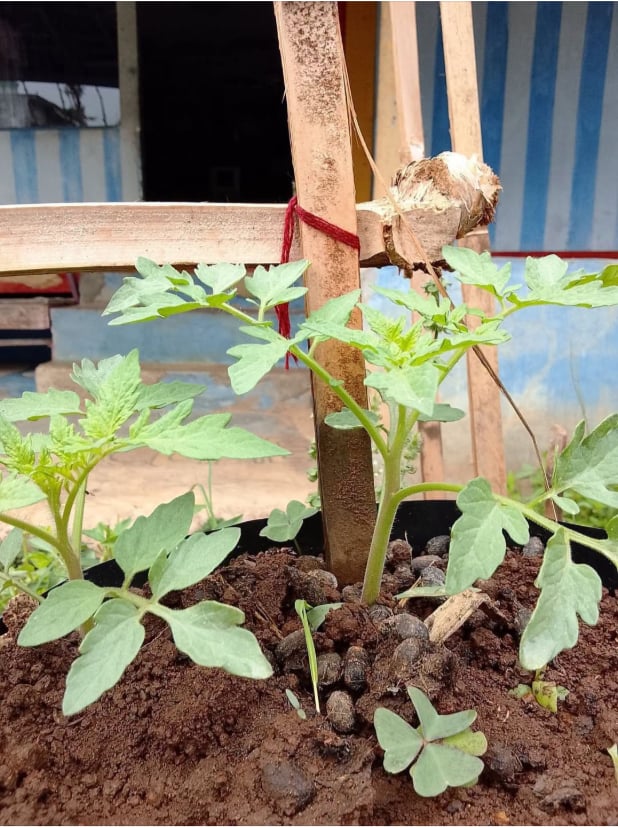
tomato
What plant is this seedling I planted?
The seedlings in the photo are tomato plants. Give them strong sun, a bigger pot or bed, and support as they grow taller.
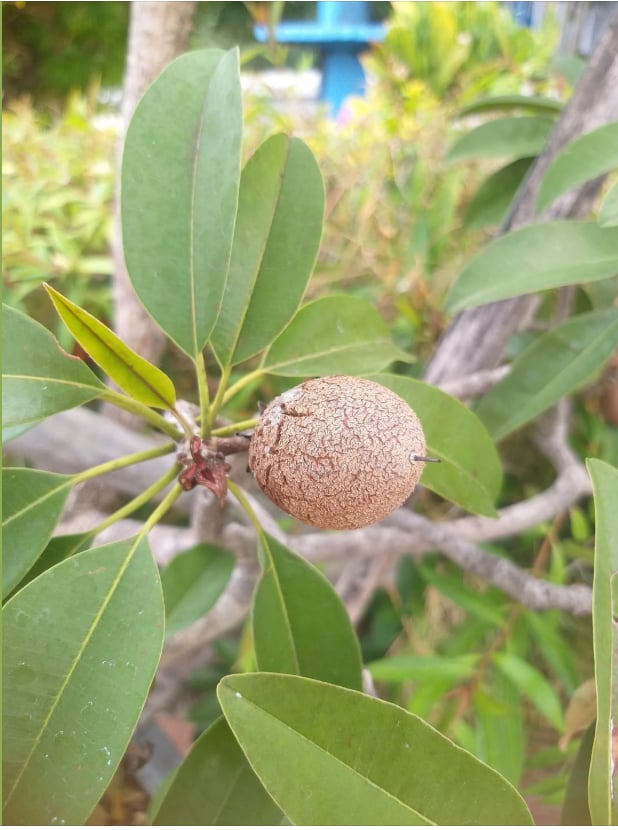
sapodilla (chikoo)
What is this tree with brown round fruits – is the fruit edible?
This looks very much like a sapodilla (chikoo) tree, whose ripe fruit is edible and sweet, but never eat anything based only on an online ID. Have a local plant expert or neighbor familiar with the tree confirm it in person before tasting.
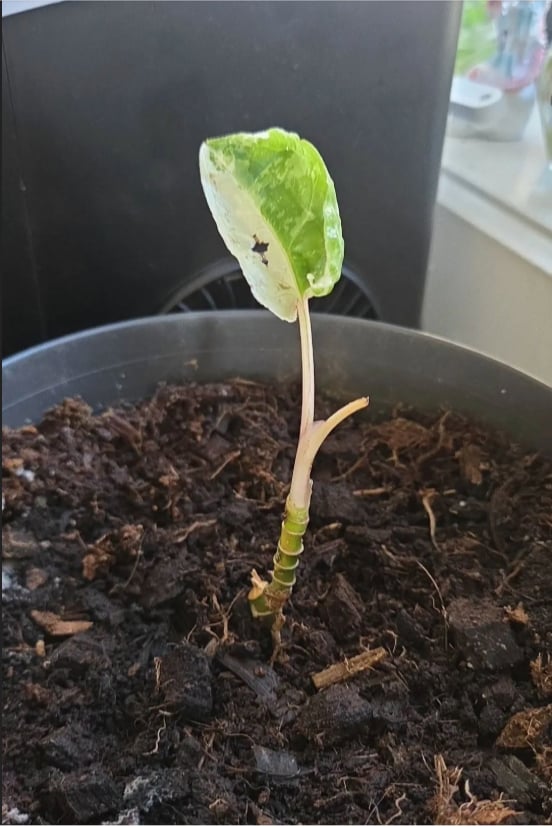
How can I identify this small cutting with only one damaged leaf?
From the photo, the plant is too small and damaged to confidently identify; it looks like a young aroid-type houseplant grown from a stem cutting. Let it grow a few new leaves and nodes, then compare leaf shape and growth habit for a more reliable ID.
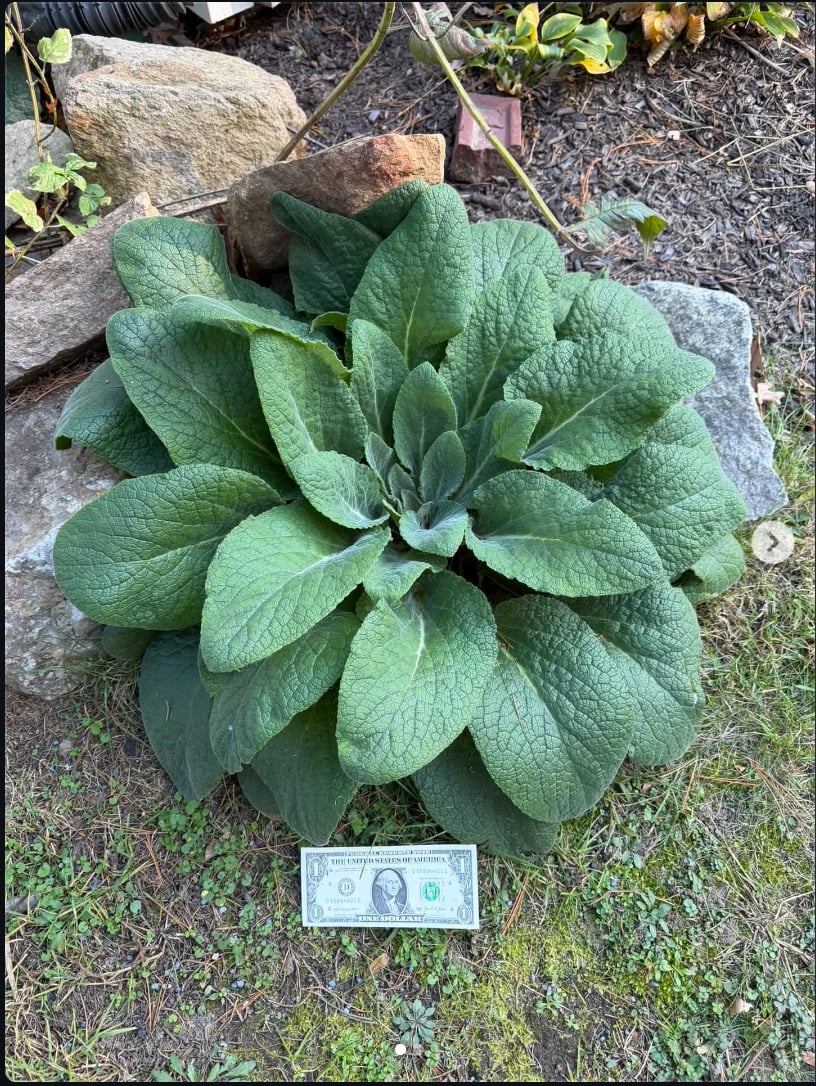
foxglove
What is this large rosette plant that popped up on its own?
This looks like a foxglove (Digitalis), growing in its first-year leaf rosette. It’s a pretty biennial flower, but every part of the plant is highly poisonous, so only keep it if it’s away from pets and children.