
peperomia · Asked on Instagram · 2 November 2026
How can I make my peperomia look fuller and healthier?
The plant is healthy but very leggy, which usually means it isn’t getting quite enough light and needs a haircut. Move it to a brighter spot with indirect sun and prune the long, bare stems so it can grow back compact and bushy.
The question
“How do I make my plant looks better? Please help.”
What's likely going on
From the photo, this peperomia looks generally healthy: leaves are green and fairly glossy, with no obvious pests or major yellowing. The main issue is that it’s leggy – lots of long stems with leaves spaced far apart, and the plant is flopping outward instead of staying compact.
That stretched look almost always comes from insufficient light over time. The plant reaches toward the window, making long weak stems instead of short sturdy ones.
The pot also looks quite full, so some older stems may just be past their prettiest stage and ready to be cut back to encourage fresh growth.
What to do
Give it brighter light
Place it right by a bright window with filtered or indirect sun (east or bright north window, or a little back from a strong south/west window). Avoid harsh, hot midday sun directly on the leaves.Prune for shape
Using clean scissors, cut back the longest, floppiest stems to just above a leaf or node (the little bump where leaves grow). This will make the plant look tidier immediately and trigger new side shoots.Propagate the cuttings (optional)
Put healthy stem cuttings in water or moist potting mix. Once they root, you can plant them back into the same pot to make the plant even fuller.Check watering
Let the top 2–3 cm of soil dry before watering again. Water thoroughly, then empty any excess from the saucer. Peperomias dislike staying soggy.Rotate the pot regularly
Turn the pot a quarter turn every week so growth is even and the plant doesn’t lean toward one side.
How to prevent it
- Keep it in steady bright, indirect light year‑round. If your home is dim, a small grow light above it helps a lot.
- Avoid frequent tiny sips of water; instead, water well but less often, letting the surface dry.
- Lightly prune once or twice a year to keep it compact.
When to worry
- If leaves start turning yellow and dropping in big numbers, or stems feel mushy, check for overwatering and root rot.
- If you see sticky residue, webbing, or tiny insects under the leaves, treat for pests before pruning.
- If new growth is tiny, pale, or distorted even in good light, consider repotting into fresh, well‑draining potting mix and checking roots for problems.
Answered by the GrowPls assistant. Every plant and room is different; if things don't improve, a clear close-up photo of the affected part is the fastest way to a better answer.
Related questions
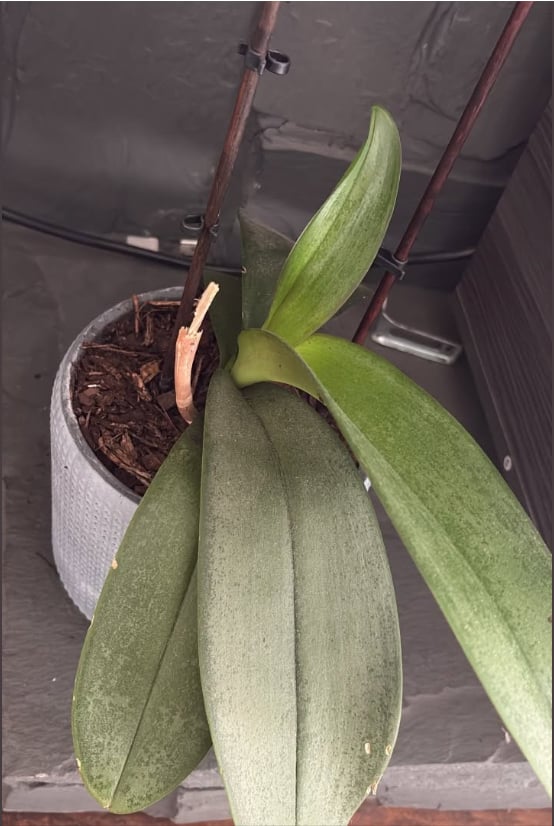
moth orchid (Phalaenopsis)
Why hasn’t my orchid flowered again for a year?
This moth orchid looks healthy enough but likely isn’t getting the right mix of bright light, feeding, and a slight temperature drop that triggers new flower spikes. Improve light, start regular orchid fertilizer, and give it a cooler, brighter spot for a few weeks to encourage blooming.
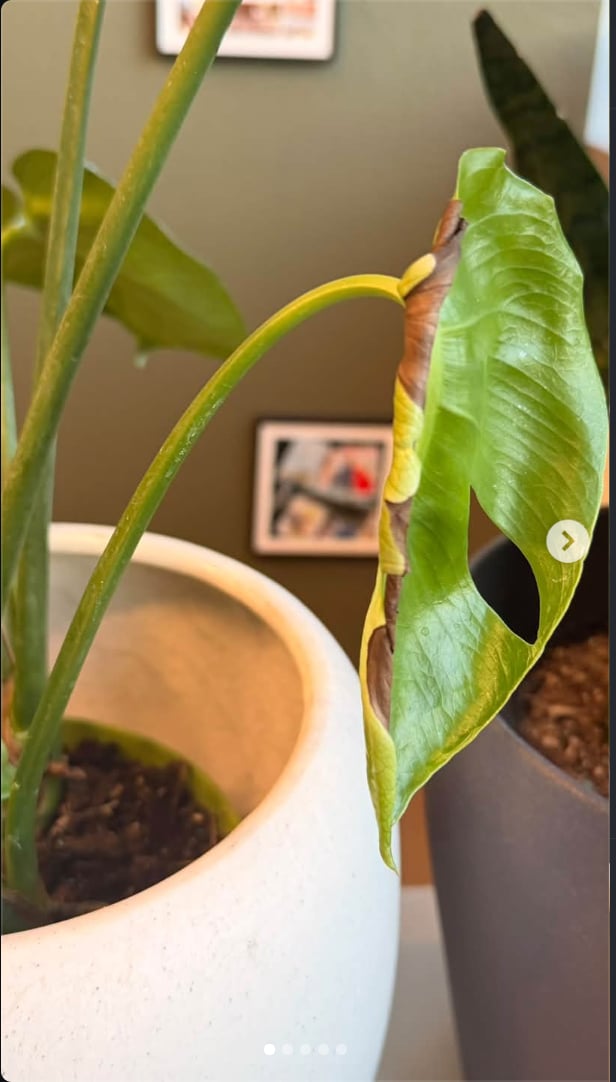
monstera
Why is my Monstera new leaf browning before it fully opens?
That brown edge on the new leaf is usually from stress while the leaf is still tightly rolled – most often low humidity, underwatering, or the leaf getting stuck and damaged. Check watering, light, and humidity, and focus on helping the next leaf grow in better.
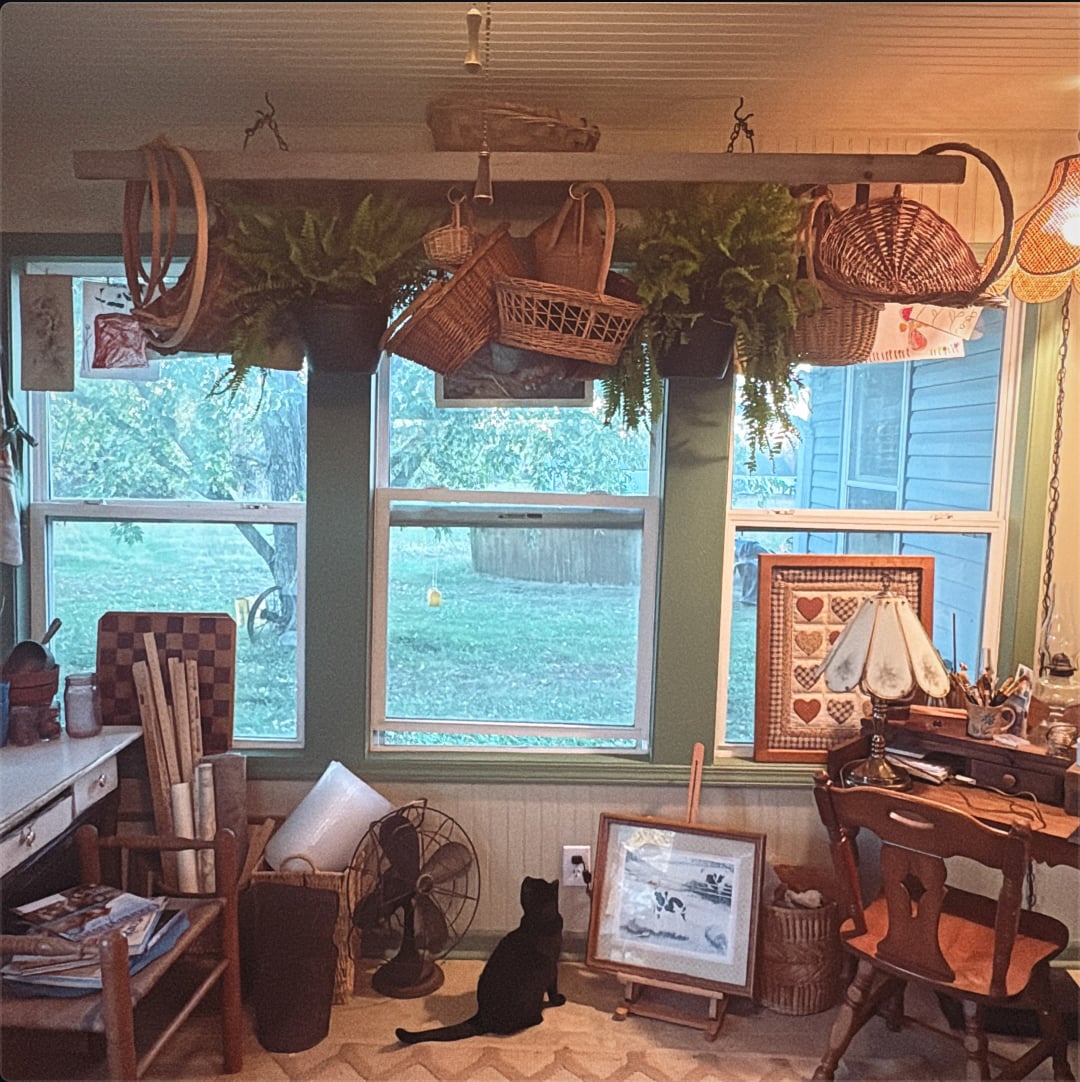
fern (likely Boston fern)
How do I overwinter hanging ferns in a bright sunroom?
That sunroom spot should work well if the ferns get bright but not harsh direct sun and the air isn’t too hot or dry. Indoors, water whenever the top of the soil just starts to feel dry, which is often about once a week but depends on your room’s temperature and humidity.
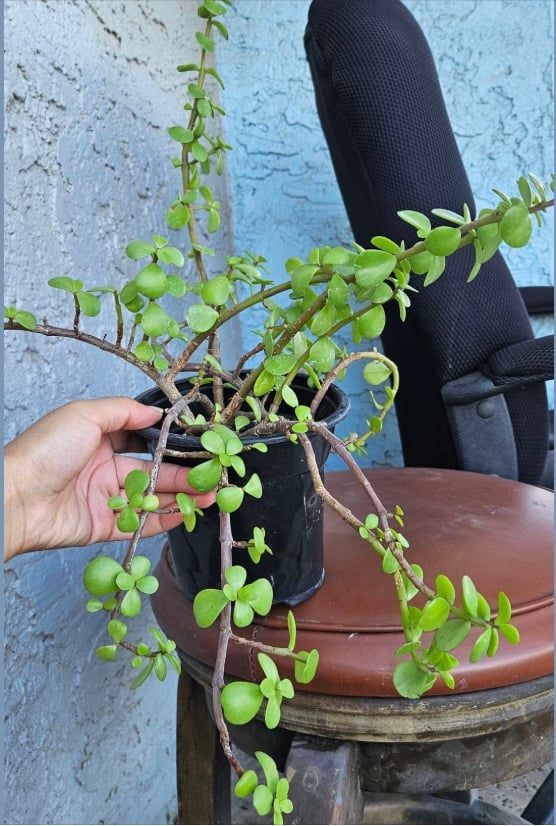
elephant bush
Why is my elephant bush (Portulacaria afra) droopy and losing leaves?
This elephant bush is most likely reacting to a change in light and watering, and it’s probably staying too wet in its current soil. Move it to brighter light, let it dry more between waterings, and consider repotting into a fast‑draining succulent mix.