
Asked on Facebook · 2 November 2026
Is my young potted plant stressed after moving it indoors from the heat?
From the photos the plant looks generally healthy, with only mild wilting or drooping likely from heat and the sudden move indoors. Check soil moisture and light, then let it settle instead of making big changes every day.
The question
“These are a couple of pictures from my plant between two days ago and today . I brought it inside yesterday morning because I was afraid the outside temperature was too high . Do I have anything going on I should be concerned with? Thanks”
What's likely going on
From the pictures, the plant’s leaves still look firm and green overall, with only a little bit of drooping and some small spots on older leaves. That usually points to temporary stress, not a serious disease.
The two most likely things are:
- Heat and water stress outdoors – High temperatures plus wind and sun can make a small potted plant lose water faster than its roots can supply, so it droops a bit.
- Sudden change in environment when brought indoors – Moving quickly from full outdoor sun/heat to cooler, dimmer indoor light can also cause leaves to lie flatter or look a bit limp while the plant adjusts.
There are no clear signs in the photos of insect damage (no holes, webs, or chewing) or a fungal problem (no fuzzy growth or spreading spots), so this looks more like a care and environment issue.
What to do
Check soil moisture with your finger
Poke a finger 2–3 cm into the soil. If it feels soggy, hold off on watering until the top layer dries. If it’s dry and dusty, give a slow, thorough watering until a little drains from the bottom.Give it bright light, but not harsh midday sun
Near a bright window or outdoors in bright shade / gentle morning sun is ideal. Avoid full, strong afternoon sun right away if you move it back outside.Avoid moving it back and forth daily
Pick one spot with stable conditions and leave it there so it can adapt.Trim only badly damaged leaves
If any leaves are fully brown or crisp, you can snip them off at the base. Slight spots on older leaves are fine to leave.Watch for pests just in case
Every few days, check under leaves and along the stem for tiny bugs or sticky residue. If you see any, a gentle wipe with soapy water (mild dish soap, well diluted) usually handles early problems.
How to prevent it
- Use a pot with good drainage holes so extra water can escape.
- Water deeply but less often, instead of frequent small sips.
- When moving a plant outdoors or indoors, do it over several days: a few hours in the new spot at first, then gradually longer.
- Try to protect it from extreme midday sun and very hot, reflective surfaces (like concrete).
When to worry
- Leaves suddenly turn soft and mushy (can mean rot from overwatering).
- New leaves come in pale, distorted, or heavily spotted.
- Fine webs, clusters of insects, or lots of sticky residue appear.
- The whole plant keeps wilting even when the soil is slightly moist.
If any of those show up, take new close-up photos of the leaves (top and underside) and soil surface for a more specific diagnosis.
Answered by the GrowPls assistant. Every plant and room is different; if things don't improve, a clear close-up photo of the affected part is the fastest way to a better answer.
Related questions
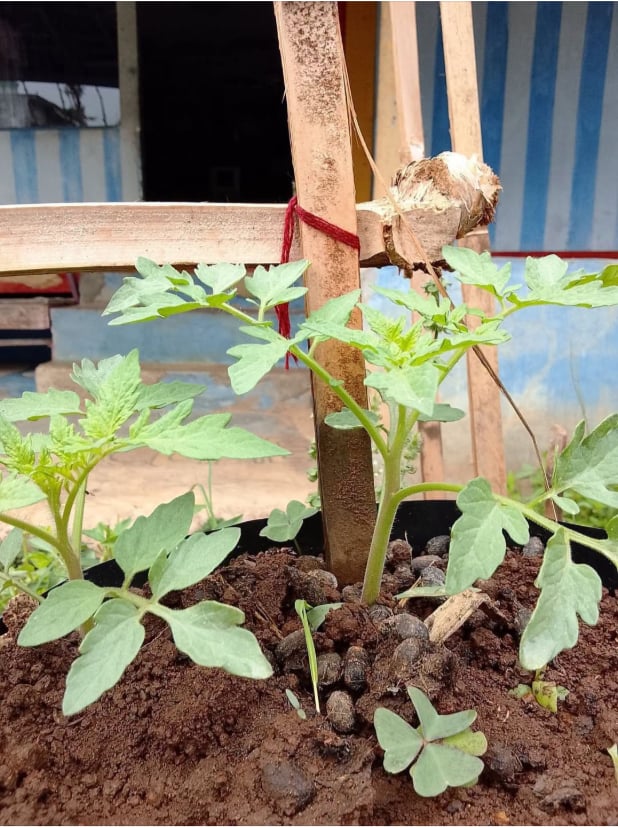
tomato
What plant is this seedling I planted?
The seedlings in the photo are tomato plants. Give them strong sun, a bigger pot or bed, and support as they grow taller.
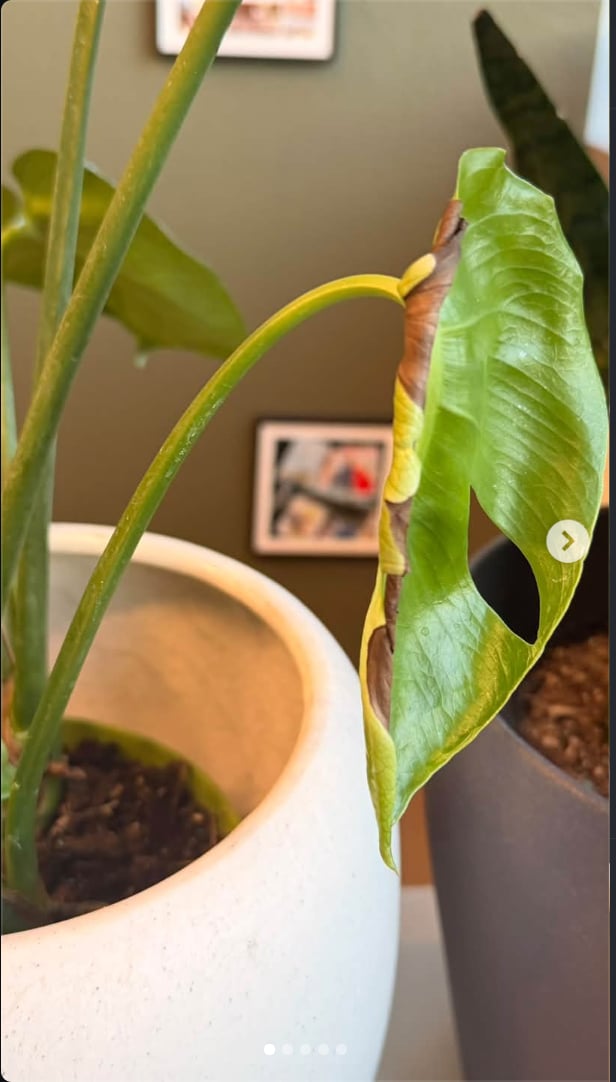
monstera
Why is my Monstera new leaf browning before it fully opens?
That brown edge on the new leaf is usually from stress while the leaf is still tightly rolled – most often low humidity, underwatering, or the leaf getting stuck and damaged. Check watering, light, and humidity, and focus on helping the next leaf grow in better.
How do I know when my plants need watering?
Most plants should be watered when the top layer of soil has dried out, not on a fixed schedule. Check the soil with your finger, lift the pot to feel the weight, and watch the leaves for early signs of thirst like slight drooping or dullness.
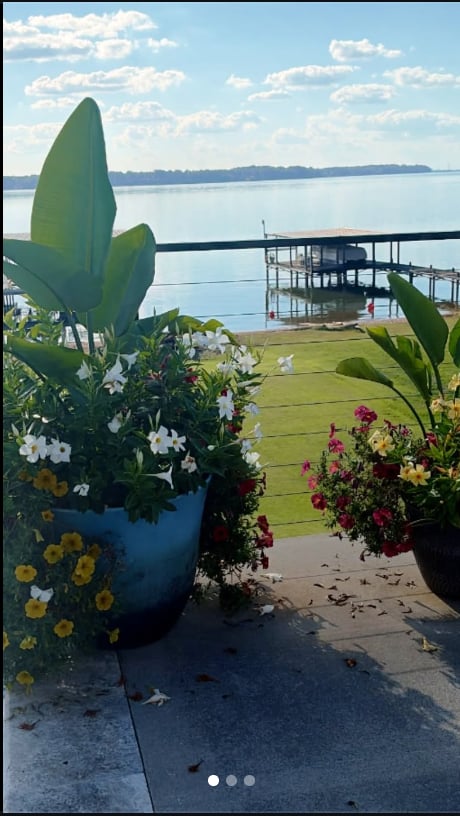
tropical canna or banana-type plant
How can I overwinter the tropical “palm” in my big patio pots?
That center “palm” can be saved, but it’s a tropical (not frost‑hardy), so you’ll need to lift it from the mixed pot before frost and keep it inside in bright light with much less water. The flowering trailers around it are usually treated as annuals and are hard to carry over.