GrowPls
Plant questions
Real questions from home gardeners, the kind people post with a worried photo, answered by GrowPls: what's likely going on, what to do about it, and when to worry.
Showing questions tagged #watering · show all
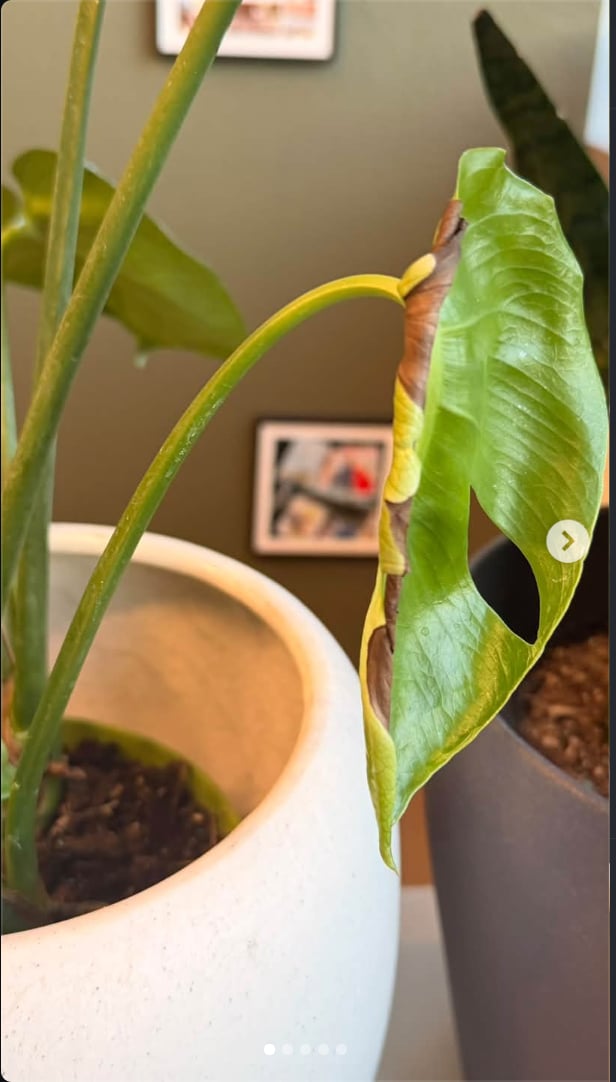
monstera
Why is my Monstera new leaf browning before it fully opens?
That brown edge on the new leaf is usually from stress while the leaf is still tightly rolled – most often low humidity, underwatering, or the leaf getting stuck and damaged. Check watering, light, and humidity, and focus on helping the next leaf grow in better.
How do I know when my plants need watering?
Most plants should be watered when the top layer of soil has dried out, not on a fixed schedule. Check the soil with your finger, lift the pot to feel the weight, and watch the leaves for early signs of thirst like slight drooping or dullness.
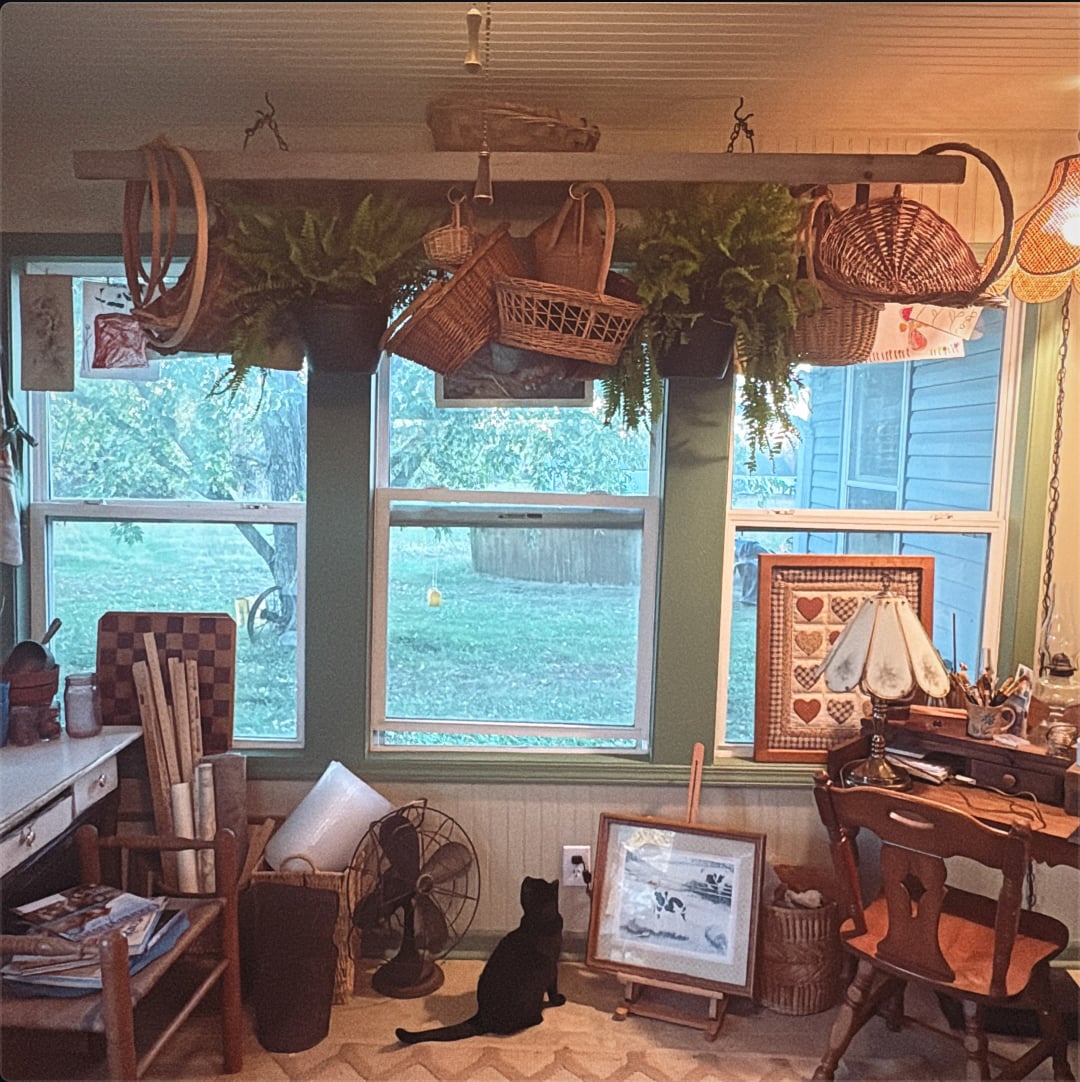
fern (likely Boston fern)
How do I overwinter hanging ferns in a bright sunroom?
That sunroom spot should work well if the ferns get bright but not harsh direct sun and the air isn’t too hot or dry. Indoors, water whenever the top of the soil just starts to feel dry, which is often about once a week but depends on your room’s temperature and humidity.
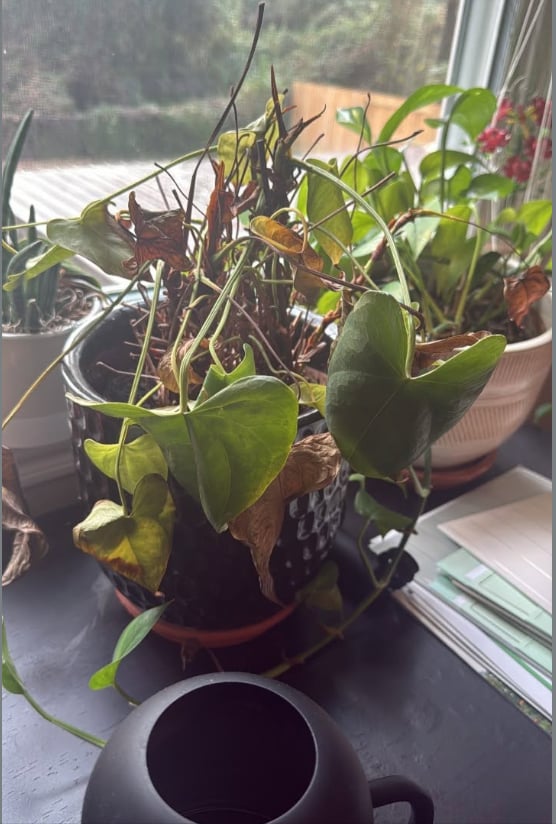
heartleaf philodendron
What is wrong with my heartleaf philodendron with yellow, crispy leaves?
The plant looks badly stressed from a mix of underwatering and an old, crowded root system, so many of the old vines have died back. Start by pruning all dead growth, checking the roots, and repotting into fresh, well‑draining soil, then water regularly but not constantly soggy.
mint
How can I keep my mint plant alive indoors over winter?
Mint can survive indoors over winter with strong light, regular watering, and occasional trimming; a simple LED grow light or the sunniest window you have is usually enough.
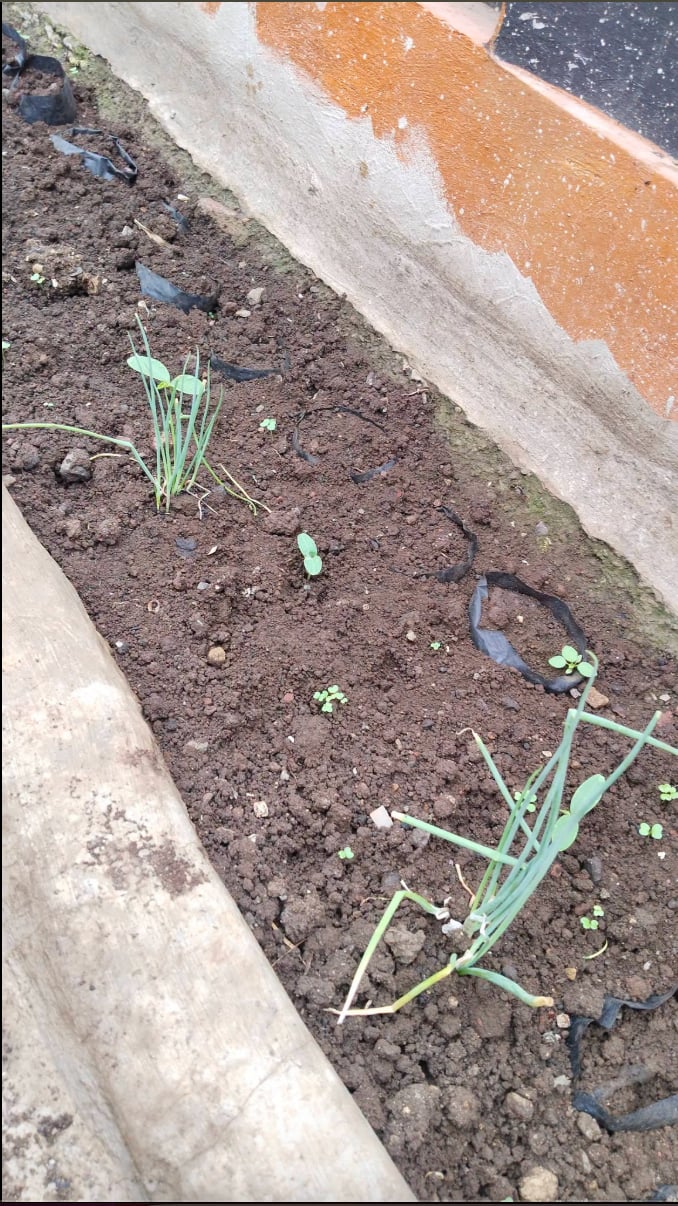
spring onion
Why are my spring onion plants so thin and spindly?
Spring onions stay thin when they don’t get enough light or food, or when they’re stressed by poor soil and uneven watering. Give them full sun, richer soil with added compost or fertilizer, and steady moisture and they’ll start to thicken up as they grow new leaves.
What should I do when my plant leaves get brown spots?
Brown spots usually come from either watering issues, sunburn, pests, or a fungal disease. First, check the pattern of the spots, how you water, and look closely for insects, then remove the worst leaves and adjust care.
How often should I water my houseplants?
There’s no one right schedule for all plants. Instead of watering once a week by habit, check the soil and water only when the top layer has dried to the level your specific plant prefers.
ZZ plant
How often should I water my ZZ plant in warmer months?
In warm months, most ZZ plants need watering about every 2–3 weeks, but always check the soil—only water when the top half of the pot is completely dry.
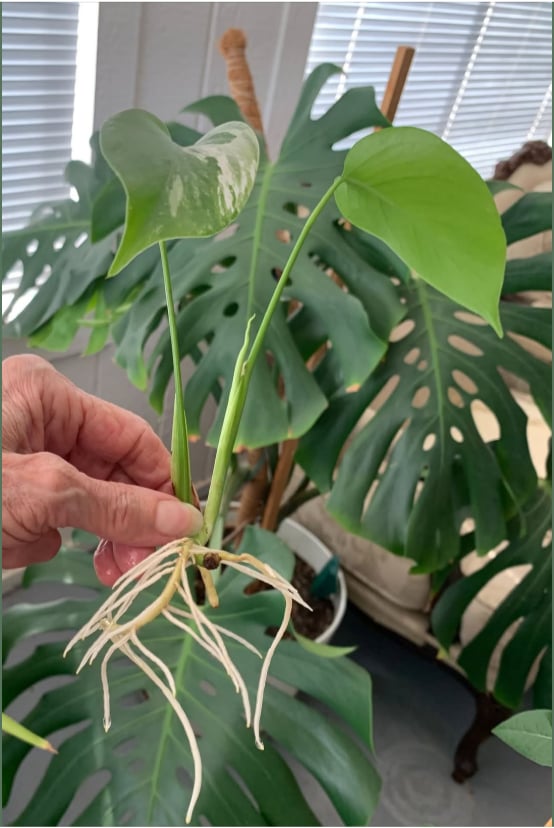
monstera
When should I move my rooted Monstera cutting from water to soil?
Those roots look ready for soil now. Pot it up in a chunky, lightly moist mix and keep it evenly barely-damp while it adjusts.
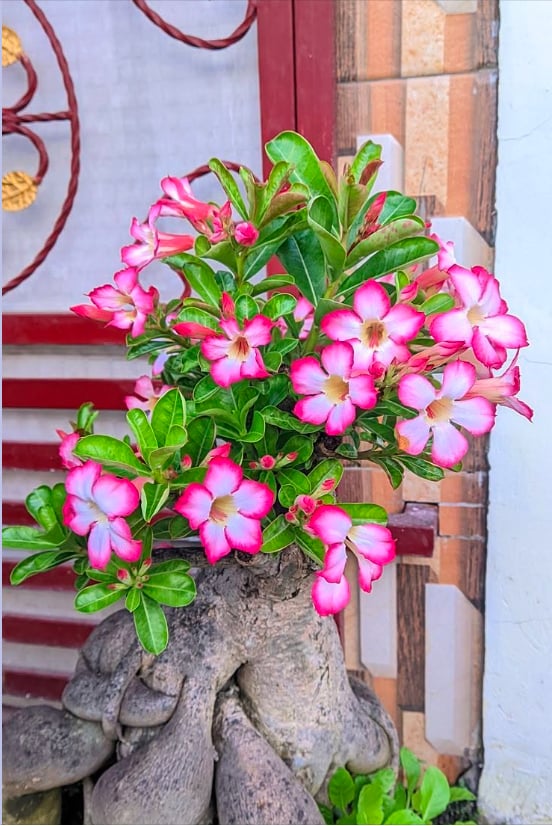
desert rose
Why has my desert rose stopped blooming?
Desert rose usually stops blooming from lack of strong sun, too much regular watering, or low nutrients—not from heat alone. Let the soil dry well between waterings, give it full sun, and feed lightly with a bloom‑boosting fertilizer.
What are the best basic tips for a beginner plant owner?
Start by choosing easy plants, matching them to your light, and learning when to water from the soil—not the calendar. Keep things simple: good light, proper watering, and a pot with drainage will prevent most beginner problems.
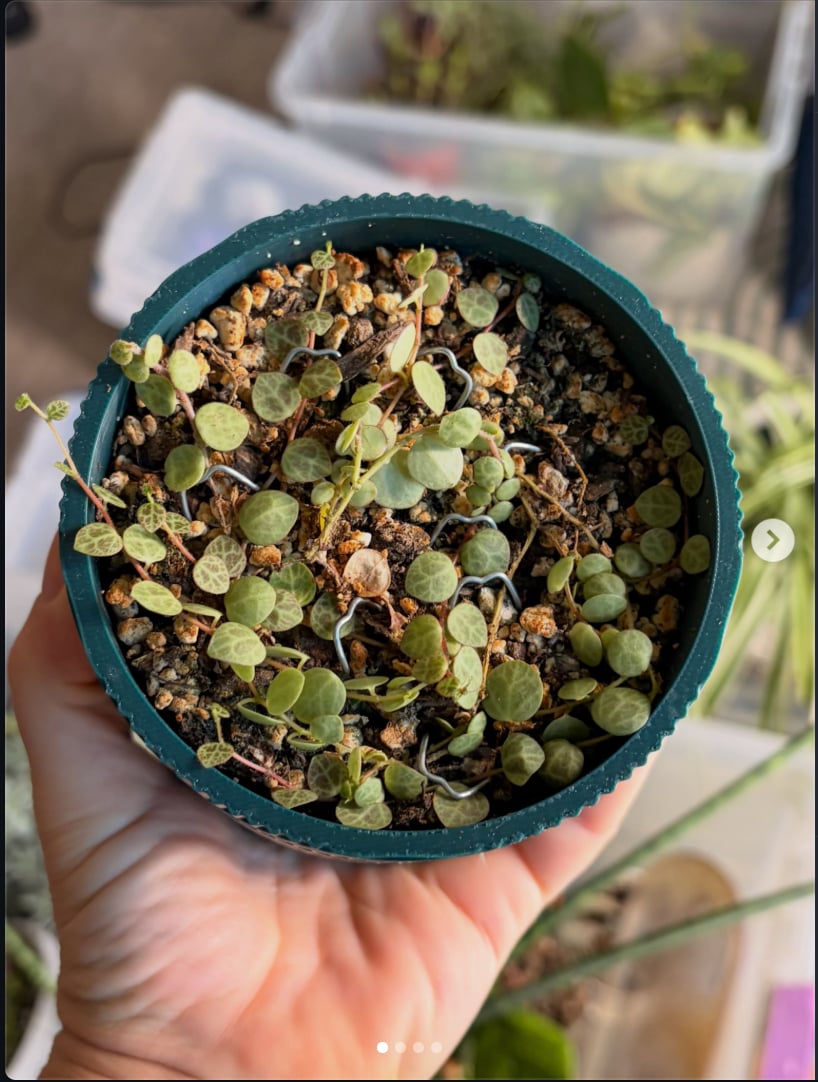
string of turtles
Why is my string of turtles not growing under a grow light?
String of turtles usually grow more slowly than string of hearts and also like a bit more consistent moisture. In the photo the plant looks healthy but very newly rooted in a very gritty mix, so let it establish, keep it just slightly more moist, and give it bright but gentler light than the string of hearts.
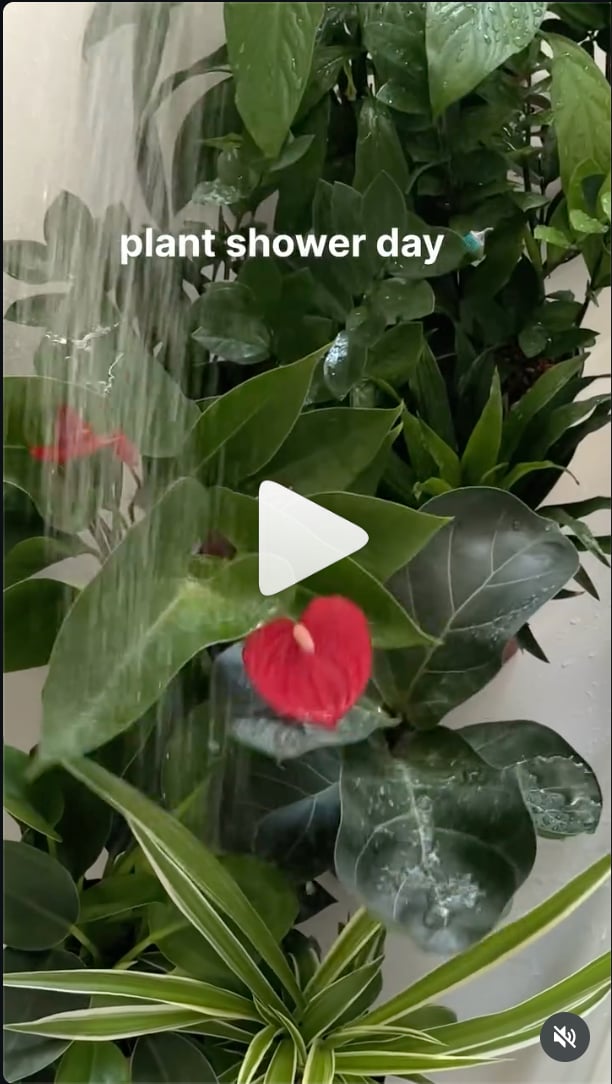
How often should I shower my houseplants?
Most leafy houseplants enjoy a gentle shower every 4–8 weeks to rinse dust and pests, as long as the soil can drain well and the leaves dry quickly. Avoid frequent showers for succulents, cacti, and very fuzzy‑leaved plants.
Can I leave my houseplants without water for 10 days while on vacation?
Some plants can handle 10 days without water, others will suffer or die. It depends mainly on the type of plant, pot size, and how hot and sunny the space is. If in doubt, set up a simple self‑watering method or ask someone to water once during your trip.
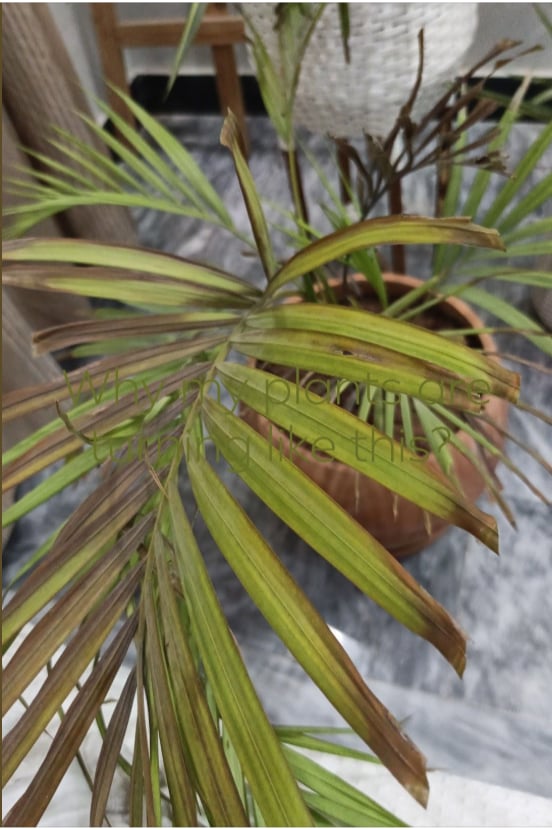
indoor palm
Why are the leaves on my indoor palm turning brown and yellow?
The browning and yellowing on this palm isn’t from seasons; it’s usually stress from watering, light, or dry air. Check the soil moisture, move it out of harsh sun, trim the dead parts, and adjust watering so the soil is evenly moist but never soggy.
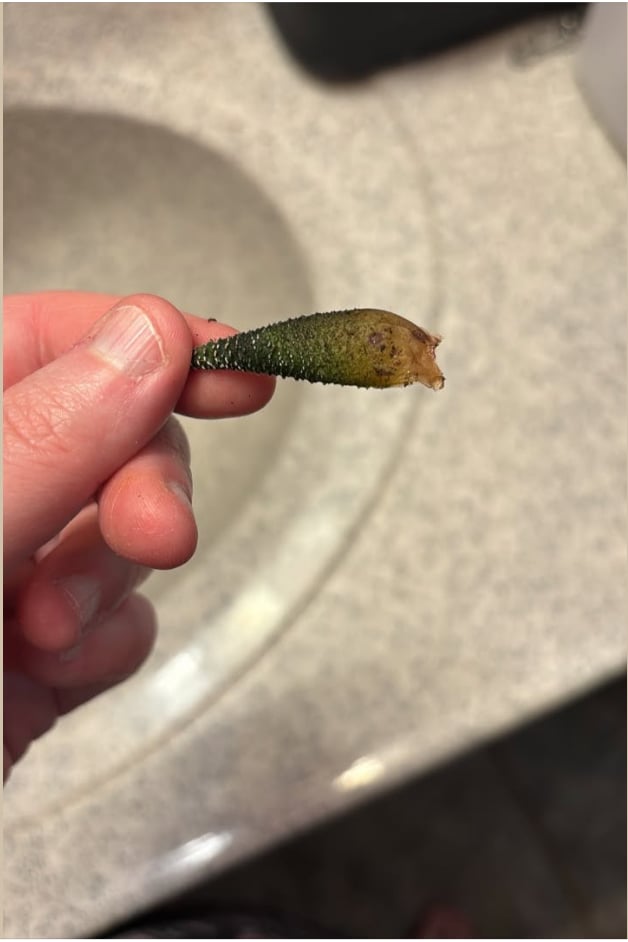
zebra haworthia
Why did a leaf rot and fall off my zebra haworthia (zebra plant)?
That leaf looks like it simply rotted and died off, which can happen occasionally on zebra haworthias without meaning the whole plant is sick. If the rest of the plant is firm and leaves aren’t turning mushy at the base, you don’t need to unpot it yet—just adjust watering and keep an eye out for more soft leaves.
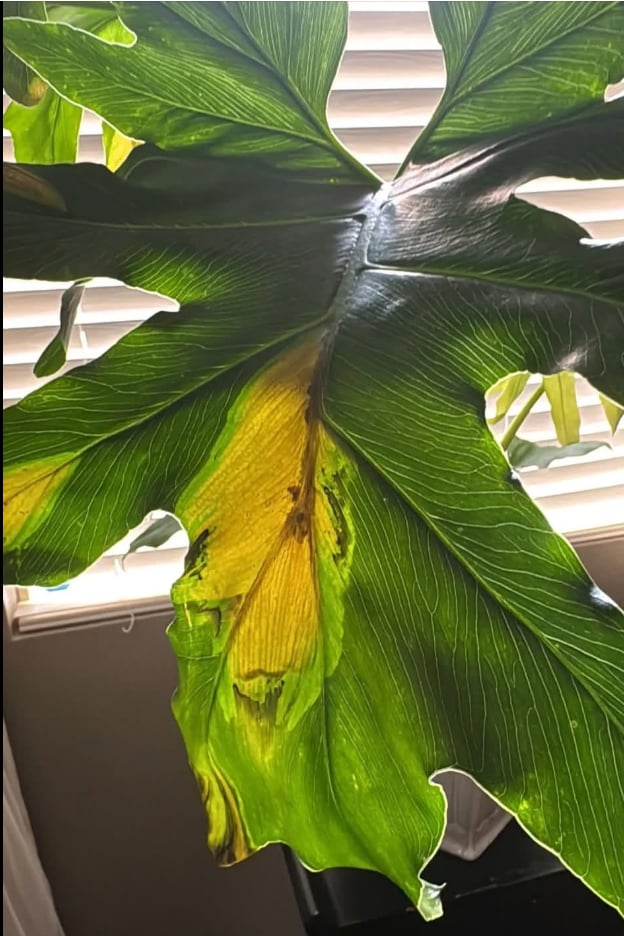
split-leaf philodendron
Why are my split-leaf philodendron leaves turning yellow and brown?
That leaf has been damaged, most likely from strong sun through the window and/or some watering stress, and it’s now dying back. Remove the worst leaf and adjust light and watering so new leaves grow healthy.
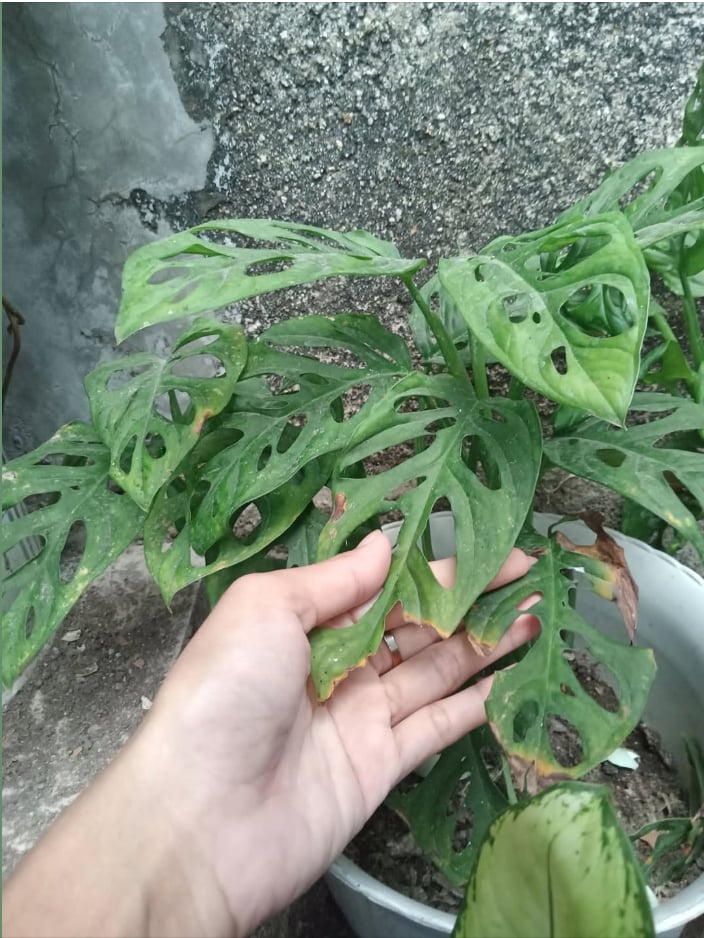
Monstera adansonii (Swiss cheese vine)
Why are the leaves of my Monstera adansonii browning and getting crispy?
Those brown, crispy edges and patches are most likely from leaf burn and general stress, usually a mix of too much direct sun and uneven watering. Move it to bright shade, water more evenly, trim the worst leaves, and it should grow healthier new foliage.
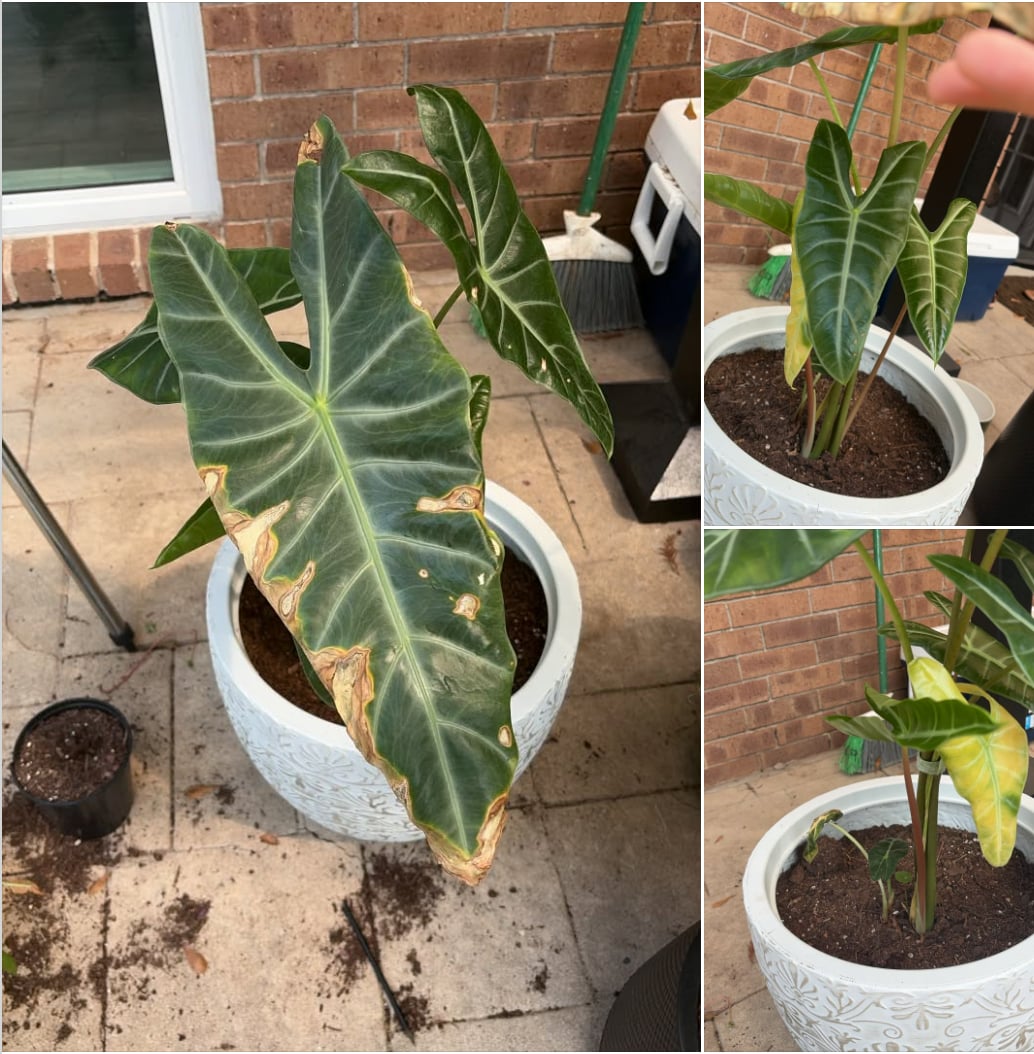
Alocasia (elephant ear type)
Why are the leaves on my Alocasia turning brown and yellow at the edges?
Those crispy brown edges and yellowing leaves are usually from stress: too much direct sun and/or watering issues, especially after a recent repot. Move it to bright shade, keep the soil evenly moist (not soggy), and let it recover without extra fertilizer for a while.
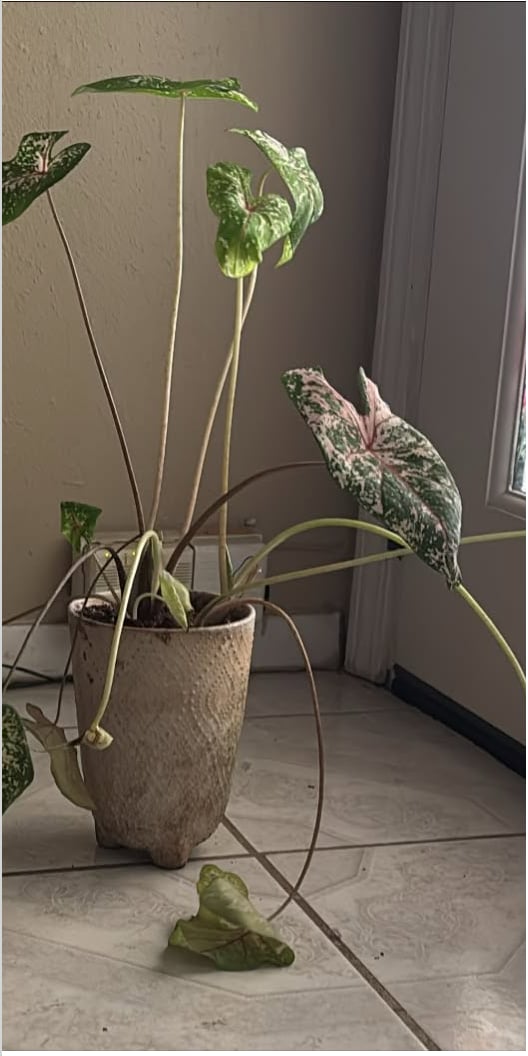
caladium
Why are my caladium leaves drooping and falling over?
Those soft, droopy leaves usually mean the caladium is stressed from watering issues and low light, and it may also be entering its natural rest period. Check the soil and roots, adjust watering, and either give it more light or let it go into dormancy if the tubers are healthy.
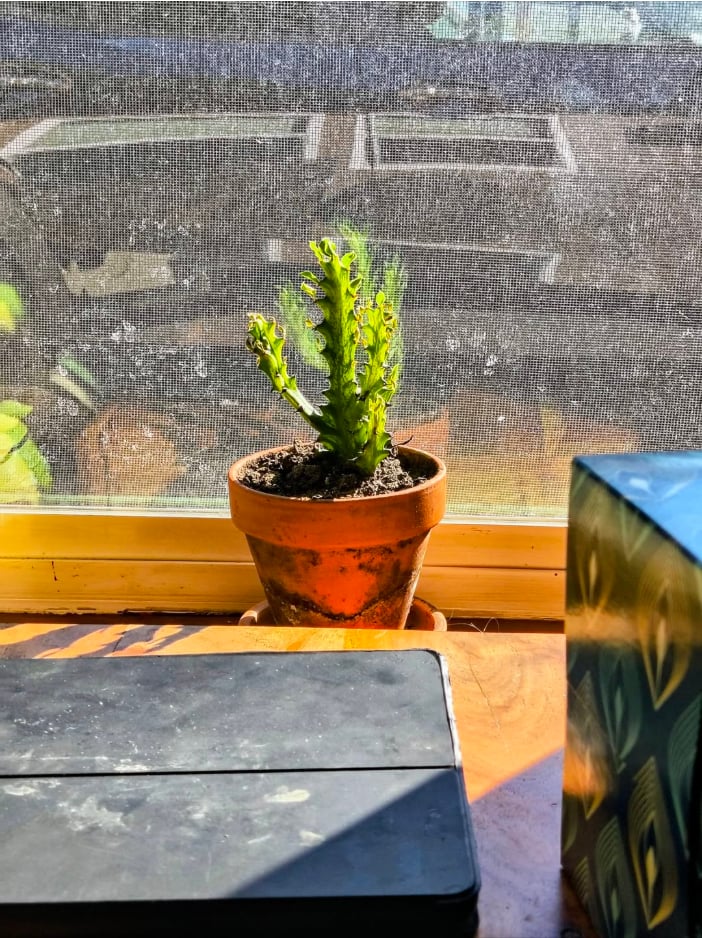
euphorbia (succulent type)
How often should I water this small succulent/euphorbia?
This is a succulent-type euphorbia, so water deeply but only when the soil is completely dry, then let it drain fully. In bright indoor light, that usually means about every 10–21 days, adjusting with the seasons and always checking the soil instead of the calendar.
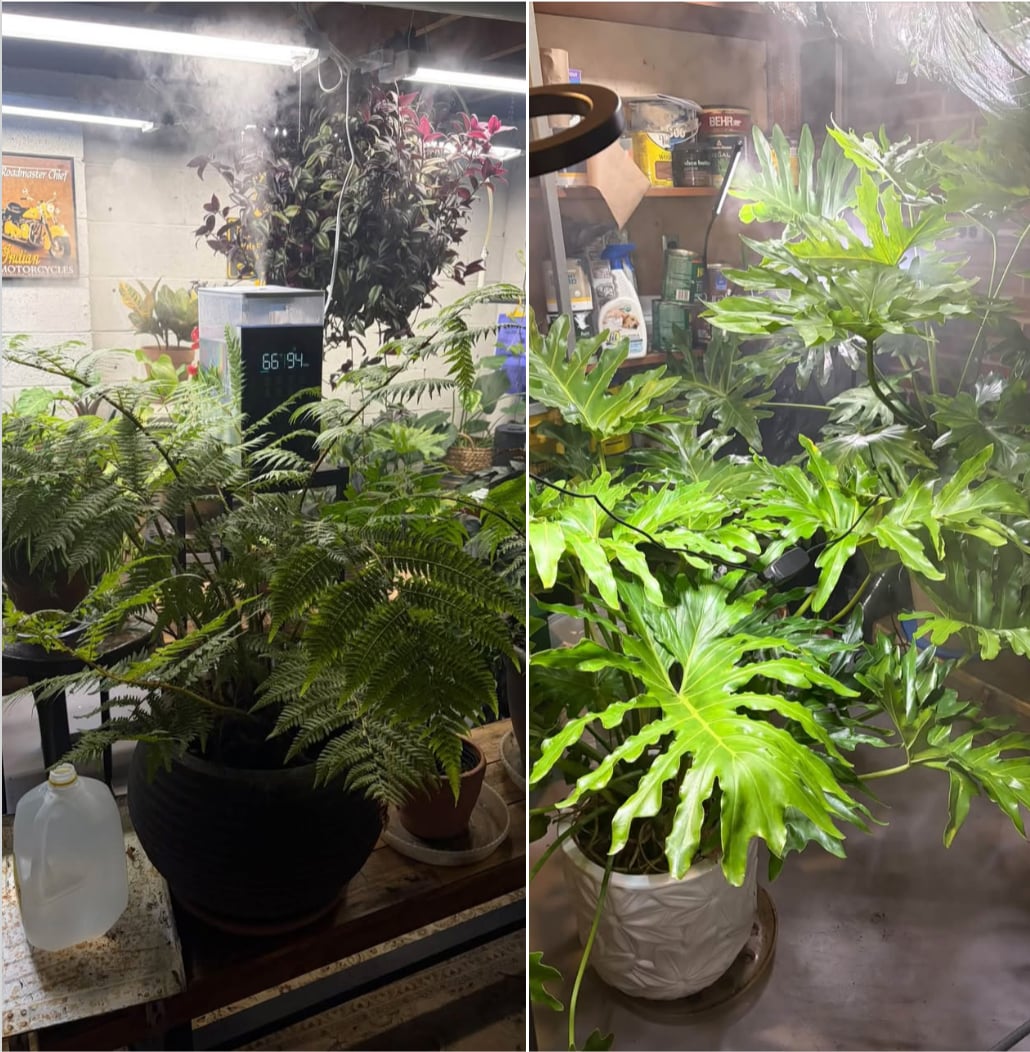
How often should I water basement houseplants under grow lights?
In a basement with strong grow lights and 24‑hour humidifiers, water only when the top 2–5 cm (1–2 inches) of soil are dry, then water thoroughly until it drains out the bottom. Don’t water on a schedule—let the soil dryness, pot size, and plant type guide you, and consider running the humidifier less so the soil can dry between waterings.
How often should I water my plants in winter?
Most plants need much less water in winter—often about half as often as in summer. Check the soil with your finger and only water when the top layer feels dry, instead of following a fixed schedule.
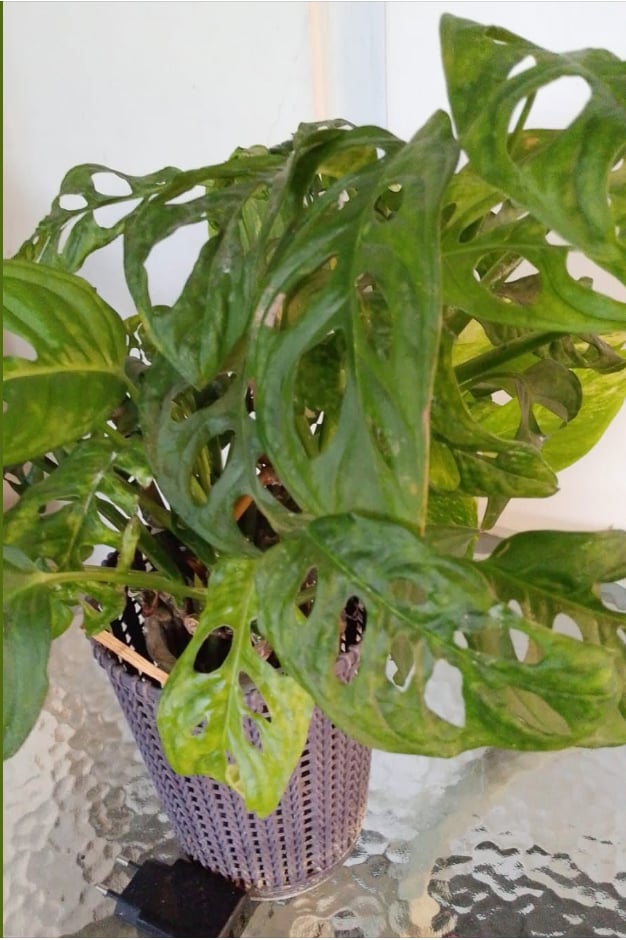
Monstera adansonii
How do I care for my Monstera adansonii (Swiss cheese plant) with holey leaves?
This is a Monstera adansonii, and the holes are normal for this plant, not damage. Give it bright, indirect light, water when the top soil dries, and provide a loose, well‑draining mix so it keeps making healthy, holey leaves instead of yellow, torn ones.
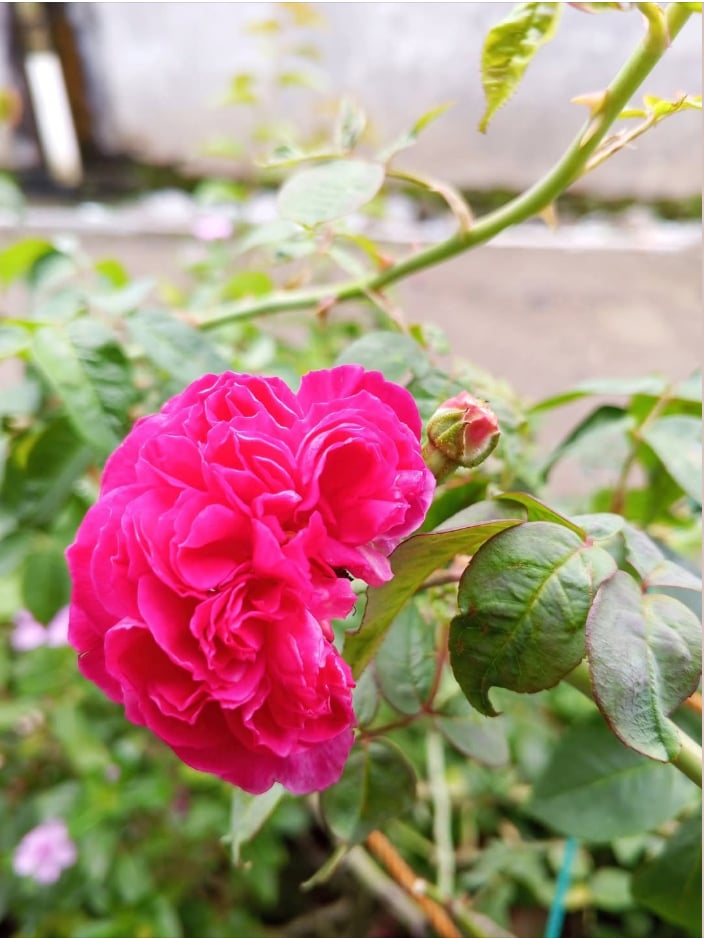
rose
Why are my rose flowers not opening fully?
Those rose blooms look slightly deformed, which is usually due to weather stress, pests like thrips, or nutrient imbalance rather than a serious disease. Start by checking for tiny insects in the buds and make sure the plant gets full sun, regular feeding, and even watering.
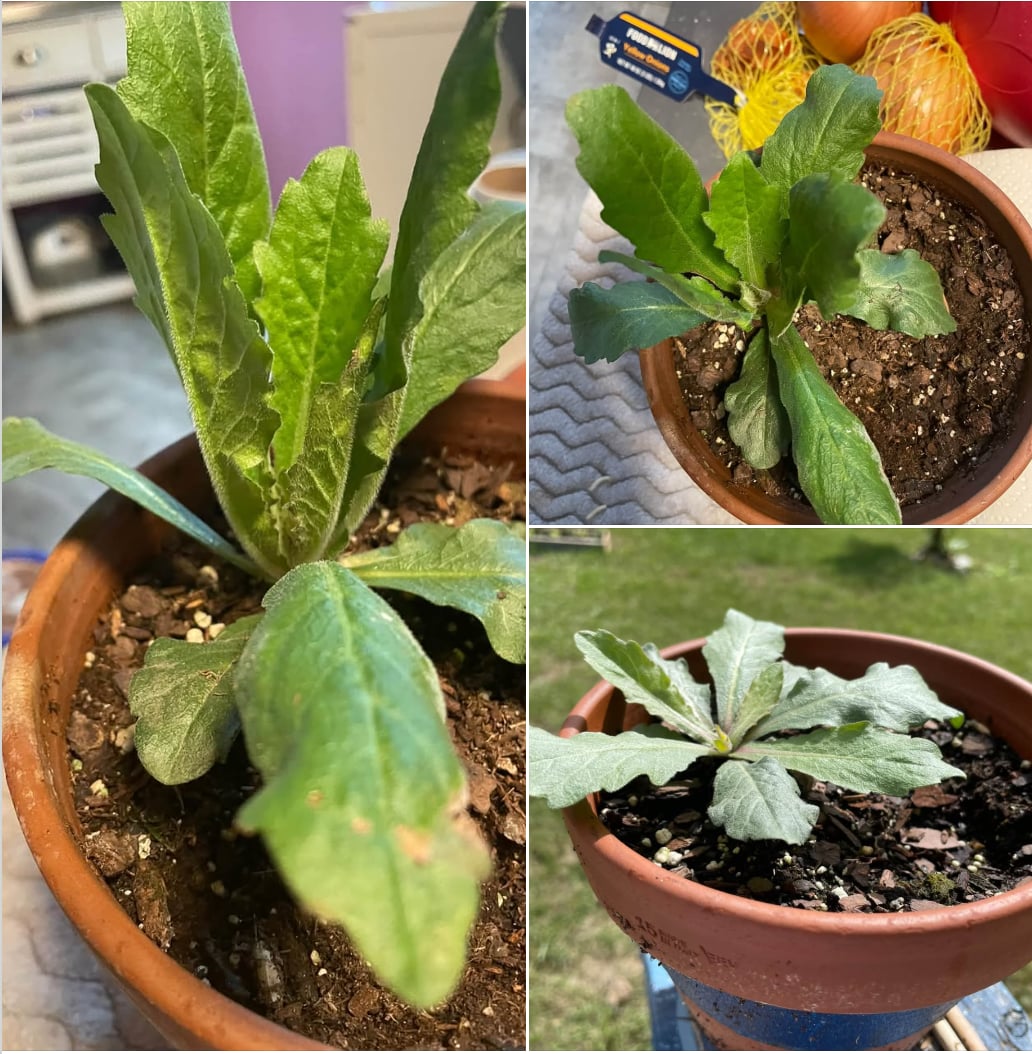
Is my young potted plant stressed after moving it indoors from the heat?
From the photos the plant looks generally healthy, with only mild wilting or drooping likely from heat and the sudden move indoors. Check soil moisture and light, then let it settle instead of making big changes every day.
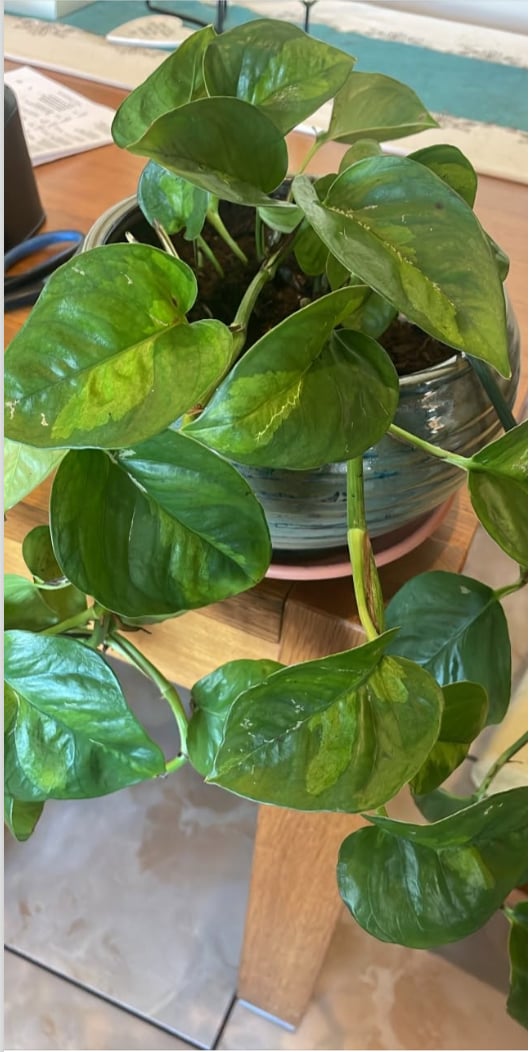
pothos
What is happening to my pothos plant leaves?
This pothos looks generally healthy—those lighter green areas are normal variegation, not disease. Focus on steady care: bright indirect light, watering when the top soil dries, and good drainage.
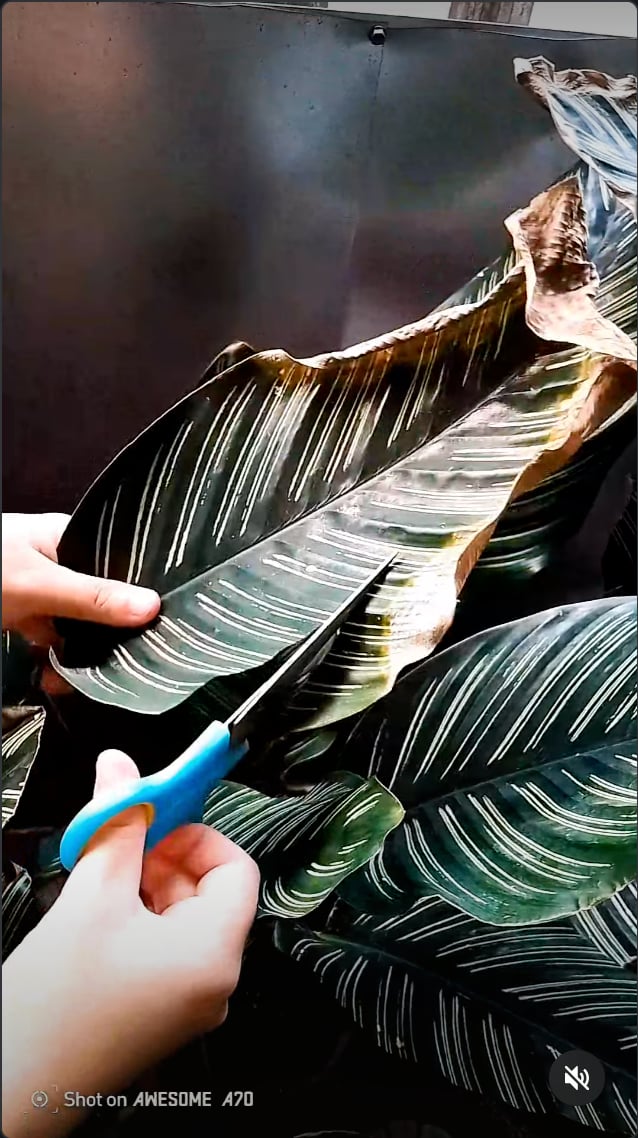
Calathea (pinstripe calathea)
Why are the edges of my Calathea (pinstripe) leaves drying out?
On Calatheas, crispy brown edges are almost always from dry air, underwatering, or tap water sensitivity. Check humidity and watering first, then adjust light and water quality.
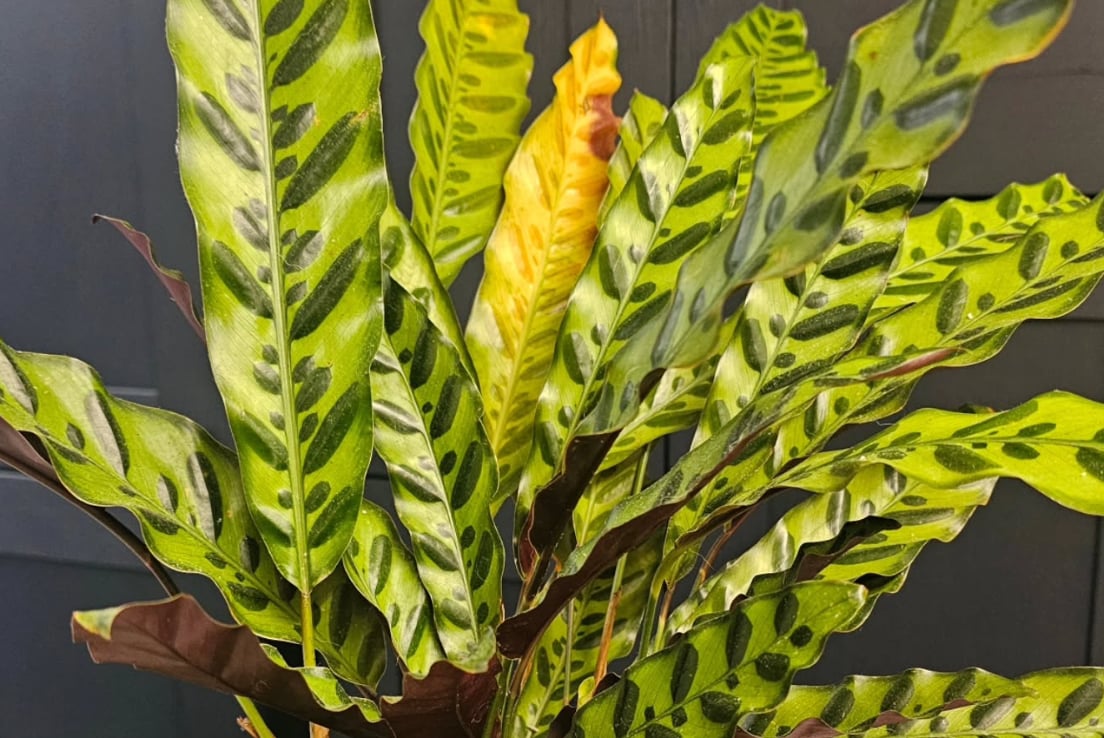
rattlesnake plant (Calathea lancifolia)
Why are some leaves on my rattlesnake plant turning yellow?
On a rattlesnake plant, a few yellowing leaves are usually from normal aging plus a bit of stress from inconsistent watering or dry air, not a sudden disease. Remove the worst leaves, check that the soil dries slightly between waterings but never stays soggy, and keep humidity on the higher side.
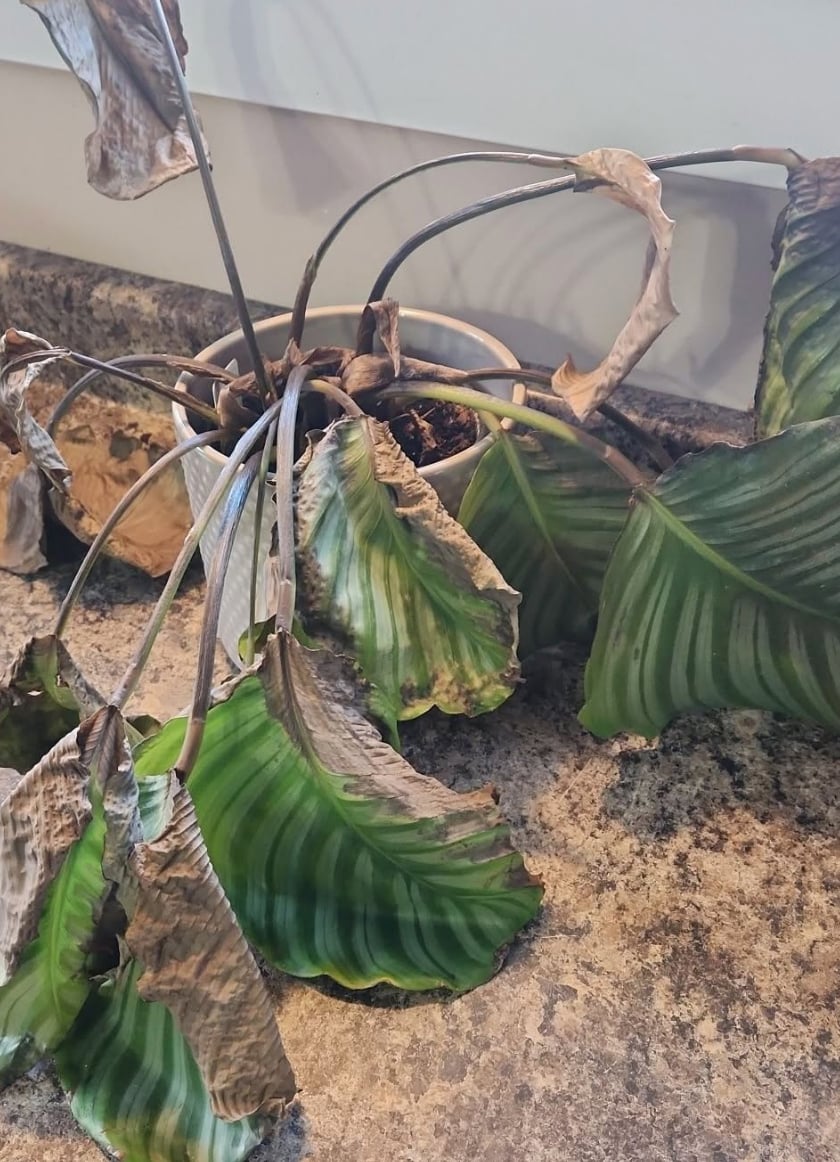
calathea (prayer plant)
How can I save my dying calathea (prayer plant) with crispy, drooping leaves?
This calathea is badly stressed, most likely from a mix of very dry soil at times and root problems from poor watering or low humidity. Check the roots, repot into fresh mix if they’re still firm and pale, cut off the dead leaves, and then keep the soil lightly moist in medium, indirect light.
Got a question about your own plant?
Snap a photo and ask GrowPls. It remembers each plant's history. Free on iPhone and Android.