
Asked on Instagram · 5 November 2026
How do I know when my plants need watering?
Most plants should be watered when the top layer of soil has dried out, not on a fixed schedule. Check the soil with your finger, lift the pot to feel the weight, and watch the leaves for early signs of thirst like slight drooping or dullness.
The question
“How do you know what plants need watered?”
What's likely going on
Knowing when to water isn’t about a perfect schedule; it’s about reading the soil and the plant. Different plants and different pots dry out at different speeds depending on light, heat, pot size, and soil type.
Overwatering (watering too often) is actually more common and more dangerous than underwatering. So the goal is: water deeply, but only when the plant is ready.
What to do
Use the finger test
Push a finger into the soil about 2–3 cm (to the first knuckle).- If it feels dry: it’s usually time to water.
- If it feels cool or damp: wait and check again in a day or two.
Learn your pot’s “dry weight”
Right after watering, lift the pot to feel how heavy it is. A few days later, lift it again.- Very light pot = soil has dried a lot → likely time to water.
- Still fairly heavy = there’s still moisture inside.
Watch the leaves, but don’t rely only on them
Thirsty plants often show:- Slight drooping or limp leaves
- Leaves looking a bit dull, not shiny
Always confirm by checking the soil, because overwatered roots can also cause drooping.
Adjust for plant type
- Succulents and cacti: let soil dry completely, even stay dry a few days.
- Tropical houseplants: water when the top layer is dry but deeper soil is still slightly moist.
- Thirsty plants (like many veggies): don’t let them stay fully dry for long in hot weather.
Check drainage
Only water if excess water can drain out the bottom. Empty saucers so roots aren’t sitting in water.
How to prevent it
- Keep plants in pots with drainage holes.
- Use a free-draining mix suited to the plant (gritty for succulents, richer for foliage plants).
- Group plants with similar water needs together.
- In hot seasons, check soil more often instead of automatically watering more.
When to worry
- Soil is staying wet for many days and leaves are yellowing or dropping → risk of root rot; water less often and improve drainage.
- Plant wilts even when soil is moist → there may be root damage or pests.
- Brown, crispy edges even though you water often → could be underwatering, strong sun, or very dry air; recheck soil moisture and location.
Over time, checking the soil and pot weight becomes a habit, and you’ll barely need to think about it.
Answered by the GrowPls assistant. Every plant and room is different; if things don't improve, a clear close-up photo of the affected part is the fastest way to a better answer.
Related questions
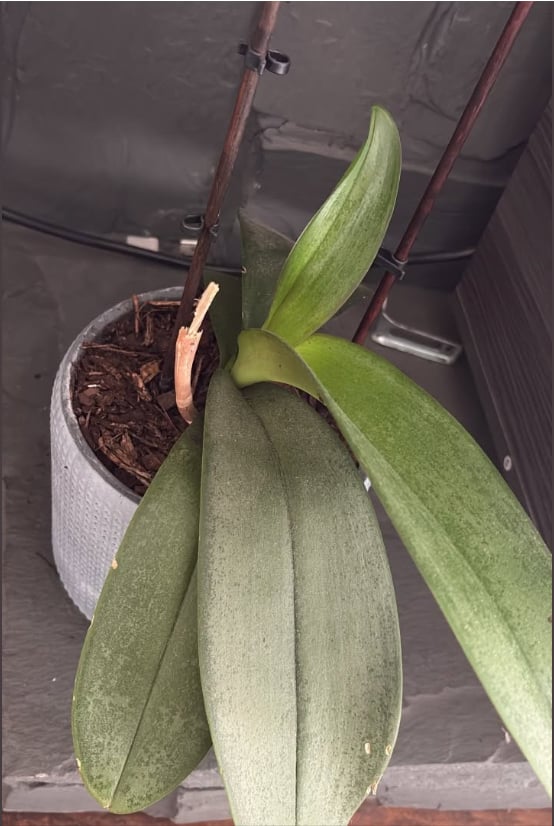
moth orchid (Phalaenopsis)
Why hasn’t my orchid flowered again for a year?
This moth orchid looks healthy enough but likely isn’t getting the right mix of bright light, feeding, and a slight temperature drop that triggers new flower spikes. Improve light, start regular orchid fertilizer, and give it a cooler, brighter spot for a few weeks to encourage blooming.
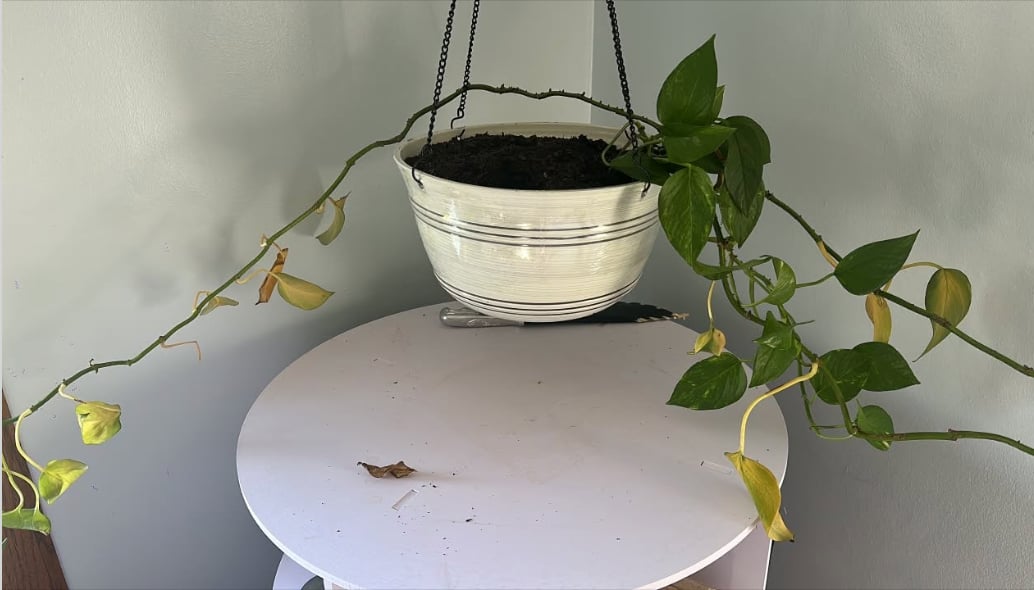
pothos (money plant)
Why are my pothos leaves turning yellow after repotting?
Those yellow leaves are most likely from stress after repotting plus soil that’s staying too wet. Check that the pot drains well, let the soil dry a bit between waterings, and trim off the worst yellow leaves.
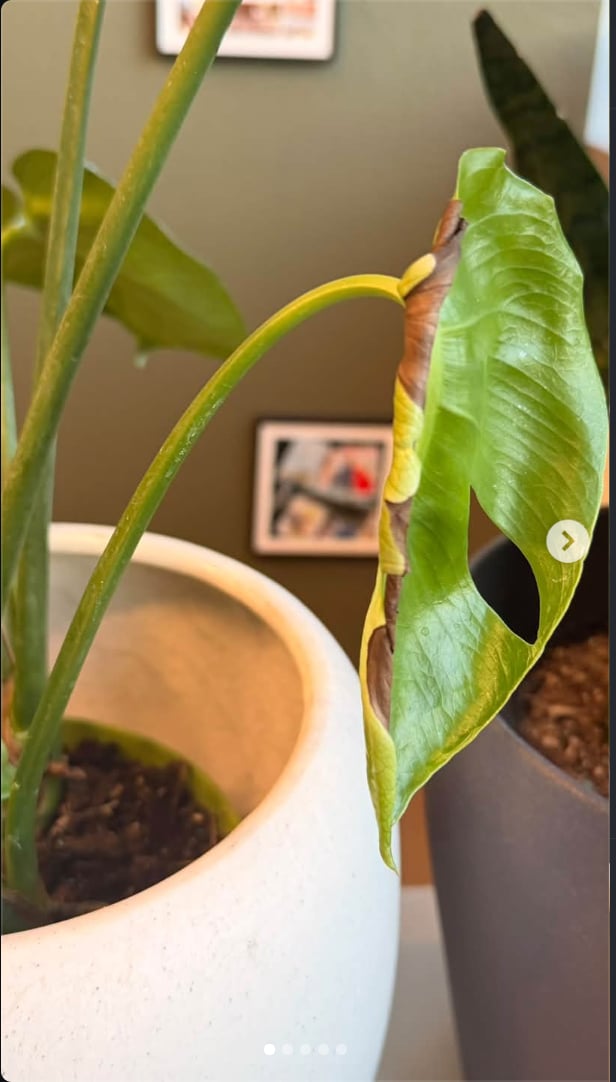
monstera
Why is my Monstera new leaf browning before it fully opens?
That brown edge on the new leaf is usually from stress while the leaf is still tightly rolled – most often low humidity, underwatering, or the leaf getting stuck and damaged. Check watering, light, and humidity, and focus on helping the next leaf grow in better.
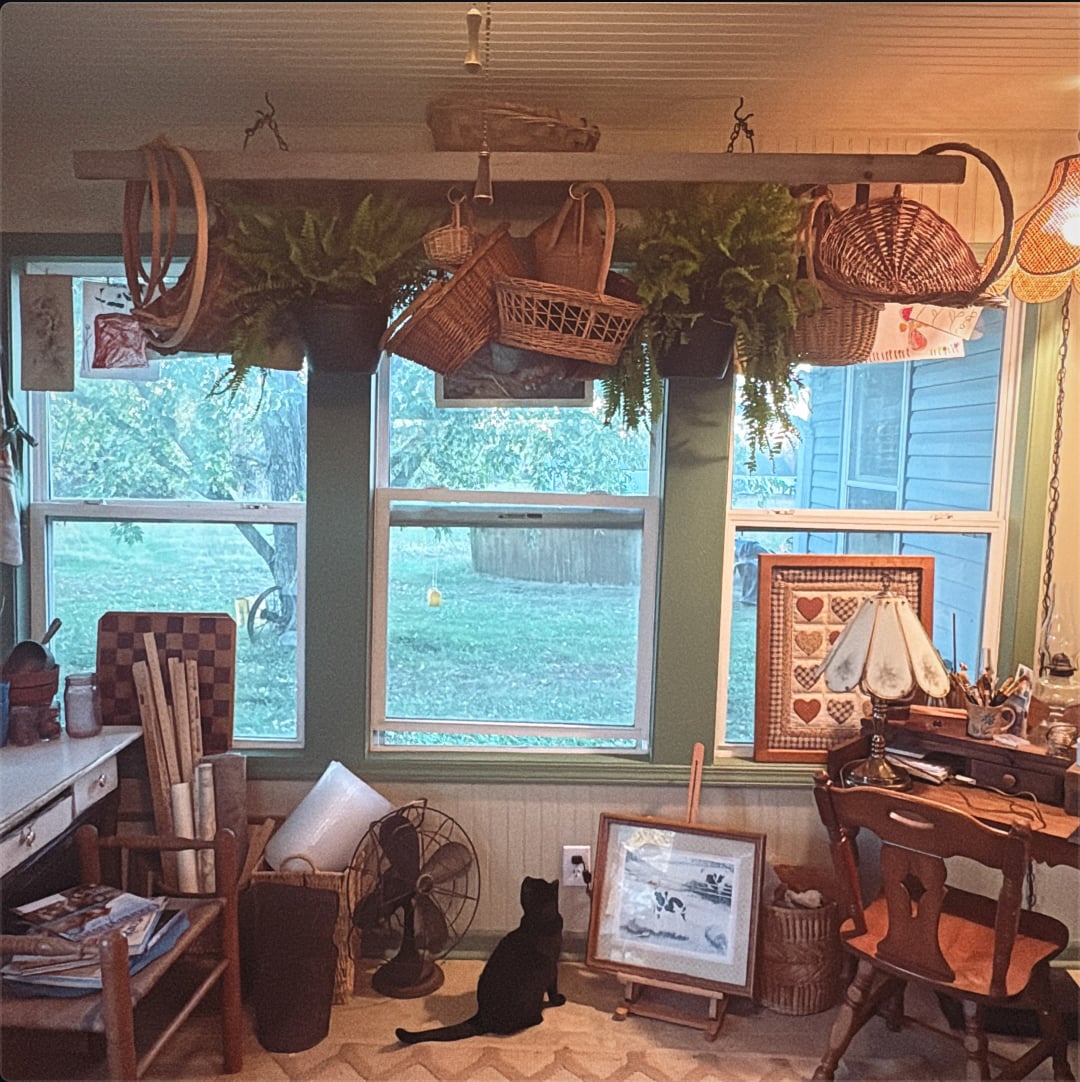
fern (likely Boston fern)
How do I overwinter hanging ferns in a bright sunroom?
That sunroom spot should work well if the ferns get bright but not harsh direct sun and the air isn’t too hot or dry. Indoors, water whenever the top of the soil just starts to feel dry, which is often about once a week but depends on your room’s temperature and humidity.