
century plant (agave) · Asked on Instagram · 31 October 2026
Is this root rot on my century plant pups and can I still save them?
The dark, mushy tissue at the base does look like rot, likely from staying too wet, and the pups didn’t have time to grow strong roots. Cut back to firm, healthy tissue, let the pieces dry and callus, then replant in very well‑draining soil and keep almost dry until new roots form.
The question
“Splitting my century plants and I'm seeing minimal roots. Is this root rot? Is there anything I can do to help save these? Drop your tips.”
What's likely going on
From the photo, the base of the agave (century plant) shows dark, soft, decaying tissue around the attachment point. That’s consistent with rot starting at the base, usually from:
- Soil staying wet or poorly drained
- Damage while removing pups, letting fungi/bacteria in
Minimal roots on offsets (pups) is common if they’re taken too early or from a stressed mother plant. A healthy pup can still survive if there’s firm, white or pale tissue inside once you cut away the rot.
I can’t see the whole root ball, so to confirm, gently press the dark areas: if they’re soft, smelly, or smear on your fingers, it’s rot; if they’re dry and hard, it may just be old, dead tissue.
What to do
- Unpot or uncover the base of the affected plants so you can see all the soft, dark tissue.
- Cut away all rotten parts with a clean, sharp knife until you reach firm, clean, pale tissue. Disinfect the blade between cuts (alcohol or flame and cool).
- Let the plants dry and callus: place the cleaned pups (and any salvaged part of the mother) in bright shade, dry and airy, for 3–7 days. The cut surfaces should dry and feel leathery.
- Optional protection: dust fresh cuts with dry sulfur powder, cinnamon, or a commercial fungicidal powder to discourage further rot.
- Replant in very gritty, fast‑draining mix (cactus/succulent soil with extra pumice, perlite, or coarse sand). Plant shallowly; don’t bury the base deeply.
- Water sparingly: after replanting, wait 5–7 days before the first light watering. Then water only when the mix is completely dry. Rootless pups may sit for weeks before growing new roots.
- Give strong light but avoid harsh midday sun until you see new growth, then gradually move to more sun.
How to prevent it
- Use pots or ground with excellent drainage; avoid heavy garden soil.
- Water agaves deeply but infrequently, letting soil fully dry between waterings.
- When removing pups, choose ones that are fist‑sized or larger and already show some roots.
- Always use clean tools and avoid leaving fresh wounds in wet soil.
When to worry
- If the rot smell is strong and the soft area keeps spreading after you’ve cut it out.
- If the remaining core turns hollow, mushy, or collapses.
- If pups shrivel from the center and don’t firm up after weeks in dry conditions.
In those cases, discard badly affected plants to protect any healthy agaves growing nearby and start fresh with clean, dry offsets in new soil.
Answered by the GrowPls assistant. Every plant and room is different; if things don't improve, a clear close-up photo of the affected part is the fastest way to a better answer.
Related questions
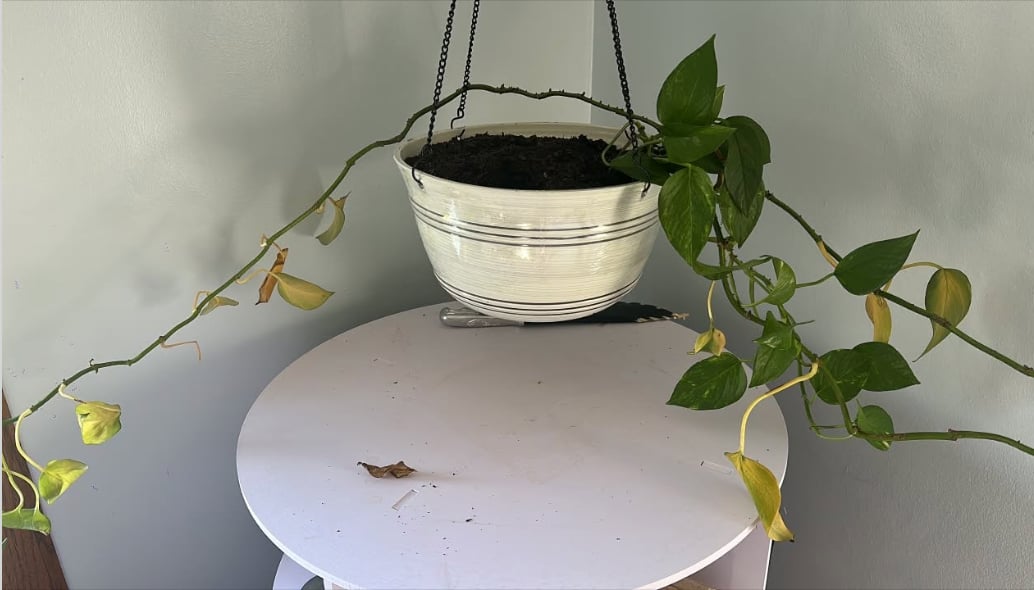
pothos (money plant)
Why are my pothos leaves turning yellow after repotting?
Those yellow leaves are most likely from stress after repotting plus soil that’s staying too wet. Check that the pot drains well, let the soil dry a bit between waterings, and trim off the worst yellow leaves.
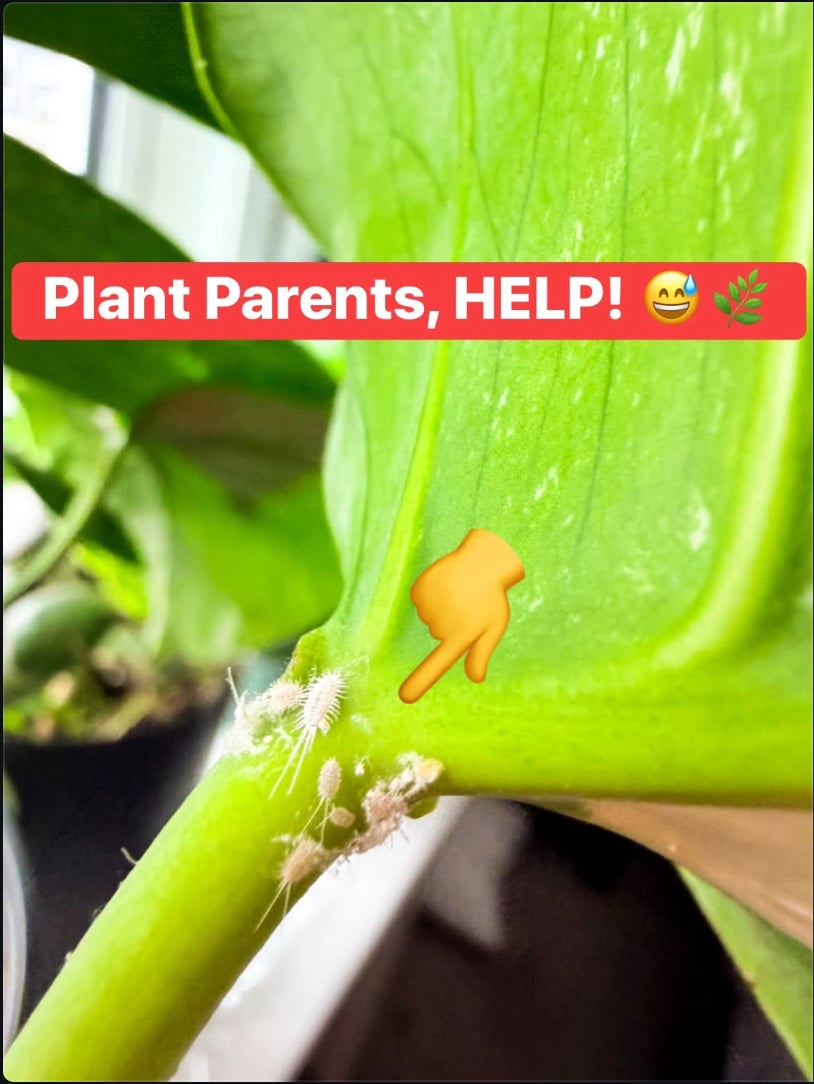
Are these white insects on my plant mealybugs and how do I get rid of them?
Those fluffy white insects in the leaf joint are mealybugs. Isolate the plant, wipe them off with cotton dipped in diluted rubbing alcohol, and repeat weekly, adding insecticidal soap or neem oil if they keep coming back.
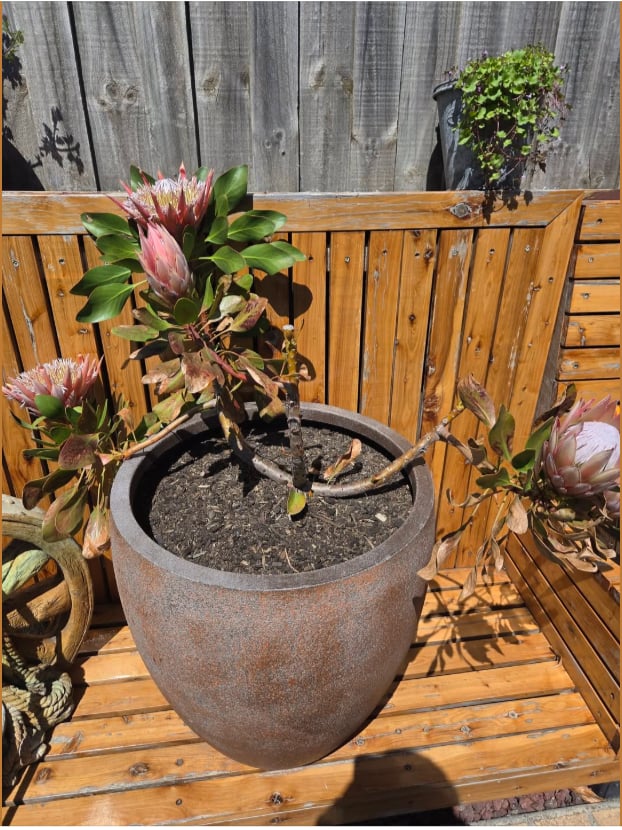
protea
How can I save my potted protea that is browning and sparse?
The protea in the photo is stressed, likely from a mix of poor drainage/over‑watering and an unsuitable potting mix. Trim back the dead stems, improve drainage, and refresh with a very free‑draining, low‑fertility mix, then water deeply but only when the top of the mix has dried out.
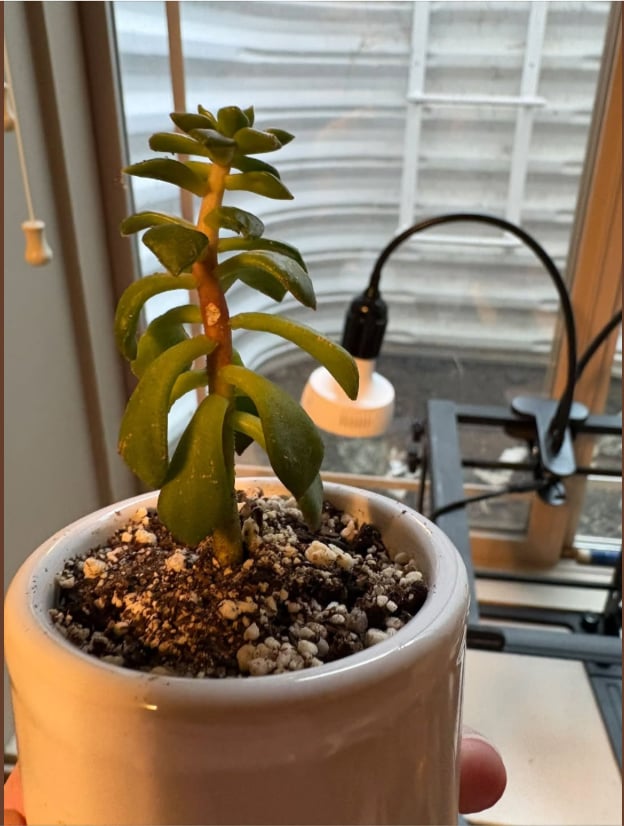
succulent
Is the red color on my succulent stem a sign of root rot?
That reddish stem alone doesn’t look like root rot; many succulents get red tones from light or age. Check the roots and the base of the stem for mushy, dark, smelly tissue and make sure the pot drains well to be safe.