
succulent · Asked on Facebook · 5 November 2026
Is the red color on my succulent stem a sign of root rot?
That reddish stem alone doesn’t look like root rot; many succulents get red tones from light or age. Check the roots and the base of the stem for mushy, dark, smelly tissue and make sure the pot drains well to be safe.
The question
“Root rot? Not sure if this red color on the stem is indicative of root rot or not? The lower leaves are a little droopy but otherwise green so I’m not sure”
What's likely going on
From the photo, the succulent’s stem has turned reddish and the lower leaves look a bit droopy but still green. Red or pink coloring on stems and leaves is usually sun/light stress or normal aging, not rot. Many succulents develop red tones when they get more light or when they’re slightly dry.
Root rot, on the other hand, shows up as:
- Stem base turning brown/black and mushy where it meets the soil
- Leaves becoming soft, yellow, or translucent, often starting from the bottom
- A sour or rotten smell when you pull the plant from the pot
The soil looks quite peaty and the outer pot may not have a drainage hole, which does increase the risk of rot if watering is frequent.
What to do
Check for drainage
Make sure there is a hole at the bottom of the inner pot. If not, repot into a container with good drainage.Inspect the roots and stem base
Gently slide the plant out. Healthy roots are firm and white/tan. Trim away any black, mushy, or foul‑smelling roots and stem with clean scissors.Use a gritty succulent mix
Replant in a fast‑draining mix (cactus soil plus extra perlite/pumice). Avoid packing the soil tightly.Adjust watering
Water only when the soil is completely dry all the way down. Then water thoroughly until it drains, and empty any saucer.Improve light
Give it bright, indirect light or a few hours of gentle direct sun. This also helps the red color stay without harming the plant.
How to prevent it
- Always use pots with drainage holes.
- Let the soil dry fully between waterings.
- Use a coarse, sandy mix made for cacti and succulents.
- Provide strong light so the plant stays compact, not stretched and droopy.
When to worry
- The stem at soil level turns soft, brown/black, or collapses.
- Leaves become mushy or fall off at a touch.
- You notice a rotten smell from the soil.
If any of these appear, unpot immediately, cut back to firm tissue, and try to re‑root the healthy top as a cutting.
Answered by the GrowPls assistant. Every plant and room is different; if things don't improve, a clear close-up photo of the affected part is the fastest way to a better answer.
Related questions
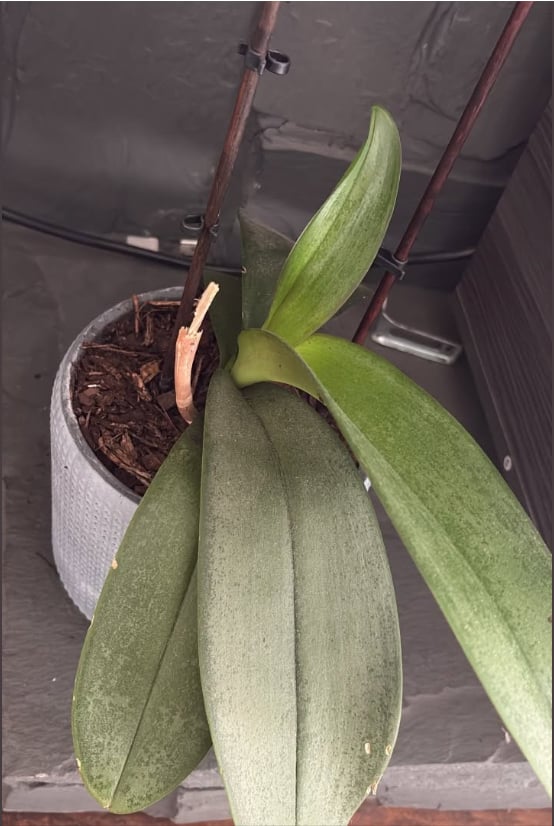
moth orchid (Phalaenopsis)
Why hasn’t my orchid flowered again for a year?
This moth orchid looks healthy enough but likely isn’t getting the right mix of bright light, feeding, and a slight temperature drop that triggers new flower spikes. Improve light, start regular orchid fertilizer, and give it a cooler, brighter spot for a few weeks to encourage blooming.
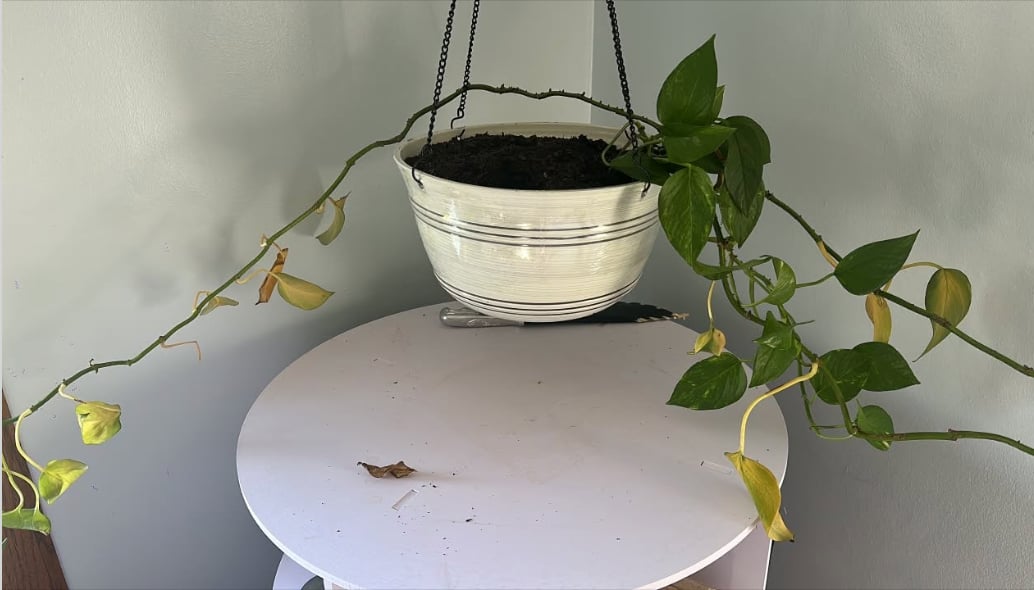
pothos (money plant)
Why are my pothos leaves turning yellow after repotting?
Those yellow leaves are most likely from stress after repotting plus soil that’s staying too wet. Check that the pot drains well, let the soil dry a bit between waterings, and trim off the worst yellow leaves.
How do I know when my plants need watering?
Most plants should be watered when the top layer of soil has dried out, not on a fixed schedule. Check the soil with your finger, lift the pot to feel the weight, and watch the leaves for early signs of thirst like slight drooping or dullness.
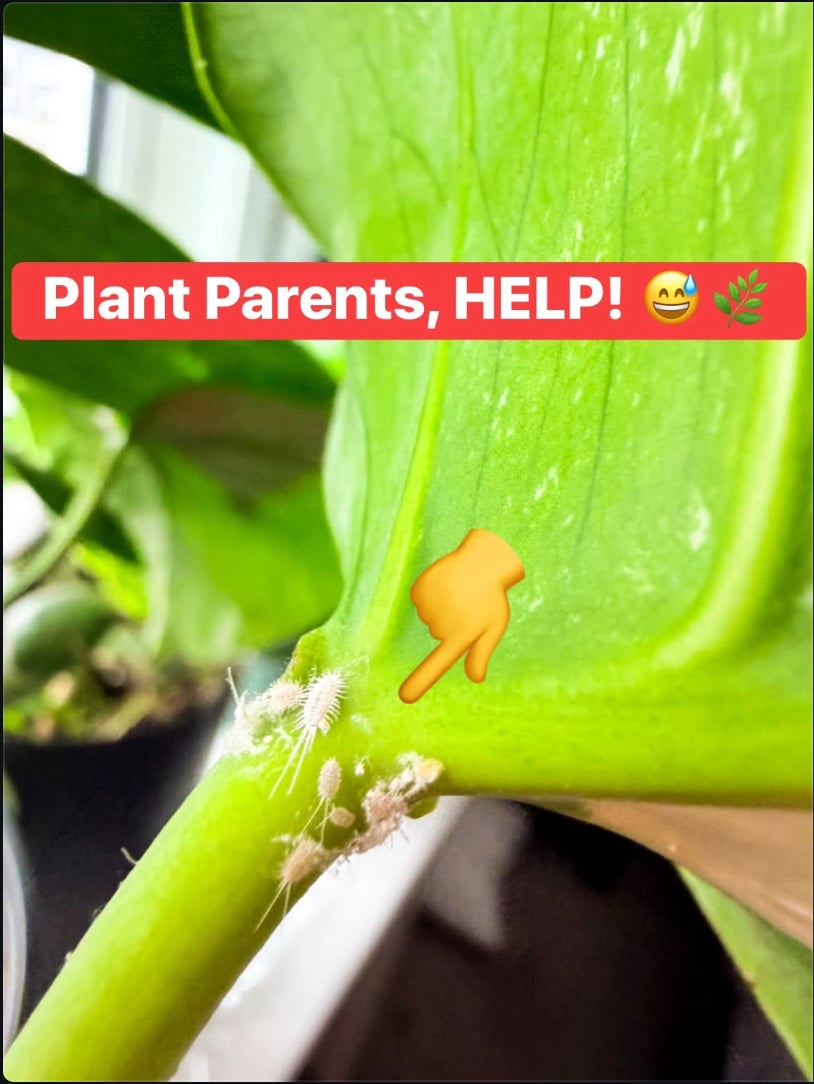
Are these white insects on my plant mealybugs and how do I get rid of them?
Those fluffy white insects in the leaf joint are mealybugs. Isolate the plant, wipe them off with cotton dipped in diluted rubbing alcohol, and repeat weekly, adding insecticidal soap or neem oil if they keep coming back.