
elephant ear · Asked on Facebook · 5 November 2026
What are the white bugs on my elephant ear leaves and how do I get rid of them?
Those white specks are almost certainly sap‑sucking pests like mealybugs or soft scale that came home with the new plant. Isolate the plant, wipe every leaf with soapy water or alcohol, and repeat regularly until you don’t see any more.
The question
“Picked up this little baby from the local market and I've never had bugs on my plants fire and now I do. What are these and how do I get rid of them”
What's likely going on
From the photo, the plant looks like an elephant ear (Colocasia/Alocasia type) and the leaves are dotted with many small white specks and clusters.
What we can see:
- Small white, rice‑like bits sitting on the leaf surface, some in little groups.
Most likely causes:
- Mealybugs or soft scale insects – These are common hitchhikers on market plants. Mealybugs look like tiny bits of cotton or fluff; young scale can look like white grains. They suck sap, weaken the plant, and leave sticky residue.
- Less likely, shed skins from aphids/whitefly – If you notice tiny flying insects when you disturb the plant, it could be this, but usually you’ll also see living bugs moving around.
A closer photo that shows a single white speck up close would confirm, but the treatment is the same for all these sap‑sucking pests.
What to do
Isolate the plant Keep it away from other houseplants so the bugs don’t spread.
Physically clean the leaves
- Mix a few drops of mild dish soap in a bowl of water.
- Wipe both sides of every leaf and the stems with a soft cloth or cotton pad.
- For stubborn white clumps, dab with a cotton swab dipped in rubbing alcohol, then wipe off.
Check the undersides and leaf bases
Pests love the leaf undersides and where leaves meet the stem. Clean those spots carefully.Repeat weekly
Eggs hatch over time, so repeat the cleaning once a week for 3–4 weeks and remove any new bugs you see.Use a gentle spray if the infestation is heavy
A ready‑made insecticidal soap or neem oil spray (follow the label, and test on one leaf first) can help. Keep pets and kids away until the leaves are dry.
How to prevent it
- Quarantine any new plant for 2–3 weeks before placing it with others.
- Inspect new plants closely: leaf undersides, stems, and soil surface.
- Keep the plant healthy with proper light and watering; stressed plants attract pests.
When to worry
- If new leaves are deformed, yellowing fast, or the plant seems to be collapsing.
- If the pests keep coming back heavily even after several cleanings.
In those cases, consider a stronger labeled insecticide for houseplants or discarding the most infested plant to protect the rest of your collection.
Answered by the GrowPls assistant. Every plant and room is different; if things don't improve, a clear close-up photo of the affected part is the fastest way to a better answer.
Related questions
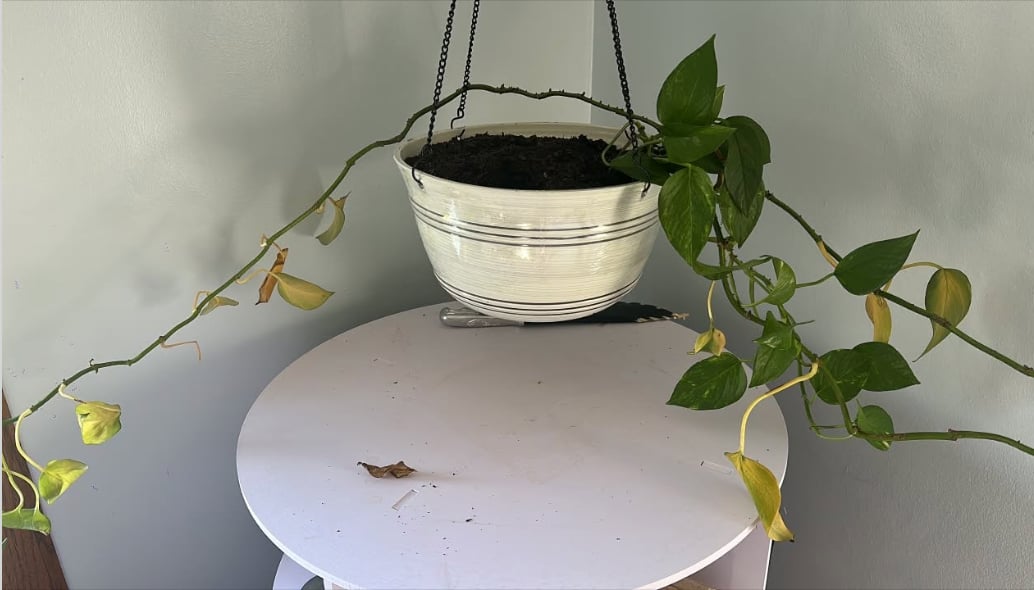
pothos (money plant)
Why are my pothos leaves turning yellow after repotting?
Those yellow leaves are most likely from stress after repotting plus soil that’s staying too wet. Check that the pot drains well, let the soil dry a bit between waterings, and trim off the worst yellow leaves.
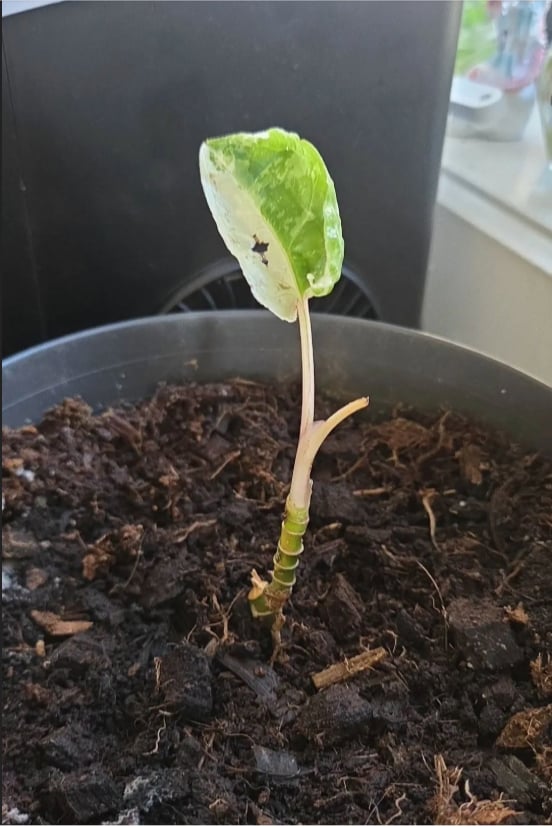
How can I identify this small cutting with only one damaged leaf?
From the photo, the plant is too small and damaged to confidently identify; it looks like a young aroid-type houseplant grown from a stem cutting. Let it grow a few new leaves and nodes, then compare leaf shape and growth habit for a more reliable ID.
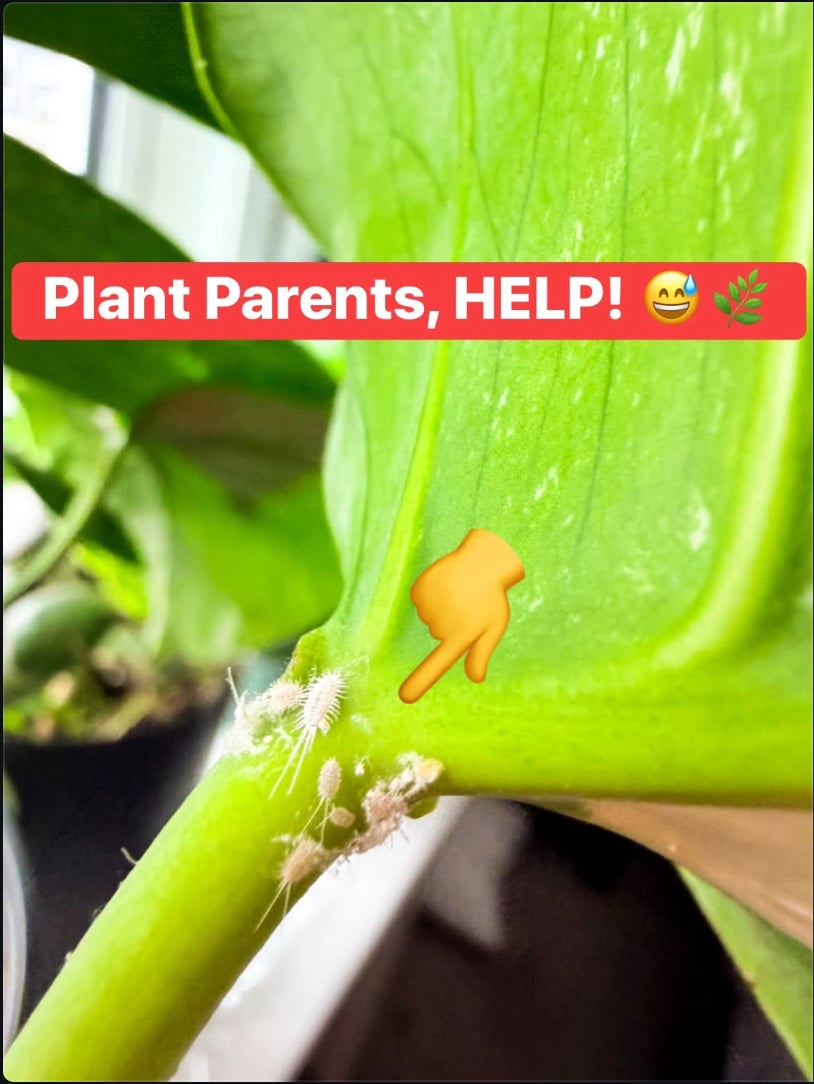
Are these white insects on my plant mealybugs and how do I get rid of them?
Those fluffy white insects in the leaf joint are mealybugs. Isolate the plant, wipe them off with cotton dipped in diluted rubbing alcohol, and repeat weekly, adding insecticidal soap or neem oil if they keep coming back.
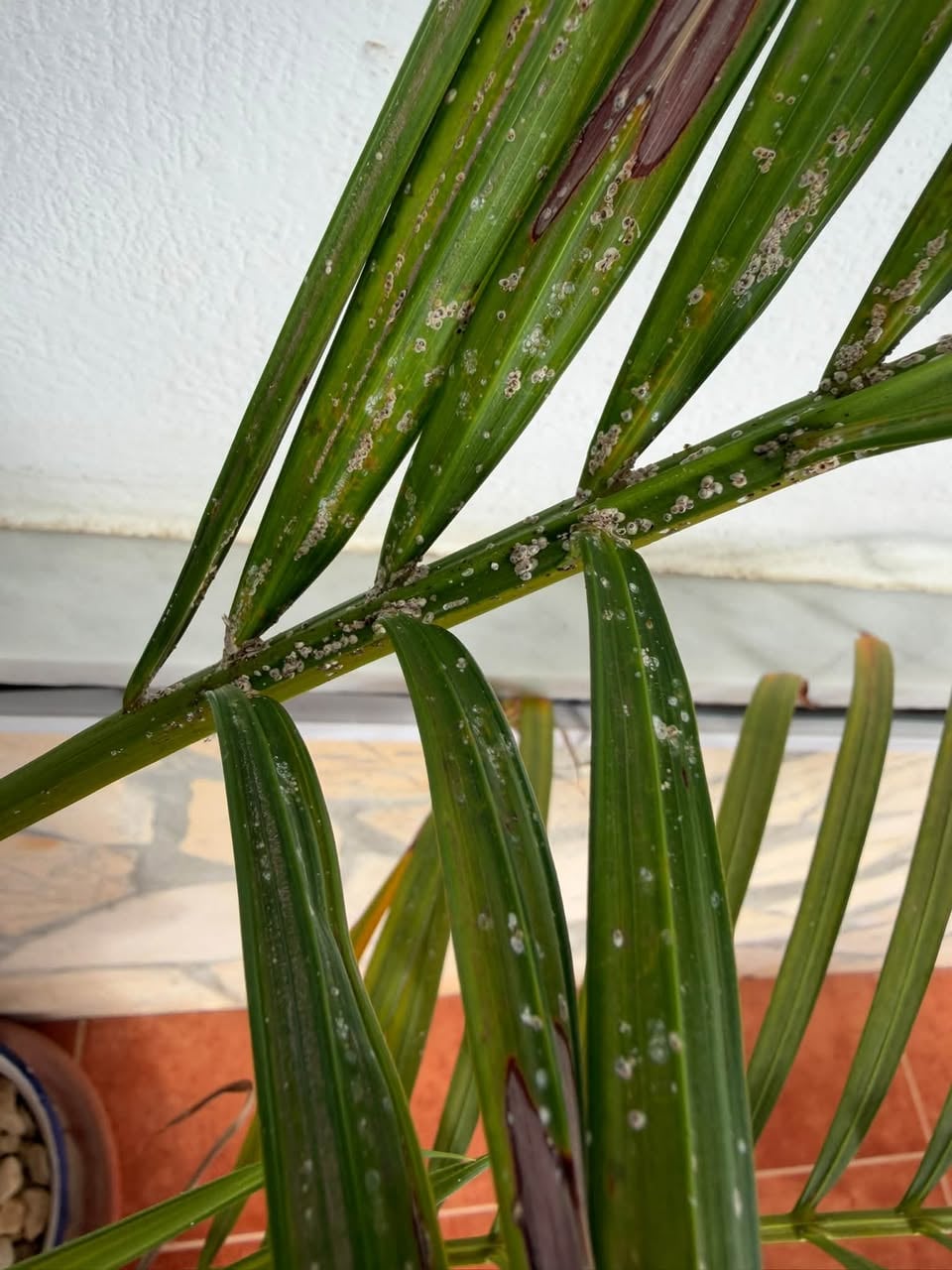
palm (likely an areca or similar)
What are the white bumps on my palm leaves and how do I treat them?
The plant is heavily infested with scale insects, which are sucking sap and weakening it. Start by physically wiping/scraping them off and then use repeated treatments with soapy water or horticultural oil until no new bumps appear.