
palm (likely an areca or similar) · Asked on Facebook · 5 November 2026
What are the white bumps on my palm leaves and how do I treat them?
The plant is heavily infested with scale insects, which are sucking sap and weakening it. Start by physically wiping/scraping them off and then use repeated treatments with soapy water or horticultural oil until no new bumps appear.
The question
“Could someone please tell me what’s wrong with this plant. Thank you 😊”
What's likely going on
The white and beige bumps all over the leaves and stems are scale insects. These are tiny sap‑sucking pests that sit still and form a hard or waxy shell, so they look like spots rather than bugs.
From the photo you can see:
- Many small, round, crusty bumps clustered along the leaf midribs and stems.
- Some leaf tips browning, which often happens when scale has been feeding for a while.
Scale insects weaken the plant over time by stealing sap. A light infestation can be managed easily, but this one is fairly heavy, so it will need a few rounds of treatment.
What to do
Isolate the plant
Move it away from other plants so the scale doesn’t spread.Manually remove as many as possible
- Use a soft cloth or cotton pads dipped in mild soapy water (a few drops of dish soap in a cup of water) and gently wipe the leaves and stems.
- For stubborn ones, use your fingernail or a soft toothbrush to scrape them off without cutting the leaf.
Wash the plant
Rinse thoroughly with plain water after wiping to remove soap residue and dead insects.Apply an oil or soap spray
- Mix horticultural oil or neem oil according to the label, or use insecticidal soap.
- Spray all leaf surfaces, especially along the midribs and stems where the bumps are.
- Keep the plant out of direct hot sun for a day after spraying to avoid leaf burn.
- Neem and soaps are generally low‑toxicity, but keep pets and children away until leaves are dry.
Repeat treatments
Scale has life cycles; repeat the spray every 7–10 days for at least 3–4 rounds, checking for new bumps and wiping them off.
How to prevent it
- Check new plants closely and keep them separate for a couple of weeks before placing near others.
- Improve airflow and light: scale thrives on stressed, shaded plants. Give the palm bright, indirect light and avoid overcrowding.
- Avoid overfertilizing: very lush, soft growth can attract sap‑suckers. Feed lightly and only in the growing season.
- Inspect regularly—look along stems and leaf bases once a week so you can catch a few insects before they become many.
When to worry
- If new leaves come out deformed or very weak even after a month of treatment.
- If you see black, sooty mold growing on sticky leaves (a sign of heavy sap‑sucking and honeydew).
- If the plant continues to decline, consider cutting back the most infested fronds and, if available in your area, using a systemic insecticide as a last resort, following the label carefully.
Answered by the GrowPls assistant. Every plant and room is different; if things don't improve, a clear close-up photo of the affected part is the fastest way to a better answer.
Related questions
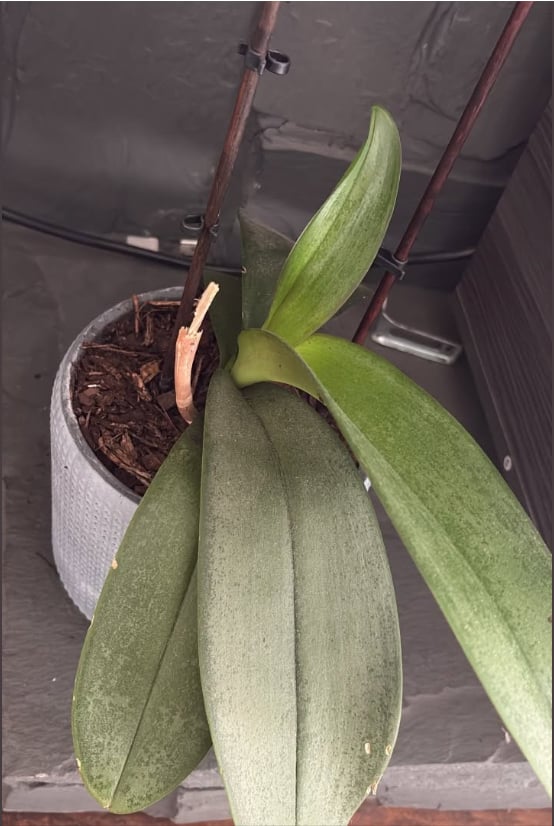
moth orchid (Phalaenopsis)
Why hasn’t my orchid flowered again for a year?
This moth orchid looks healthy enough but likely isn’t getting the right mix of bright light, feeding, and a slight temperature drop that triggers new flower spikes. Improve light, start regular orchid fertilizer, and give it a cooler, brighter spot for a few weeks to encourage blooming.
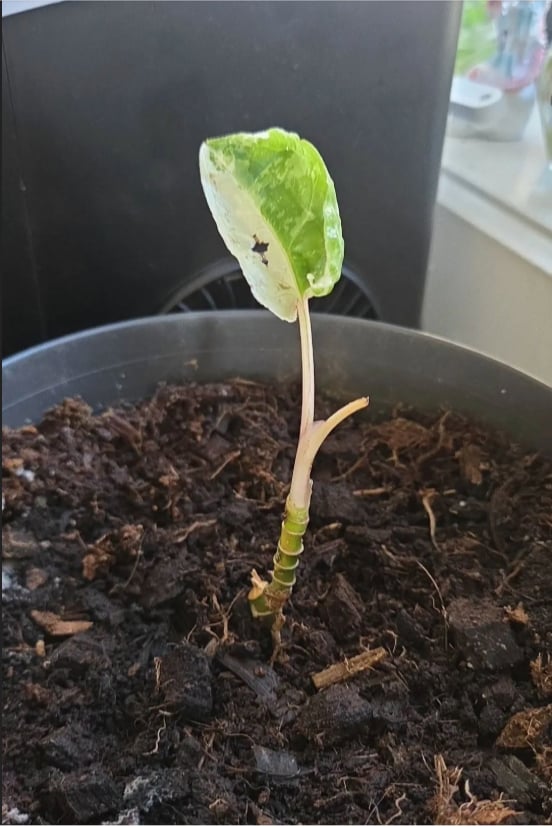
How can I identify this small cutting with only one damaged leaf?
From the photo, the plant is too small and damaged to confidently identify; it looks like a young aroid-type houseplant grown from a stem cutting. Let it grow a few new leaves and nodes, then compare leaf shape and growth habit for a more reliable ID.
How do I know when my plants need watering?
Most plants should be watered when the top layer of soil has dried out, not on a fixed schedule. Check the soil with your finger, lift the pot to feel the weight, and watch the leaves for early signs of thirst like slight drooping or dullness.
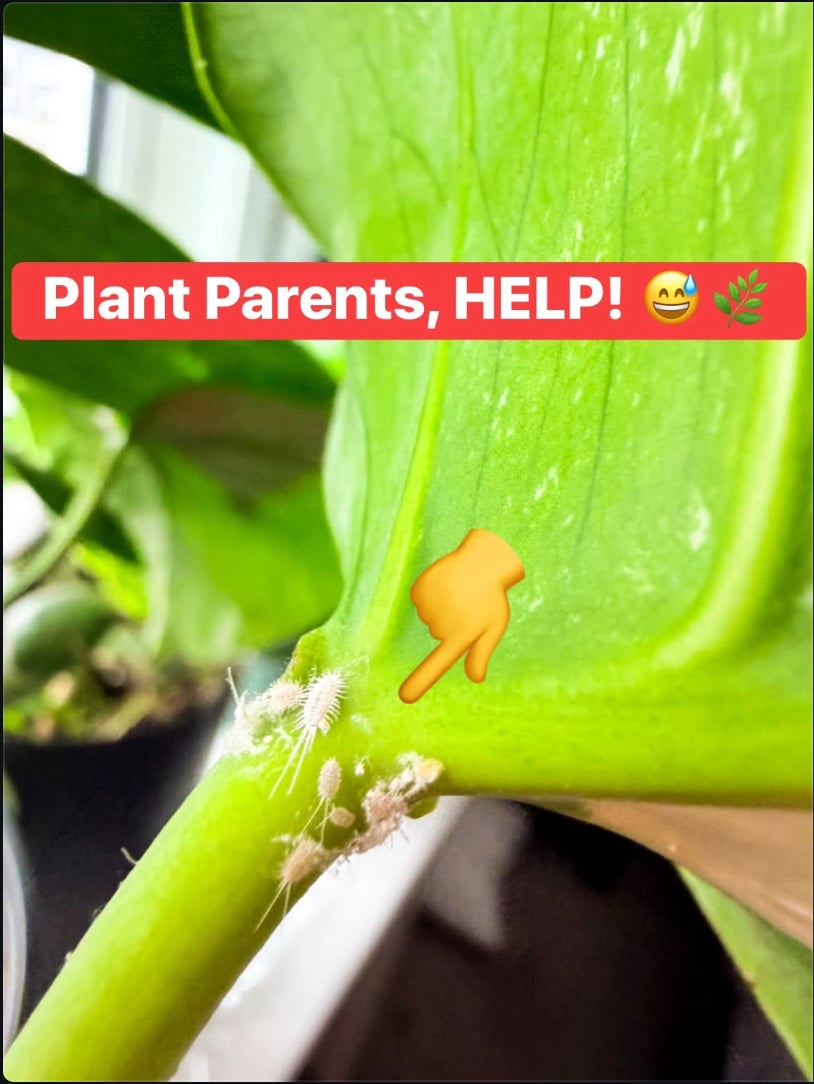
Are these white insects on my plant mealybugs and how do I get rid of them?
Those fluffy white insects in the leaf joint are mealybugs. Isolate the plant, wipe them off with cotton dipped in diluted rubbing alcohol, and repeat weekly, adding insecticidal soap or neem oil if they keep coming back.