
Boston fern · Asked on Instagram · 31 October 2026
What can I do with large porch ferns before winter if I lack indoor space?
Large porch ferns that can’t be overwintered indoors can be divided into smaller pieces, shared with others, or treated as annuals and composted after frost. To donate or give them away, take them out of the heavy pots, shake off extra soil, and send them in lighter plastic bags or smaller containers.
The question
“I have 4 of these ferns. I want to keep my flower pots. Does anyone know what I can do with these. I don’t have room to keep them this winter. I have really enjoyed them and hate to see the frost get them. I am willing to give them to a nursing home etc, but feel they will be very, very heavy. Any ideas or anyone want them. Free without flower pots.”
What's likely going on
These look like big, healthy Boston ferns often used as porch plants. In colder climates they’ll be killed by frost if left outside, but bringing all of them in isn’t always realistic – they’re big, messy, and heavy in those pots.
You really have three main options:
- Overwinter a smaller amount (a few divisions, or one parent plant) indoors.
- Give them away / donate them without the heavy pots.
- Treat them as annuals and compost them after frost.
What to do
Decide if you want to keep a piece
If you’ve loved these ferns, keep just one plant or a few small divisions and let the rest go. One big fern can easily be split into 3–6 smaller plants.Unpot to make them lighter
The weight is mostly soil and pot. Slide each fern out, knock or wash off some soil, and either:- Wrap the root ball in a plastic bag, or
- Pop it into a cheap, light plastic nursery pot. This makes them much easier to move or donate.
Divide if needed
Use a serrated knife or hand saw to cut the root mass into wedges, each with healthy fronds. Pot each wedge up separately. Smaller plants are easier for nursing homes, neighbors, or local churches to handle.Overwinter one indoors (optional)
Keep one in bright, indirect light inside. Water when the top feels slightly dry, and trim brown fronds. A cool, bright room or enclosed porch works well.Compost what’s left
If you can’t find takers, it’s perfectly fine to let frost take them and then add the dead fronds to a compost pile or garden bed as organic matter.
How to prevent it
- Plan porch plant size with winter in mind: choose fewer, or smaller, ferns if indoor space is limited.
- Use lighter plastic pots or baskets so moving them is easier next year.
- Consider hardy evergreen shrubs in the ground for permanent green, and fewer tender pots.
When to worry
- There’s no plant health emergency here. The only “deadline” is the first hard frost.
- Aim to divide, donate, or move them before nighttime temperatures regularly drop near freezing, and enjoy them guilt‑free as seasonal plants if you decide not to overwinter them.
Answered by the GrowPls assistant. Every plant and room is different; if things don't improve, a clear close-up photo of the affected part is the fastest way to a better answer.
Related questions
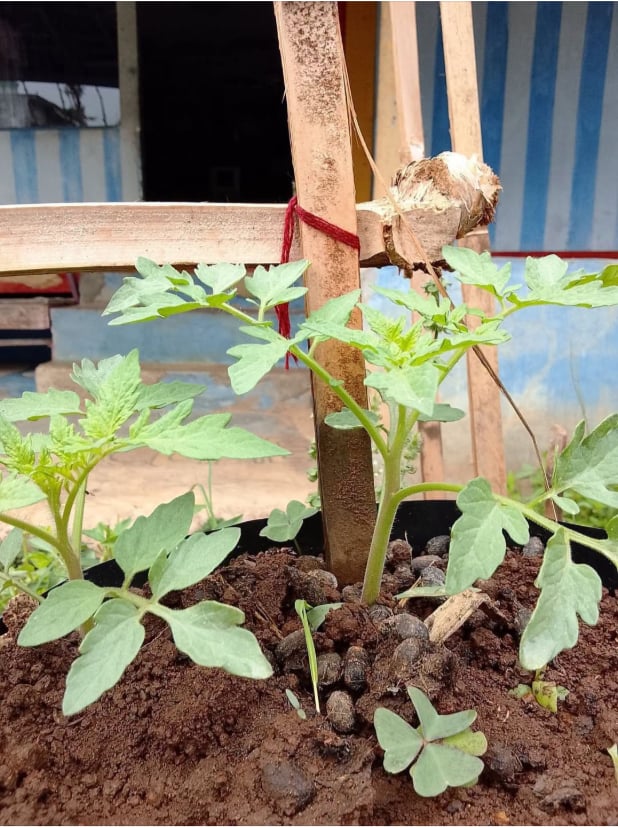
tomato
What plant is this seedling I planted?
The seedlings in the photo are tomato plants. Give them strong sun, a bigger pot or bed, and support as they grow taller.

tropical canna or banana-type plant
How can I overwinter the tropical “palm” in my big patio pots?
That center “palm” can be saved, but it’s a tropical (not frost‑hardy), so you’ll need to lift it from the mixed pot before frost and keep it inside in bright light with much less water. The flowering trailers around it are usually treated as annuals and are hard to carry over.
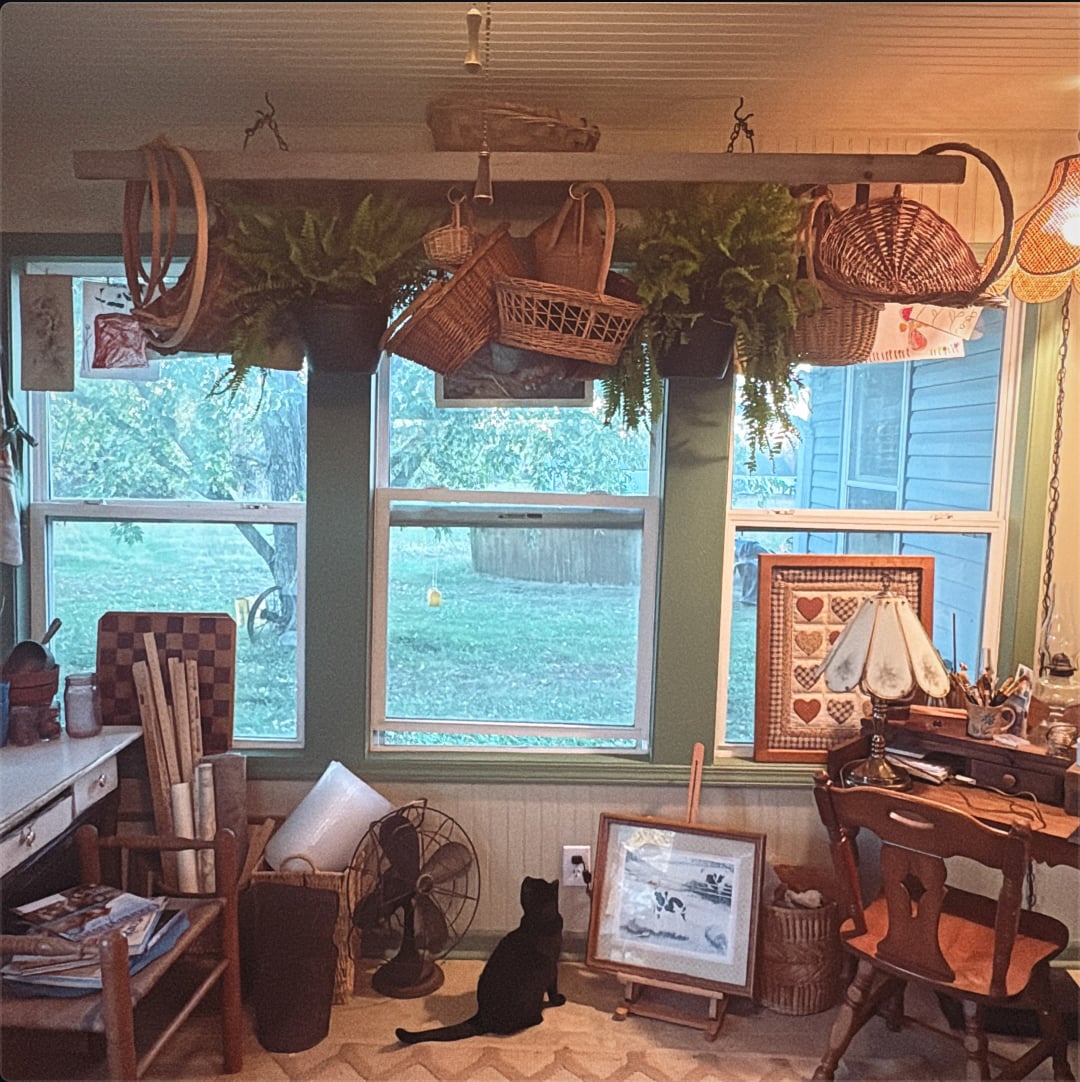
fern (likely Boston fern)
How do I overwinter hanging ferns in a bright sunroom?
That sunroom spot should work well if the ferns get bright but not harsh direct sun and the air isn’t too hot or dry. Indoors, water whenever the top of the soil just starts to feel dry, which is often about once a week but depends on your room’s temperature and humidity.
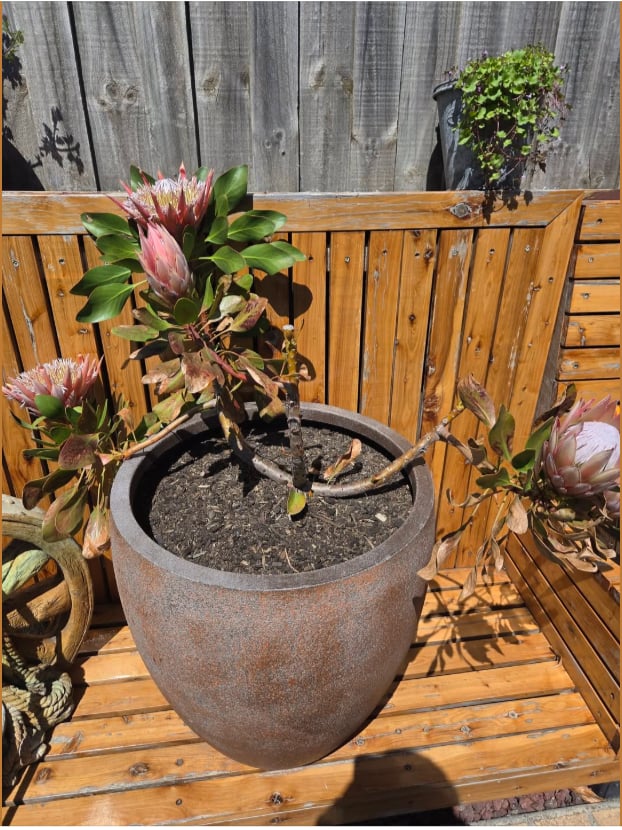
protea
How can I save my potted protea that is browning and sparse?
The protea in the photo is stressed, likely from a mix of poor drainage/over‑watering and an unsuitable potting mix. Trim back the dead stems, improve drainage, and refresh with a very free‑draining, low‑fertility mix, then water deeply but only when the top of the mix has dried out.