
mint · Asked on Facebook · 4 November 2026
What is the name of this mint-like herb plant?
This looks like a type of mint, most likely common mint or spearmint. Rub a leaf between your fingers and smell it – a strong, cool minty scent will confirm it’s a mint plant.
The question
“What is the name of this plant in your area?”
What's likely going on
From the photo, the plant has:
- Opposite leaves (two leaves directly across from each other on the stem)
- Slightly serrated (toothed) leaf edges
- A square-looking stem (common in the mint family)
- Dense, bushy growth
All of these are typical of mint (Mentha species). Without flowers or a closer look, it’s hard to say exactly which kind, but it closely resembles common mint / spearmint that many people grow for cooking and tea.
If you crush a leaf between your fingers, a strong, refreshing minty smell is a clear sign it’s a mint.
What to do
- Confirm by smell. Gently rub a leaf and sniff. A cool, menthol or chewing‑gum smell means it’s almost certainly a mint.
- Taste just a tiny bit (only if you’re sure no pesticides were sprayed). Mint leaves should taste fresh and minty, not bitter or soapy.
- Grow it in a pot if you can. Mint spreads by underground runners and can take over a bed, so many gardeners keep it in containers.
- Harvest often. Regularly pinch or cut the top 5–10 cm of stems to use in tea, chutneys, salads, or garnishes. This encourages bushier growth.
How to prevent it
(Preventing problems with mint)
- Give it bright light. Mint likes at least a few hours of sun or bright shade.
- Keep soil lightly moist, not soggy. Water when the top of the soil feels dry.
- Trim regularly. This stops it from getting leggy and helps prevent pests hiding in dense growth.
- Divide or repot yearly. Mint gets crowded; refreshing the soil keeps it vigorous.
When to worry
- Leaves turn black, slimy, or have fuzzy grey mold – this can be rot from overwatering.
- Heavy infestations of tiny insects (aphids, whiteflies, etc.) on new growth.
- No minty smell at all – it may be a different, non‑mint plant, so avoid eating until you’ve identified it more clearly.
In normal conditions, though, this plant is a hardy, easy‑growing mint that’s great for everyday use in the kitchen.
Answered by the GrowPls assistant. Every plant and room is different; if things don't improve, a clear close-up photo of the affected part is the fastest way to a better answer.
Related questions
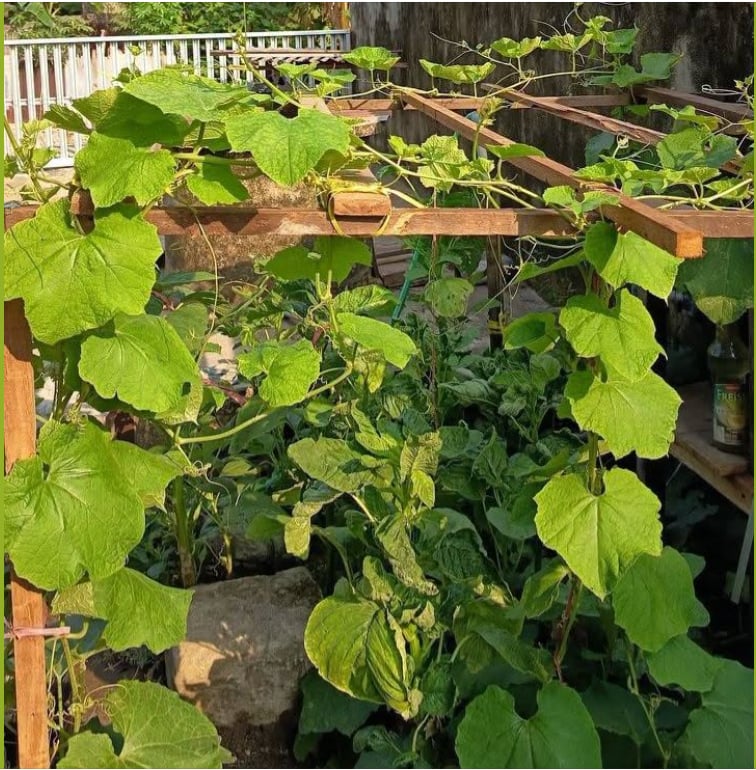
cucurbit vine (gourd/squash family)
What is this cucurbit vine growing wild on my trellis?
This looks like a cucurbit vine – something in the gourd/squash family, such as pumpkin, bottle gourd, or another edible squash – probably a volunteer from kitchen scraps or old compost. Let it flower and fruit to know exactly which one.
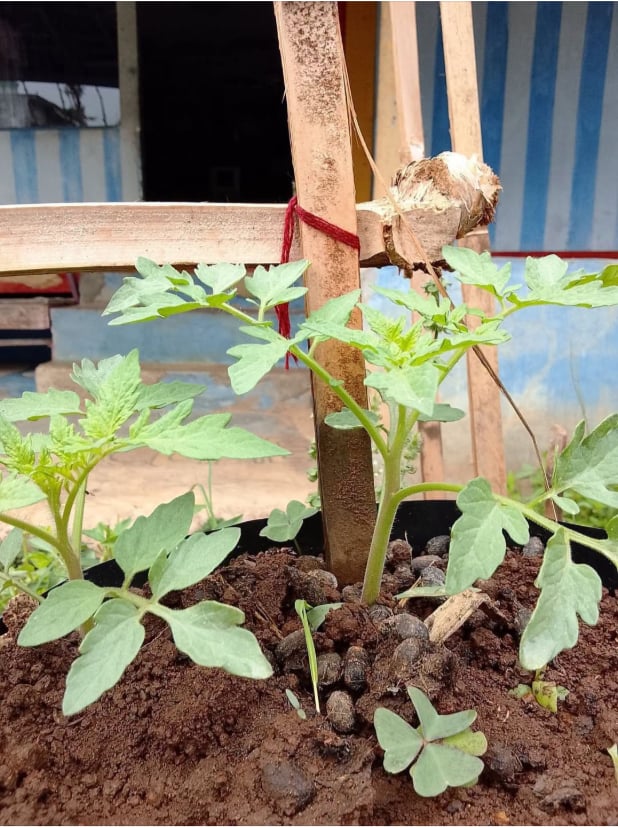
tomato
What plant is this seedling I planted?
The seedlings in the photo are tomato plants. Give them strong sun, a bigger pot or bed, and support as they grow taller.
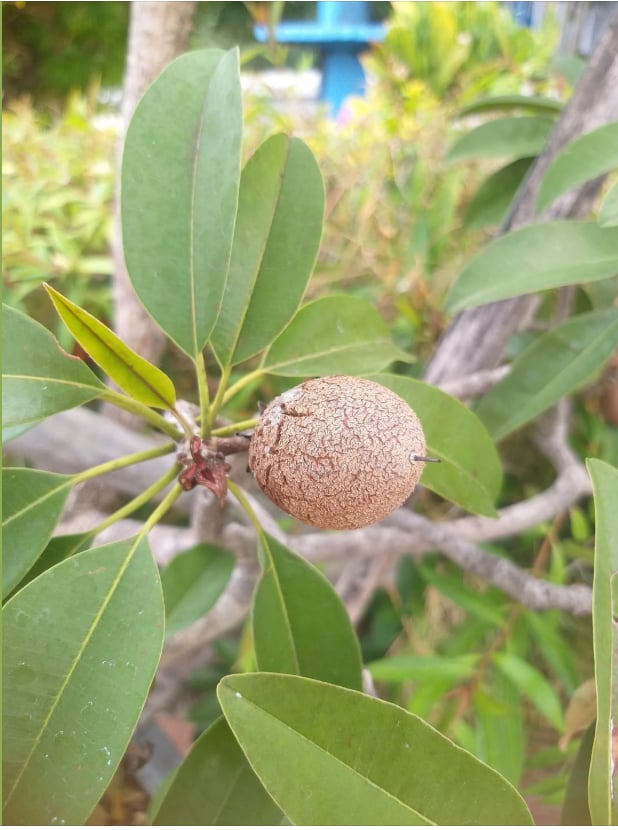
sapodilla (chikoo)
What is this tree with brown round fruits – is the fruit edible?
This looks very much like a sapodilla (chikoo) tree, whose ripe fruit is edible and sweet, but never eat anything based only on an online ID. Have a local plant expert or neighbor familiar with the tree confirm it in person before tasting.
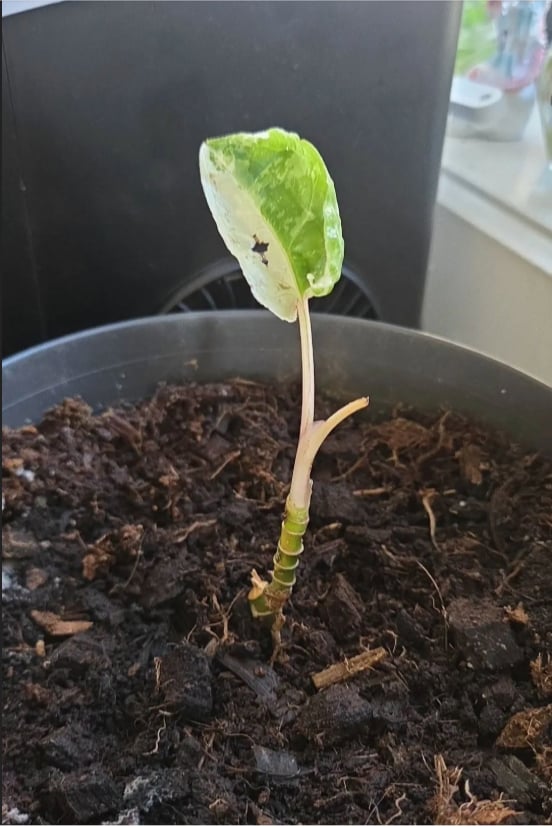
How can I identify this small cutting with only one damaged leaf?
From the photo, the plant is too small and damaged to confidently identify; it looks like a young aroid-type houseplant grown from a stem cutting. Let it grow a few new leaves and nodes, then compare leaf shape and growth habit for a more reliable ID.