
purple shamrock (Oxalis triangularis) · Asked on Facebook · 2 November 2026
What is the name of this purple, shamrock-like plant?
This is a Purple Shamrock, also called Oxalis triangularis, a bulb-forming plant with triangular leaves that open in the day and close at night. Grow it in bright indirect light and well‑draining soil, letting the top soil dry slightly between waterings.
The question
“Hello everyone 🙂 what is the name of this plant”
What's likely going on
The plant in the photo is Purple Shamrock (Oxalis triangularis). It’s known for its triangular, three-part leaves that look like little butterflies or shamrocks and often come in deep purple or pinkish-purple shades.
Oxalis grows from small bulbs or tubers in the soil and will sometimes “sleep” by folding its leaves at night or on very cloudy days. That movement is normal and not a sign of a problem.
What to do
Light
Give it bright, indirect light. A spot near a sunny window with filtered light is ideal. Too much harsh midday sun can fade or scorch the leaves.Watering
Water when the top 2–3 cm of soil feels dry. Keep the soil lightly moist, never soggy. Good drainage is important so the bulbs don’t rot.Soil and pot
Use a well‑draining potting mix in a pot with drainage holes. A general indoor mix is fine.Feeding
During active growth (when it has plenty of leaves), feed lightly with a balanced liquid fertilizer once a month, diluted to half strength.Rest period
If the plant suddenly looks tired and many leaves die back, it may be going into a dormant period. Reduce watering, keep the pot in a cool, dry place for a few weeks, then resume normal care when new shoots appear.Pets and kids
Oxalis can cause stomach upset if eaten in quantity, so keep it out of reach of pets and small children.
How to prevent it
- Avoid overwatering to prevent bulb rot.
- Turn the pot every week or two so it grows evenly towards the light.
- Give it a short rest if it stops producing new leaves instead of forcing more water and fertilizer.
When to worry
- Mushy bulbs or a sour smell from the soil: likely rot from too much water; let the soil dry, and remove any rotten bulbs.
- Leaves turning pale yellow and floppy while soil stays wet: improve drainage and water less often.
- No new growth for months even in good light and with careful watering: dig gently to see if the bulbs are still firm; if they’re dry and shriveled or mushy, they may have died and you may need new bulbs.
Answered by the GrowPls assistant. Every plant and room is different; if things don't improve, a clear close-up photo of the affected part is the fastest way to a better answer.
Related questions
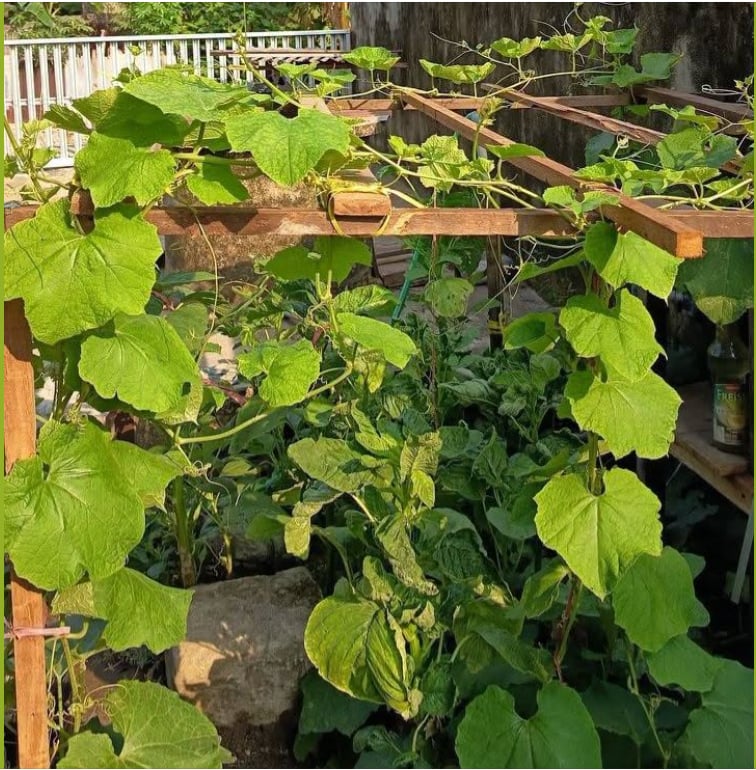
cucurbit vine (gourd/squash family)
What is this cucurbit vine growing wild on my trellis?
This looks like a cucurbit vine – something in the gourd/squash family, such as pumpkin, bottle gourd, or another edible squash – probably a volunteer from kitchen scraps or old compost. Let it flower and fruit to know exactly which one.
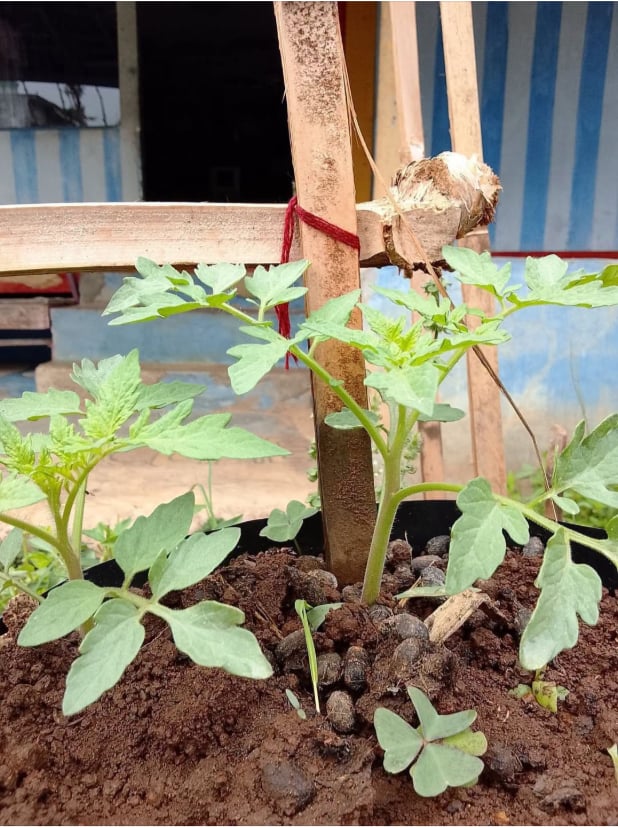
tomato
What plant is this seedling I planted?
The seedlings in the photo are tomato plants. Give them strong sun, a bigger pot or bed, and support as they grow taller.
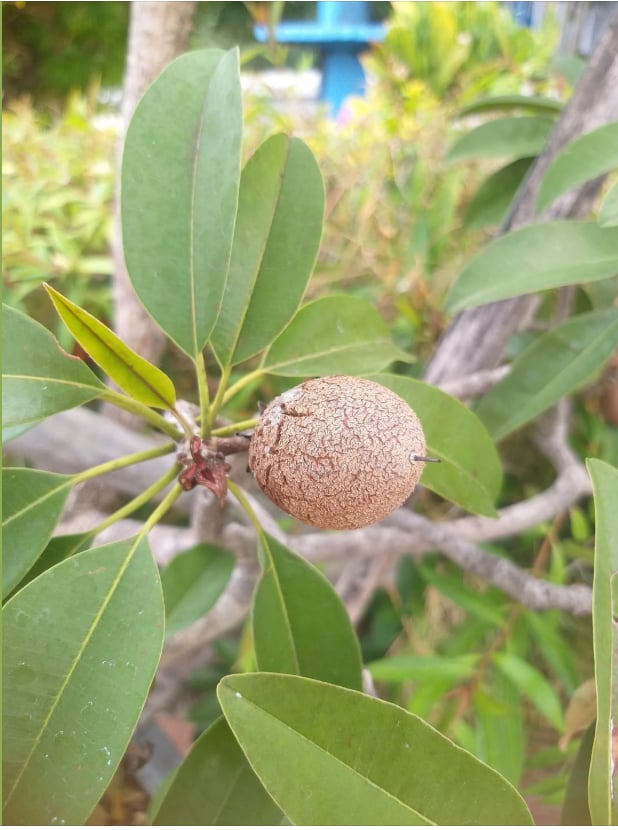
sapodilla (chikoo)
What is this tree with brown round fruits – is the fruit edible?
This looks very much like a sapodilla (chikoo) tree, whose ripe fruit is edible and sweet, but never eat anything based only on an online ID. Have a local plant expert or neighbor familiar with the tree confirm it in person before tasting.
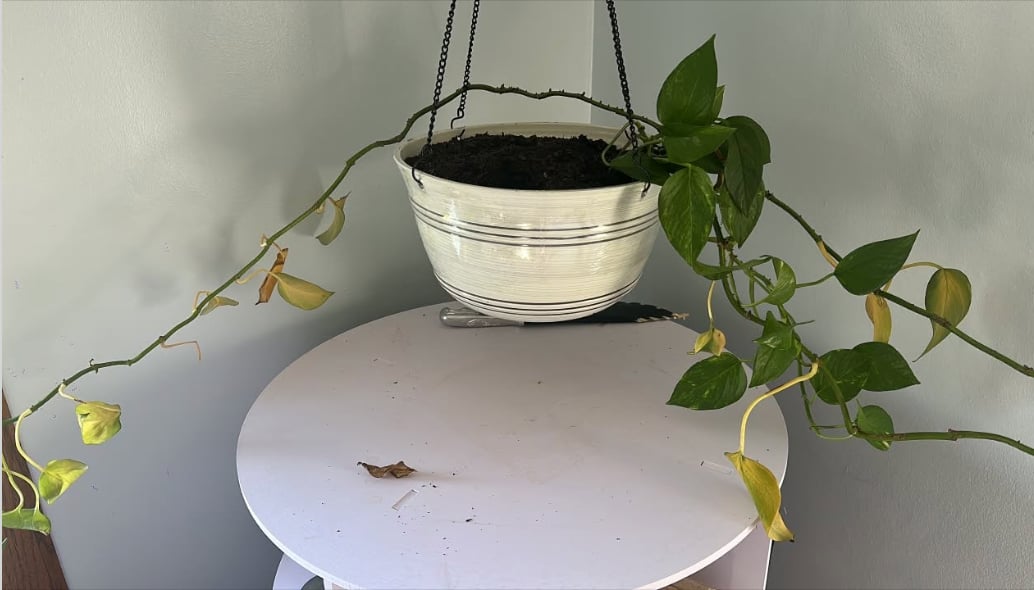
pothos (money plant)
Why are my pothos leaves turning yellow after repotting?
Those yellow leaves are most likely from stress after repotting plus soil that’s staying too wet. Check that the pot drains well, let the soil dry a bit between waterings, and trim off the worst yellow leaves.