
Asked on Instagram · 3 November 2026
What is this cloud of tiny insects over my garden soil?
That moving “mist” is most likely a swarm of tiny flies/gnats breeding in the damp leaf litter, not smoke or spores. Drying the area a bit and disturbing or cleaning the decaying material will usually make them disappear.
The question
“R u thinking what’s this!!! Please find out and let me know as well 😂”
What's likely going on
In the photo it looks like a shimmering cloud of tiny dots moving above damp soil and leaves. When this happens in gardens, it is almost always a swarm of small flies or gnats rather than anything coming from the plants themselves.
Two common possibilities:
- Non‑biting midges or gnats outdoors – These form loose “clouds” that hover in one spot, often in the evening, over damp ground, drains, ponds or heaps of wet leaves. They don’t usually hurt plants, but they can be annoying.
- Fungus gnats (if near pots or very wet soil) – These are tiny black flies whose larvae live in constantly moist soil rich in rotting organic matter. They’re mostly a nuisance, but heavy infestations can damage very young seedlings or cuttings.
From the image (lots of leaf litter and shaded greenery), a midge/gnat swarm over moist debris is the most likely explanation.
What to do
- Disturb the area – Rake or lightly turn the leaf litter/soil where the swarm is hovering. This breaks up their resting/breeding spot.
- Reduce excess moisture – Improve drainage, avoid over‑watering nearby beds, and empty any trays, pots, or containers holding standing water.
- Clean up decaying material – Remove thick mats of wet leaves, rotting fruit, or other debris where larvae might be developing.
- Use simple traps if they’re a nuisance – A bowl of water with a drop of dish soap placed nearby, or yellow sticky cards, can catch a lot of adults without chemicals.
- Avoid strong pesticides first – Sprays for flying insects also affect beneficial bugs; try the physical cleanup and drier conditions before using chemicals.
How to prevent it
- Keep garden soil and leaf piles moist but not constantly soggy.
- Regularly thin out heavy leaf litter and compost it properly.
- Make sure nearby drains, birdbaths, and containers don’t hold stagnant water.
When to worry
- If swarms are inside the house coming from potting soil, or seedlings are wilting with lots of tiny flies, look up “fungus gnats” and treat the pots specifically.
- If people or pets are being bitten, you may be dealing with mosquitoes; then focus on eliminating all standing water and consider local control measures.
Otherwise, these clouds of tiny insects are mostly just a sign of damp, organic‑rich spots in the garden and usually fade once conditions dry out a bit.
Answered by the GrowPls assistant. Every plant and room is different; if things don't improve, a clear close-up photo of the affected part is the fastest way to a better answer.
Related questions
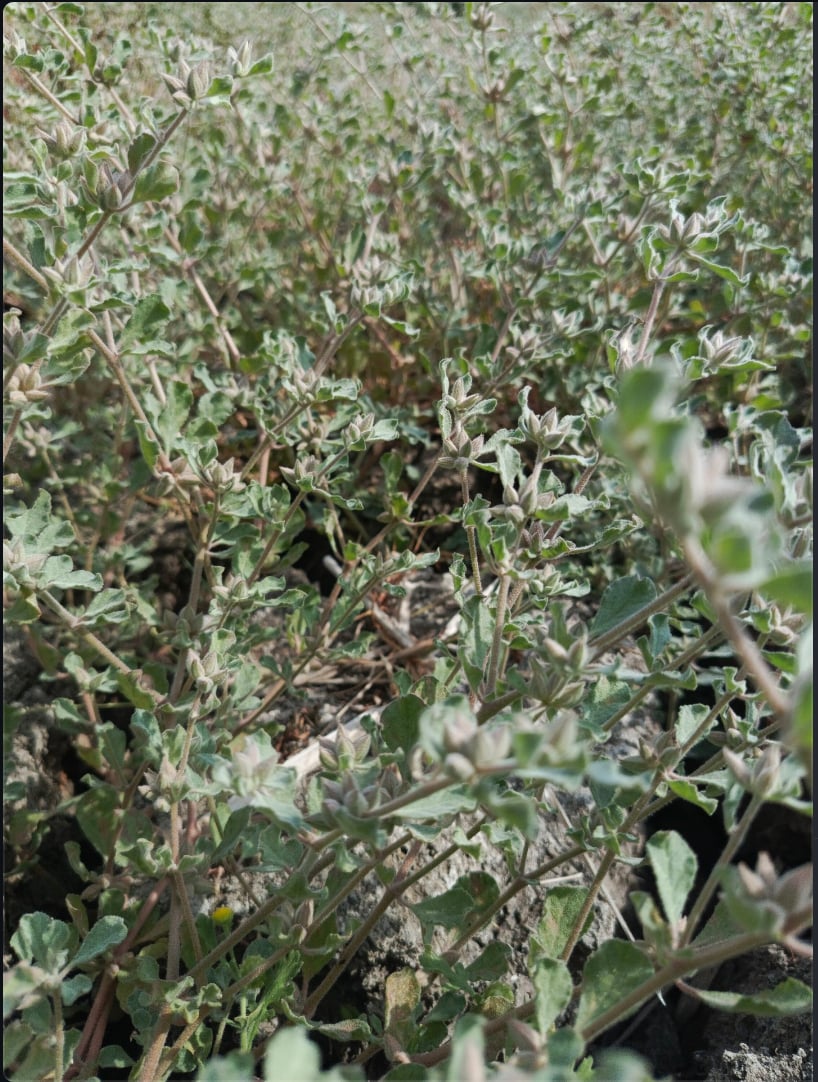
What is this low, grey‑green wild plant spreading over the ground?
From the photo it looks like a low, spreading wild herb with small grey‑green, slightly hairy leaves—likely a common weedy species, possibly in the mint family. A close, clear photo of a single stem, leaf arrangement, and flowers or seed pods is needed for a confident ID.
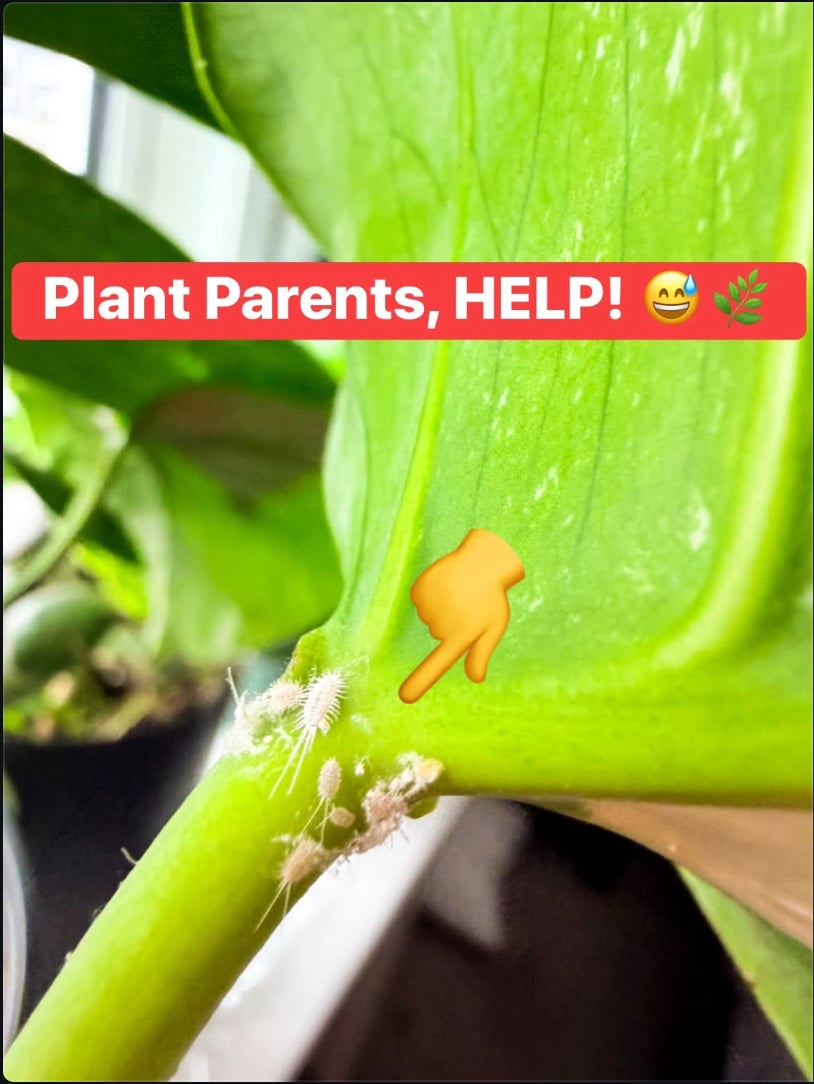
Are these white insects on my plant mealybugs and how do I get rid of them?
Those fluffy white insects in the leaf joint are mealybugs. Isolate the plant, wipe them off with cotton dipped in diluted rubbing alcohol, and repeat weekly, adding insecticidal soap or neem oil if they keep coming back.
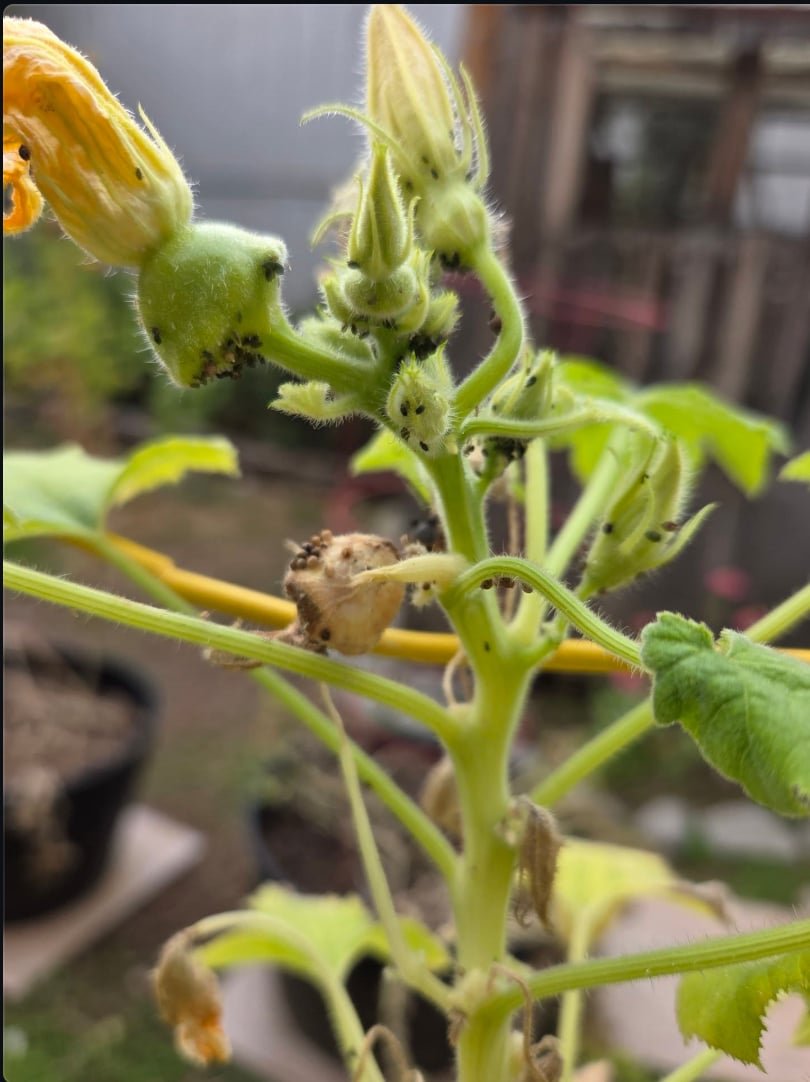
squash
What are the small black bugs on my squash flowers and stems?
Those tiny dark insects clustered on the buds and young stems are aphids. Rinse them off with a strong spray of water, then treat with insecticidal soap or neem oil if they keep coming back.
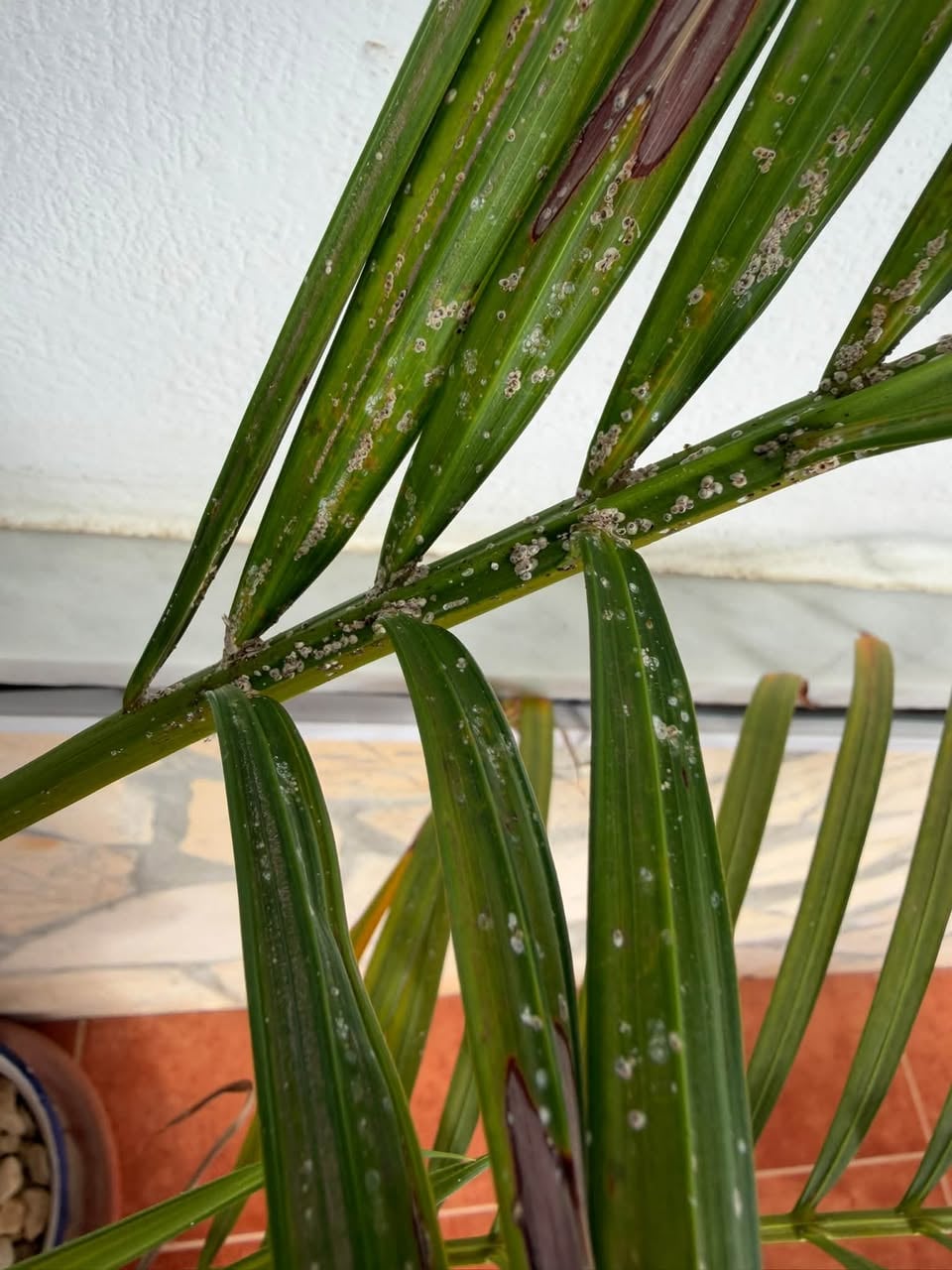
palm (likely an areca or similar)
What are the white bumps on my palm leaves and how do I treat them?
The plant is heavily infested with scale insects, which are sucking sap and weakening it. Start by physically wiping/scraping them off and then use repeated treatments with soapy water or horticultural oil until no new bumps appear.