
Asked on Instagram · 6 November 2026
What is this low, grey‑green wild plant spreading over the ground?
From the photo it looks like a low, spreading wild herb with small grey‑green, slightly hairy leaves—likely a common weedy species, possibly in the mint family. A close, clear photo of a single stem, leaf arrangement, and flowers or seed pods is needed for a confident ID.
The question
“Does anyone know what plant this is?”
What's likely going on
The plant in the photo looks like a low, spreading wild herb forming a mat over the soil. The leaves appear:
- Small, grey‑green and a bit fuzzy
- On many thin, branching stems
- With clustered buds or seed heads at the tips
From this angle it’s hard to see important ID details like exactly how the leaves are arranged on the stem (opposite or alternate), the stem cross‑section, and what the flowers or mature seed pods look like. Those are the clues needed to narrow it down to a specific species.
Because it’s covering open soil and coming up in a mass, this is almost certainly a self‑sown wild plant (a weed in farm or garden terms), not a deliberately planted ornamental.
What to do
Take closer photos
Photograph:- A single stem laid flat, from the side
- A close‑up of a leaf against your hand for scale
- The tip of the stem showing buds, flowers, or seed pods
Check the leaf arrangement
On a single stem, see if leaves come out in pairs exactly opposite each other, or one by one up the stem. Opposite leaves and a slightly square stem often mean it’s in the mint family.Look for scent
Gently rub a leaf between your fingers and smell it. A strong herbal or minty scent helps narrow it to certain wild herbs; no scent at all suggests other weed groups.Compare with local weed guides
Search online for “common field weeds” or “wild herbs” for your region and compare photos, focusing on leaf shape, fuzziness, and seed heads.
How to prevent it
Remove before it seeds
If you don’t want it, pull the plants out with roots while soil is moist, before the seed heads dry and drop.Mulch bare soil
A layer of organic mulch (dry leaves, straw, wood chips) on beds and paths makes it harder for this and other weeds to sprout.Keep edges tidy
Most self‑sown weeds creep in from field edges, paths, and ditches. Regularly trim or weed those areas.
When to worry
- In a vegetable field or bed: remove it so it doesn’t compete with crops for water and nutrients.
- If it causes skin irritation: some weeds can irritate sensitive skin. Wear gloves when pulling until you know what it is.
- If pets or livestock graze it: get a precise ID from a local botanist or extension service before allowing animals to eat large amounts.
With a few clearer close‑ups, this plant can be identified much more confidently.
Answered by the GrowPls assistant. Every plant and room is different; if things don't improve, a clear close-up photo of the affected part is the fastest way to a better answer.
Related questions
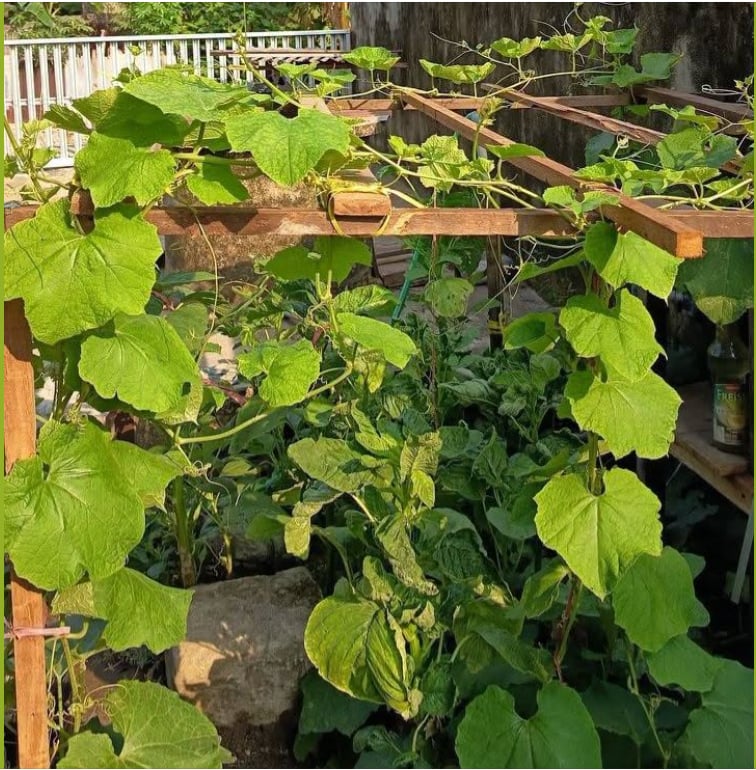
cucurbit vine (gourd/squash family)
What is this cucurbit vine growing wild on my trellis?
This looks like a cucurbit vine – something in the gourd/squash family, such as pumpkin, bottle gourd, or another edible squash – probably a volunteer from kitchen scraps or old compost. Let it flower and fruit to know exactly which one.
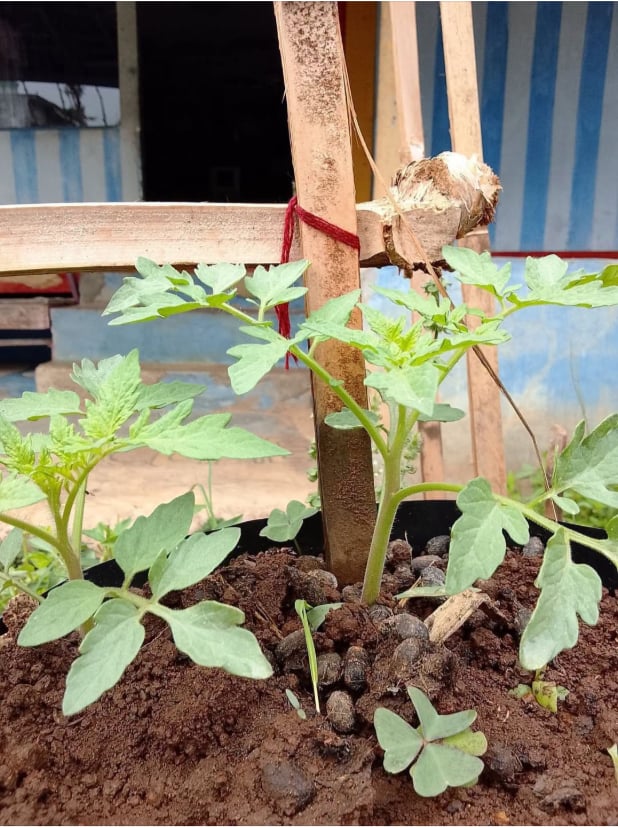
tomato
What plant is this seedling I planted?
The seedlings in the photo are tomato plants. Give them strong sun, a bigger pot or bed, and support as they grow taller.
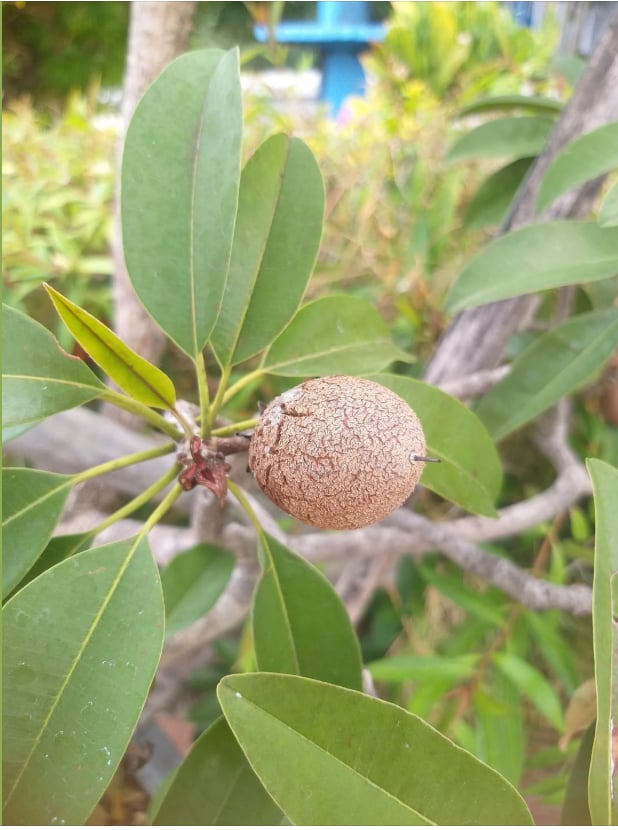
sapodilla (chikoo)
What is this tree with brown round fruits – is the fruit edible?
This looks very much like a sapodilla (chikoo) tree, whose ripe fruit is edible and sweet, but never eat anything based only on an online ID. Have a local plant expert or neighbor familiar with the tree confirm it in person before tasting.
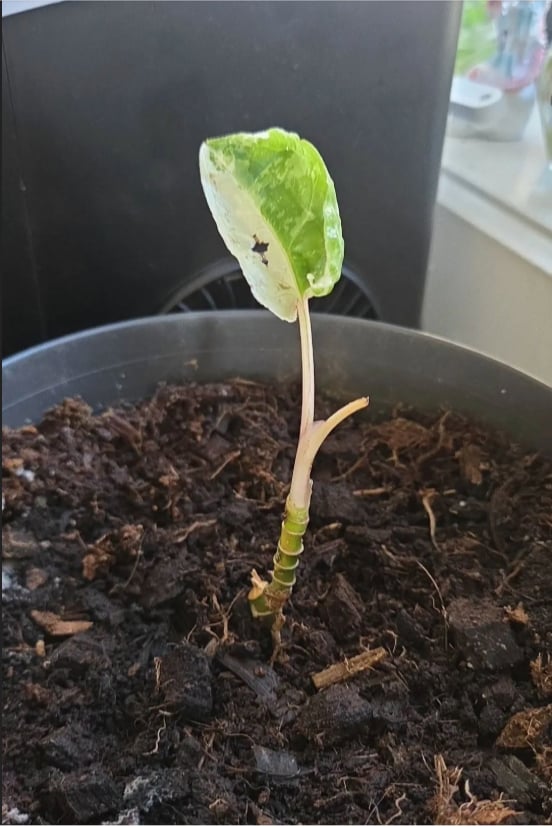
How can I identify this small cutting with only one damaged leaf?
From the photo, the plant is too small and damaged to confidently identify; it looks like a young aroid-type houseplant grown from a stem cutting. Let it grow a few new leaves and nodes, then compare leaf shape and growth habit for a more reliable ID.