
ti plant (Cordyline fruticosa, variegated cultivar) · Asked on Instagram · 5 November 2026
What is this colorful, striped foliage plant with yellow-edged leaves?
This is a variegated ti plant, a Cordyline fruticosa cultivar grown for its colorful striped leaves. Treat it like a warm-climate ornamental: bright light, evenly moist soil, and protection from cold.
The question
“Can anyone identify the name of this plant? 🌿”
What's likely going on
From the photo, the plant has upright canes with broad, slightly arching leaves that have yellow margins and streaks of green and purple. That combination strongly matches a variegated ti plant (Cordyline fruticosa), sometimes just sold as Cordyline or Hawaiian ti. There are many named varieties, so the exact cultivar name (like ‘Kiwi’, ‘Cameroon’, etc.) can be hard to pin down from a picture, but the general care is the same.
Ti plants are popular in warm and tropical gardens and also as houseplants, mainly for their colorful foliage.
What to do
Light
Give it bright, indirect light or light morning sun. Harsh afternoon sun can scorch the lighter yellow parts, while too little light will fade the variegation.Watering
Keep the soil lightly moist but not soggy. Let the top layer of soil dry a bit between waterings. Good drainage is important so the roots don’t sit in water.Humidity & temperature
Ti plants love warmth (around 18–30°C) and moderate to high humidity. Protect from cold drafts and temperatures below about 10–12°C.Feeding
During the growing season, feed every 4–6 weeks with a balanced, diluted liquid fertilizer to keep the foliage looking rich and colorful.Pruning & shaping
Remove any dead or damaged leaves at the base. If it gets tall and leggy, you can cut back a cane; it will usually sprout new growth below the cut.
How to prevent it
- Use a well‑draining potting mix.
- Avoid overwatering and never leave the pot in a saucer of standing water.
- Provide steady bright light so the plant keeps its strong colors.
When to worry
- Leaves turning brown from the tips inward can mean low humidity, salts from fertilizer, or inconsistent watering. Flush the soil with plain water and adjust watering.
- Soft, blackened stems or a sour-smelling pot suggest root rot from overwatering—reduce watering, improve drainage, and repot if needed.
- Large pale patches or scorch marks usually come from too much direct, hot sun; move it slightly shadier.
Answered by the GrowPls assistant. Every plant and room is different; if things don't improve, a clear close-up photo of the affected part is the fastest way to a better answer.
Related questions
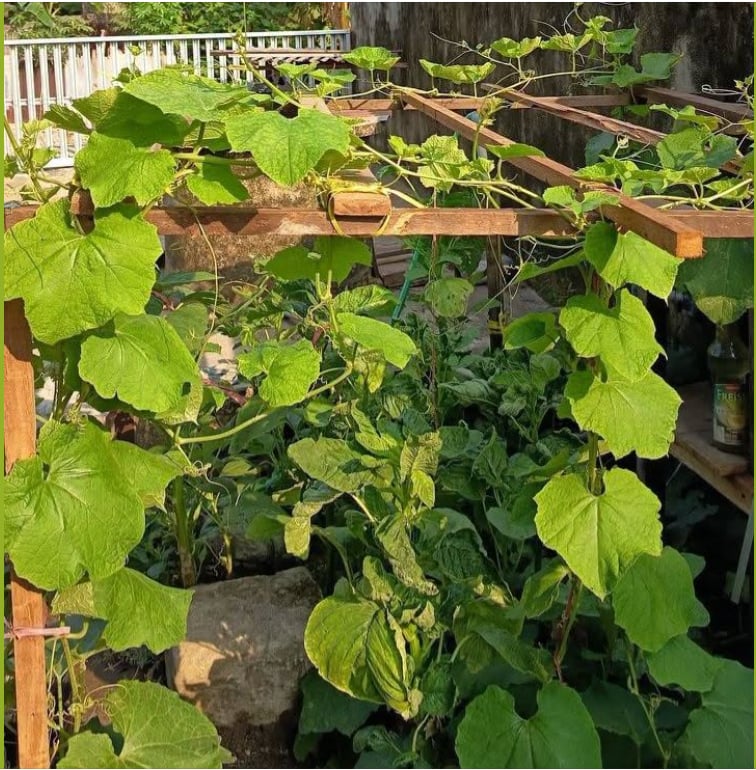
cucurbit vine (gourd/squash family)
What is this cucurbit vine growing wild on my trellis?
This looks like a cucurbit vine – something in the gourd/squash family, such as pumpkin, bottle gourd, or another edible squash – probably a volunteer from kitchen scraps or old compost. Let it flower and fruit to know exactly which one.
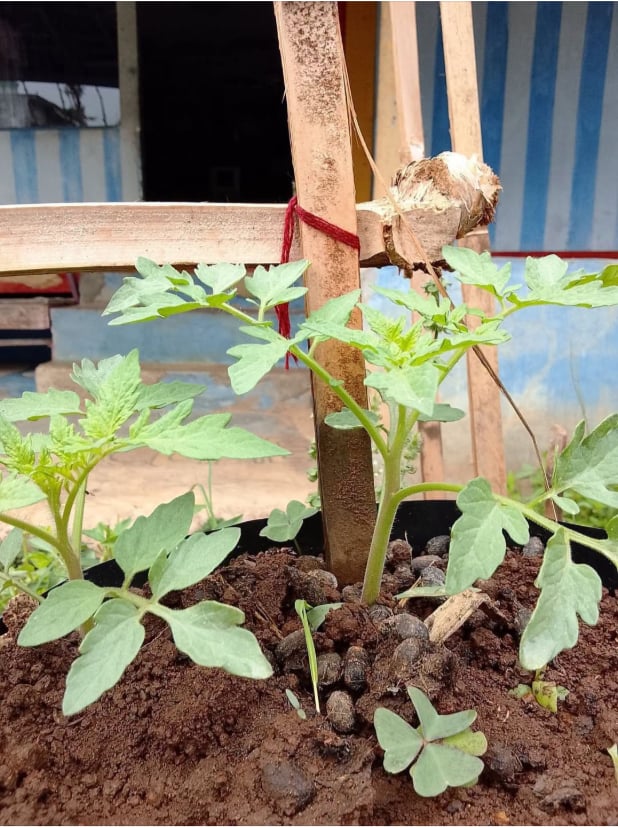
tomato
What plant is this seedling I planted?
The seedlings in the photo are tomato plants. Give them strong sun, a bigger pot or bed, and support as they grow taller.
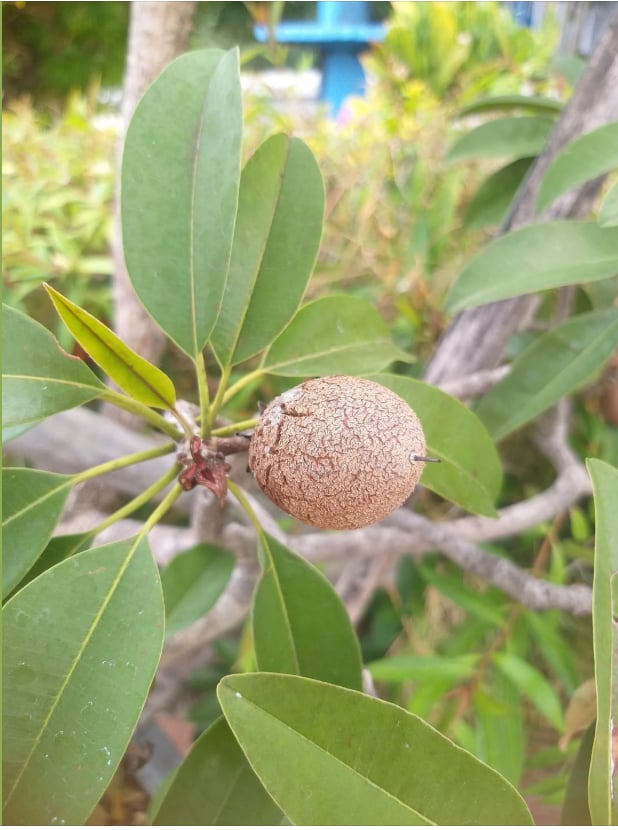
sapodilla (chikoo)
What is this tree with brown round fruits – is the fruit edible?
This looks very much like a sapodilla (chikoo) tree, whose ripe fruit is edible and sweet, but never eat anything based only on an online ID. Have a local plant expert or neighbor familiar with the tree confirm it in person before tasting.
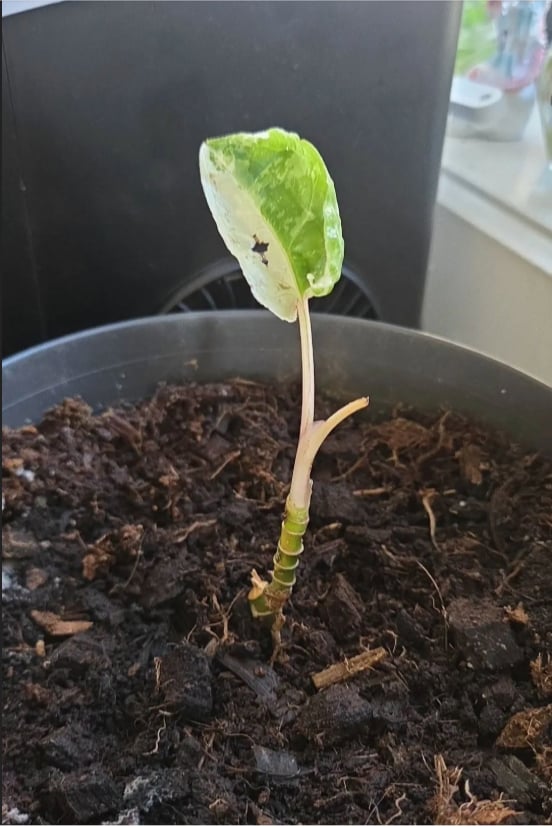
How can I identify this small cutting with only one damaged leaf?
From the photo, the plant is too small and damaged to confidently identify; it looks like a young aroid-type houseplant grown from a stem cutting. Let it grow a few new leaves and nodes, then compare leaf shape and growth habit for a more reliable ID.