
Abutilon (flowering maple / Chinese lantern) · Asked on Instagram · 31 October 2026
What is this hardy yellow shrub with hanging bell flowers?
This looks like an Abutilon shrub (often called flowering maple or Chinese lantern). Take semi‑ripe cuttings from non‑flowering shoots in warmer months, keep them humid but well‑drained, and they should root much better.
The question
“Please can anyone identify this flower / plant please. I have run it through identifying APPS and get 2-3 different names 🤷 The flower heads always hang down, it flowers 2 -3 times per year, it's quite hardy, no real fragrance. I tried to take cutting but no success yet. Thanks in advance 🙏”
What's likely going on
From the photo and description, this shrub matches Abutilon (often sold as flowering maple or Chinese lantern):
- Nodding, bell‑shaped yellow flowers
- Soft, slightly maple‑shaped leaves
- A shrubby plant that can flower several times a year and is fairly hardy in mild climates
There are many yellow Abutilon hybrids, so an app may give several different cultivar names, but general care and propagation are similar for all of them.
What to do
Confirm the ID
Look for: soft, slightly fuzzy leaves with 3–5 lobes (like a small maple leaf), slender green stems, and papery bells that hang down from thin stalks. If that matches, you can treat it as an Abutilon.Choose the right material for cuttings
Take semi‑ripe cuttings in late spring to late summer: firm but still bendy shoots from this year’s growth, about 7–10 cm long. Avoid stems that are already flowering; use leafy, non‑flowering side shoots.Prepare each cutting
- Cut just below a leaf node (where a leaf joins the stem).
- Remove the lower leaves, leaving 2–3 at the top.
- If you have rooting hormone, dip the cut end lightly (optional but helpful).
Plant in a free‑draining mix
Use small pots filled with a mix like half regular potting soil and half perlite/sand. Make a hole, insert the cutting so at least one node is buried, then firm gently.Keep humid but not soggy
Water lightly, then cover the pot with a clear plastic bag or place in a propagator to hold humidity. Keep in bright, indirect light and warm (around normal room temperature). Vent the cover daily and keep the mix just barely moist.Pot on once rooted
Roots usually form in a few weeks. Tug very gently; if you feel resistance, move each rooted cutting to its own pot and grow on somewhere bright and sheltered.
How to prevent it
- Take several cuttings at once; not all will root.
- Always use clean, sharp scissors or pruners to avoid rotting.
- Avoid heavy, waterlogged soil mixes that can cause the stems to rot before they root.
When to worry
- If every cutting turns black or mushy at the base, the mix is staying too wet or too cold—switch to a grittier mix and a warmer spot.
- If the parent shrub starts dying back or showing lots of brown stems, check for hard frost damage or very dry soil and prune back to healthy wood.
Answered by the GrowPls assistant. Every plant and room is different; if things don't improve, a clear close-up photo of the affected part is the fastest way to a better answer.
Related questions
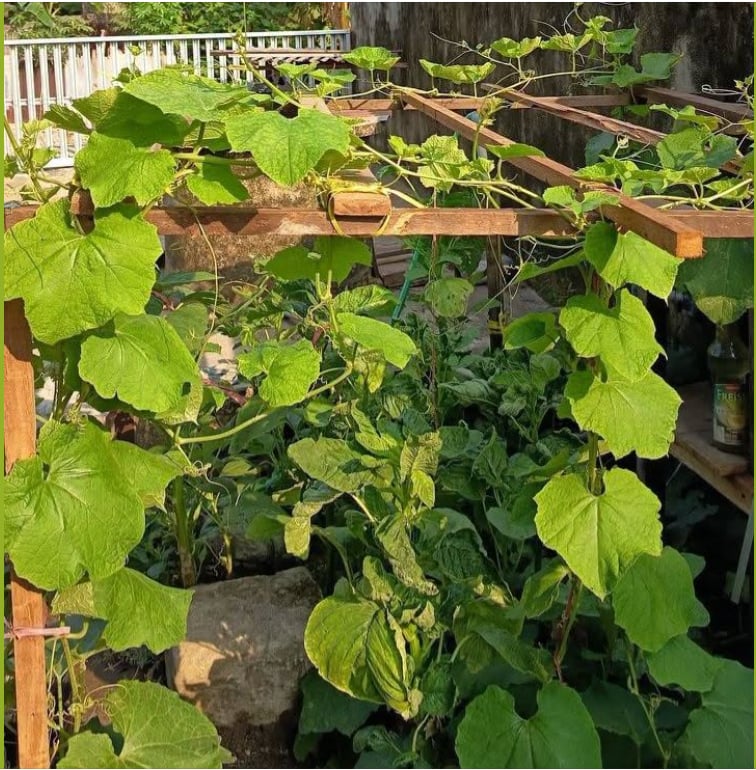
cucurbit vine (gourd/squash family)
What is this cucurbit vine growing wild on my trellis?
This looks like a cucurbit vine – something in the gourd/squash family, such as pumpkin, bottle gourd, or another edible squash – probably a volunteer from kitchen scraps or old compost. Let it flower and fruit to know exactly which one.
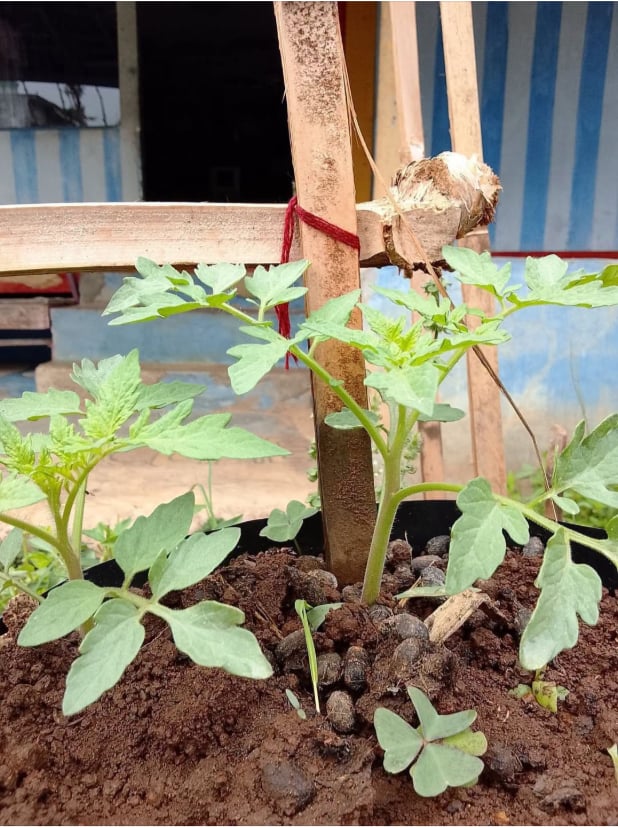
tomato
What plant is this seedling I planted?
The seedlings in the photo are tomato plants. Give them strong sun, a bigger pot or bed, and support as they grow taller.
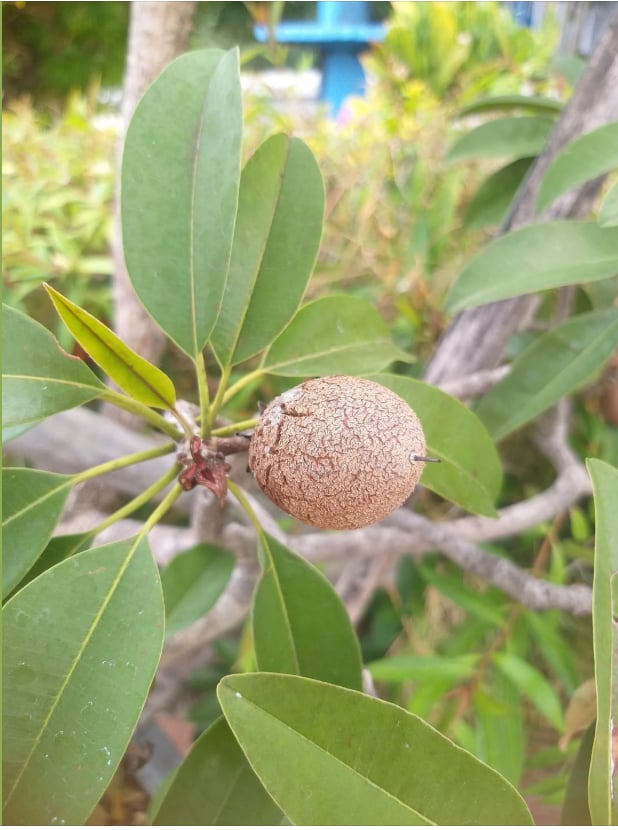
sapodilla (chikoo)
What is this tree with brown round fruits – is the fruit edible?
This looks very much like a sapodilla (chikoo) tree, whose ripe fruit is edible and sweet, but never eat anything based only on an online ID. Have a local plant expert or neighbor familiar with the tree confirm it in person before tasting.
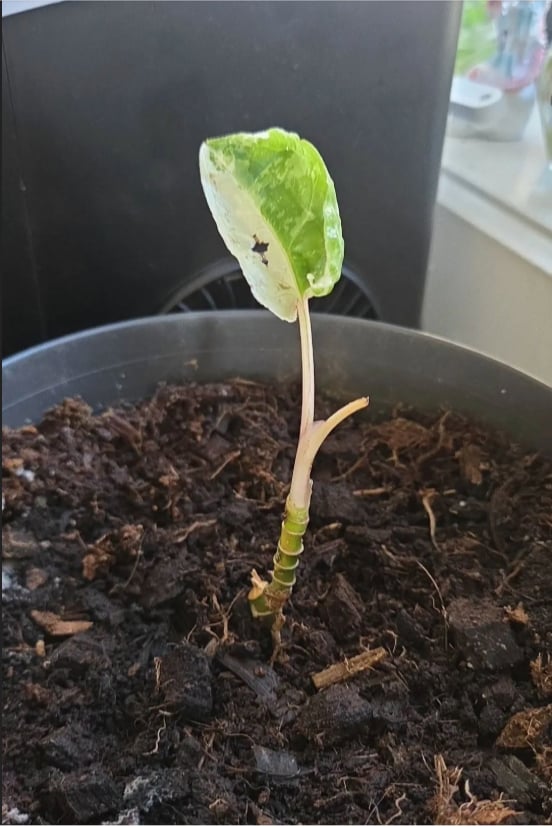
How can I identify this small cutting with only one damaged leaf?
From the photo, the plant is too small and damaged to confidently identify; it looks like a young aroid-type houseplant grown from a stem cutting. Let it grow a few new leaves and nodes, then compare leaf shape and growth habit for a more reliable ID.