
celery · Asked on Facebook · 5 November 2026
What is this leafy herb-like plant I forgot I planted?
The plant in the photo is celery, growing as a leafy clump from the base. Start harvesting outer stalks as needed, or let it keep growing thicker if you prefer larger stems.
The question
“Can anyone identify. I forgot what I planted 🤣”
What's likely going on
From the photo, the plant is a dense clump of bright green stems with divided, glossy leaves that look very much like flat-leaf parsley but on thicker, juicier stalks. That growth pattern and leaf shape match celery (Apium graveolens), not parsley.
Celery is in the same family as parsley, so it’s easy to mix them up, especially when you’ve sown a few different herbs. Celery usually has:
- Thicker, more succulent stems that can be blanched and eaten
- Leaves that are a bit larger and broader than parsley’s
- A strong, aromatic smell when the leaves or stems are crushed
If you gently snap a stalk and smell it, you should recognize the classic celery scent.
What to do
Confirm by scent and stem thickness
Rub or crush a leaf and stem between your fingers. If it smells clearly like supermarket celery and the stems are juicy, it’s celery.Start harvesting outer stalks
Cut or snap off the oldest outer stalks at the base, leaving the inner ones to keep growing. This “cut-and-come-again” method lets the plant produce for longer.Water consistently
Celery likes evenly moist soil. Don’t let it fully dry out between waterings or the stalks can become tough and stringy.Feed lightly if growth slows
If leaves pale or growth is weak, give a balanced organic fertilizer or compost around the base and water it in.
How to prevent it
- Label rows or pots when sowing so it’s easy to remember what’s where.
- Keep a simple garden sketch or photo with notes for each bed.
- Grow parsley and celery in slightly different spots or containers to avoid future confusion.
When to worry
- If the plant doesn’t smell like celery at all, or has purple/red spots and looks sickly, double-check ID before eating.
- If you see extensive yellowing, wilting, or blackened stems, check for root rot, lack of water, or pests and remove badly affected plants.
- If in doubt about its identity, don’t consume it until you’ve confirmed with a local gardener or extension service.
Answered by the GrowPls assistant. Every plant and room is different; if things don't improve, a clear close-up photo of the affected part is the fastest way to a better answer.
Related questions
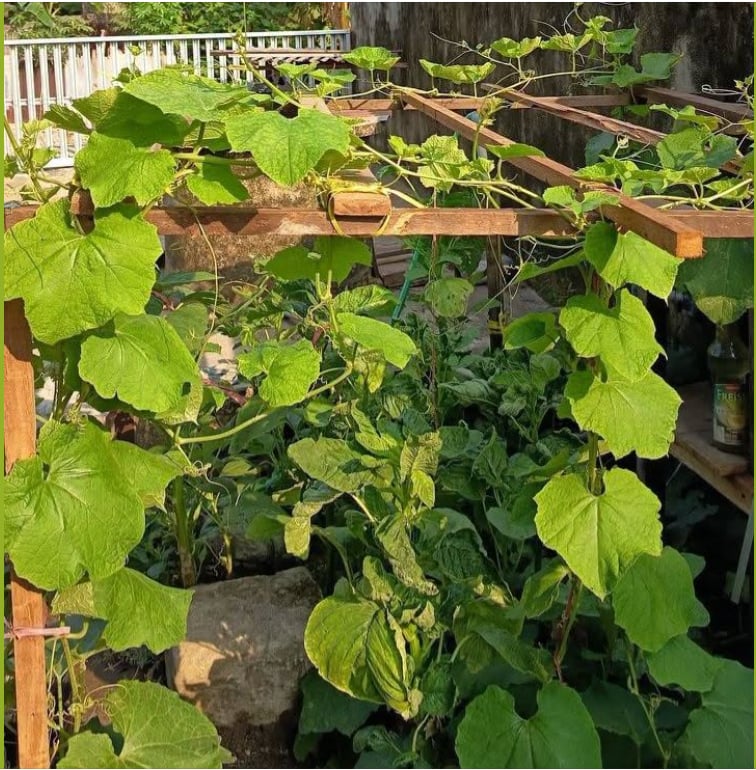
cucurbit vine (gourd/squash family)
What is this cucurbit vine growing wild on my trellis?
This looks like a cucurbit vine – something in the gourd/squash family, such as pumpkin, bottle gourd, or another edible squash – probably a volunteer from kitchen scraps or old compost. Let it flower and fruit to know exactly which one.
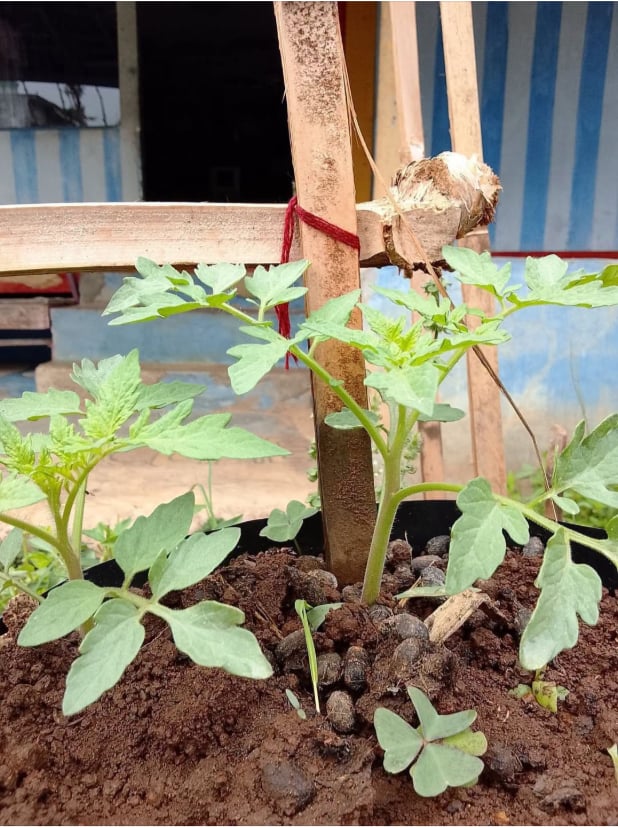
tomato
What plant is this seedling I planted?
The seedlings in the photo are tomato plants. Give them strong sun, a bigger pot or bed, and support as they grow taller.
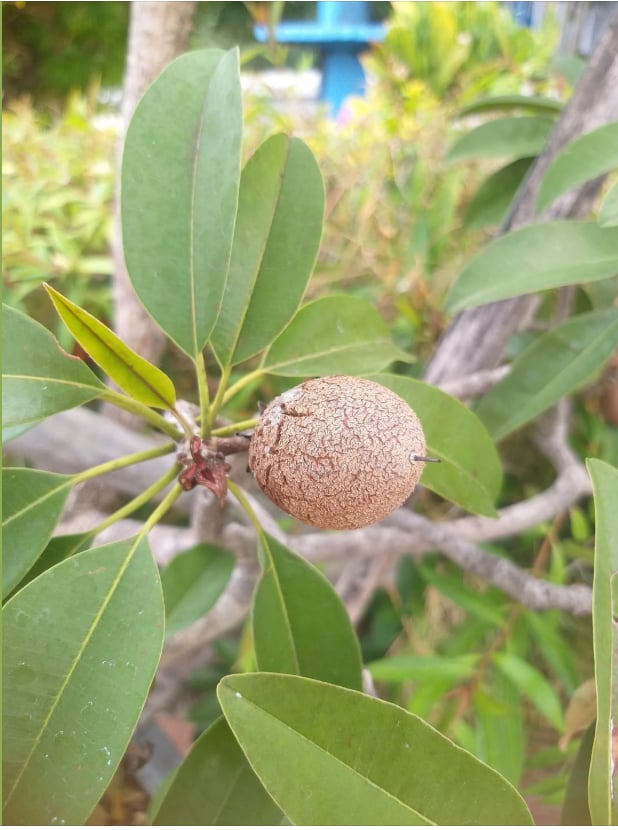
sapodilla (chikoo)
What is this tree with brown round fruits – is the fruit edible?
This looks very much like a sapodilla (chikoo) tree, whose ripe fruit is edible and sweet, but never eat anything based only on an online ID. Have a local plant expert or neighbor familiar with the tree confirm it in person before tasting.
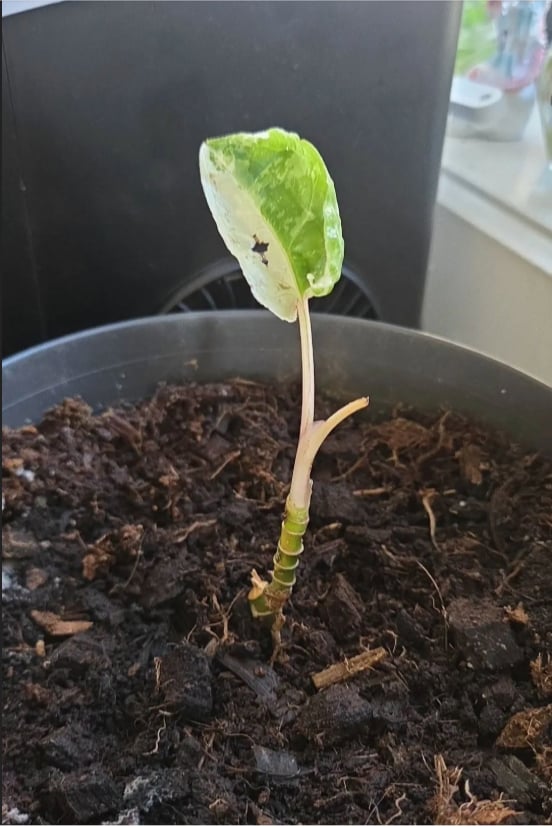
How can I identify this small cutting with only one damaged leaf?
From the photo, the plant is too small and damaged to confidently identify; it looks like a young aroid-type houseplant grown from a stem cutting. Let it grow a few new leaves and nodes, then compare leaf shape and growth habit for a more reliable ID.