
red radish · Asked on Facebook · 4 November 2026
What is this long red root vegetable in my garden?
This looks like a long red radish variety, similar to a red daikon or “candle” radish. Treat and use it just like other radishes—roots are eaten raw or cooked, and young leaves are edible too.
The question
“Does anyone know what this is? 🤔🌱”
What's likely going on
From the photo, the plant shows smooth, shiny, deep-red, elongated roots with fine white side roots and red stalks. That combination is typical of a long red radish variety, sometimes sold as red daikon, red "candle" radish, or similar names.
It’s in the same family as regular round radishes and daikon. The main differences between varieties are shape, size, skin colour, and how hot or mild they taste.
Because it’s already harvested and looks healthy and firm, there’s no sign of disease or a problem—just an unfamiliar but perfectly normal radish type.
What to do
Taste-test a slice
Wash well, cut a thin slice, and taste it raw. It should be crisp, juicy, and peppery to mildly hot, like other radishes.Use it in the kitchen
- Slice or grate into salads or sandwiches.
- Pickle in vinegar, salt, and a little sugar.
- Stir-fry or roast for a milder, sweeter flavour.
Try the greens (if still fresh)
Young leaves can be cooked like spinach or added in small amounts to stir-fries and dals.Save the name for next time
When buying seeds, look for long red radish, red daikon, or similar descriptions. Taking a photo of the packet helps remember the variety.
How to prevent it
In this case there’s nothing to prevent—it isn’t a problem. But if you were surprised by the shape or colour, always:
- Keep seed packets or labels with variety names.
- Note sowing dates and where each variety is planted in the bed.
When to worry
- If the roots are soft, slimy, or smell rotten, discard them.
- If you see tunnels or black spots inside when cutting, that can be pest or rot damage; cut generously around it or compost badly affected roots.
Otherwise, enjoy them—this is just a pretty and tasty radish variety.
Answered by the GrowPls assistant. Every plant and room is different; if things don't improve, a clear close-up photo of the affected part is the fastest way to a better answer.
Related questions
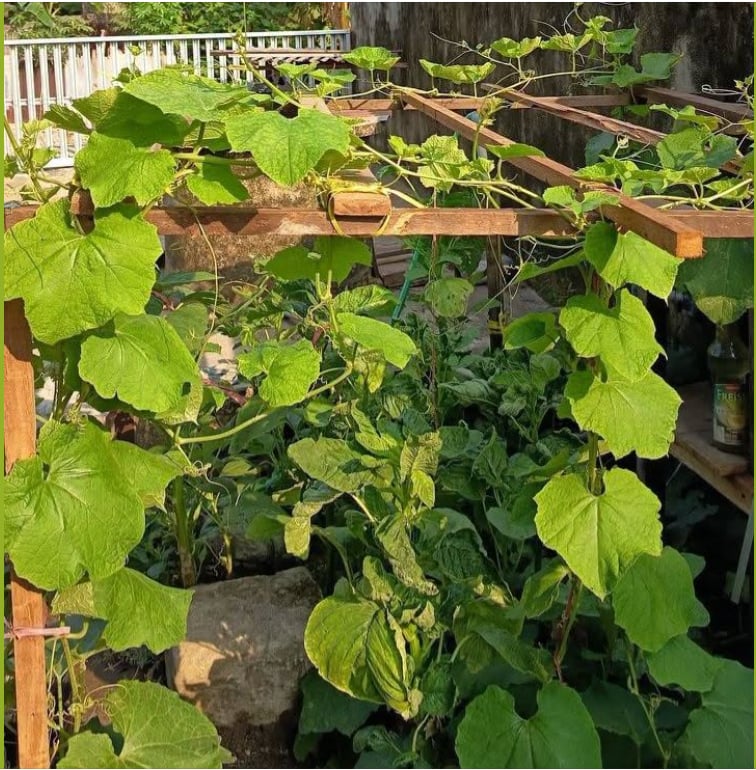
cucurbit vine (gourd/squash family)
What is this cucurbit vine growing wild on my trellis?
This looks like a cucurbit vine – something in the gourd/squash family, such as pumpkin, bottle gourd, or another edible squash – probably a volunteer from kitchen scraps or old compost. Let it flower and fruit to know exactly which one.
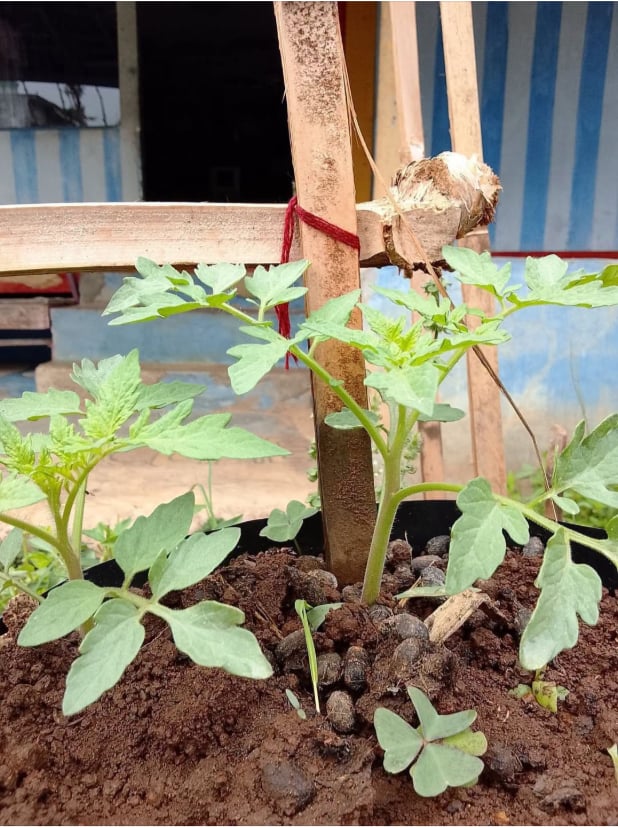
tomato
What plant is this seedling I planted?
The seedlings in the photo are tomato plants. Give them strong sun, a bigger pot or bed, and support as they grow taller.
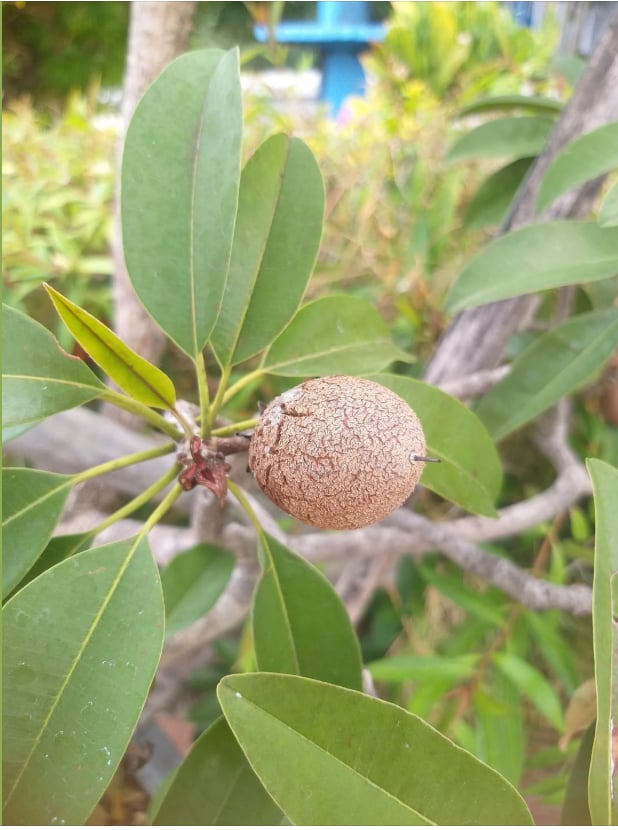
sapodilla (chikoo)
What is this tree with brown round fruits – is the fruit edible?
This looks very much like a sapodilla (chikoo) tree, whose ripe fruit is edible and sweet, but never eat anything based only on an online ID. Have a local plant expert or neighbor familiar with the tree confirm it in person before tasting.
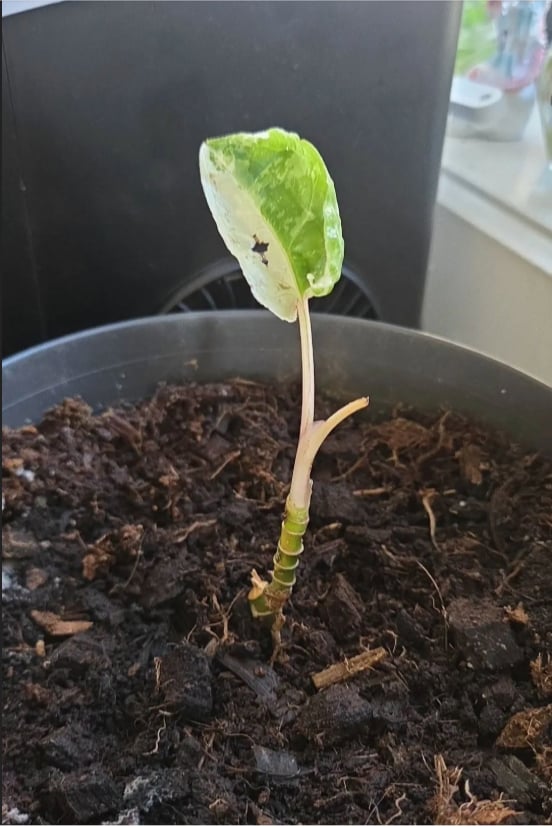
How can I identify this small cutting with only one damaged leaf?
From the photo, the plant is too small and damaged to confidently identify; it looks like a young aroid-type houseplant grown from a stem cutting. Let it grow a few new leaves and nodes, then compare leaf shape and growth habit for a more reliable ID.