
Asked on Instagram · 3 November 2026
What is this low silvery rosette plant with ridged leaves?
It’s a young rosette‑forming wild plant, likely a biennial or perennial that hasn’t sent up a flower stalk yet. The only way to be sure what it is will be to let it grow and identify it once it flowers.
The question
“Anyone know what this is? 🌿 I found this growing on the property and I’m curious what it might be. The leaves are really interesting — almost silvery-grey and heavily textured. Any guesses?”
What's likely going on
From the photo, this is a single, flat rosette of leaves growing right on the soil surface. The leaves are:
- Silvery‑grey
- Covered in fine hairs (that fuzzy look)
- Strongly ridged or ribbed from base to tip
That combination usually means a young rosette of a wildflower or weed, often a biennial (plants that make a leaf rosette the first year and flower the second) or a low perennial. Many different plants look very similar at this stage, and without a flower stalk, it’s almost impossible to give a confident species name from one photo.
The silvery, hairy leaves are an adaptation to strong sun and dry conditions, so it’s probably well suited to that spot and not something delicate.
What to do
Mark the spot
Put a small stone, stick, or plant label next to it so you can find it again.Let it grow for now
Give it a couple of months (or into the next growing season) to send up a central stem and, eventually, flowers. That stage is when ID becomes clear.Take more photos later
When it grows taller, photograph:- The whole plant
- Close‑ups of the stem
- The flowers and any seed heads Those details are key for a solid identification.
Keep an eye on spreading
If you start seeing many similar rosettes popping up, it may be a vigorous self‑seeder. You can always pull extras while keeping one plant to identify.
How to prevent it
If it turns out to be a weed you don’t want:
- Pull the plant before or just as it flowers, so it can’t make seeds.
- Loosen the soil and remove as much root as you can.
- Mulch bare soil areas to discourage new seedlings.
When to worry
- If you have grazing animals or small children and aren’t sure whether it’s poisonous, don’t let them nibble on it.
- If the plant starts taking over a bed or path, remove it promptly before it goes to seed.
Until it flowers, enjoy it as an interesting, drought‑tough rosette—and use it as a little mystery to watch through the season.
Answered by the GrowPls assistant. Every plant and room is different; if things don't improve, a clear close-up photo of the affected part is the fastest way to a better answer.
Related questions
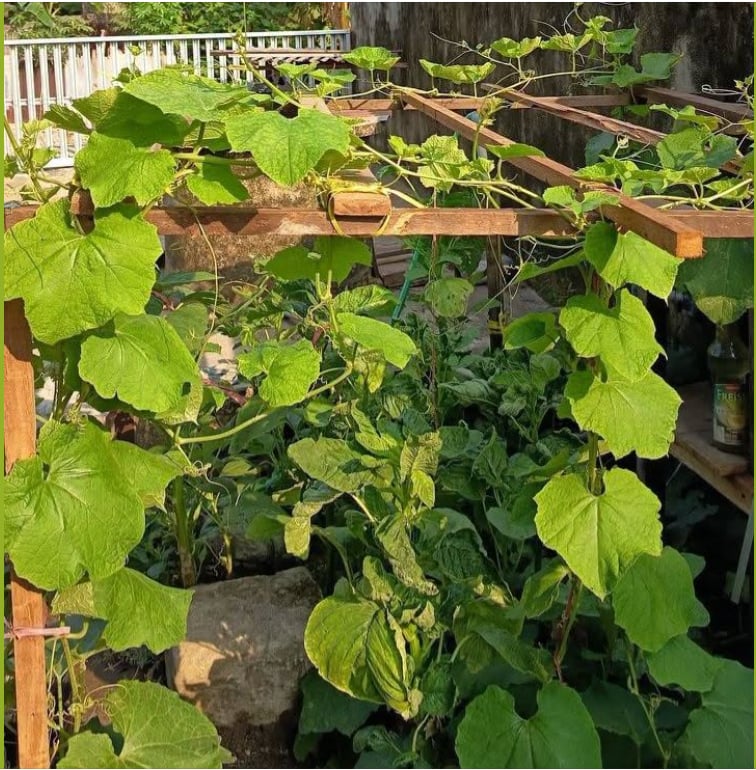
cucurbit vine (gourd/squash family)
What is this cucurbit vine growing wild on my trellis?
This looks like a cucurbit vine – something in the gourd/squash family, such as pumpkin, bottle gourd, or another edible squash – probably a volunteer from kitchen scraps or old compost. Let it flower and fruit to know exactly which one.
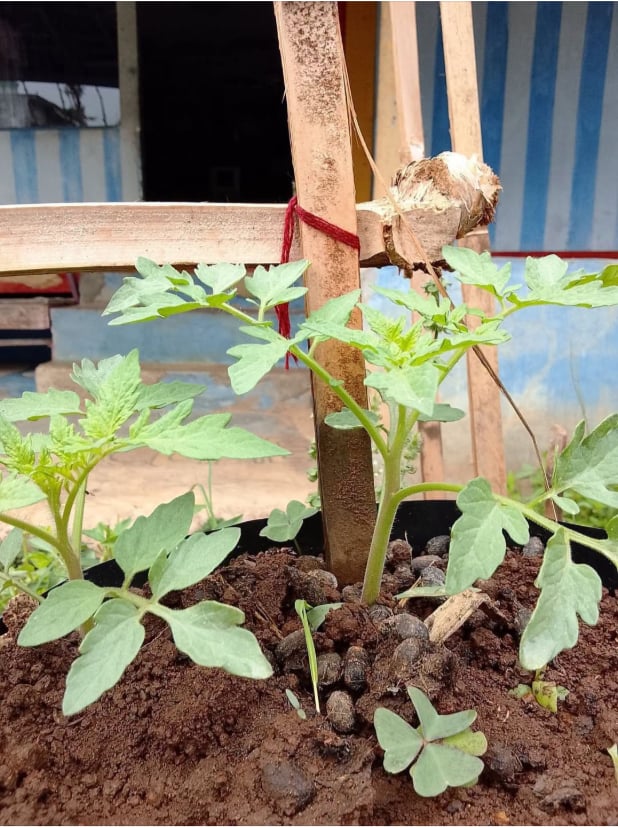
tomato
What plant is this seedling I planted?
The seedlings in the photo are tomato plants. Give them strong sun, a bigger pot or bed, and support as they grow taller.
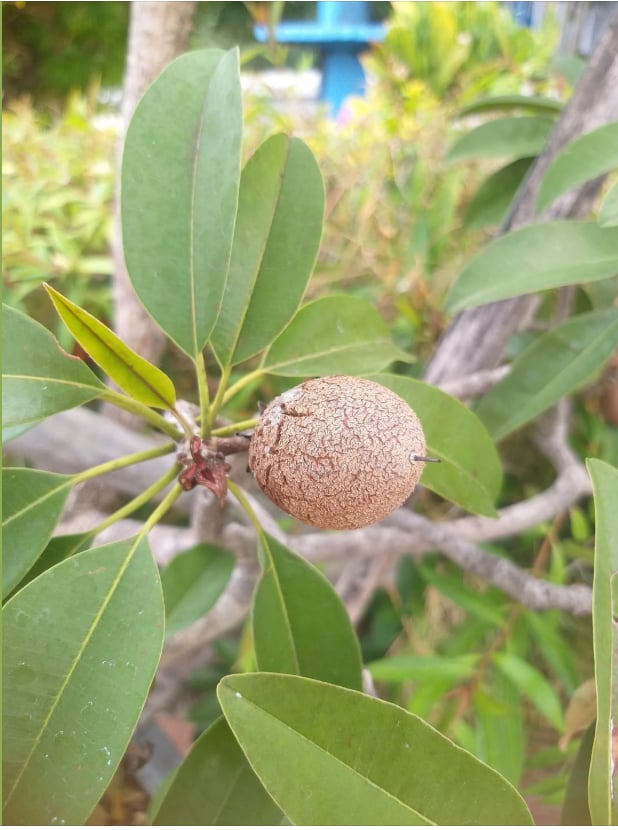
sapodilla (chikoo)
What is this tree with brown round fruits – is the fruit edible?
This looks very much like a sapodilla (chikoo) tree, whose ripe fruit is edible and sweet, but never eat anything based only on an online ID. Have a local plant expert or neighbor familiar with the tree confirm it in person before tasting.
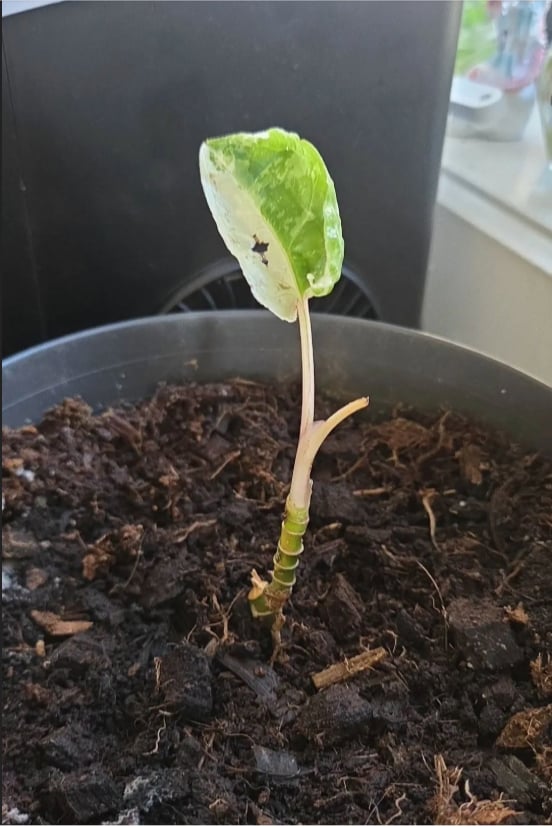
How can I identify this small cutting with only one damaged leaf?
From the photo, the plant is too small and damaged to confidently identify; it looks like a young aroid-type houseplant grown from a stem cutting. Let it grow a few new leaves and nodes, then compare leaf shape and growth habit for a more reliable ID.