
mulberry (Morus) · Asked on Facebook · 2 November 2026
What is this plant with serrated leaves and mulberry-like catkins?
This looks like a mulberry tree (Morus), grown for its sweet berries and as food for silkworms. Let it grow in full sun, water regularly while young, and you’ll soon get edible fruits once the catkins develop and ripen.
The question
“Hi everyone! 🥰 Does anyone know the name of this plant? 🍃🌿 If you love plants, let’s test your knowledge! 🤔❤️ Have you ever grown or seen this plant before? Share your answers in the comments! 👇🌱💚”
What's likely going on
From the photo, the plant has:
- Broad, serrated green leaves, some slightly lobed
- Long, pale, fuzzy catkin-like structures that look like tiny, unripe berries
- A woody, shrubby/tree form
These features match a mulberry tree (genus Morus), very commonly grown in warm climates. The fuzzy structures are the young flower clusters that will swell and change color as they become the familiar mulberry fruits.
I can’t tell the exact species (white, black, or red mulberry) just from this single photo. Usually the final fruit color (white/cream, red, dark purple-black) is what confirms the type.
What to do
Give it sun
Plant or keep it where it gets at least 4–6 hours of direct sunlight a day. More sun usually means sweeter fruit.Water deeply but not constantly
Water when the top few centimeters of soil are dry. Soak the soil well, then let it drain. Established trees need less frequent watering than young ones.Mulch the base
Add a ring of dry leaves, compost, or wood chips around the base (not touching the trunk) to keep roots cool and moist and reduce weeds.Light pruning
After fruiting, remove any dead, crossing, or very low branches to keep a strong, open shape. Avoid very heavy pruning during the growing season.Protect the fruit (optional)
Birds love mulberries. If you want more for yourself, consider netting small trees while fruit is ripening.
How to prevent it
- Plant in a spot with space, as mulberries can become medium-sized trees.
- Avoid waterlogging; good drainage prevents root problems.
- Add compost once or twice a year to keep it vigorous and fruiting well.
When to worry
- Leaves turning yellow and dropping heavily outside of a normal seasonal change can mean overwatering, poor drainage, or nutrient deficiency.
- Black, oozing areas on the trunk or branches, or entire branches dying back, can signal disease—prune affected parts and seek local advice.
- Heavy infestations of scale, mealybugs, or caterpillars may need treatment with a mild soap spray or neem oil (keep sprays away from children and pets until dry).
Answered by the GrowPls assistant. Every plant and room is different; if things don't improve, a clear close-up photo of the affected part is the fastest way to a better answer.
Related questions
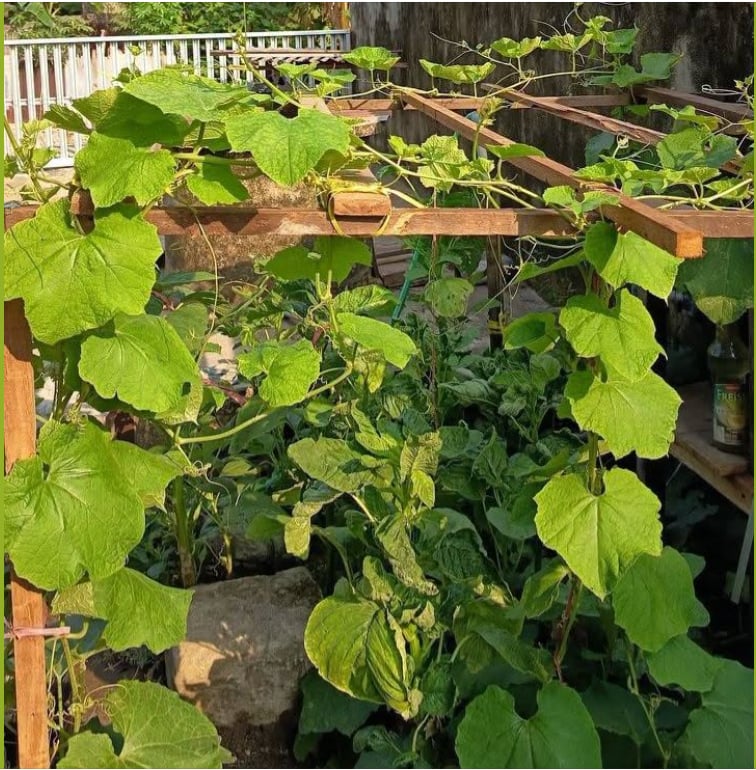
cucurbit vine (gourd/squash family)
What is this cucurbit vine growing wild on my trellis?
This looks like a cucurbit vine – something in the gourd/squash family, such as pumpkin, bottle gourd, or another edible squash – probably a volunteer from kitchen scraps or old compost. Let it flower and fruit to know exactly which one.
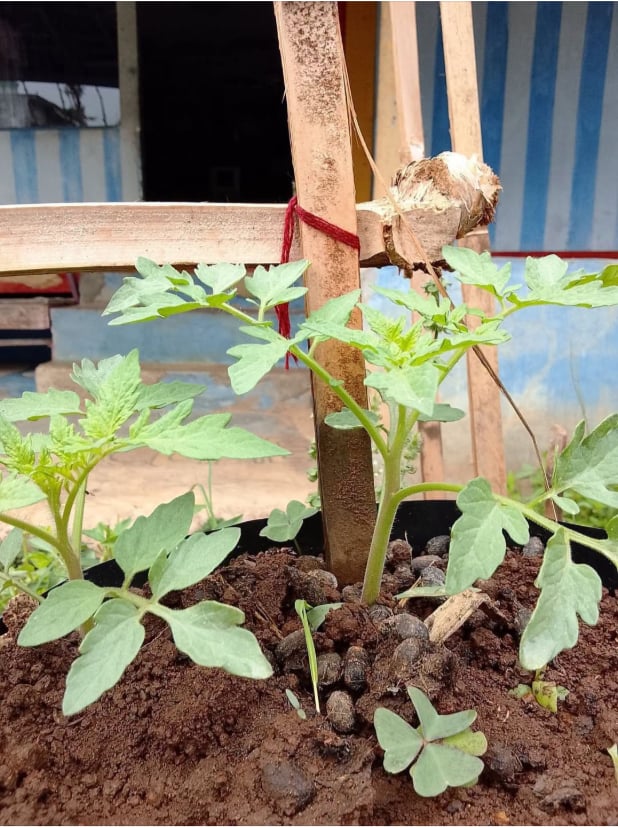
tomato
What plant is this seedling I planted?
The seedlings in the photo are tomato plants. Give them strong sun, a bigger pot or bed, and support as they grow taller.
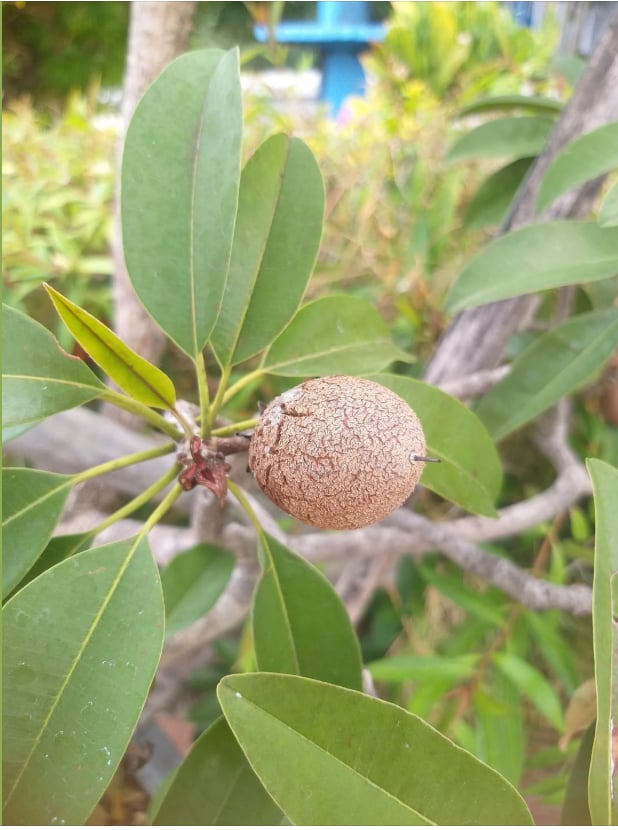
sapodilla (chikoo)
What is this tree with brown round fruits – is the fruit edible?
This looks very much like a sapodilla (chikoo) tree, whose ripe fruit is edible and sweet, but never eat anything based only on an online ID. Have a local plant expert or neighbor familiar with the tree confirm it in person before tasting.
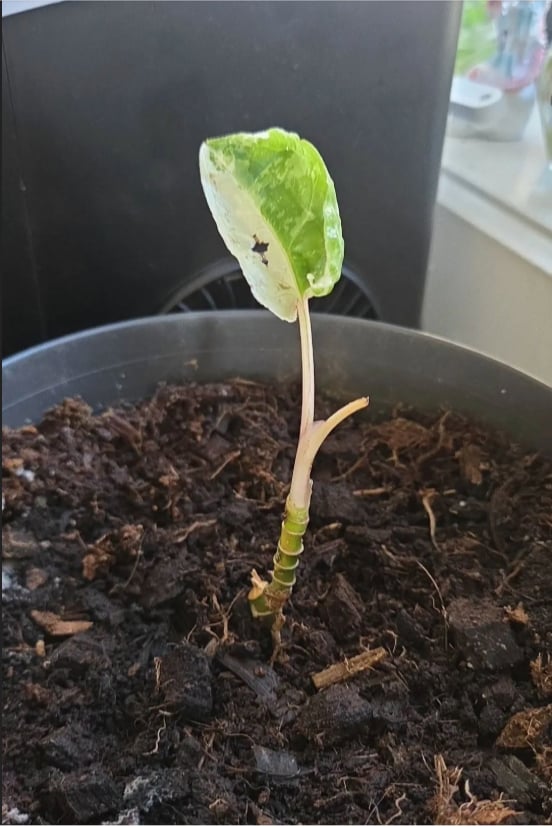
How can I identify this small cutting with only one damaged leaf?
From the photo, the plant is too small and damaged to confidently identify; it looks like a young aroid-type houseplant grown from a stem cutting. Let it grow a few new leaves and nodes, then compare leaf shape and growth habit for a more reliable ID.