
moringa (drumstick tree) · Asked on Facebook · 5 November 2026
What is this plant with small oval leaflets – is it moringa (drumstick tree)?
This looks like a young moringa tree (Moringa oleifera), also called drumstick tree or sahjan. It’s a fast‑growing edible tree whose leaves, flowers, and pods are commonly used as a vegetable and in herbal remedies.
The question
“Can anyone identify this plant ?”
What's likely going on
From the photo, the plant has many delicate, drooping branches with compound leaves made up of lots of small, oval leaflets. That overall shape and leaf pattern strongly matches Moringa oleifera, commonly called moringa, drumstick tree, sahjan, or murungai.
On young plants, the leaves form a soft, feathery canopy like in the picture. As the tree matures, the trunk thickens and long pods (“drumsticks”) develop after flowering.
What to do
Check a few key features
- Leaf: each leaf is made of many small, rounded leaflets on a central stalk.
- Smell: crushed leaves often have a slightly sharp, green smell.
- Growth: fast‑growing, with soft green stems when young.
Wait for flowers or pods (if you want confirmation)
Moringa usually produces small, creamy‑white flowers in clusters, followed by long, ribbed green pods used as a vegetable.Decide how you want to use it
- Leaves: can be eaten fresh, cooked, or dried and powdered.
- Pods: cooked in curries once the tree is a bit older.
Make sure it hasn’t been sprayed with pesticides if you plan to eat it.
Give it the right care
- Full sun and warmth.
- Well‑drained soil; avoid waterlogging.
- Light pruning encourages a bushier shape and more leaves.
How to prevent it
(Preventing problems with moringa)
- Don’t let water stand at the base; it dislikes soggy soil.
- Mulch lightly to keep soil moisture even, but keep mulch off the stem.
- Prune regularly so it doesn’t grow tall and lanky.
When to worry
- If most leaves turn yellow or the stems become soft and dark, check for poor drainage or root rot.
- Heavy insect damage (lots of chewed leaves or visible caterpillars) may need hand‑picking or a mild organic spray like neem, keeping in mind you may be eating the leaves.
- Sudden dieback of whole branches could mean severe root problems and may require removing the plant if it doesn’t reshoot from the base.
Answered by the GrowPls assistant. Every plant and room is different; if things don't improve, a clear close-up photo of the affected part is the fastest way to a better answer.
Related questions
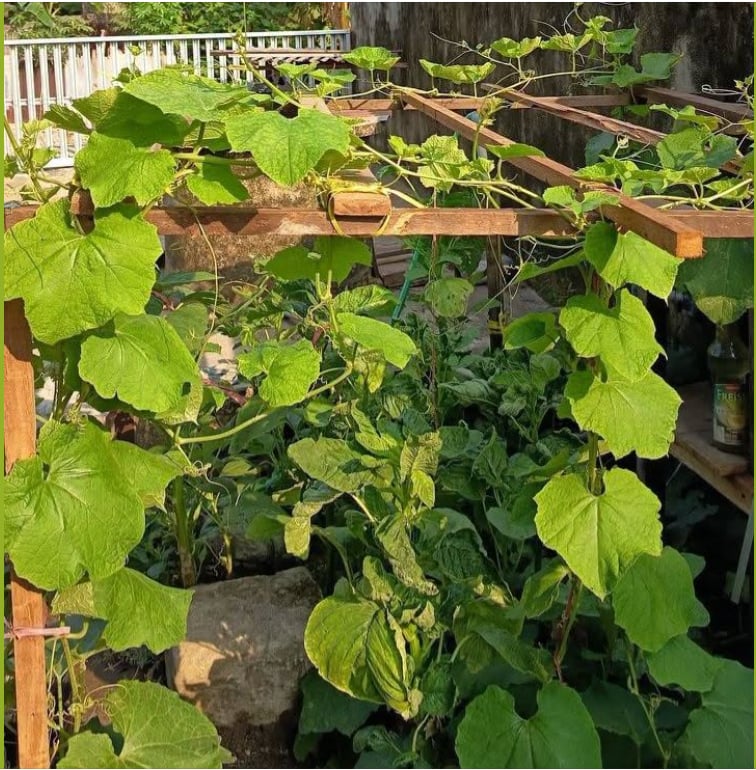
cucurbit vine (gourd/squash family)
What is this cucurbit vine growing wild on my trellis?
This looks like a cucurbit vine – something in the gourd/squash family, such as pumpkin, bottle gourd, or another edible squash – probably a volunteer from kitchen scraps or old compost. Let it flower and fruit to know exactly which one.
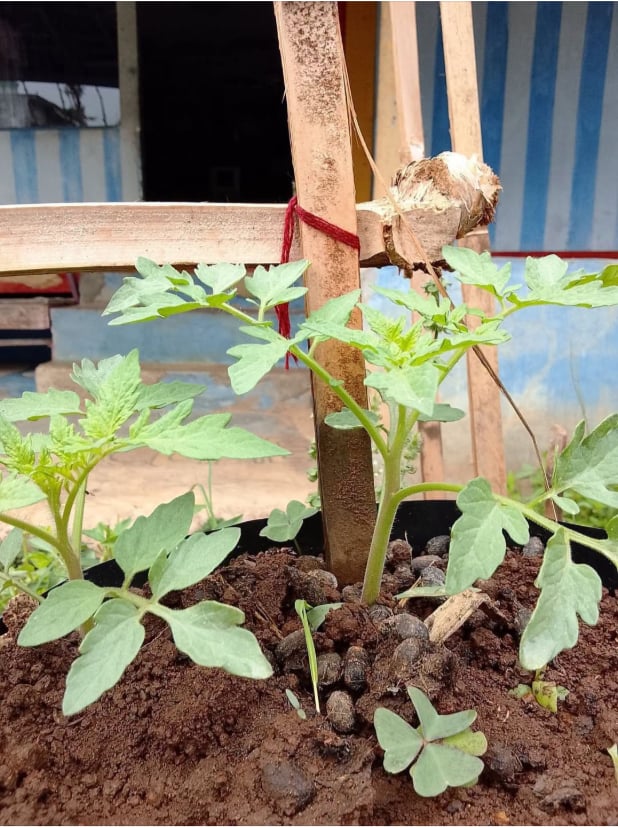
tomato
What plant is this seedling I planted?
The seedlings in the photo are tomato plants. Give them strong sun, a bigger pot or bed, and support as they grow taller.
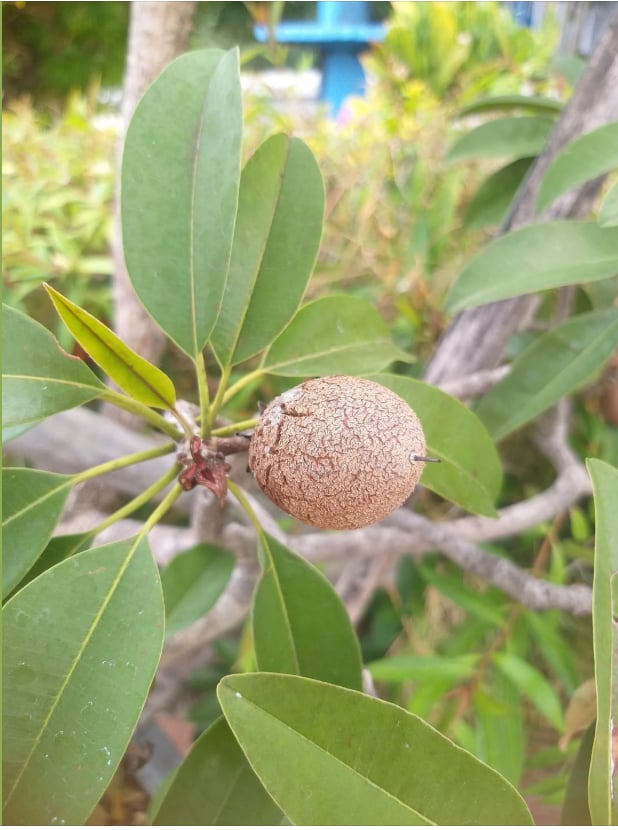
sapodilla (chikoo)
What is this tree with brown round fruits – is the fruit edible?
This looks very much like a sapodilla (chikoo) tree, whose ripe fruit is edible and sweet, but never eat anything based only on an online ID. Have a local plant expert or neighbor familiar with the tree confirm it in person before tasting.
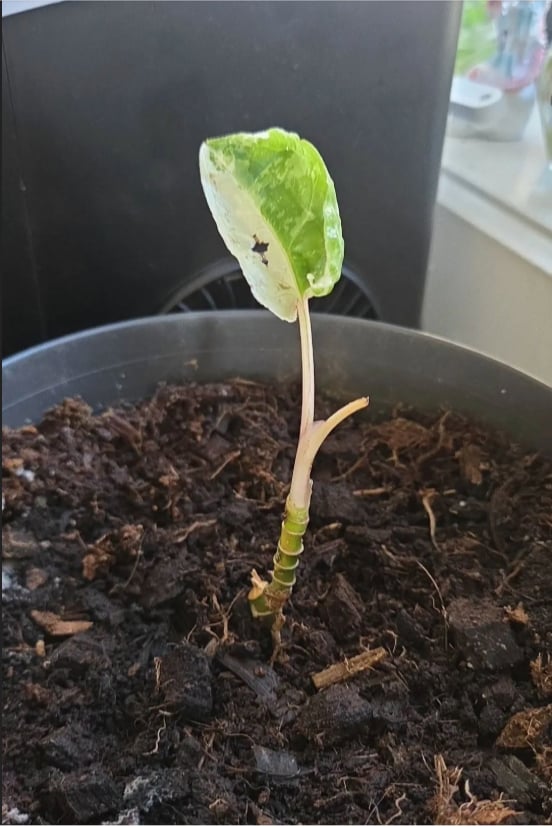
How can I identify this small cutting with only one damaged leaf?
From the photo, the plant is too small and damaged to confidently identify; it looks like a young aroid-type houseplant grown from a stem cutting. Let it grow a few new leaves and nodes, then compare leaf shape and growth habit for a more reliable ID.