
ambarella (June plum) · Asked on Instagram · 3 November 2026
What is this Polynesian fruit that tastes like pineapple and mango?
This looks like ambarella (also called June plum or golden apple), a Polynesian fruit tree whose tart, crunchy fruits can taste like a mix of pineapple and mango. Start by confirming the ID from a fallen ripe fruit: it should turn golden-yellow and have a very fibrous stone in the center.
The question
“Guess the fruit/plant! 🌱HINT: its name contains a very common fruit name, tastes a bit like that name and can taste like a mix of pineapple and mango as well! BONUS: it’s native to Polynesia!”
What's likely going on
From the photo and the hints, this is very likely ambarella (Spondias dulcis). It’s also known as June plum, golden apple, or Otaheite apple in many tropical regions.
Here’s how it matches:
- Name with a common fruit: “June plum” (or golden apple in some places).
- Taste: when ripe, the flesh is sweet–tart and often described as a mix of pineapple and mango.
- Origin: it’s native to parts of Melanesia/Polynesia and now grown across the tropics.
- Look: clusters of oval green fruits on hanging stems, with glossy, divided leaves.
Because we only have one angle, a closer photo of a cut fruit (showing the fibrous stone inside) would confirm the identification.
What to do
Check a ripe fruit
Let one fruit fully color from green to yellow or yellow‑gold, then pick it. A ripe ambarella will soften slightly and smell fruity.Cut it open
Inside you should see juicy yellow flesh and a large, very fibrous stone (seed) with tough spines.Taste test (if sure of ID)
If it looks and smells right, taste a small slice. Ripe fruits are sweet–tart; greener fruits are crunchy and sour, often used with salt, chili, or pickled.Basic care if growing it
- Plant in full sun.
- Water regularly while young; once established it’s fairly drought‑tolerant.
- A yearly layer of compost or well‑rotted manure keeps it fruiting well.
How to prevent it
("Prevent" here means getting better fruit.)
- Avoid heavy pruning right before flowering, or you’ll lose a lot of fruiting wood.
- In very dry climates, keep it watered during flowering and early fruit set to prevent tiny fruits from dropping.
When to worry
- If fruits are blackening or rotting on the tree, check for fungal spots and improve airflow by thinning crowded branches.
- If leaves are yellowing heavily or the tree looks weak, check for poor drainage or waterlogging around the roots.
- If you are not 100% sure of the ID, don’t eat the fruit. Get a local horticulturist or nursery to confirm before consuming.
Answered by the GrowPls assistant. Every plant and room is different; if things don't improve, a clear close-up photo of the affected part is the fastest way to a better answer.
Related questions
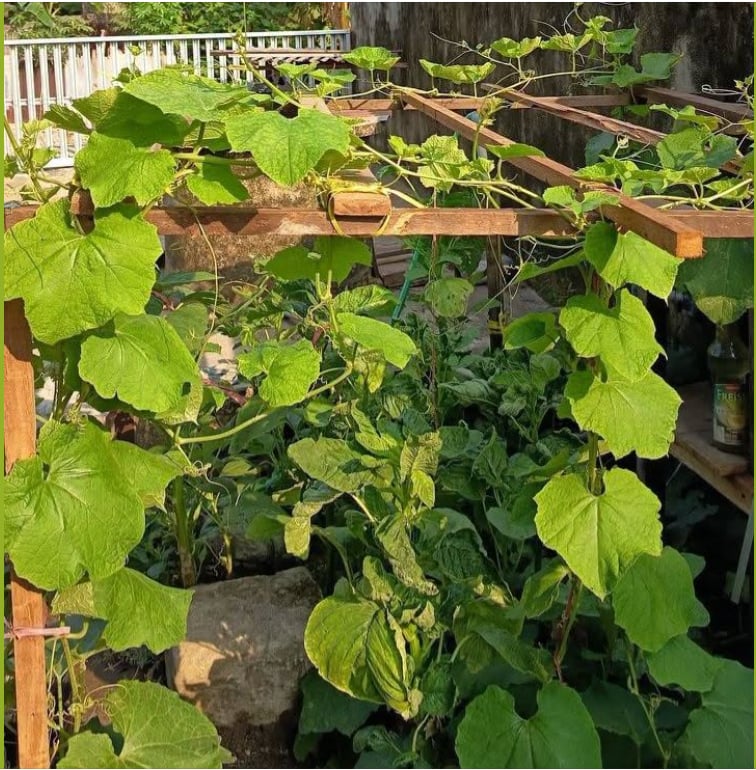
cucurbit vine (gourd/squash family)
What is this cucurbit vine growing wild on my trellis?
This looks like a cucurbit vine – something in the gourd/squash family, such as pumpkin, bottle gourd, or another edible squash – probably a volunteer from kitchen scraps or old compost. Let it flower and fruit to know exactly which one.
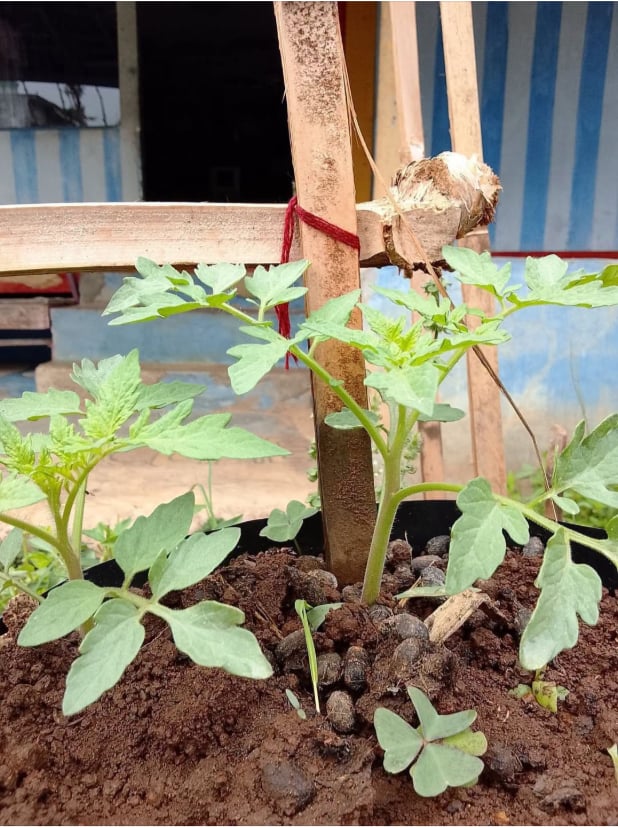
tomato
What plant is this seedling I planted?
The seedlings in the photo are tomato plants. Give them strong sun, a bigger pot or bed, and support as they grow taller.
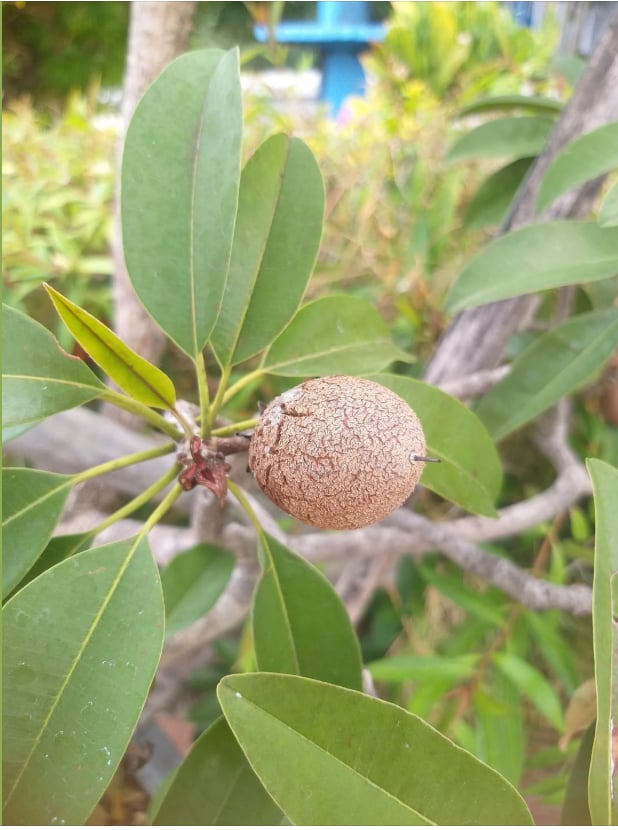
sapodilla (chikoo)
What is this tree with brown round fruits – is the fruit edible?
This looks very much like a sapodilla (chikoo) tree, whose ripe fruit is edible and sweet, but never eat anything based only on an online ID. Have a local plant expert or neighbor familiar with the tree confirm it in person before tasting.
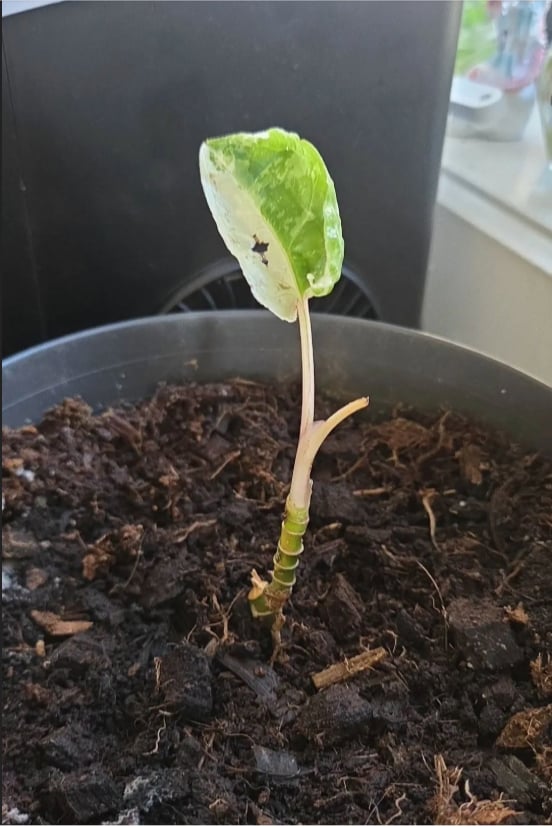
How can I identify this small cutting with only one damaged leaf?
From the photo, the plant is too small and damaged to confidently identify; it looks like a young aroid-type houseplant grown from a stem cutting. Let it grow a few new leaves and nodes, then compare leaf shape and growth habit for a more reliable ID.