
common evening primrose · Asked on Instagram · 5 November 2026
What is this rosette weed with smooth green leaves in my yard?
This looks like a young common evening primrose (Oenothera biennis) growing as a basal rosette. Let it grow if you’d like tall yellow flowers later, or pull it now if you consider it a weed.
The question
“Anyone knows what kind of plant this is?”
What's likely going on
From the photo, this plant is forming a flat rosette (a low circle of leaves) at ground level, with smooth, lance‑shaped leaves and a pale midrib. That growth pattern and leaf shape are very typical of common evening primrose (Oenothera biennis) in its first year.
Evening primrose is a biennial: it spends the first year as this low rosette, then in the second year sends up a tall stem with yellow, fragrant flowers that open in the evening. It often appears on disturbed, gravelly or sandy spots just like in the picture.
Because this is a young plant, it can be confused with other rosette weeds. A clearer close‑up of the leaf surface and any red tint on stems would help confirm, but evening primrose is the best match.
What to do
Decide if you want it.
- Keep it if you’d enjoy tall, yellow flowers that attract moths and bees.
- Remove it if you don’t want a 1–1.5 m tall plant there.
To keep it:
- Loosen the soil around it a bit so the roots can expand.
- Water lightly but regularly in very dry weather.
- Mulch around (but not on top of) the rosette to reduce weeds.
To remove it:
- Pull it by hand, grasping low at the crown; it usually comes up easily in loose soil.
- If the root breaks, dig out the central root so it doesn’t resprout.
How to prevent it
- Keep bare soil covered with mulch or groundcovers so wind‑blown seeds can’t establish.
- Hand‑weed rosettes while they’re small; they’re easiest to pull at this stage.
- Avoid letting any evening primrose you keep go fully to seed if you don’t want more.
When to worry
- This plant isn’t usually dangerous, but any unwanted tall plant against foundations or paths can be a nuisance.
- If you see many similar rosettes spreading into beds or lawn, increase mulching and pull them before they bolt and flower.
- If you’re unsure of the ID and have pets or children that chew plants, you can safely remove it and dispose of it rather than risk misidentification.
Answered by the GrowPls assistant. Every plant and room is different; if things don't improve, a clear close-up photo of the affected part is the fastest way to a better answer.
Related questions
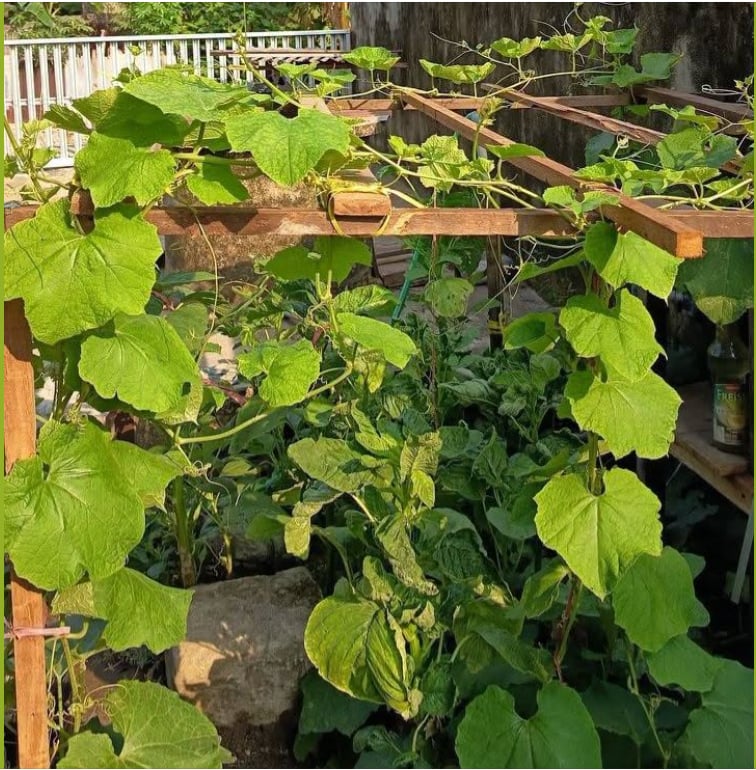
cucurbit vine (gourd/squash family)
What is this cucurbit vine growing wild on my trellis?
This looks like a cucurbit vine – something in the gourd/squash family, such as pumpkin, bottle gourd, or another edible squash – probably a volunteer from kitchen scraps or old compost. Let it flower and fruit to know exactly which one.
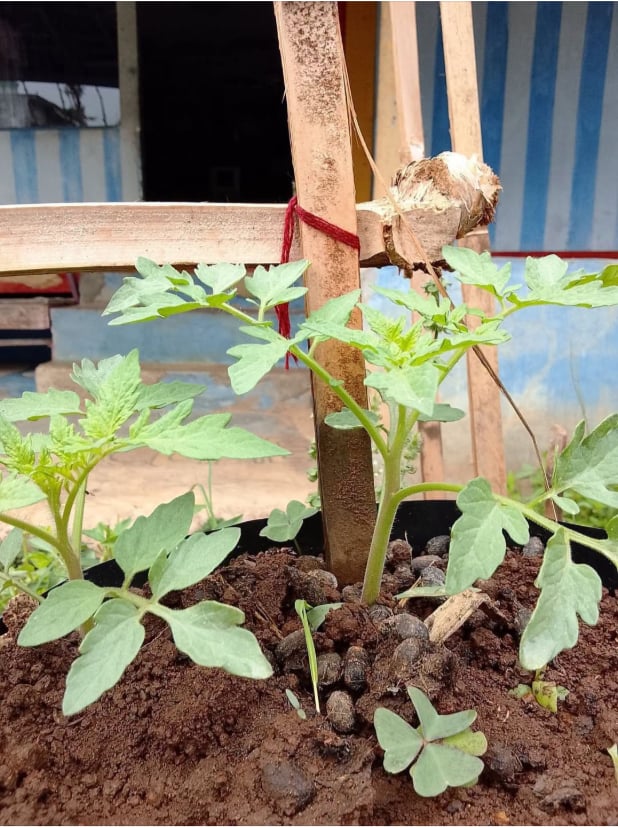
tomato
What plant is this seedling I planted?
The seedlings in the photo are tomato plants. Give them strong sun, a bigger pot or bed, and support as they grow taller.
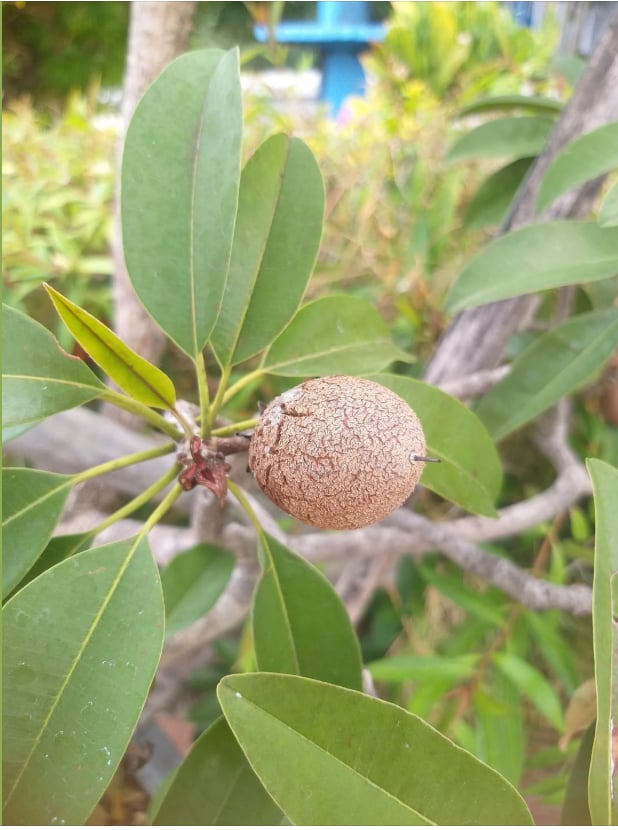
sapodilla (chikoo)
What is this tree with brown round fruits – is the fruit edible?
This looks very much like a sapodilla (chikoo) tree, whose ripe fruit is edible and sweet, but never eat anything based only on an online ID. Have a local plant expert or neighbor familiar with the tree confirm it in person before tasting.
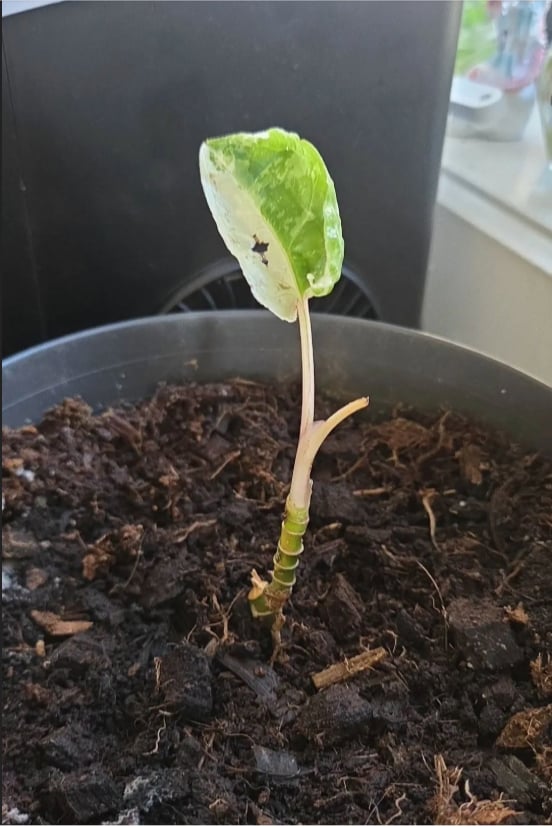
How can I identify this small cutting with only one damaged leaf?
From the photo, the plant is too small and damaged to confidently identify; it looks like a young aroid-type houseplant grown from a stem cutting. Let it grow a few new leaves and nodes, then compare leaf shape and growth habit for a more reliable ID.