
Mexican petunia (Ruellia simplex) · Asked on Facebook · 2 November 2026
What is this tall plant that suddenly grew in my pot?
This looks very much like a young Mexican petunia (Ruellia simplex), a common ornamental that often self‑seeds into nearby pots. Let it grow a bit and watch for purple, trumpet‑shaped flowers to confirm.
The question
“Hi anyone know what’s plant is this ? Is just suddenly grow itself.”
What's likely going on
From the photo, the plant is a tall, upright herb with long, narrow leaves arranged mostly in pairs along the stem. This overall look is very similar to Mexican petunia (Ruellia simplex), a common ornamental that easily spreads by seed and sometimes by roots.
Because it “suddenly” appeared, it was probably:
- Seed blown in by wind or birds, or
- A piece of root or stem in the potting mix that sprouted later.
To confirm Mexican petunia, look for:
- Purple (sometimes white or pink) trumpet‑shaped flowers, usually in the morning
- Hollow, somewhat purple‑tinged stems when older
- Seed pods that pop open when dry.
If it flowers differently, it could be another Ruellia or a similar ornamental, but it’s almost certainly a garden plant, not a dangerous weed.
What to do
Let it grow a bit more
- Wait for flowers. Take a clear close‑up of a flower and leaf if you want a firmer ID.
Decide if you like it
- If you enjoy purple, petunia‑like blooms and a tall, bushy plant, keep it.
- If you don’t want it, simply pull it out with the roots while the soil is moist.
Give it basic care if you keep it
- Bright light to full sun.
- Water when the top of the soil starts to dry; don’t leave it bone dry for too long.
- A light all‑purpose fertilizer every month or so in the growing season is enough.
How to prevent it
- Check new pots regularly and pull out mystery seedlings while they’re small.
- Use clean potting mix, not soil from the ground, if you don’t want surprise plants.
- Remove seed pods/flowers from nearby Mexican petunias or similar plants so they don’t self‑seed.
When to worry
- If you notice skin irritation after handling any unknown plant, wear gloves and wash hands.
- If you have pets or small children that chew plants, keep unknown plants out of reach until you’re sure of the ID.
- If it starts spreading aggressively into other pots or into the ground, you may want to remove it before it becomes weedy.
Answered by the GrowPls assistant. Every plant and room is different; if things don't improve, a clear close-up photo of the affected part is the fastest way to a better answer.
Related questions
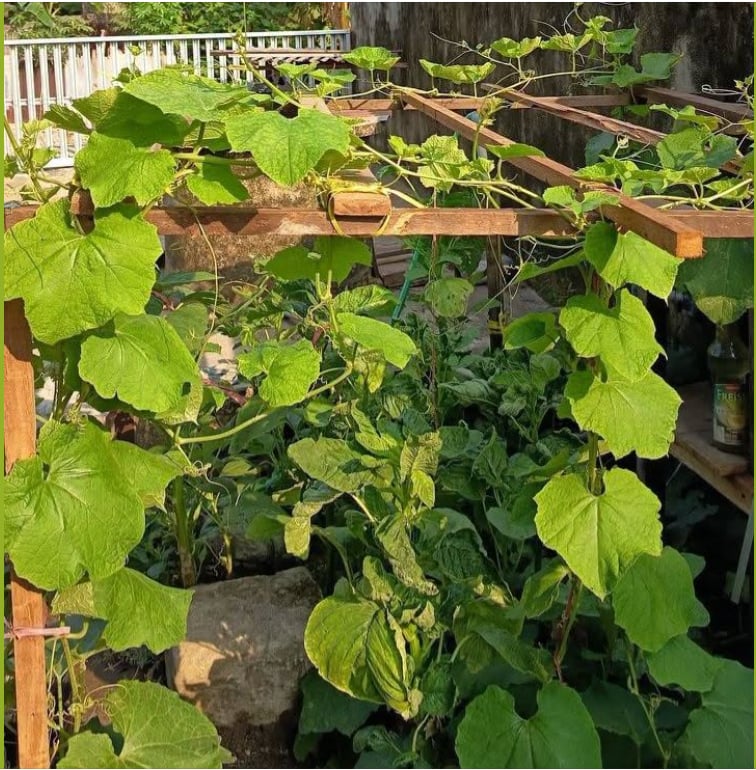
cucurbit vine (gourd/squash family)
What is this cucurbit vine growing wild on my trellis?
This looks like a cucurbit vine – something in the gourd/squash family, such as pumpkin, bottle gourd, or another edible squash – probably a volunteer from kitchen scraps or old compost. Let it flower and fruit to know exactly which one.
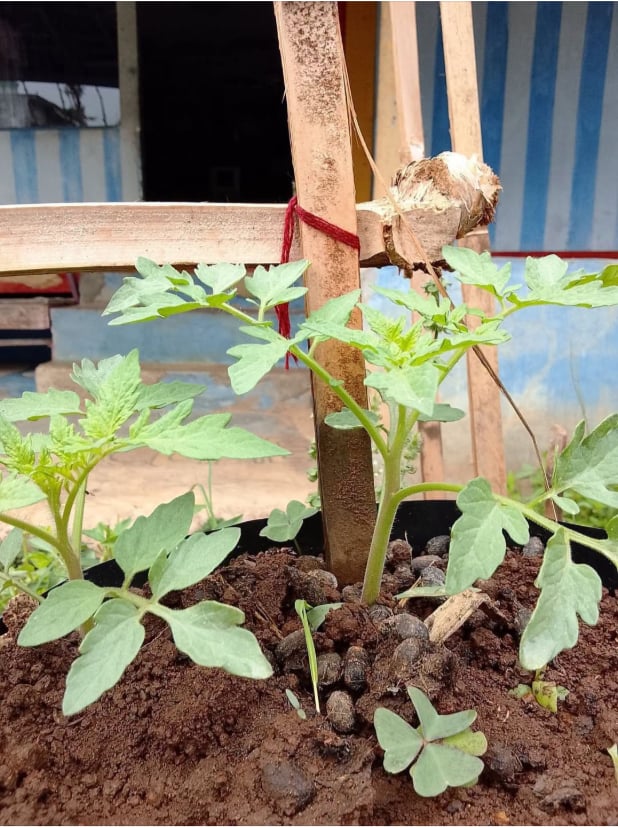
tomato
What plant is this seedling I planted?
The seedlings in the photo are tomato plants. Give them strong sun, a bigger pot or bed, and support as they grow taller.
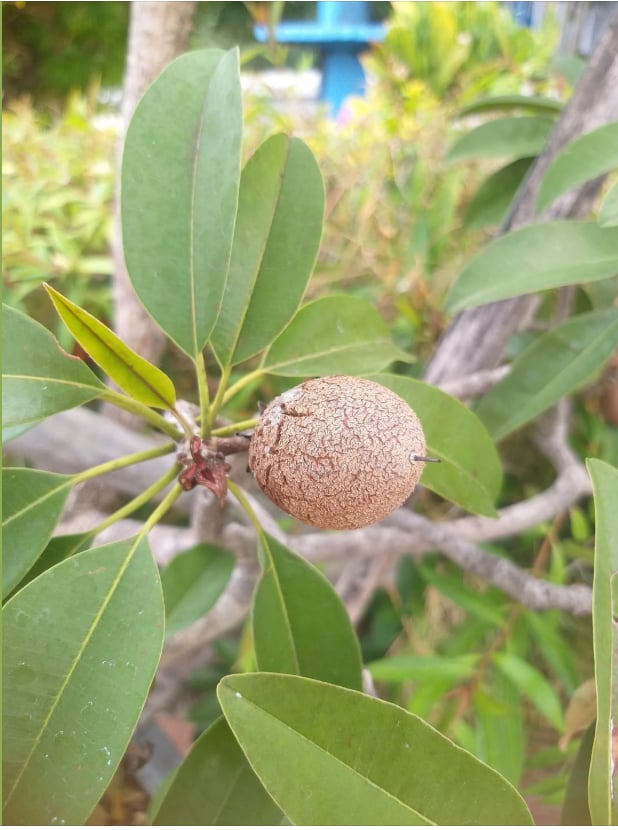
sapodilla (chikoo)
What is this tree with brown round fruits – is the fruit edible?
This looks very much like a sapodilla (chikoo) tree, whose ripe fruit is edible and sweet, but never eat anything based only on an online ID. Have a local plant expert or neighbor familiar with the tree confirm it in person before tasting.
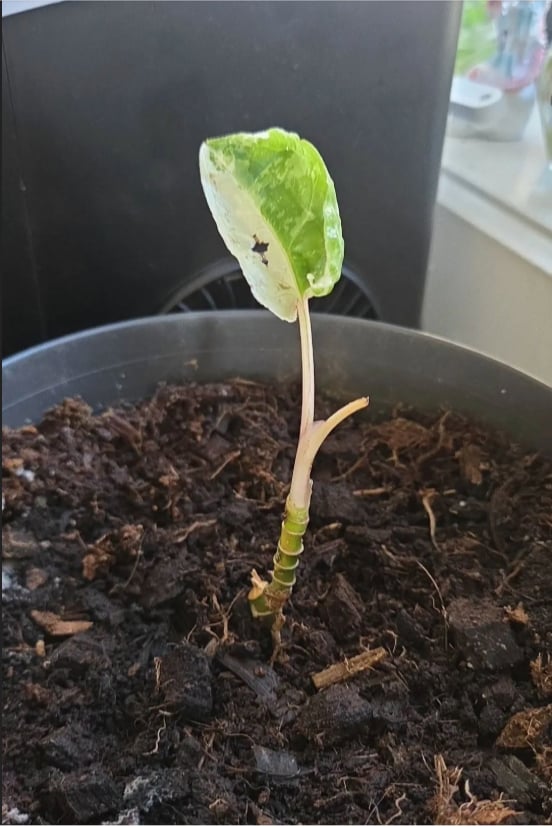
How can I identify this small cutting with only one damaged leaf?
From the photo, the plant is too small and damaged to confidently identify; it looks like a young aroid-type houseplant grown from a stem cutting. Let it grow a few new leaves and nodes, then compare leaf shape and growth habit for a more reliable ID.