
lobster claw heliconia · Asked on Facebook · 5 November 2026
What is this tropical plant with red hanging claw-like flowers?
This is a Heliconia, commonly called lobster claw or false bird of paradise. It’s a tropical ornamental that loves warmth, bright light, and consistently moist soil.
The question
“I found this plant in the garden. Does anyone know what kind it is”
What's likely going on
The plant in the photo is a Heliconia, most likely Heliconia rostrata, commonly known as lobster claw, hanging heliconia, or false bird of paradise.
You can recognize it by:
- The long, hanging flower spike with bright red "claws" (they’re actually bracts, which are modified leaves that protect the small true flowers inside).
- Banana-like leaves: large, green, and paddle-shaped.
- A clumping growth habit from underground rhizomes (thick roots, like ginger or canna lilies).
It’s a popular ornamental in warm, humid climates and is often grown near walls, pathways, or as a backdrop plant.
What to do
Choose the right spot
If planting or moving it, pick a place with bright light – full sun to light shade. In very harsh sun, a bit of afternoon shade helps.Water correctly
Keep the soil evenly moist but not waterlogged. Heliconias like regular watering, especially in hot weather, but they dislike standing in soggy soil.Feed during the growing season
Use a balanced, general-purpose fertilizer every 4–6 weeks in warm months to encourage strong growth and flowering.Mulch the base
Add a layer of organic mulch (dry leaves, coco husk, compost) around the base to keep roots cool and hold moisture.Trim old stems and bracts
After flowering, cut old flower stalks and any dead or ragged leaves down near the base. This helps new, fresh shoots come up.
How to prevent it
- Avoid letting the soil dry out completely for long periods.
- Make sure the planting area drains well so the roots don’t rot.
- Give it space to spread; the clump will slowly expand over time.
When to worry
- Leaves yellowing rapidly and stems turning mushy: could be root rot from overwatering or poor drainage. Improve drainage and reduce watering.
- No flowers for years: may not be getting enough sun or nutrients. Move to a brighter spot and feed regularly.
- Severe leaf spotting or pests (like aphids or mealybugs): rinse with water first; if needed, use a gentle insecticidal soap, keeping pets and children away until it’s dry.
Answered by the GrowPls assistant. Every plant and room is different; if things don't improve, a clear close-up photo of the affected part is the fastest way to a better answer.
Related questions
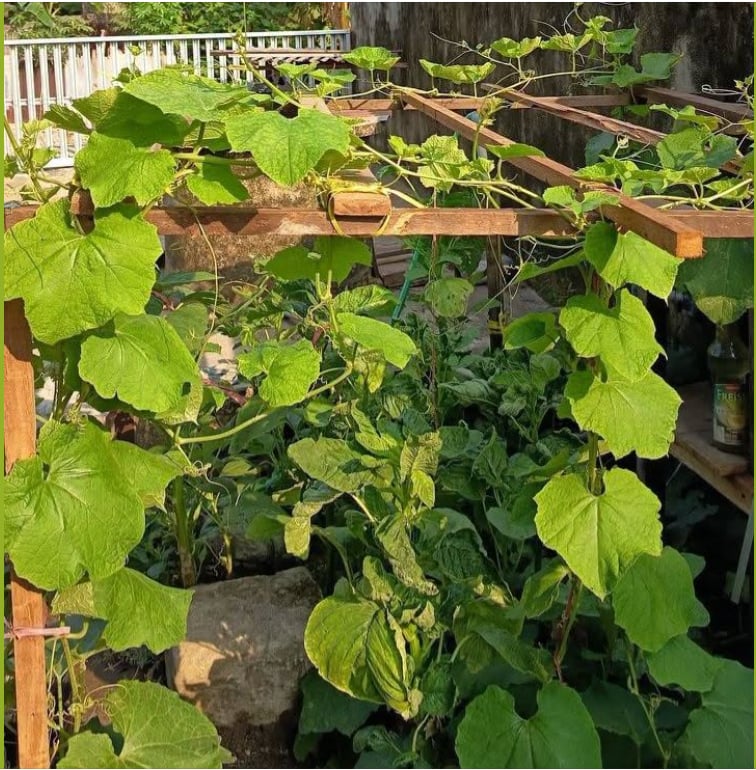
cucurbit vine (gourd/squash family)
What is this cucurbit vine growing wild on my trellis?
This looks like a cucurbit vine – something in the gourd/squash family, such as pumpkin, bottle gourd, or another edible squash – probably a volunteer from kitchen scraps or old compost. Let it flower and fruit to know exactly which one.
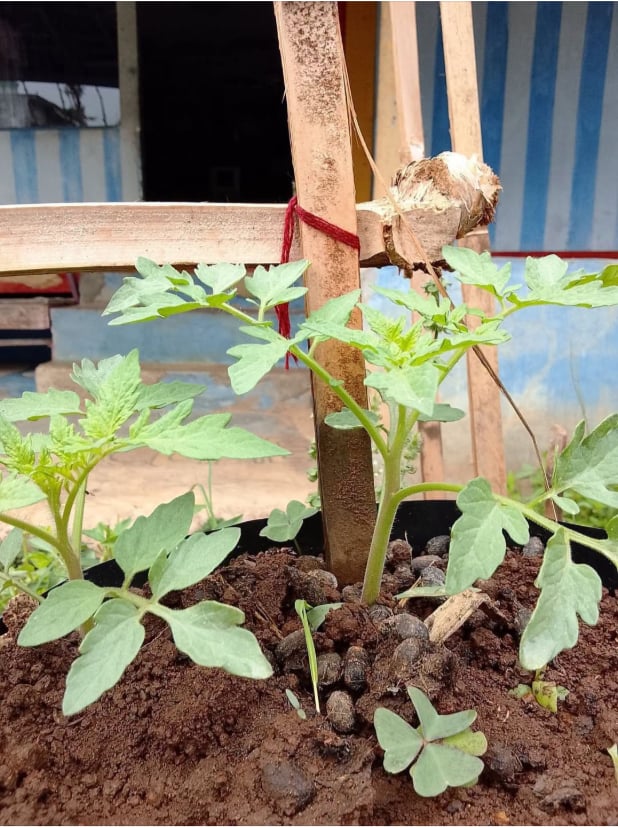
tomato
What plant is this seedling I planted?
The seedlings in the photo are tomato plants. Give them strong sun, a bigger pot or bed, and support as they grow taller.
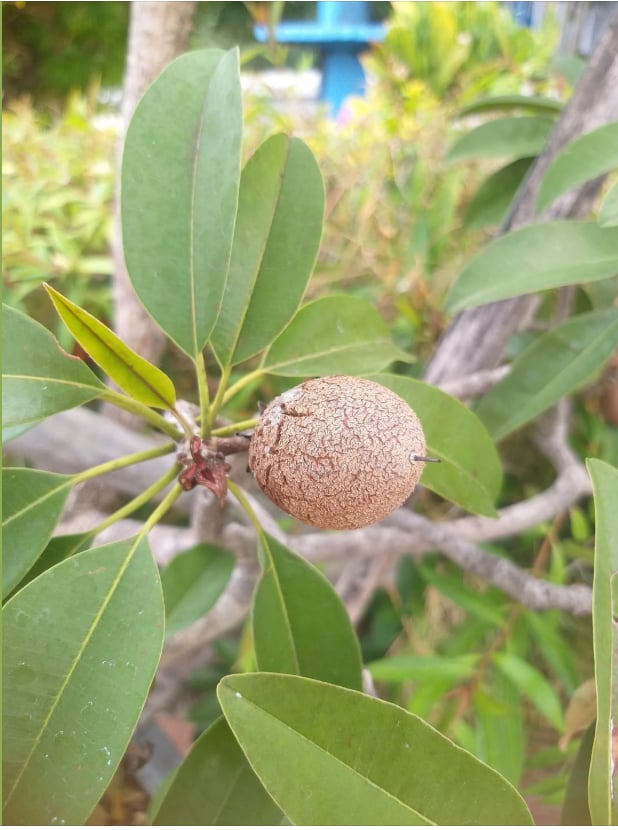
sapodilla (chikoo)
What is this tree with brown round fruits – is the fruit edible?
This looks very much like a sapodilla (chikoo) tree, whose ripe fruit is edible and sweet, but never eat anything based only on an online ID. Have a local plant expert or neighbor familiar with the tree confirm it in person before tasting.
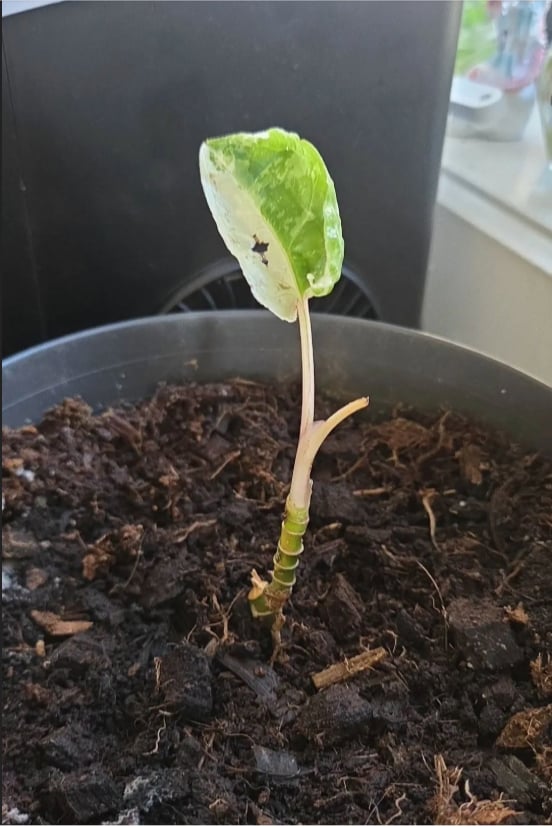
How can I identify this small cutting with only one damaged leaf?
From the photo, the plant is too small and damaged to confidently identify; it looks like a young aroid-type houseplant grown from a stem cutting. Let it grow a few new leaves and nodes, then compare leaf shape and growth habit for a more reliable ID.