
papaya · Asked on Facebook · 5 November 2026
What plant is this tall tree with lobed leaves and green elongated fruits?
The plant in the photo is a papaya tree (Carica papaya). It produces the familiar papaya fruits, which start out green and turn yellow or orange as they ripen.
The question
“Can anyone identify this plant?”
What's likely going on
The plant shown is a papaya tree (Carica papaya). You can tell by a few key features visible in the photo:
- A single, soft green trunk with old leaf scars (ring-like marks) going up the stem.
- Big, deeply lobed leaves held on long hollow stalks, all emerging from the top of the trunk like an umbrella.
- Elongated green fruits that hang close to the trunk.
Papaya is a fast‑growing tropical fruit tree commonly grown in home gardens across warm climates.
What to do
Choose a sunny spot
Papaya needs at least 6 hours of direct sun daily to flower and fruit well.Water regularly but avoid waterlogging
Keep the soil evenly moist, especially in hot weather, but make sure excess water can drain away. Constantly soggy soil can rot the roots.Feed a little and often
Every 4–6 weeks, give a balanced organic fertilizer or compost around the base (not touching the trunk) to support fruiting.Mulch the soil surface
A 5–8 cm layer of dry leaves, straw, or coco husk helps keep roots cool and reduces watering needs.Support heavy fruit if needed
On very young or thin trunks, you can gently support heavy fruit clusters with a stake or tie to prevent snapping in strong winds.
How to prevent it
Here “it” is mainly poor growth or lack of fruit:
- Avoid planting where water collects after rain.
- Protect young plants from strong winds that can break the soft trunk.
- Don’t prune the main trunk; papaya doesn’t like being cut back hard.
When to worry
- If the trunk becomes soft, dark, or starts collapsing, it may be suffering from rot—improve drainage and reduce watering.
- If many leaves show yellow mosaic patterns or are badly deformed, a virus could be involved; infected plants usually need to be removed.
- If fruits rot or drop off very small, check watering and drainage first, then consider local pest or disease advice.
Answered by the GrowPls assistant. Every plant and room is different; if things don't improve, a clear close-up photo of the affected part is the fastest way to a better answer.
Related questions
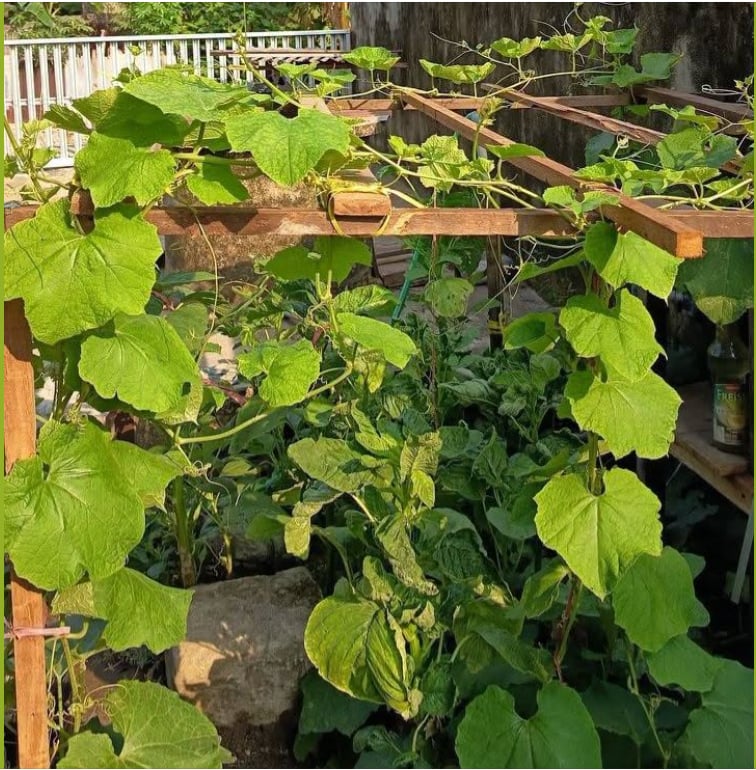
cucurbit vine (gourd/squash family)
What is this cucurbit vine growing wild on my trellis?
This looks like a cucurbit vine – something in the gourd/squash family, such as pumpkin, bottle gourd, or another edible squash – probably a volunteer from kitchen scraps or old compost. Let it flower and fruit to know exactly which one.
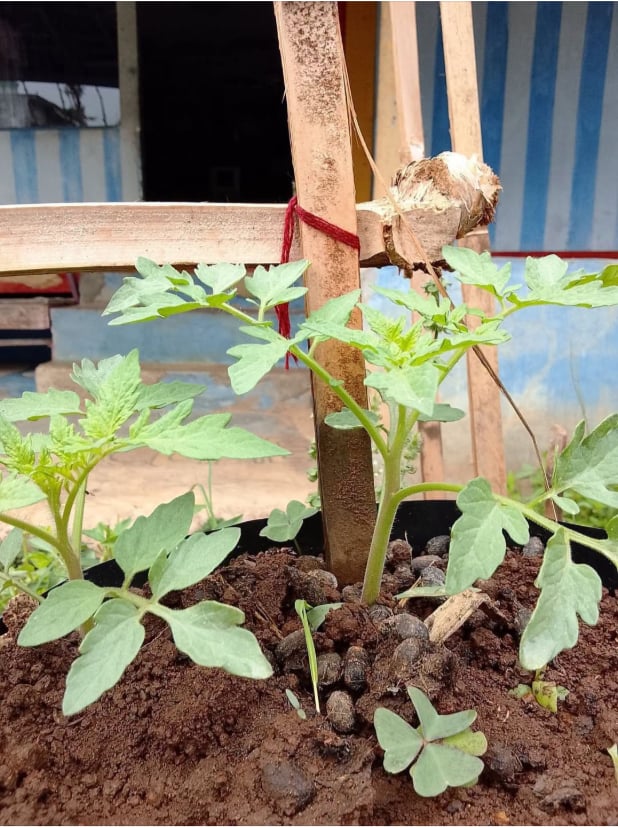
tomato
What plant is this seedling I planted?
The seedlings in the photo are tomato plants. Give them strong sun, a bigger pot or bed, and support as they grow taller.
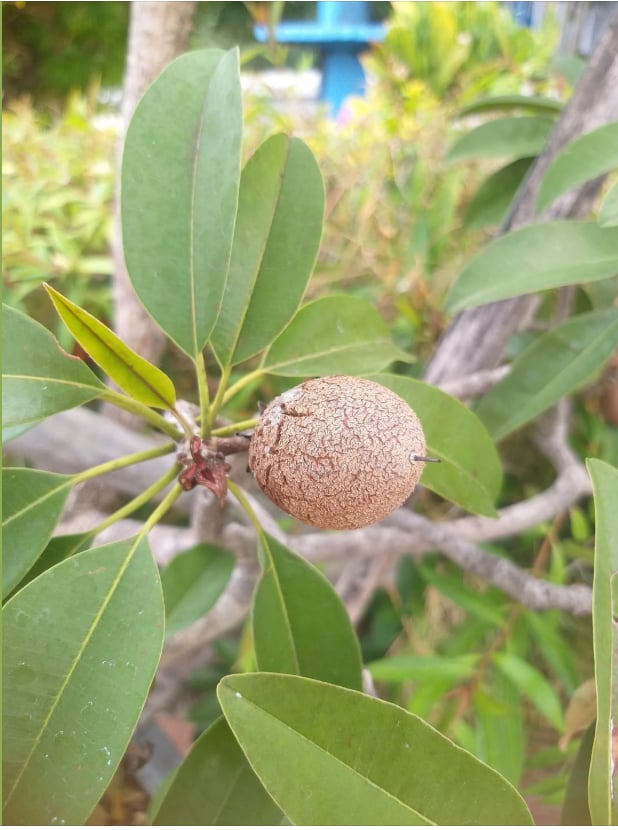
sapodilla (chikoo)
What is this tree with brown round fruits – is the fruit edible?
This looks very much like a sapodilla (chikoo) tree, whose ripe fruit is edible and sweet, but never eat anything based only on an online ID. Have a local plant expert or neighbor familiar with the tree confirm it in person before tasting.
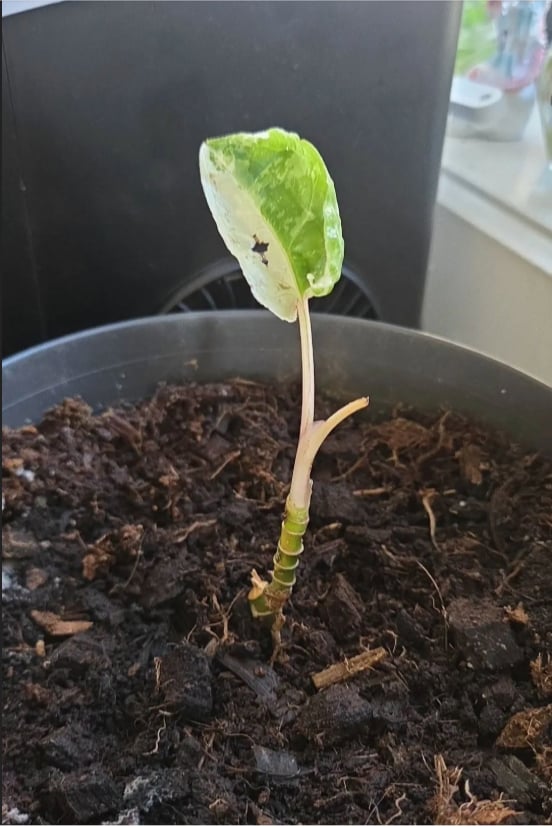
How can I identify this small cutting with only one damaged leaf?
From the photo, the plant is too small and damaged to confidently identify; it looks like a young aroid-type houseplant grown from a stem cutting. Let it grow a few new leaves and nodes, then compare leaf shape and growth habit for a more reliable ID.