
variegated century plant (Agave americana 'Marginata') · Asked on Facebook · 4 November 2026
What plant is this variegated spiky rosette grown by the roadside?
This is a variegated century plant, a type of agave (Agave americana ‘Marginata’). It’s a tough, sun‑loving succulent often used in roadside and garden borders.
The question
“This plant looks beautiful, does anyone know what kind of plant this is?”
What's likely going on
The plant in the photo is a variegated century plant, a form of Agave americana, often sold as Agave americana ‘Marginata’. You can recognize it by:
- Long, thick, pointed leaves that grow in a tight rosette (circle from the center)
- Grey‑green centers with yellow or cream edges (variegated margin)
- Stiff, architectural look, often used in road medians and public plantings
It’s not an aloe (which has softer, usually spotted leaves) but a larger, more rigid succulent that can eventually become quite big in the ground.
What to do
Choose a sunny spot
Plant it where it gets at least 4–6 hours of direct sun. These agaves thrive in heat and bright light.Use very well‑draining soil
Sandy or gritty soil is best. If planting in a pot, mix regular potting soil with coarse sand or small gravel so water doesn’t sit around the roots.Water sparingly
Let the soil dry out completely between waterings. In the ground, once established, it usually needs water only during long dry spells.Give it space
It will spread out over time, so keep it away from walkways where the sharp tips can poke passers‑by.Handle with care
Wear gloves when moving or trimming it; the leaf tips can be very sharp, and the sap may irritate sensitive skin.
How to prevent it
(Preventing problems with this plant)
- Avoid overwatering or planting in heavy clay soil to prevent root rot.
- Don’t crowd it with thirsty plants that need frequent watering.
- Remove fallen leaves and debris from the crown so the center doesn’t stay wet.
When to worry
- Leaves turning mushy from the base: usually a sign of rot from too much water or poor drainage. Improve soil drainage and reduce watering.
- Large brown patches or collapsing leaves: check for rot or pests hiding at the base.
- Sudden overall yellowing: could be standing in water or severe root damage.
Otherwise, this agave is very low‑maintenance and can live happily for many years with almost no care.
Answered by the GrowPls assistant. Every plant and room is different; if things don't improve, a clear close-up photo of the affected part is the fastest way to a better answer.
Related questions
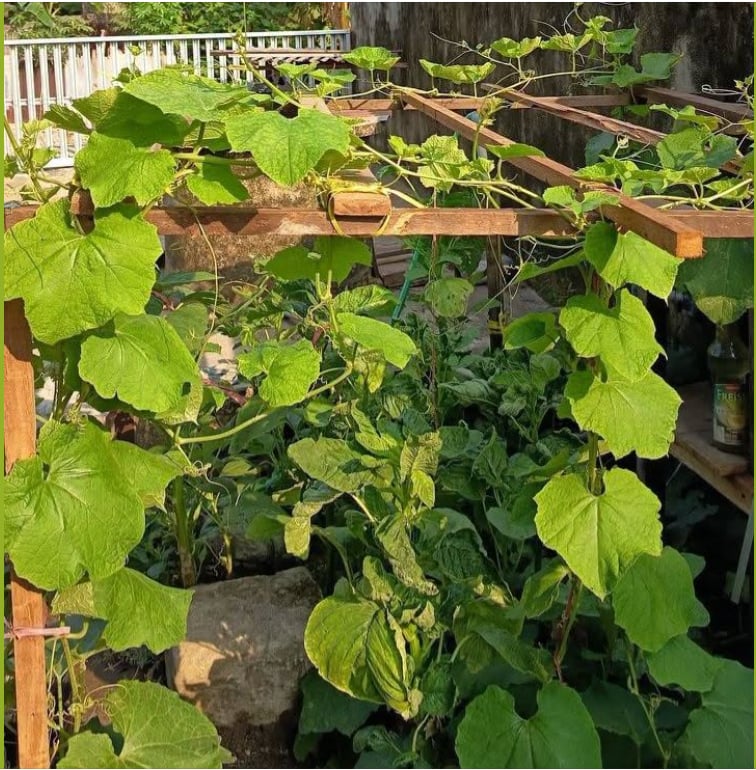
cucurbit vine (gourd/squash family)
What is this cucurbit vine growing wild on my trellis?
This looks like a cucurbit vine – something in the gourd/squash family, such as pumpkin, bottle gourd, or another edible squash – probably a volunteer from kitchen scraps or old compost. Let it flower and fruit to know exactly which one.
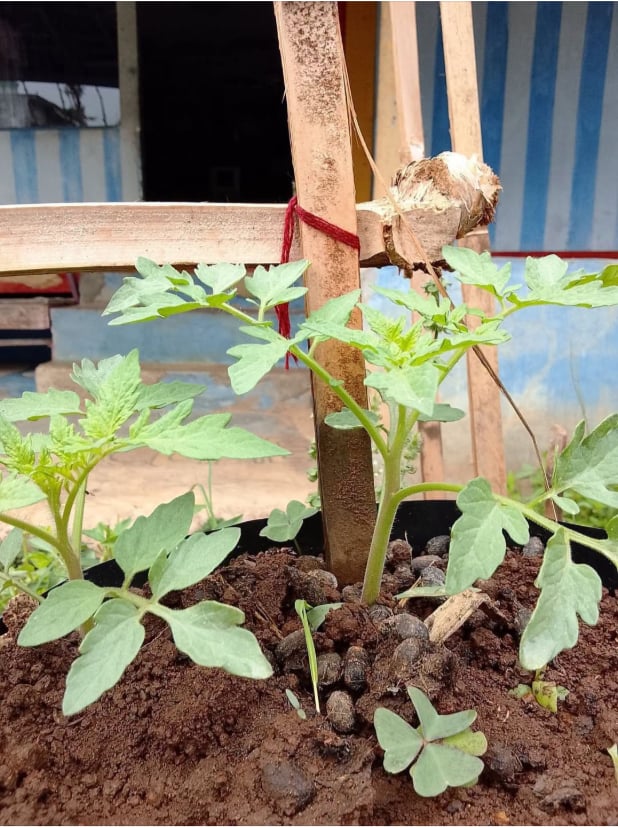
tomato
What plant is this seedling I planted?
The seedlings in the photo are tomato plants. Give them strong sun, a bigger pot or bed, and support as they grow taller.
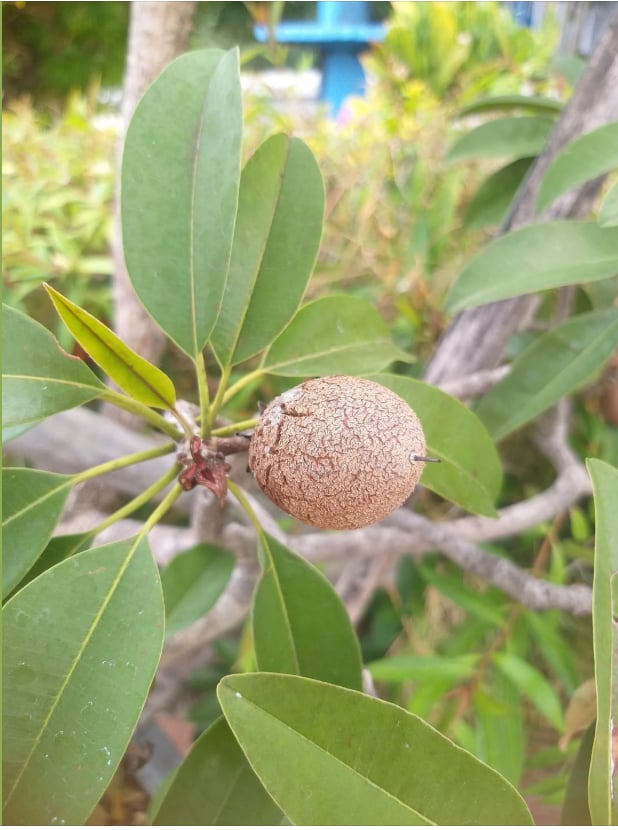
sapodilla (chikoo)
What is this tree with brown round fruits – is the fruit edible?
This looks very much like a sapodilla (chikoo) tree, whose ripe fruit is edible and sweet, but never eat anything based only on an online ID. Have a local plant expert or neighbor familiar with the tree confirm it in person before tasting.
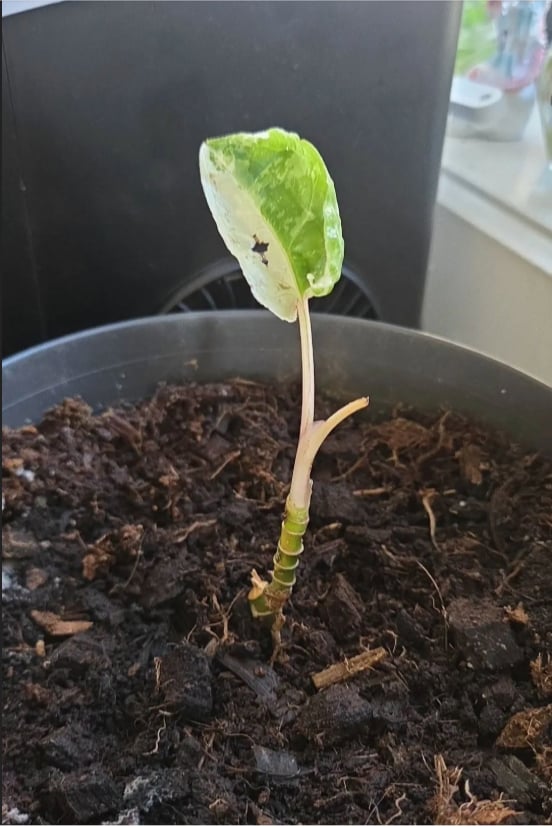
How can I identify this small cutting with only one damaged leaf?
From the photo, the plant is too small and damaged to confidently identify; it looks like a young aroid-type houseplant grown from a stem cutting. Let it grow a few new leaves and nodes, then compare leaf shape and growth habit for a more reliable ID.