
turkey berry (pea eggplant) · Asked on Facebook · 5 November 2026
What plant is this with clusters of small green berries and large lobed leaves?
This looks like turkey berry (Solanum torvum), also called pea eggplant. It’s a wild relative of eggplant that makes clusters of small green berries often used in cooking when fully developed and cooked, but the plant and raw fruits are mildly toxic, so don’t eat it unless you’re sure and know how it’s prepared locally.
The question
“Does anyone know what kind of plant this is? It’s my first time seeing one.”
What's likely going on
From the photo, the plant is a shrubby nightshade with:
- Big, slightly lobed leaves
- Small round green berries in tight clusters
- Star-shaped white flowers at the tips
That combination matches turkey berry / pea eggplant (Solanum torvum), a common wild plant in many tropical areas. It often pops up on its own near walls, empty plots, or along roads.
It’s related to brinjal/eggplant and other nightshades.
What to do
Decide if you want to keep it
- It can become a woody shrub and spread by seeds. If you don’t want it, pull it out before the berries ripen and drop.
If you keep it, give it space
- Let it grow in full sun with normal rainfall or moderate watering. It doesn’t need rich soil and is quite tough.
Be cautious about eating it
- In some cuisines the ripe, still-green berries are eaten only when cooked thoroughly. Raw parts contain solanine-type compounds (nightshade toxins). If you’re not familiar with local recipes, it’s safer to treat it as ornamental/weed.
Handle with care
- Some plants of this type can have small prickles on stems. Use gloves if removing or pruning.
How to prevent it
- Remove unwanted seedlings when they’re small.
- Don’t let berries fully ripen and fall if you don’t want it spreading.
- Mulch bare soil to reduce self-seeded weeds.
When to worry
- If children or pets might chew the leaves or berries, it’s better to remove the plant, as nightshades can be poisonous when eaten raw or in quantity.
- If you notice it spreading all over the garden and crowding other plants, control it early before it becomes a thicket.
Answered by the GrowPls assistant. Every plant and room is different; if things don't improve, a clear close-up photo of the affected part is the fastest way to a better answer.
Related questions
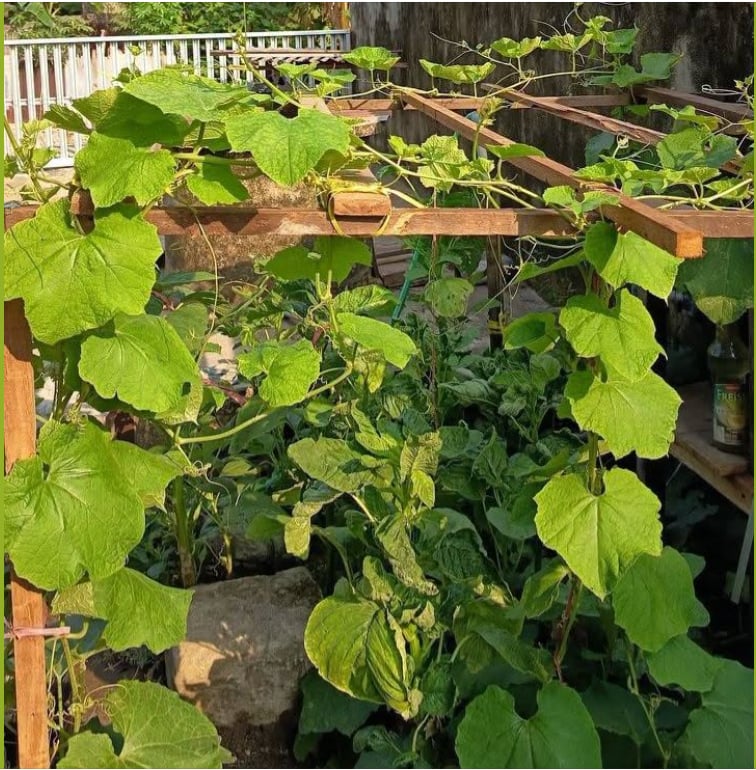
cucurbit vine (gourd/squash family)
What is this cucurbit vine growing wild on my trellis?
This looks like a cucurbit vine – something in the gourd/squash family, such as pumpkin, bottle gourd, or another edible squash – probably a volunteer from kitchen scraps or old compost. Let it flower and fruit to know exactly which one.
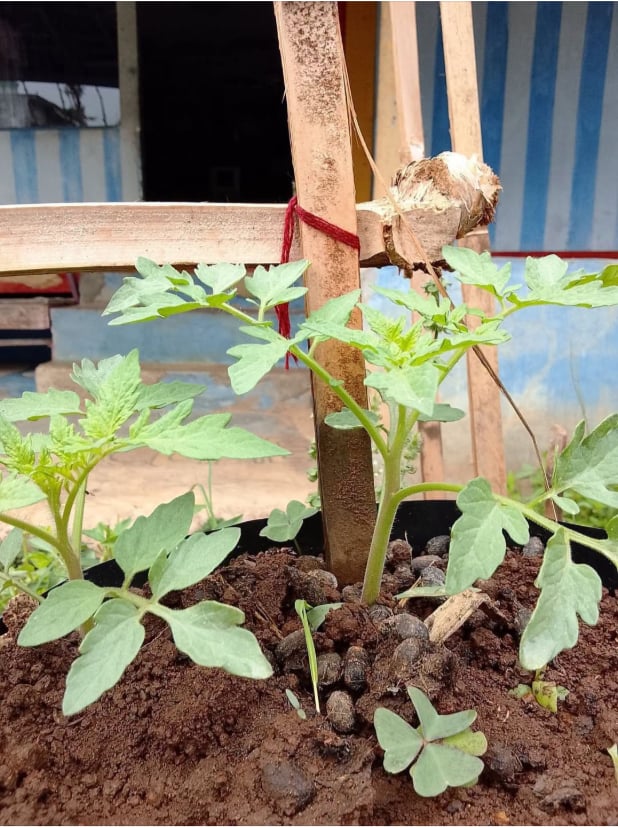
tomato
What plant is this seedling I planted?
The seedlings in the photo are tomato plants. Give them strong sun, a bigger pot or bed, and support as they grow taller.
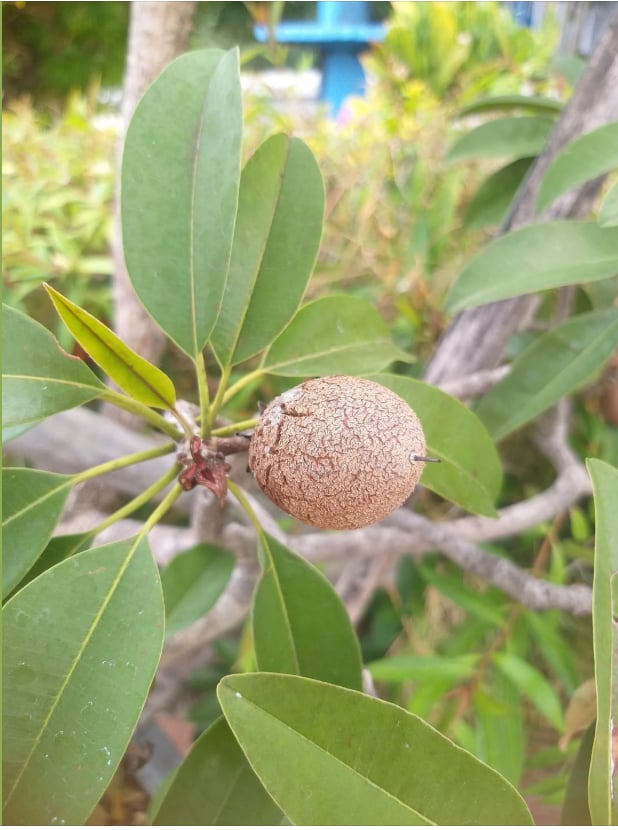
sapodilla (chikoo)
What is this tree with brown round fruits – is the fruit edible?
This looks very much like a sapodilla (chikoo) tree, whose ripe fruit is edible and sweet, but never eat anything based only on an online ID. Have a local plant expert or neighbor familiar with the tree confirm it in person before tasting.
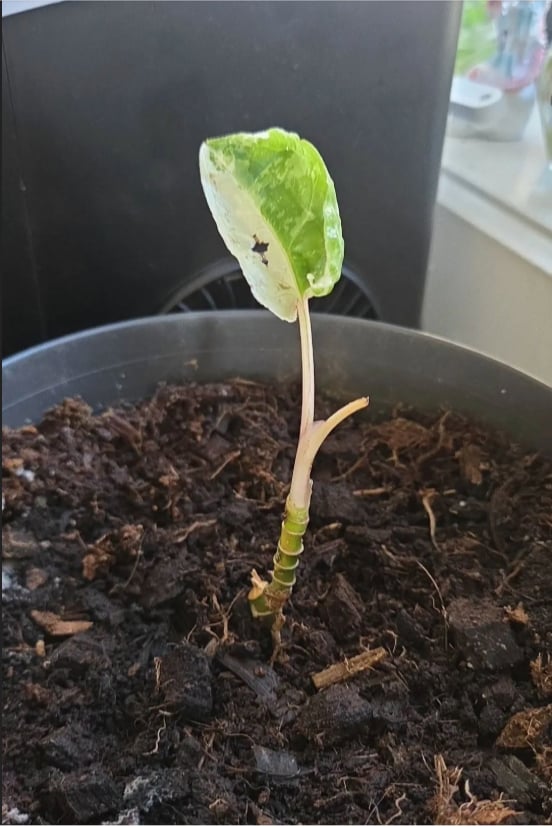
How can I identify this small cutting with only one damaged leaf?
From the photo, the plant is too small and damaged to confidently identify; it looks like a young aroid-type houseplant grown from a stem cutting. Let it grow a few new leaves and nodes, then compare leaf shape and growth habit for a more reliable ID.