
eggplant (brinjal) · Asked on Facebook · 1 November 2026
What plant is this with purple fruits and star-shaped flowers?
This is an eggplant plant, also called brinjal. Give it plenty of sun, a bigger pot or ground space, and regular feeding for better growth and more fruits.
The question
“Can anyone identify this plant?”
What's likely going on
The plant in the photo is eggplant (brinjal, Solanum melongena). You can tell by the:
- Oval, slightly fuzzy leaves
- Star-shaped purple-white flowers with a yellow center
- Long, dark purple developing fruit hanging from the stem
It looks healthy but a bit tall and thin, which usually means it could use more sun and space for roots.
What to do
Choose a sunny spot
Eggplant needs at least 5–6 hours of direct sun daily. Move the pot or plant it in the ground where it gets strong light.Give it more root space
If it’s still in a small grow bag, transplant into a larger pot (at least 25–30 cm wide) or into the ground. Use well‑draining soil mixed with compost or rotted manure.Water deeply, not constantly
Water when the top 2–3 cm of soil feels dry. Soak the soil thoroughly, then let extra water drain. Avoid keeping it soggy.Feed regularly
Every 2–3 weeks, add a balanced organic fertilizer or compost tea. Once it starts fruiting, a fertilizer a bit higher in potassium (often labeled for fruiting plants) helps.Support the stem
As fruits get heavier, gently tie the main stem to a stake so it doesn’t bend or break.
How to prevent it
- Start young plants in roomy containers so they don’t become root‑bound.
- Keep the plant in full sun from early on to avoid tall, weak growth.
- Mulch the soil surface with dry leaves or straw to keep moisture even and roots cool.
When to worry
- Leaves yellowing badly or wilting even with moist soil – roots may be rotting or the plant may be water‑stressed. Check drainage and watering habits.
- Holes or chewed leaves – look under leaves for pests like caterpillars or beetles and remove by hand or use a mild organic control.
- Spotted or curling leaves spreading quickly – could be disease; remove badly affected leaves and improve airflow around the plant.
Answered by the GrowPls assistant. Every plant and room is different; if things don't improve, a clear close-up photo of the affected part is the fastest way to a better answer.
Related questions
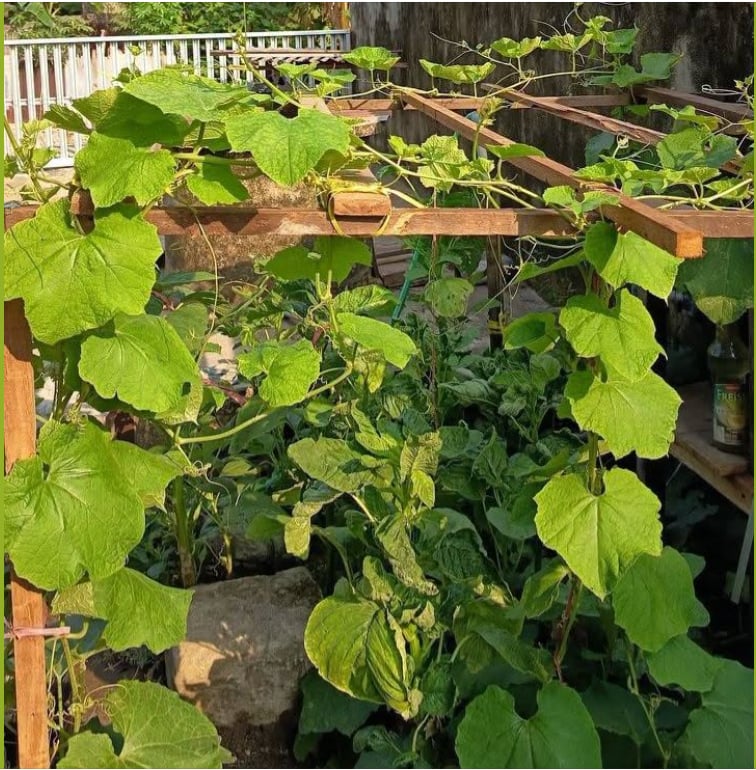
cucurbit vine (gourd/squash family)
What is this cucurbit vine growing wild on my trellis?
This looks like a cucurbit vine – something in the gourd/squash family, such as pumpkin, bottle gourd, or another edible squash – probably a volunteer from kitchen scraps or old compost. Let it flower and fruit to know exactly which one.
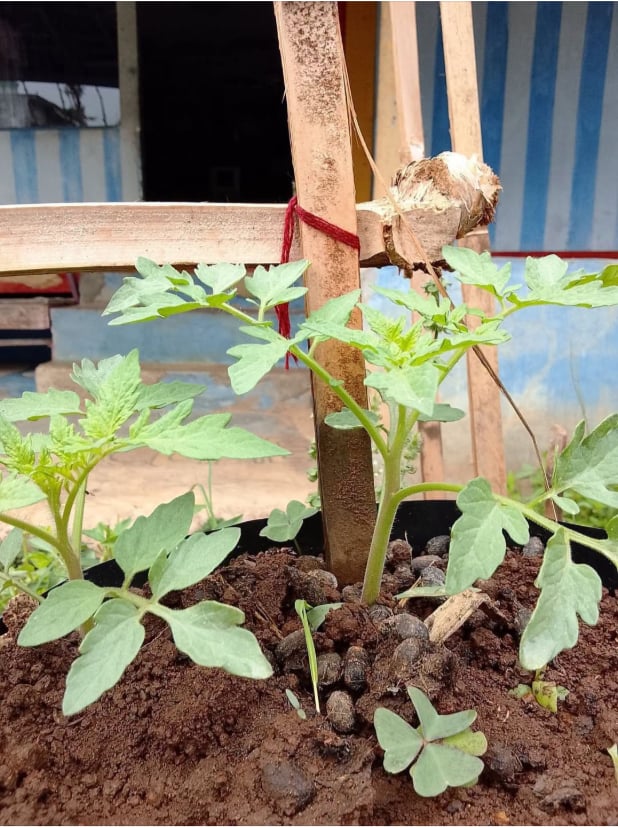
tomato
What plant is this seedling I planted?
The seedlings in the photo are tomato plants. Give them strong sun, a bigger pot or bed, and support as they grow taller.
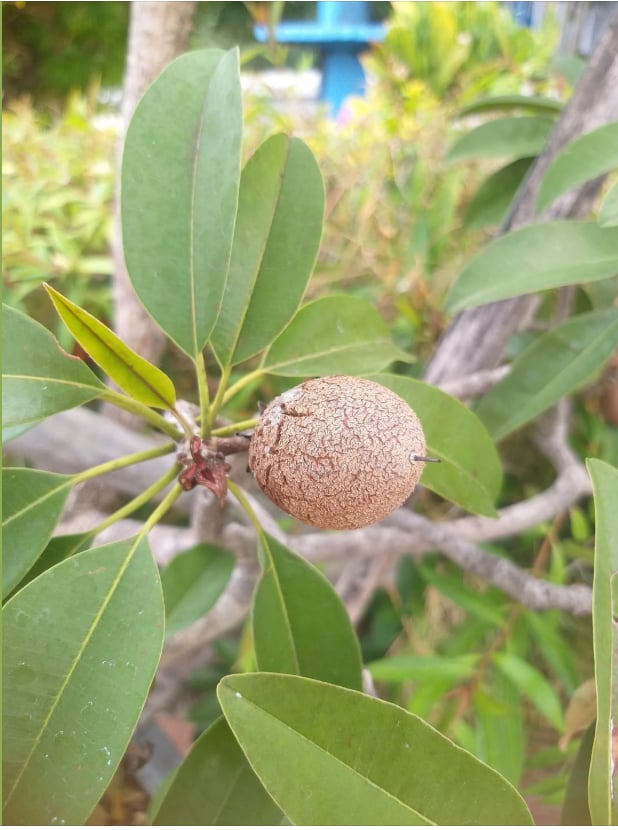
sapodilla (chikoo)
What is this tree with brown round fruits – is the fruit edible?
This looks very much like a sapodilla (chikoo) tree, whose ripe fruit is edible and sweet, but never eat anything based only on an online ID. Have a local plant expert or neighbor familiar with the tree confirm it in person before tasting.
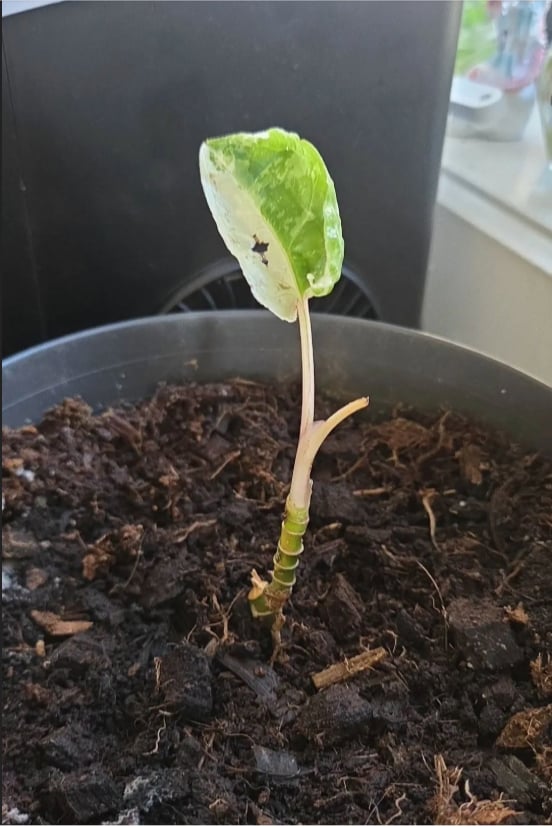
How can I identify this small cutting with only one damaged leaf?
From the photo, the plant is too small and damaged to confidently identify; it looks like a young aroid-type houseplant grown from a stem cutting. Let it grow a few new leaves and nodes, then compare leaf shape and growth habit for a more reliable ID.