
desert rose · Asked on Facebook · 2 November 2026
Why is my desert rose (Adenium) not flowering?
This desert rose looks leafy and healthy but is probably getting too little strong sun and/or too much nitrogen-rich fertilizer, which makes leaves instead of blooms. Give it several hours of direct sun, let the soil dry more between waterings, and switch to a low‑nitrogen, higher phosphorus and potassium feed to encourage flowers.
The question
“Hi everyone. Why my plant doesn’t give me any flowers.”
What's likely going on
From the photo, this looks like a desert rose (Adenium). The plant itself looks green and healthy, just not producing buds.
For desert roses, the usual reasons for no flowers are:
- Not enough strong sunlight – Adeniums need several hours of direct sun every day to bloom well. Bright shade or a few hours of soft morning light often gives leaves but no flowers.
- Too much nitrogen fertilizer – General “leafy growth” fertilizers (like many all‑purpose or lawn types) push lots of green leaves and stems instead of blooms.
- Watering that’s a bit too generous – Kept evenly moist, a desert rose focuses on growth and storage, not reproduction (flowers). They like a dry spell between waterings.
- Young or recently repotted plant – After heavy pruning or repotting, Adeniums sometimes spend a season rebuilding roots and caudex before flowering again.
From the picture alone, it’s not possible to tell light levels, watering, or fertilizer, only that the plant is compact and leafy.
What to do
Increase direct sun
Move the pot to the sunniest safe spot you have. Aim for at least 4–6 hours of direct sun (morning and/or late afternoon is ideal in very hot climates).Adjust watering
In the growing season, water deeply, then let the top few centimeters of soil dry completely before watering again. In cooler months, water less. Make sure the pot drains freely and never sits in a saucer of water.Change fertilizer
If you’ve been feeding regularly, switch to a low‑nitrogen, higher phosphorus and potassium fertilizer (look for a middle and last number equal or higher than the first, like 5‑10‑10). Feed lightly every 4–6 weeks during active growth only.Give it time after pruning/repotting
If it was recently cut back or repotted, let it grow for a season. Healthy new tips usually start setting buds once they get enough sun.Check for stress or pests
Look under leaves and along stems for insects like aphids or mealybugs, and treat early with soap spray or neem oil if needed.
How to prevent it
- Keep desert rose in a consistently sunny spot year‑round.
- Use a gritty, fast‑draining mix (cactus/succulent mix with added coarse sand or perlite).
- Fertilize lightly and infrequently; more food does not mean more flowers.
- Avoid constantly changing the plant’s position; they like stable conditions.
When to worry
- If the caudex (the swollen base) becomes soft or mushy, there may be root rot—reduce watering, improve drainage, and consider repotting into drier soil.
- If leaves yellow, drop massively, or are distorted, check for pests or overwatering.
- If a mature plant in strong sun still never flowers after a full growing season with good care, consider refreshing the soil and inspecting the roots, or gradually increasing sun exposure even more.
Answered by the GrowPls assistant. Every plant and room is different; if things don't improve, a clear close-up photo of the affected part is the fastest way to a better answer.
Related questions
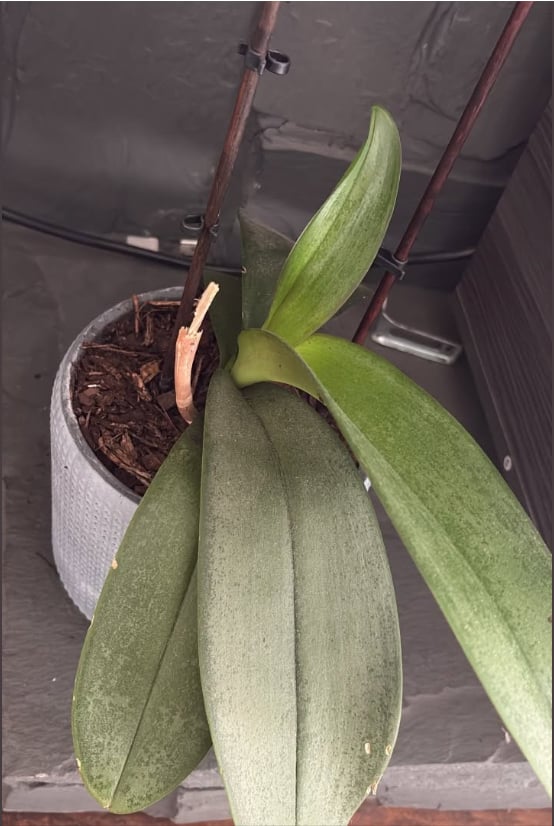
moth orchid (Phalaenopsis)
Why hasn’t my orchid flowered again for a year?
This moth orchid looks healthy enough but likely isn’t getting the right mix of bright light, feeding, and a slight temperature drop that triggers new flower spikes. Improve light, start regular orchid fertilizer, and give it a cooler, brighter spot for a few weeks to encourage blooming.
How often should I fertilize plants grown in pots, and what should I use?
Potted plants usually need light, regular feeding because nutrients wash out faster than in the ground. Start with a balanced, water‑soluble or slow‑release fertilizer at half strength every 2–4 weeks in the growing season, and always follow the label.
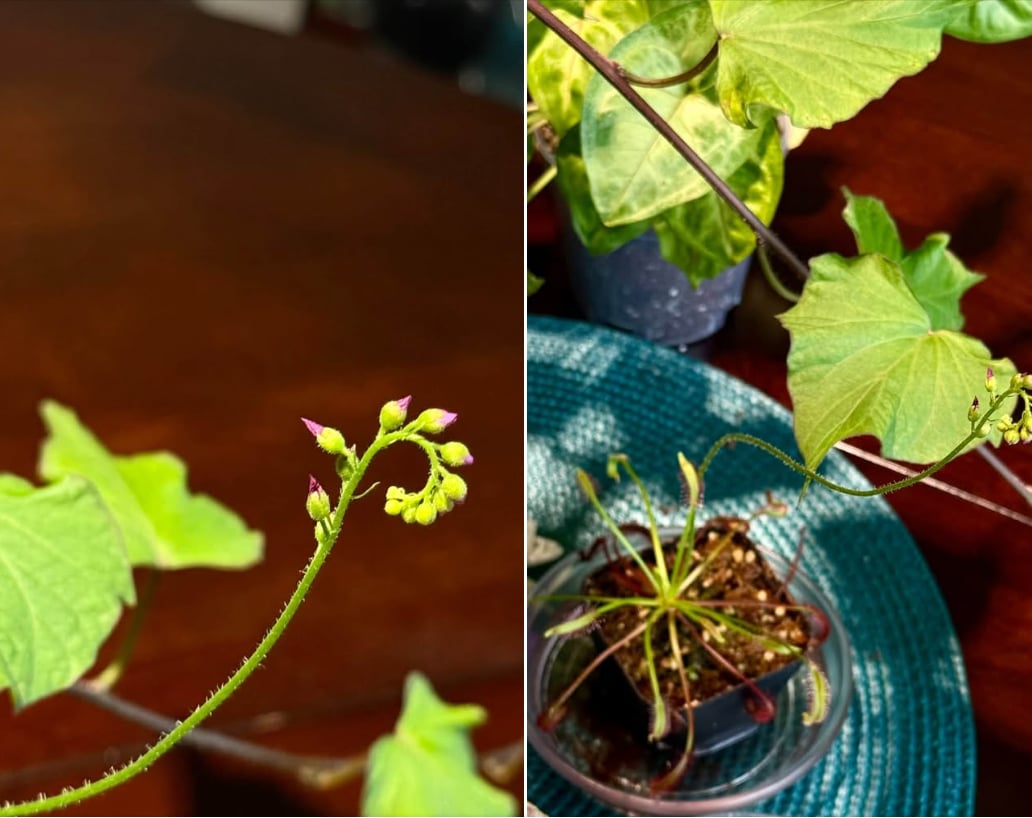
sundew
Why aren’t my sundew flower buds opening?
Those look like sundew flower buds that are stalled because the plant is a bit stressed or not getting quite enough light/energy. Improve light and growing conditions and the next flower stalks should open normally.
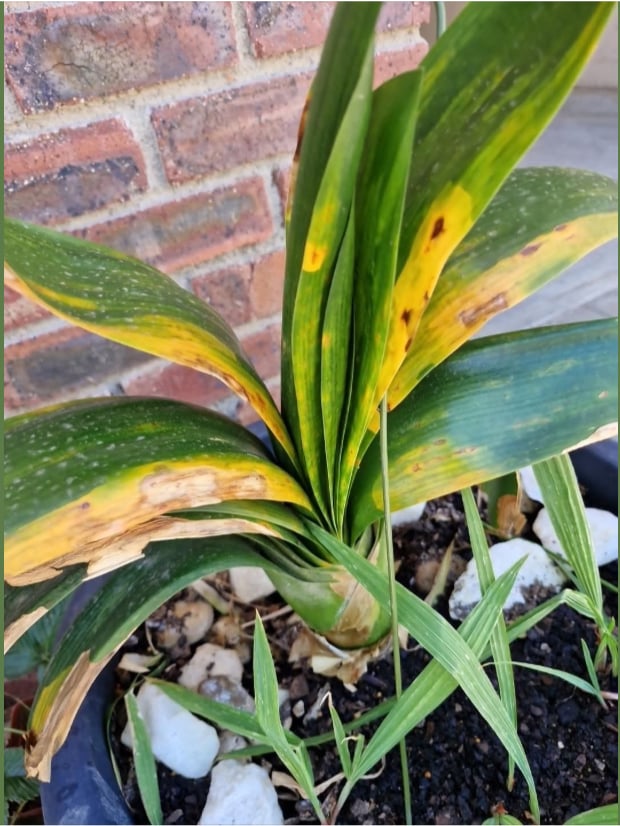
clivia
Why are my clivia leaves turning yellow with brown patches?
Those yellow leaves with crispy brown patches are most likely from stress: too much direct sun and/or watering issues causing leaf burn and weak roots. Move it to bright shade, adjust watering, and remove the worst damaged leaves so new healthy growth can replace them.