
Asked on Facebook · 5 November 2026
How often should I fertilize plants grown in pots, and what should I use?
Potted plants usually need light, regular feeding because nutrients wash out faster than in the ground. Start with a balanced, water‑soluble or slow‑release fertilizer at half strength every 2–4 weeks in the growing season, and always follow the label.
The question
“Looking for advice on growing in pots. How often do I fertilize and what with?”
What's likely going on
Plants in pots can’t reach out into the ground for more nutrients, and every time you water, a bit of fertilizer washes out of the soil. That means container plants usually need feeding more often than plants in the ground, but in smaller, gentler doses.
The best schedule and product depend on:
- Type of plants (leafy vs. flowering/fruiting vs. cactus/succulents)
- Season (active growth vs. winter rest)
- Type of fertilizer (slow‑release granules vs. liquid feed)
What to do
Choose a basic fertilizer to start
For most mixed pots and houseplants, use a balanced fertilizer like 10‑10‑10, 14‑14‑14 or similar. For flowering/fruiting pots (tomatoes, chilies, roses), choose something labeled for flowers/vegetables with a bit more phosphorus and potassium.Pick your style: slow‑release or liquid
- Slow‑release granules (coated pellets mixed into soil or sprinkled on top) feed over 2–6 months. Good if you forget to fertilize.
- Liquid fertilizer (water‑soluble powder or bottle) is mixed with water and used when you water.
Basic timing guidelines
- During growing season (spring through rainy season, and warm months):
- Slow‑release: apply every 2–3 months as per label.
- Liquid: every 2–4 weeks at half the label strength.
- In cooler months or when growth is slow: reduce to once a month or pause if the plant is clearly resting.
- During growing season (spring through rainy season, and warm months):
Adjust for plant type
- Leafy herbs and foliage plants: steady, light feeding on the schedule above.
- Flowering and fruiting plants: same schedule, but switch to a “bloom/fruit” or vegetable fertilizer once buds form.
- Cacti and succulents: much less—¼ strength liquid, about once every 4–6 weeks in the growing season only.
Watch the plant and the soil
Signs you’re feeding too much: brown, crispy leaf edges, white crust on soil, very dark green but weak, floppy growth. Flush the pot by watering deeply a few times and pause fertilizer for a month.
Signs of too little: pale leaves, small growth, plants that look “tired” even with good light and watering.
How to prevent it
- Use a good potting mix, not garden soil, so roots can breathe and nutrients spread evenly.
- Water deeply, then let the top inch dry (for most plants), so roots stay healthy and can actually use the fertilizer.
- Refresh the top 2–3 cm of soil once or twice a year with fresh mix and compost.
- Don’t mix lots of strong manure or undiluted organic concentrates into small pots; they can burn roots.
When to worry
- Leaves brown or curl suddenly right after fertilizing.
- You see a thick white/yellow salt crust forming on the soil or pot.
- Plants wilt even though the soil is moist.
If that happens, flush the pot with plenty of plain water, stop feeding for a few weeks, and consider repotting into fresh mix if things don’t improve.
Answered by the GrowPls assistant. Every plant and room is different; if things don't improve, a clear close-up photo of the affected part is the fastest way to a better answer.
Related questions
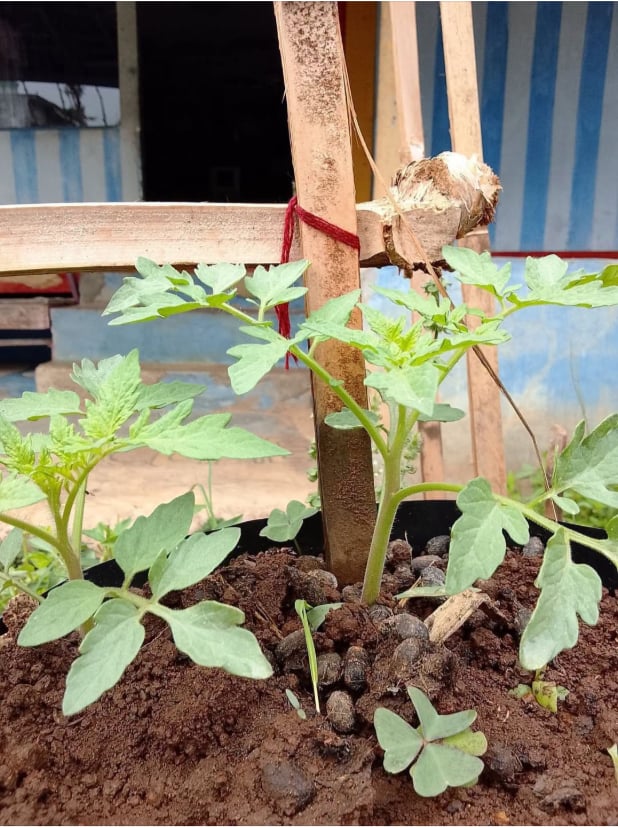
tomato
What plant is this seedling I planted?
The seedlings in the photo are tomato plants. Give them strong sun, a bigger pot or bed, and support as they grow taller.
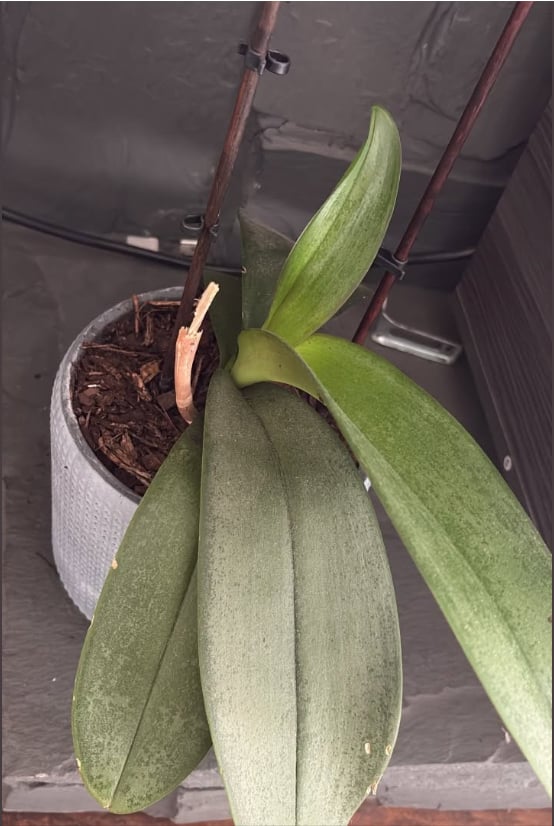
moth orchid (Phalaenopsis)
Why hasn’t my orchid flowered again for a year?
This moth orchid looks healthy enough but likely isn’t getting the right mix of bright light, feeding, and a slight temperature drop that triggers new flower spikes. Improve light, start regular orchid fertilizer, and give it a cooler, brighter spot for a few weeks to encourage blooming.
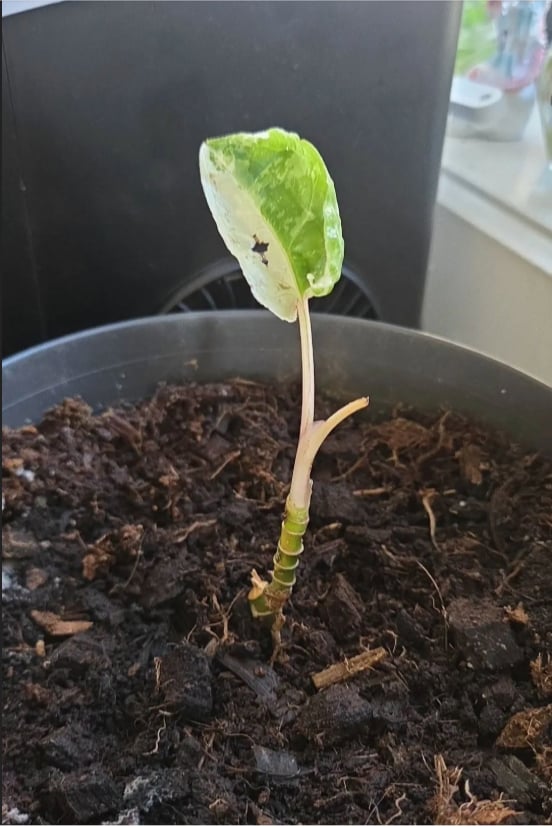
How can I identify this small cutting with only one damaged leaf?
From the photo, the plant is too small and damaged to confidently identify; it looks like a young aroid-type houseplant grown from a stem cutting. Let it grow a few new leaves and nodes, then compare leaf shape and growth habit for a more reliable ID.
How do I know when my plants need watering?
Most plants should be watered when the top layer of soil has dried out, not on a fixed schedule. Check the soil with your finger, lift the pot to feel the weight, and watch the leaves for early signs of thirst like slight drooping or dullness.