
hydrangea · Asked on Facebook · 5 November 2026
Why is my five-colored hydrangea not blooming in a pot?
This hydrangea looks healthy but is likely missing the right light or has had its flower buds pruned off. Give it bright morning sun, avoid heavy pruning, and use a bloom fertilizer lower in nitrogen to encourage flowers.
The question
“It's failed, my five-colored flower won't bloom, why?”
What's likely going on
From the photo, the plant looks like a hydrangea. The leaves look fairly healthy, but there are no flower buds forming yet.
With hydrangeas, a few common things stop blooming:
- Not enough light. In very deep shade, they make lots of leaves and very few flowers. Most need bright light with morning sun and afternoon shade.
- Wrong pruning time. Many hydrangeas bloom on old wood (stems formed last year). If stems were cut low in late autumn, winter, or early spring, the plant may have lost its flower buds.
- Too much nitrogen fertilizer. High-n (like many general-purpose or manure‑heavy mixes) gives lush green leaves but no blooms.
- Young or stressed plant. A recently bought or repotted hydrangea may skip or reduce flowering while it grows roots, especially in hot weather.
What to do
- Adjust the light.
- Place the pot where it gets 2–4 hours of gentle morning sun and bright shade the rest of the day.
- Avoid strong afternoon sun that can burn leaves.
- Check pruning.
- Do not cut the green stems now. Just remove dead, dry, brown canes.
- If pruning is needed, do it right after flowering season, not before.
- Feed for blooms, not leaves.
- Use a fertilizer labeled for flowering plants or hydrangeas with lower nitrogen and higher phosphorus/potassium (the middle and last numbers higher than the first).
- Apply lightly every 4–6 weeks in the growing season, and don’t overdo manure.
- Water correctly.
- Keep soil consistently moist, not soggy. Water deeply when the top 2–3 cm of soil feels dry.
- Be patient this season.
- If buds were already cut off earlier, you may need to wait until next year for a good bloom.
How to prevent it
- Choose a spot with bright light and some direct morning sun from the start.
- Learn whether your hydrangea type blooms on old or new wood and time pruning accordingly.
- Use a balanced or bloom fertilizer, not high‑nitrogen lawn or vegetable formulas.
- Avoid letting the pot dry out completely or sit in standing water.
When to worry
- If new leaves are yellowing heavily, wilting even with moist soil, or covered in spots or insects, check for pests or root rot.
- If stems turn black and mushy, reduce watering and check drainage.
- If after a full year in good light and care there are still no flower buds at all, consider that the variety may need cooler winters to set buds or may have been mis‑labeled, and you might replace it with a more suitable type for your climate.
Answered by the GrowPls assistant. Every plant and room is different; if things don't improve, a clear close-up photo of the affected part is the fastest way to a better answer.
Related questions
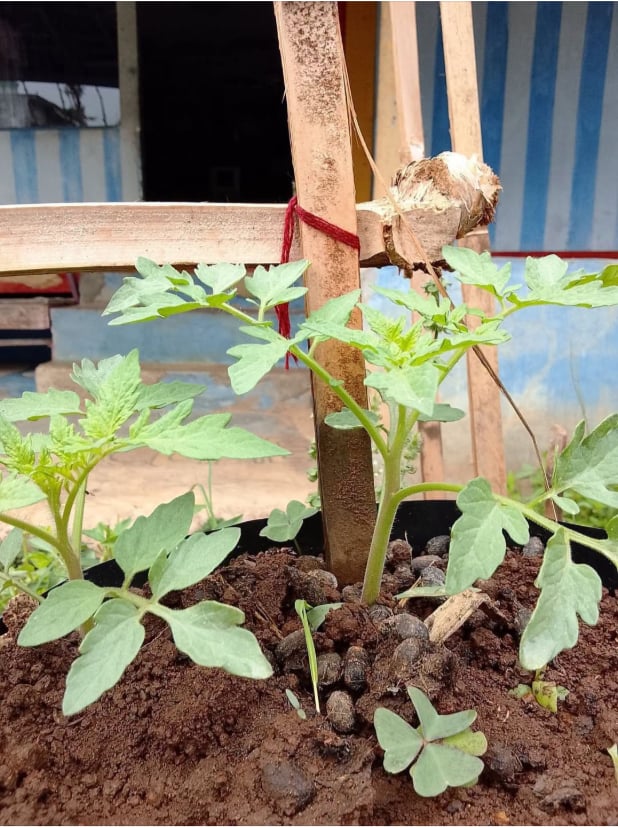
tomato
What plant is this seedling I planted?
The seedlings in the photo are tomato plants. Give them strong sun, a bigger pot or bed, and support as they grow taller.
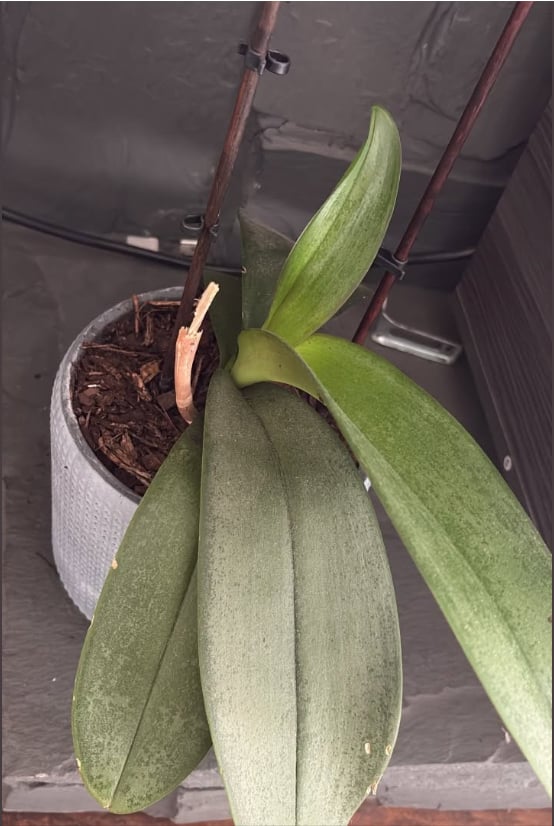
moth orchid (Phalaenopsis)
Why hasn’t my orchid flowered again for a year?
This moth orchid looks healthy enough but likely isn’t getting the right mix of bright light, feeding, and a slight temperature drop that triggers new flower spikes. Improve light, start regular orchid fertilizer, and give it a cooler, brighter spot for a few weeks to encourage blooming.
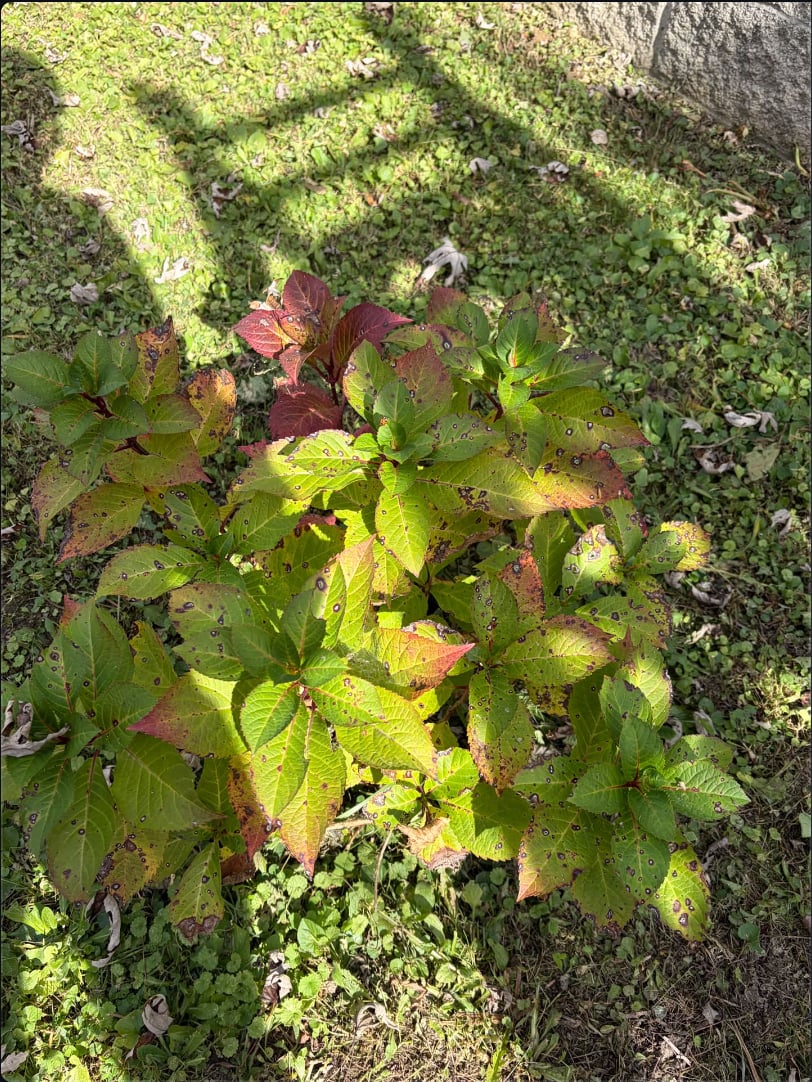
hydrangea
What is causing spots and discoloration on my hydrangea leaves?
The shrub has a leaf‑spot disease, most likely a fungal problem made worse by wet leaves and crowded growth. Remove the worst leaves, clean up fallen ones, and keep the plant drier and better ventilated; it usually clears up without harsh chemicals.
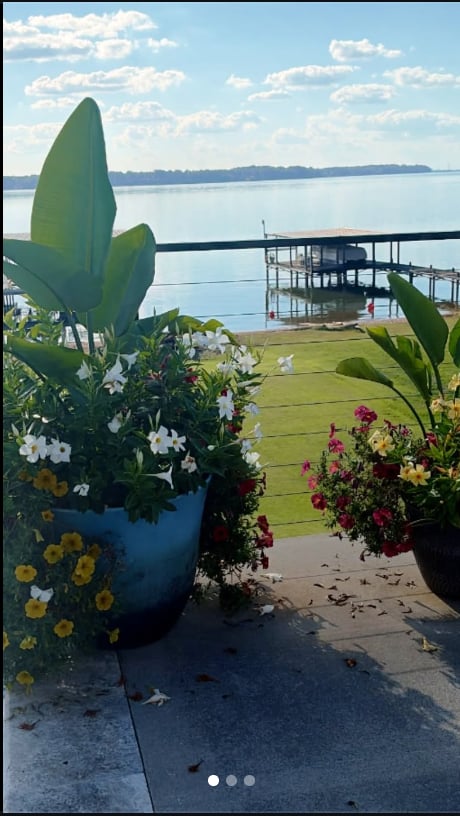
tropical canna or banana-type plant
How can I overwinter the tropical “palm” in my big patio pots?
That center “palm” can be saved, but it’s a tropical (not frost‑hardy), so you’ll need to lift it from the mixed pot before frost and keep it inside in bright light with much less water. The flowering trailers around it are usually treated as annuals and are hard to carry over.