
Asked on Instagram · 31 October 2026
Are these orange long‑legged bugs on my plants good or bad?
This looks like a young assassin bug, which is a beneficial predator that eats other garden pests. Leave it in the garden, but avoid handling it because it can give a painful bite if disturbed.
The question
“Are these bugs good or bad for the garden?”
What's likely going on
From the photo, the insect looks like a nymph (young stage) of an assassin bug: long legs, narrow body, small head with a beak, and an overall slender look. Assassin bugs are beneficial insects.
They hunt and suck the juices from other insects like caterpillars, beetles, and sometimes aphids. That makes them natural pest control in the garden.
A common confusion is between assassin bugs and leaf‑footed or stink bug nymphs:
- Assassin bug nymphs – slim, long legs, more “spidery” look, move quickly, often found alone.
- Leaf‑footed/stink bug nymphs – a bit rounder, thicker bodies, often in groups, and as adults they feed on fruits and vegetables (true pests).
From what can be seen, this insect matches the slimmer predator type more than the plant‑sap‑sucking pests.
What to do
Leave it on the plant
It is most likely helping by hunting other insects.Avoid handling with bare hands
Assassin bugs can defend themselves with a sharp bite that feels like a bee sting. Gently shake or brush them off if they’re somewhere you don’t want them.Watch what they do
If you see them attacking other insects rather than feeding directly on leaves or fruit, that confirms they’re beneficial predators.Take more photos if unsure
For a clearer ID, get close‑ups from the side and above, and if possible of an adult bug nearby.
How to prevent it
In this case, you don’t want to prevent them; they’re part of a healthy garden ecosystem. In general:
- Avoid broad‑spectrum insecticides; these kill good predators along with pests.
- Plant a mix of flowers and herbs to attract many kinds of beneficial insects.
When to worry
- If you start seeing groups of similar bugs clustered on fruit, stems, or young pods and noticing puncture marks or deformed fruit, you may have leaf‑footed or stink bugs instead of assassins.
- If you’re still unsure, collect a clear photo of both nymphs and adults and compare carefully before deciding on any control measures.
Answered by the GrowPls assistant. Every plant and room is different; if things don't improve, a clear close-up photo of the affected part is the fastest way to a better answer.
Related questions
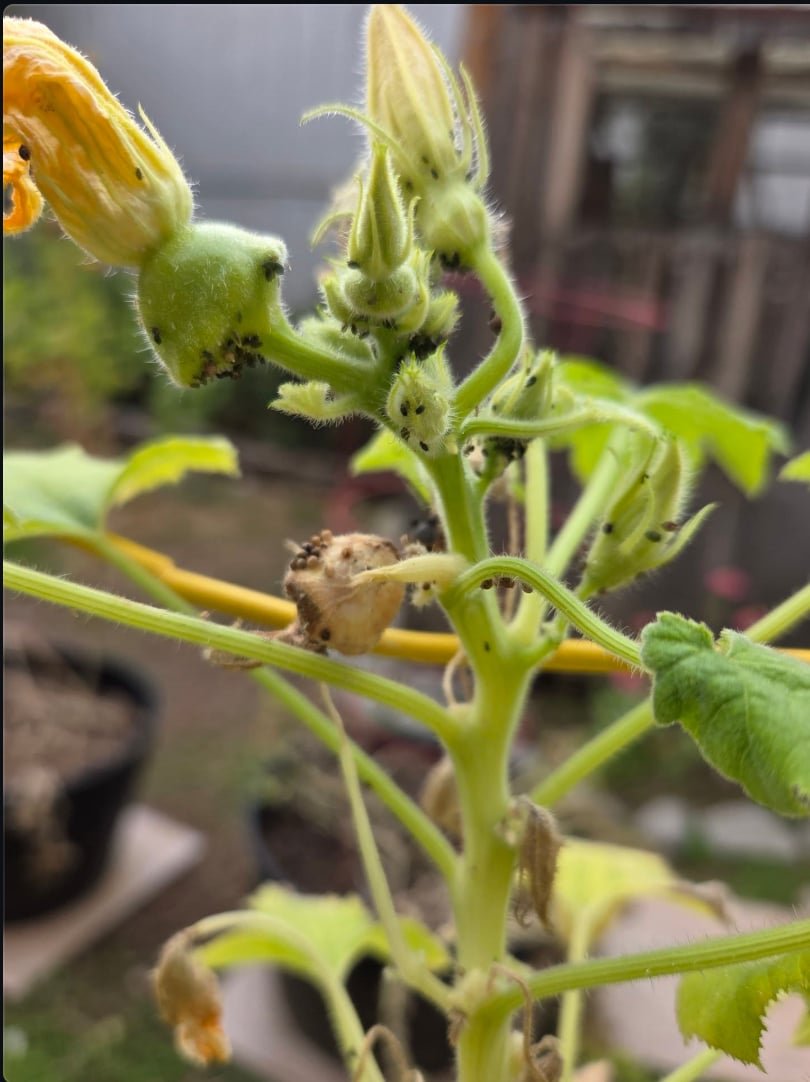
squash
What are the small black bugs on my squash flowers and stems?
Those tiny dark insects clustered on the buds and young stems are aphids. Rinse them off with a strong spray of water, then treat with insecticidal soap or neem oil if they keep coming back.
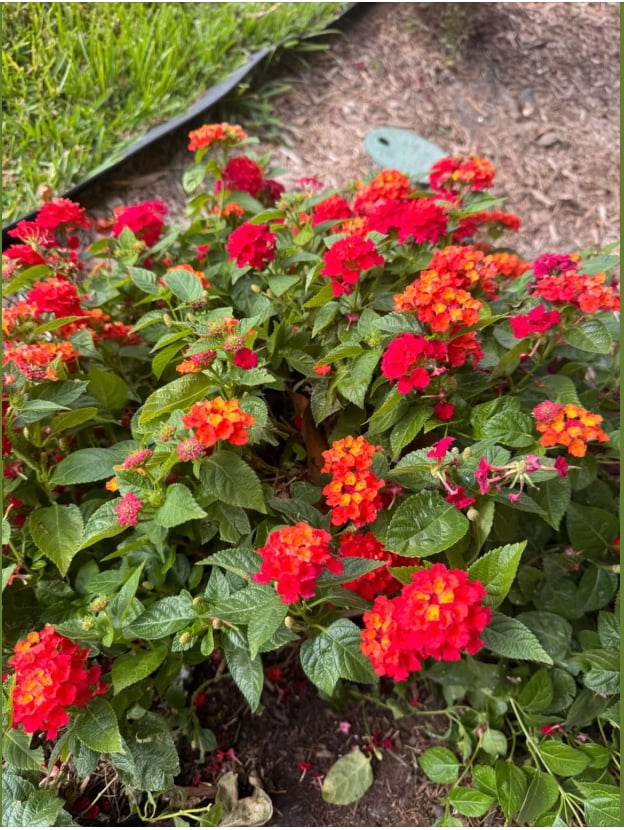
lantana
How do I get mealybugs out of my outdoor flower beds?
Mealybugs don’t really live freely in garden soil; they survive on plant roots and stems, so the key is to treat the plants (and any ant activity) thoroughly and repeatedly. Start by cutting back the worst‑infested growth, washing plants hard with water, then using a soapy spray or horticultural oil every 5–7 days until you see no new bugs.
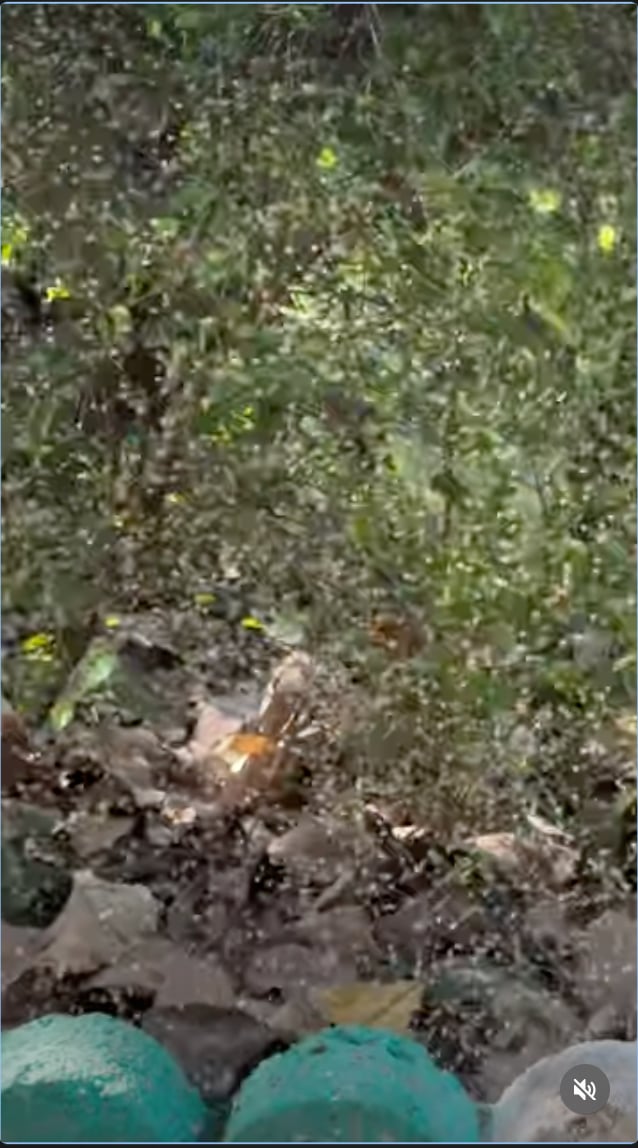
What is this cloud of tiny insects over my garden soil?
That moving “mist” is most likely a swarm of tiny flies/gnats breeding in the damp leaf litter, not smoke or spores. Drying the area a bit and disturbing or cleaning the decaying material will usually make them disappear.
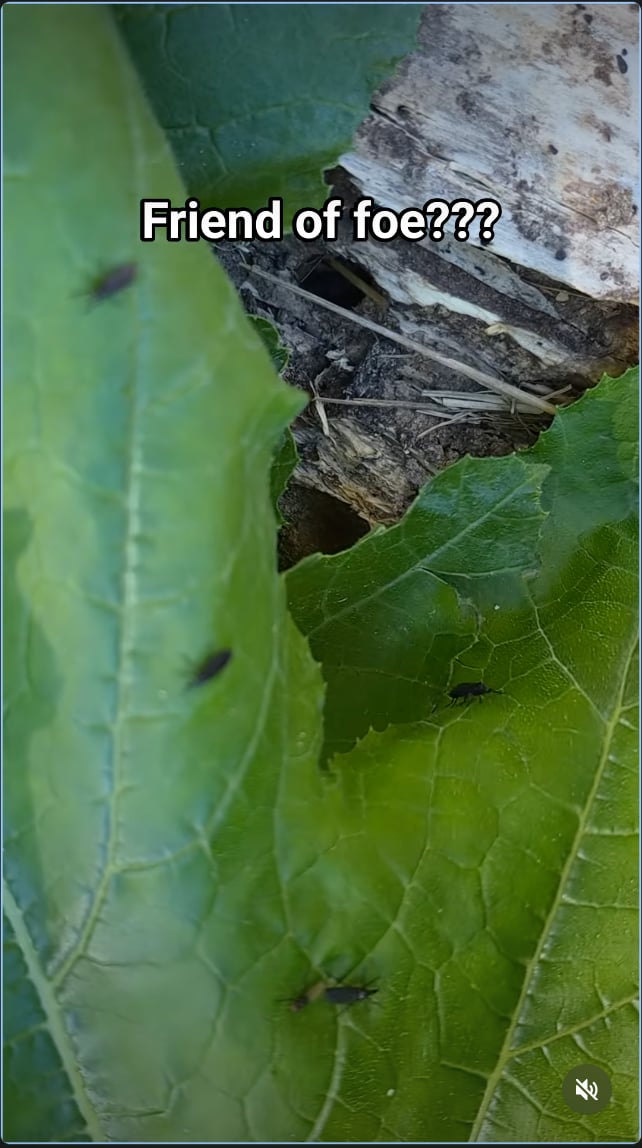
zucchini
Are the small black insects on my zucchini leaves squash bugs?
These are not the typical gray, shield‑shaped squash bugs. They look like small slender plant bugs or thrips, which are usually much less serious. Check for real damage first, and only treat if leaves are actually being sucked dry or distorted; start with washing them off before using anything like diatomaceous earth.