
calathea (prayer plant) · Asked on Instagram · 30 October 2026
How can I save my dying calathea (prayer plant) with crispy, drooping leaves?
This calathea is badly stressed, most likely from a mix of very dry soil at times and root problems from poor watering or low humidity. Check the roots, repot into fresh mix if they’re still firm and pale, cut off the dead leaves, and then keep the soil lightly moist in medium, indirect light.
The question
“Send help! I do not have a green thumb when it comes to indoor plants. Somehow this plant managed to survive for over a year, but suddenly it looks awful😳 But it was a pretty plant! What can I do to try save it before I give up and go buy a new one?🤔”
What's likely going on
From the picture, the plant looks like a calathea (a type of “prayer plant”). The leaves are:
- Flopped over and limp
- Brown and crispy around the edges, with only patches of green left
- In very dry‑looking soil
What we can see: the above usually means the roots have stopped working well. That can happen two main ways:
- Underwatering / letting it bone‑dry – Calatheas hate drying out completely. When the pot stays dry too long, leaves crisp and collapse.
- Earlier overwatering and root rot – If it sat in water for a while, roots may have rotted. Then even when the soil looks dry now, there aren’t enough healthy roots left to support the plant.
Low humidity and hot, bright sun can make the browning worse, but they’re usually “extra stress” on top of root or watering issues.
What to do
Check the roots
Slide the plant out of the pot. Healthy roots are firm and white to light tan. Mushy, dark, or foul‑smelling roots are rotten.Trim and repot
- Cut off all dead, crispy leaves and any soft, dark roots.
- Repot into fresh, well‑draining potting mix (regular indoor mix with a bit of perlite is fine) in a pot with drainage holes.
Water correctly
Water thoroughly until it drains out the bottom, then let the top 2–3 cm of soil dry before watering again. Don’t let it sit in a saucer of water.Fix its spot
Place in bright, indirect light (no harsh midday sun). Keep it away from hot air vents or cold drafts.Boost humidity a bit
Group it with other plants, or place the pot on a tray of pebbles with water below (not covering the pot) to raise humidity.
If there are any healthy roots and at least one small green leaf or eye at the base, it can slowly grow back, though it may take a few months.
How to prevent it
- For calatheas, aim for evenly moist, never bone‑dry and never soggy.
- Check soil with your finger before watering instead of watering on a schedule.
- Avoid strong direct sun and very dry, air‑conditioned or heater air.
- If your tap water is very hard or heavily chlorinated, using filtered or rainwater can reduce leaf browning.
When to worry
- If all the roots are mushy and there’s no firm, pale root left, the plant may not recover.
- If leaves keep collapsing even after repotting and adjusting watering, there may be ongoing rot or the remaining roots are too few; trim again and reduce watering slightly while it tries to regrow roots.
If any healthy roots remain, it’s worth trying to save—it may not look pretty for a while, but new leaves can eventually replace the damaged ones.
Answered by the GrowPls assistant. Every plant and room is different; if things don't improve, a clear close-up photo of the affected part is the fastest way to a better answer.
Related questions
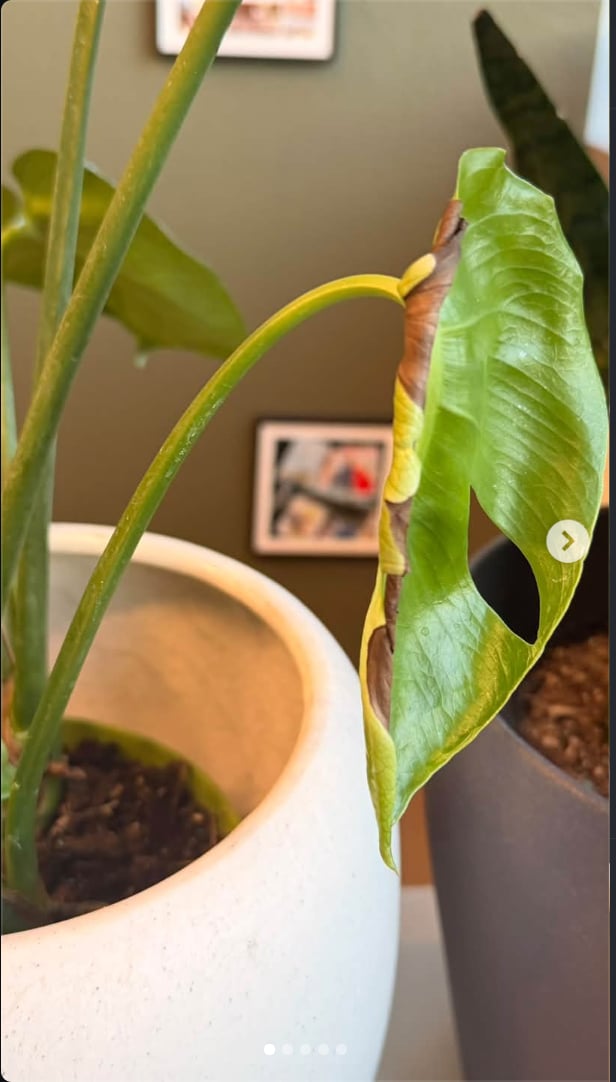
monstera
Why is my Monstera new leaf browning before it fully opens?
That brown edge on the new leaf is usually from stress while the leaf is still tightly rolled – most often low humidity, underwatering, or the leaf getting stuck and damaged. Check watering, light, and humidity, and focus on helping the next leaf grow in better.
How do I know when my plants need watering?
Most plants should be watered when the top layer of soil has dried out, not on a fixed schedule. Check the soil with your finger, lift the pot to feel the weight, and watch the leaves for early signs of thirst like slight drooping or dullness.
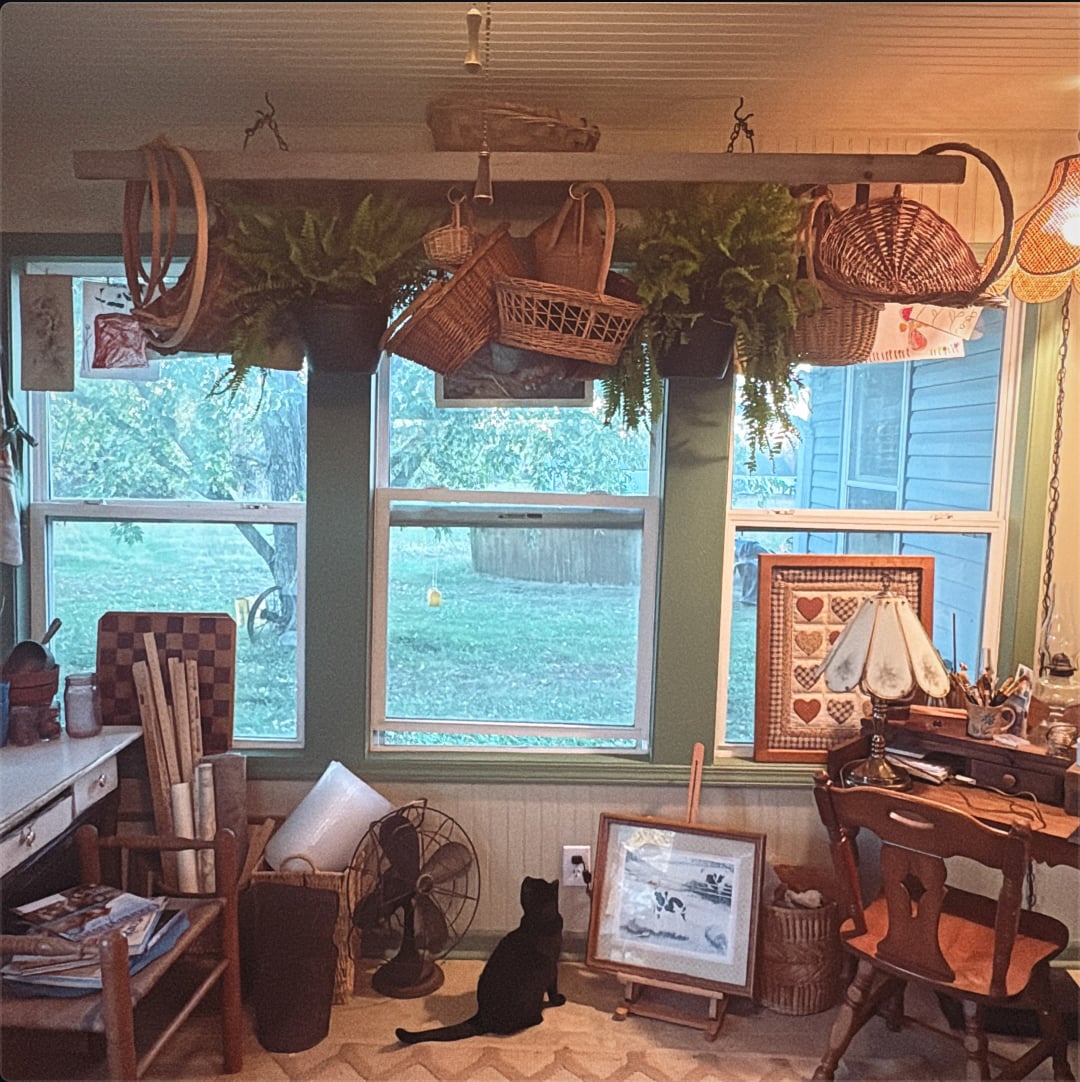
fern (likely Boston fern)
How do I overwinter hanging ferns in a bright sunroom?
That sunroom spot should work well if the ferns get bright but not harsh direct sun and the air isn’t too hot or dry. Indoors, water whenever the top of the soil just starts to feel dry, which is often about once a week but depends on your room’s temperature and humidity.
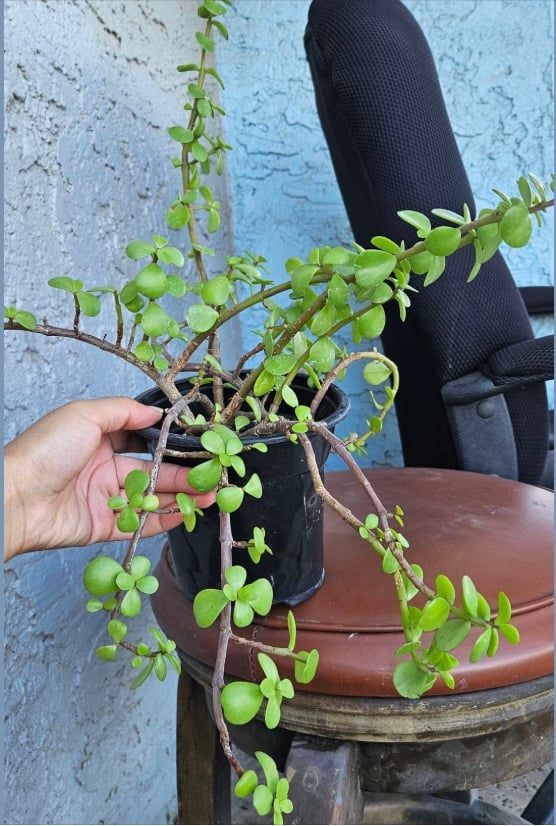
elephant bush
Why is my elephant bush (Portulacaria afra) droopy and losing leaves?
This elephant bush is most likely reacting to a change in light and watering, and it’s probably staying too wet in its current soil. Move it to brighter light, let it dry more between waterings, and consider repotting into a fast‑draining succulent mix.